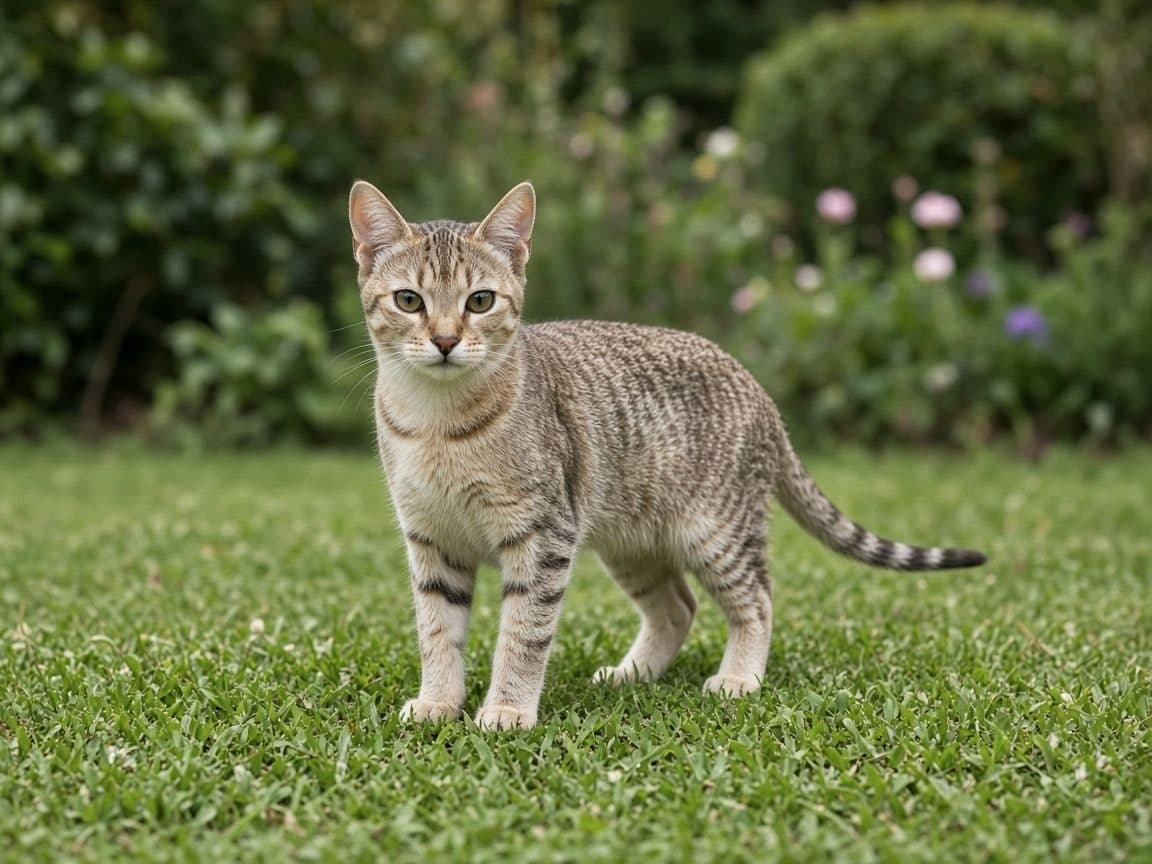
Singapura at a glance
- Size
- Small
- Weight
- 2–3 kg
- Life expectancy
- 9–15 years
Typical for the breed, not a promise about any one cat.
Is the Singapura right for you?
Like every breed, the Singapura is not the right fit for every home. Based on the breed’s typical traits:
May suit you if…
- You have, or would like, another cat.
- You have a calm, cat-friendly dog and can introduce them slowly.
- You would enjoy an active, playful cat and have time to play every day.
- You would like a cat that tends to be quiet.
Consider another breed if…
- The cat would regularly be alone for long working days.
- You cannot offer any safe outdoor space.
- You have young children at home.
How would the Singapura fit your lifestyle?
Choose a few details for a general, non-guaranteed view.
About the Singapura
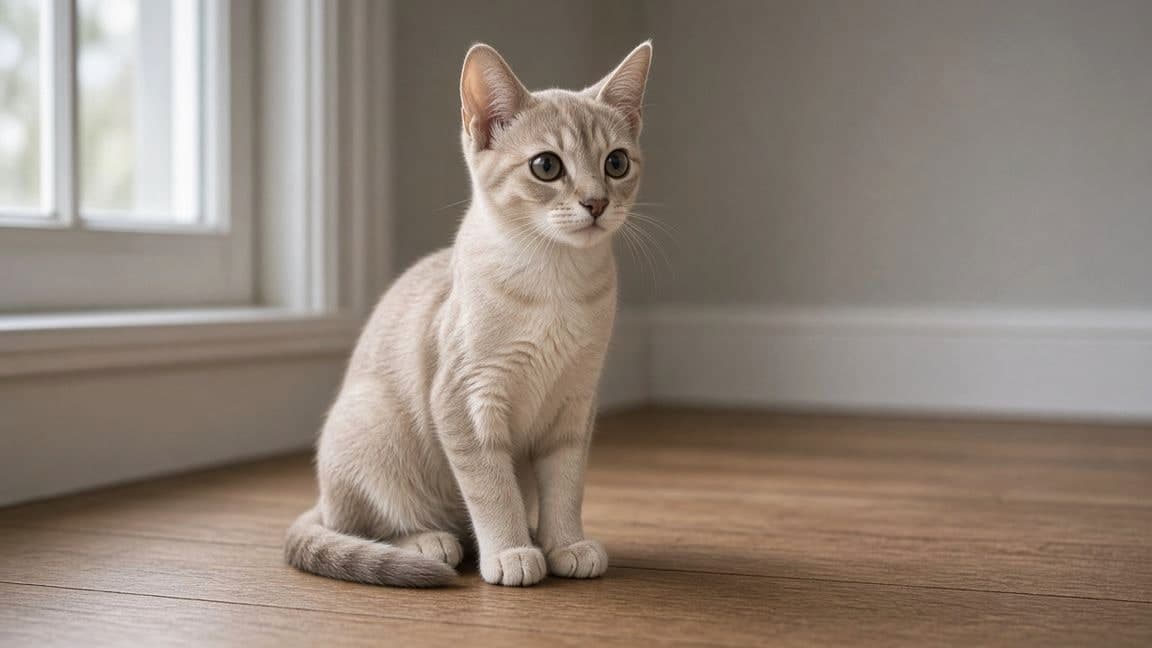
The Singapura is a small, lithe, muscular cat with a rounded head, noticeably large eyes and ears, and a short, silky coat in one colour only: old ivory ticked with sepia brown. It is acknowledged as the smallest breed of domestic cat. Singapuras are typically extrovert, intelligent and very affectionate, and like to help with whatever you are doing.
Key characteristics
General breed tendencies, not a prediction for an individual cat.
- Size
Small
A small, fine-boned cat.
- Coat length
Short
A short coat.
- Activity level
Lively
Lively and playful; needs daily play.
- Grooming
Minimal
An occasional brush is usually enough.
- Shedding
Low
Tends to shed little, though every cat sheds some hair.
- Vocal
Tends to be quiet
Usually a fairly quiet cat.
- Good with children
Older children
Usually better with older, calmer children.
- Good with other cats
Usually sociable
Usually enjoys the company of other cats.
- Good with dogs
Often fine
Often gets on with a cat-friendly dog.
- Suits first-time owners
Some experience helps
Some cat experience helps.
- Time alone
Prefers company
Prefers company and is best not left alone for long.
- Indoors and outdoors
Some outdoor space
Benefits from some safe outdoor space, such as a cat-proofed garden.
The breed is named after the Malaysian word for Singapore, where it is known as "Kucinta, the Love Cat". Its origins have been debated, and it has been suggested that it is a hybrid of Burmese and Abyssinian cats. The official account is that an American couple, Hal and Tommy Meadow, brought five ticked cats from Singapore to the United States in 1975. A further cat found at Singapore's SPCA in 1980 helped confirm that cats of this type lived on the city's streets. TICA granted the breed championship status in 1981 and the CFA in 1988. The first Singapura arrived in the UK in 1988.
The Singapura is still one of the rarest pedigree breeds, and the Governing Council of the Cat Fancy (GCCF) lists it as a minority breed.
Singapura temperament
Singapuras are often described as impish: curious, nosy and mischievous in a good-natured way. Expect a cat that sits on your paperwork or laptop, perches on your shoulder to watch what is going on, and pushes things off shelves. They are lively and stay playful throughout their lives.
They are friendly and affectionate with their family and familiar friends, though they can be a little aloof with strangers at first. Many are true lap cats that love warmth and will snuggle under the duvet. They have a soft, gentle voice. They are sensitive cats that find chaotic or loud households stressful.
Size and appearance
This is the smallest cat breed, with little size difference between the sexes. Adults typically weigh around 2 to 3 kg, and they do not reach full size until about two years of age. The body is of moderate build, lithe and muscular, with small oval feet and a slender tail with a blunt dark tip.
The coat is short, fine, silky and close-lying. Each hair has at least two bands of sepia ticking separated by lighter bands, while the muzzle, chest, stomach and inner legs are an unticked light ivory. "Cheetah" lines run from the inner corner of the eye towards the whisker pad. The large eyes are hazel, green or yellow, with a dark outline.
How active is the Singapura?
Singapuras are active and agile and need an enriched home. Climbing frames and extensive cat trees are vital, along with small spaces such as tunnels, tubes and boxes, which they enjoy snuggling into. Toys on strings and food-dispensing puzzle toys are usually popular. Keep shelves and worktops clear of small objects that could be pushed off.
Singapura grooming
The short, glossy coat needs little grooming, but most Singapuras enjoy it. A weekly comb-through is a good chance to bond and to check for wounds or parasites. A greasy coat can be a sign that a cat has stopped grooming itself, which may point to poor health.
Indoors and outdoors
Singapuras benefit from some outdoor space, ideally a secure cat run or "catio" with climbing branches and high platforms for sunbathing. They are too small, curious and agile to be left to roam freely, and may get into trouble, for example by climbing into delivery vans or visiting other people's homes. They do not thrive when left alone for long periods and suit homes where someone is around most of the time.
Living with a Singapura
Singapuras are usually good with respectful children and can suit most families, but they do best in a calmer home with older children who can respect a cat's space. Whatever the breed, young children should be supervised around cats and shown how to stroke them gently and let them walk away.
Children
Usually better with older, calmer children.
Other cats
Usually enjoys the company of other cats.
Dogs
Often gets on with a cat-friendly dog.
Indoors and outdoors
Benefits from some safe outdoor space.
Being left alone
Prefers company and is best not left alone for long.
First-time owners
Some cat experience helps.
Other cats and pets
Singapuras are usually accepting of other cats and friendly dogs.
Singapura health
Not yet reviewed by a vet. This is general information, not veterinary advice: speak to your vet about your own cat’s health.
The Singapura is generally described as a healthy breed, but its small foundation population raises some concerns.
Low genetic diversity
A 2007 DNA study found the Singapura had the least genetic diversity of the 22 breeds studied. In 2013 the GCCF Singapura Breed Advisory Committee approved an outcrossing programme to address this.
Pyruvate kinase deficiency
An inherited condition causing a form of anaemia, which can lead to lethargy, weakness and weight loss. A DNA test is available, and the GCCF advises checking that a kitten's parents have been tested.
Progressive retinal atrophy (PRA)
An inherited disorder in which part of the eye degenerates, which can lead to blindness. A DNA test is available.
Uterine inertia
Female Singapuras may be prone to uterine inertia during birth, which can mean a caesarean section is needed. Litters are usually small, of two or three kittens.
What health checks should you ask about?
Responsible breeders and rescues are happy to talk about health, and any pressure to decide quickly is a reason to walk away. Before taking a Singapura home, it is reasonable to ask about:
- Health testing of the parents. Ask which health tests the parents have had for conditions known in the breed, and to see the results.
- Veterinary and vaccination records. Kittens should have had a first vaccination and a vet check, with records you can take home.
- Microchip information. In England, cats must be microchipped and registered by 20 weeks old. Ask who the chip is registered to and how the transfer works.
- Registration paperwork. Registration papers, where they apply, record pedigree. They do not by themselves prove health or how a kitten was raised.
How much does a Singapura cost to own?
There are two costs: bringing a Singapura home, and looking after one well. Kitten prices depend on the breeder, health testing and demand; the adverts below show what sellers are asking today.
Ongoing costs are the ones new owners most often underestimate: food, insurance (which usually rises with age), routine vet care, vaccinations and parasite treatment, dental care, grooming, litter, scratching posts and toys, and a cattery or a sitter for holidays. Budget for the whole of the cat’s life, typically 9–15 years, not just the first year.
Buying a Singapura
If you have decided the Singapura suits your life, take the same care choosing where your cat comes from. Meet the kitten in person, see it with its mother, and look at how the litter is raised.
- Check who you are dealing with: every Mypetzilla advert shows the seller type and what we have checked.
- Ask about health testing, vaccinations and the microchip before you commit.
- Take your time. Do not be rushed by deposits or "last one left" stories.
- Meet in person before paying anything, and keep conversations on Mypetzilla.
Adopting a Singapura
Singapuras do come up for adoption, through rescue organisations, breed rescues and private rehoming, often because an owner’s circumstances have changed rather than any fault of the cat. An adult cat arrives as a known quantity: its size, coat and character are already on show.
Rescues will usually talk you through the cat’s history, any medical care, and the home it needs, including children, other animals and time alone. Be honest about your circumstances: a good rescue would rather place a cat once, well.
Singapuras looking for homes
Live from Mypetzilla, updated as pets are listed.
There are no Singapura adverts at the moment.
Find Singapura adverts for sale and for adoption on Mypetzilla now.
Similar breeds you may want to consider
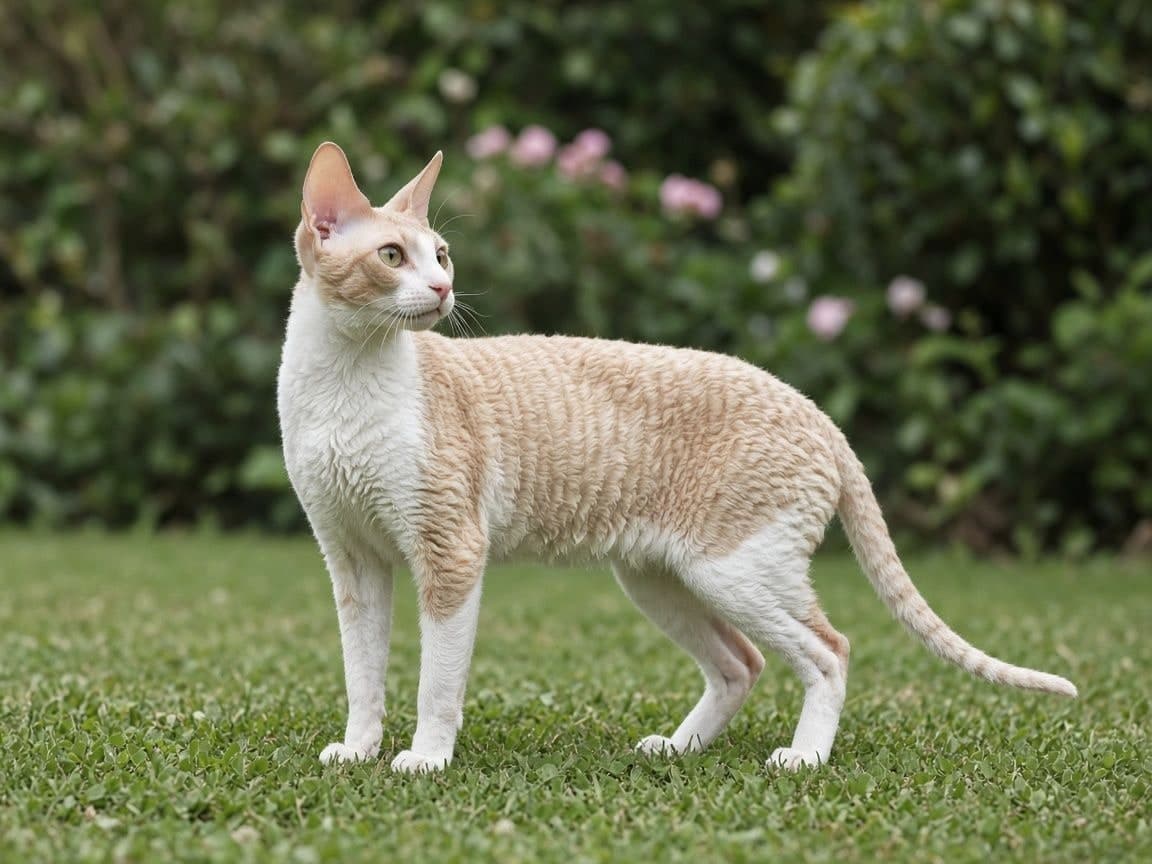
Cornish Rex
Sociable, affectionate, playful, intelligent, gentle, curious, adventurous and active.
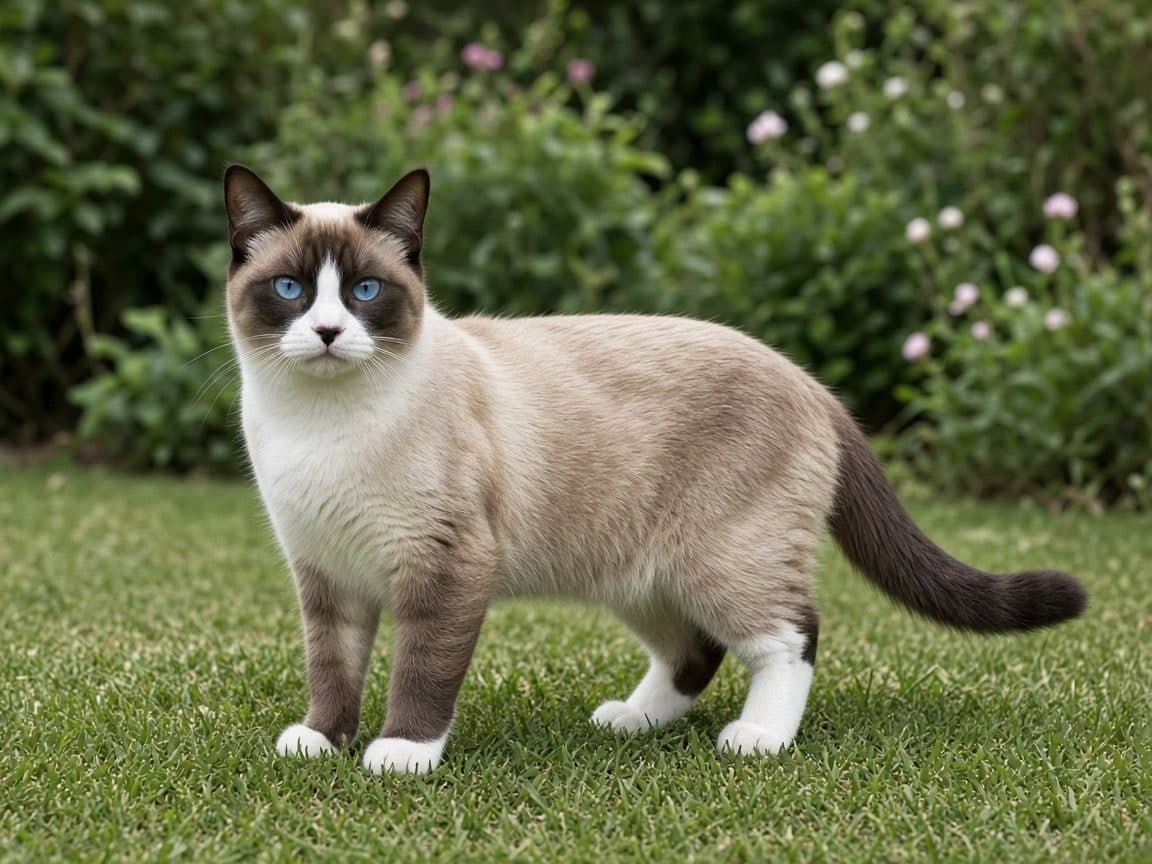
View breed guideSnowshoe
Inquisitive, active, intelligent, playful, curious, sociable and affectionate.
View breed guideKorat
Intelligent, lively, affectionate, playful, athletic, quiet, engaging and stubborn.
View breed guide
Singapura FAQs
Is the Singapura good with children?
Usually better with older, calmer children. Individual cats vary with breeding, upbringing and health, so ask about the cat you are considering.
Can the Singapura be an indoor cat?
Benefits from some safe outdoor space. Indoor cats need daily play, places to climb and scratch, and a window to watch from.
How active is the Singapura?
Lively and playful. Short play sessions every day help any cat stay fit and settled.
Does the Singapura shed?
Tends to shed little.
How much grooming does the Singapura need?
Typically: minimal: an occasional brush.
Can the Singapura be left alone?
Prefers company and is best not left alone for long. Every cat needs company, play and someone to check on it each day.
Is the Singapura a talkative cat?
Tends to be quiet. Individual cats vary with breeding, upbringing and health, so ask about the cat you are considering.
Does the Singapura get on with other cats?
Usually enjoys the company of other cats. Introduce cats slowly, with separate food, water, litter trays and resting places.
Is the Singapura good with dogs?
Often gets on with a cat-friendly dog. Individual cats vary with breeding, upbringing and health, so ask about the cat you are considering.
How long does the Singapura live?
Typically 9–15 years. Lifespan varies with genetics, weight, care and luck.
How big does the Singapura get?
Adults typically weigh 2–3 kg.