Korat at a glance
- Size
- Medium
- Weight
- 2.7–4.5 kg
- Life expectancy
- 15–18 years
Typical for the breed, not a promise about any one cat.
Is the Korat right for you?
Like every breed, the Korat is not the right fit for every home. Based on the breed’s typical traits:
May suit you if…
- You have, or would like, another cat.
- You have a calm, cat-friendly dog and can introduce them slowly.
- You would enjoy an active, playful cat and have time to play every day.
- You would like a cat that tends to be quiet.
Consider another breed if…
- The cat would regularly be alone for long working days.
- The cat would have to live indoors only.
- You have young children at home.
How would the Korat fit your lifestyle?
Choose a few details for a general, non-guaranteed view.
About the Korat
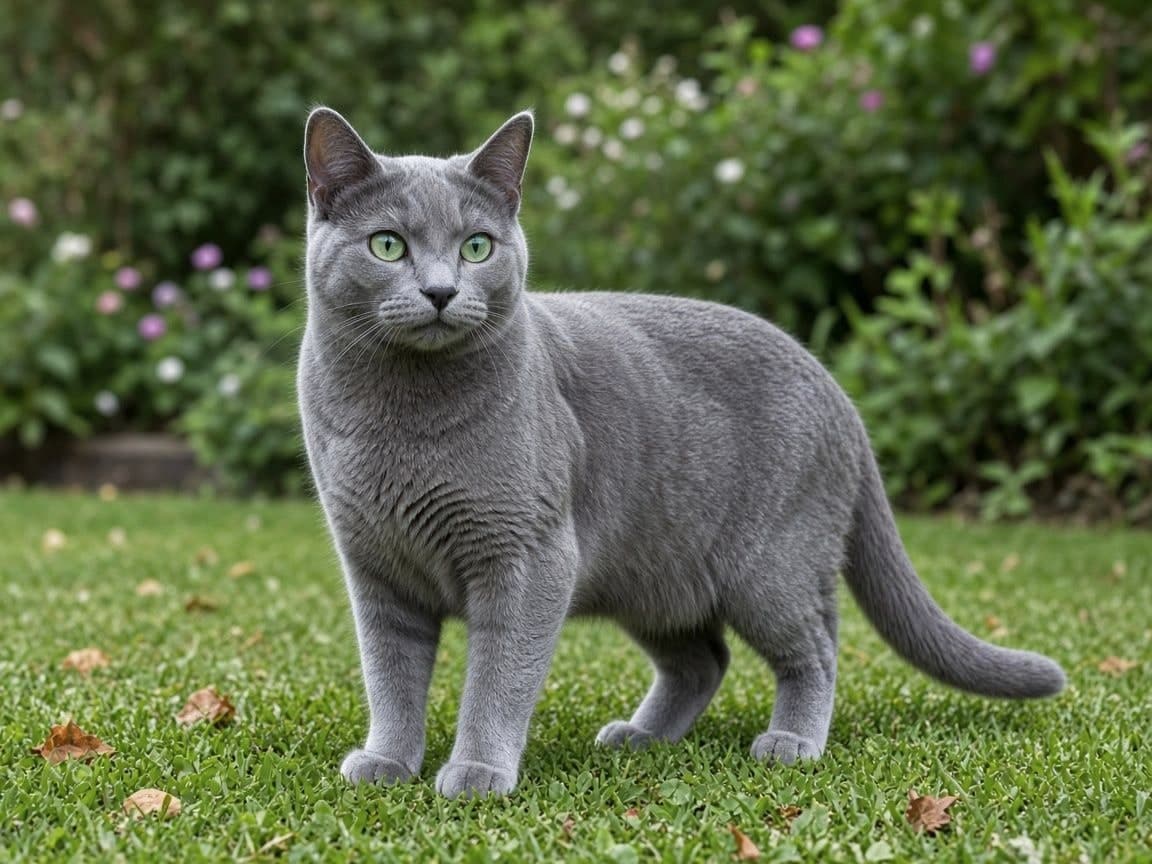
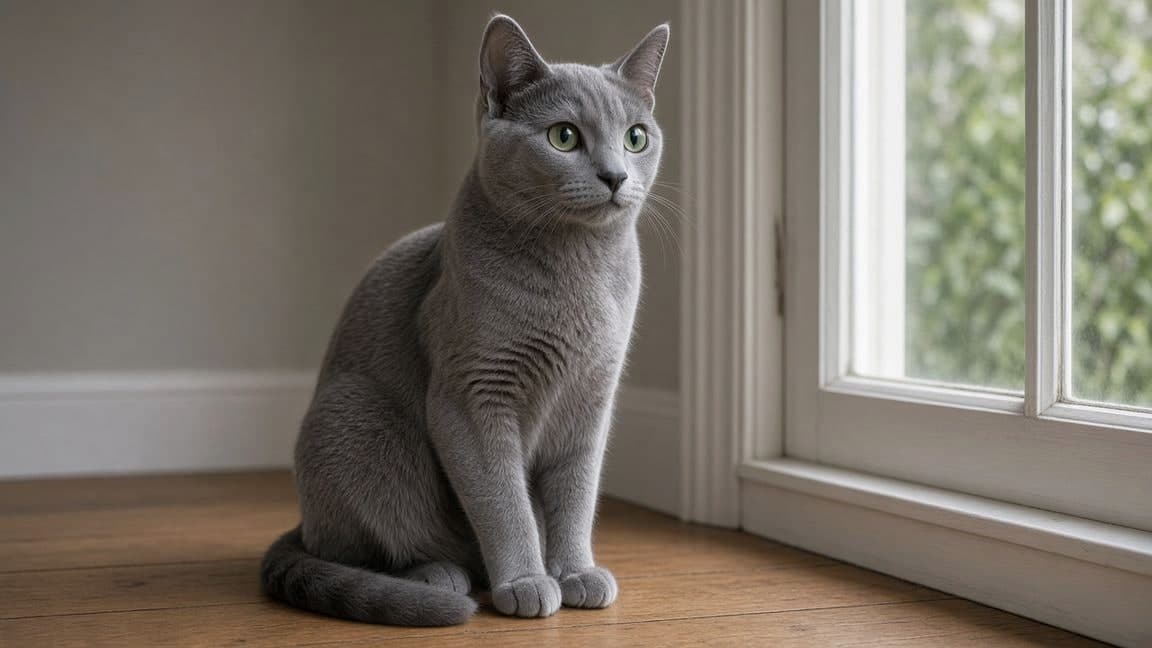
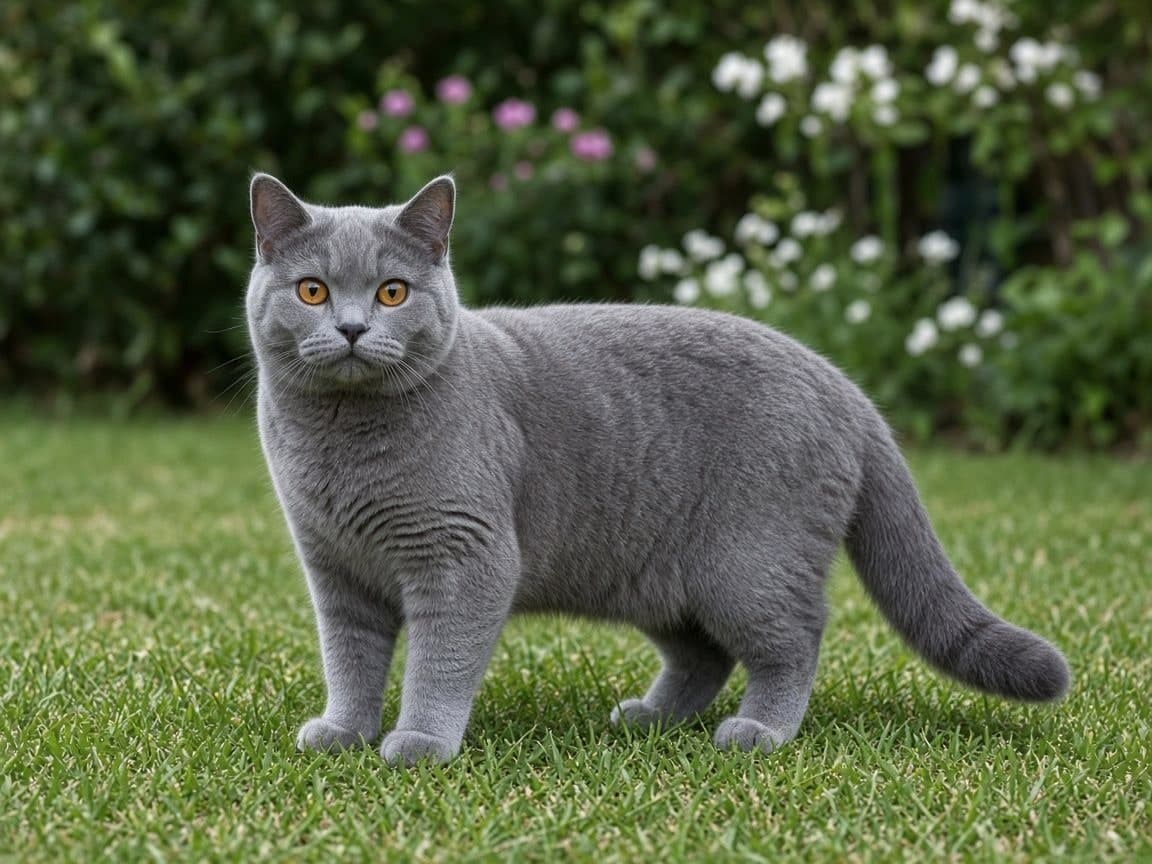
The Korat is a medium-sized, firm and muscular cat that is unusually heavy for its size. It has a heart-shaped face, large round-tipped ears and big, brilliant green eyes, and its short, glossy coat is blue tipped with silver. In Thailand it is called Si-Sawat, meaning greyish-blue, and it is sometimes known as the "blue cat with the Thai passport". Korats are typically intelligent, affectionate and playful, and form strong bonds with their family.
Key characteristics
General breed tendencies, not a prediction for an individual cat.
- Size
Medium
A mid-sized cat.
- Coat length
Short
A short coat.
- Activity level
Lively
Lively and playful; needs daily play.
- Grooming
Minimal
An occasional brush is usually enough.
- Shedding
Low
Tends to shed little, though every cat sheds some hair.
- Vocal
Tends to be quiet
Usually a fairly quiet cat.
- Good with children
Older children
Usually better with older, calmer children.
- Good with other cats
Usually sociable
Usually enjoys the company of other cats.
- Good with dogs
Often fine
Often gets on with a cat-friendly dog.
- Suits first-time owners
Some experience helps
Some cat experience helps.
- Time alone
Prefers company
Prefers company and is best not left alone for long.
- Indoors and outdoors
Outdoor access
Usually happier with access outdoors.
The Korat is a natural breed with a history going back centuries. It appears in the Thai Cat-Book of Poems, produced between 1350 and 1767, among the seventeen "good luck" cats of Thailand, and the illustrations show that it has changed little since. Its name comes from the Korat province. It is regarded as a symbol of good fortune and is still part of ceremonies to bring rain for the rice crop. A Korat was a traditional wedding gift and was once never sold, only given.
The first Korats in the West were a pair imported to the USA in 1959, and all Korats in the West today trace back to imports from Thailand. The first Korats arrived in the UK in 1972, and the GCCF granted Championship status in 1984. The GCCF lists it as a minority, or rare, breed.
Korat temperament
Korats are very intelligent and thrive on companionship and affection. They like to follow their owners around and "help" with whatever is going on, usually in an unobtrusive way, and will then settle on a lap for some quiet time together. They are good problem solvers, and Purina notes they can learn to open containers and cupboard doors.
They are generally quiet cats and prefer a quiet home. They can be possessive with their toys and stubborn about their likes and dislikes. They do not like being left alone or ignored, and long periods alone can lead to separation anxiety.
Size and appearance
The Korat is medium-sized, at around 2.7–4.5 kg. Females are smaller and daintier than males, which are medium boned and powerful. Korats mature slowly and reach full physical development at about four years old.
The single coat is short to medium in length, fine and glossy, and lies close to the body. Korats come in one colour only: blue, tipped with silver. Kittens are silver-blue from birth, may show faint tabby markings that fade, and develop full silver tipping at around two years. The large green eyes can also take up to two years to reach their final colour.
How active is the Korat?
Korats are athletic and quite high energy, and enjoy playtime. They particularly like "fishing" games with a toy on a string, and can learn to chase and retrieve thrown toys and to do tricks. Food-dispensing toys that mimic hunting, together with cat trees, climbing gyms and areas for climbing, help keep them entertained.
Korat grooming
The fine single coat needs very little grooming, and Korats moult very little. Many enjoy a gentle brush or comb, combined with stroking the fur smooth; Purina suggests a quick brush through once a week. A greasy coat can be a sign that a cat has stopped grooming itself and may be unwell.
Indoors and outdoors
Korats enjoy time outdoors, but their safety comes first. They are so keen on hunting and play, and so friendly, that letting one out unsupervised is a risk. A cat-proofed garden or a large built-in cat run gives room to play, climb and sunbathe safely, and Korats can also be trained to walk on a harness.
They do best in a home where someone is around most of the time, as they do not like to be left alone for long.
Living with a Korat
Korats are usually fine with respectful older children, and enjoy playing and learning tricks. Like most cats, they do not enjoy being handled by very small children, and Purina does not consider them ideal for family homes.
Whatever the breed, young children should be supervised around cats and shown how to stroke them gently and let them walk away.
Children
Usually better with older, calmer children.
Other cats
Usually enjoys the company of other cats.
Dogs
Often gets on with a cat-friendly dog.
Indoors and outdoors
Usually happier with access outdoors.
Being left alone
Prefers company and is best not left alone for long.
First-time owners
Some cat experience helps.
Other cats and pets
Like other cats of Asian origin, Korats tend to prefer the company of other Korats. They usually get along with other cats and with dogs, but expect to be top of the pecking order. They enjoy company, so they may form close friendships with other pets in the family.
Korat health
Not yet reviewed by a vet. This is general information, not veterinary advice: speak to your vet about your own cat’s health.
Purina describes the Korat as a generally healthy breed, and the GCCF calls it a long-lived breed. Many reach their late teens and a few live past 20. UK breeders use DNA testing to keep the known inherited conditions out of the breed.
Gangliosidosis (GM1 and GM2)
An inherited disease that affects the nervous system and kills affected kittens before their first birthday. Korats were the first breed to be DNA screened for both forms. All UK lines were tested in 1998 and found clear, and since then every GCCF-registered Korat has been tested or has parents known to be clear.
Atherosclerosis
In 2025 Korats were found to carry a recessive gene causing atherosclerosis, a progressive disease in which cholesterol builds up on artery walls and leads to heart failure. A genetic test became available in 2025, and breeders are testing breeding cats so that no kittens are born at risk.
Anaesthesia and low body fat
Korats usually have a low percentage of body fat. The GCCF notes that vets should take this into account when choosing how much and what type of anaesthetic to give.
What health checks should you ask about?
Responsible breeders and rescues are happy to talk about health, and any pressure to decide quickly is a reason to walk away. Before taking a Korat home, it is reasonable to ask about:
- Health testing of the parents. Ask which health tests the parents have had for conditions known in the breed, and to see the results.
- Veterinary and vaccination records. Kittens should have had a first vaccination and a vet check, with records you can take home.
- Microchip information. In England, cats must be microchipped and registered by 20 weeks old. Ask who the chip is registered to and how the transfer works.
- Registration paperwork. Registration papers, where they apply, record pedigree. They do not by themselves prove health or how a kitten was raised.
How much does a Korat cost to own?
There are two costs: bringing a Korat home, and looking after one well. Kitten prices depend on the breeder, health testing and demand; the adverts below show what sellers are asking today.
Ongoing costs are the ones new owners most often underestimate: food, insurance (which usually rises with age), routine vet care, vaccinations and parasite treatment, dental care, grooming, litter, scratching posts and toys, and a cattery or a sitter for holidays. Budget for the whole of the cat’s life, typically 15–18 years, not just the first year.
Buying a Korat
If you have decided the Korat suits your life, take the same care choosing where your cat comes from. Meet the kitten in person, see it with its mother, and look at how the litter is raised.
- Check who you are dealing with: every Mypetzilla advert shows the seller type and what we have checked.
- Ask about health testing, vaccinations and the microchip before you commit.
- Take your time. Do not be rushed by deposits or "last one left" stories.
- Meet in person before paying anything, and keep conversations on Mypetzilla.
Adopting a Korat
Korats do come up for adoption, through rescue organisations, breed rescues and private rehoming, often because an owner’s circumstances have changed rather than any fault of the cat. An adult cat arrives as a known quantity: its size, coat and character are already on show.
Rescues will usually talk you through the cat’s history, any medical care, and the home it needs, including children, other animals and time alone. Be honest about your circumstances: a good rescue would rather place a cat once, well.
Korats looking for homes
Live from Mypetzilla, updated as pets are listed.
There are no Korat adverts at the moment.
Find Korat adverts for sale and for adoption on Mypetzilla now.
Similar breeds you may want to consider
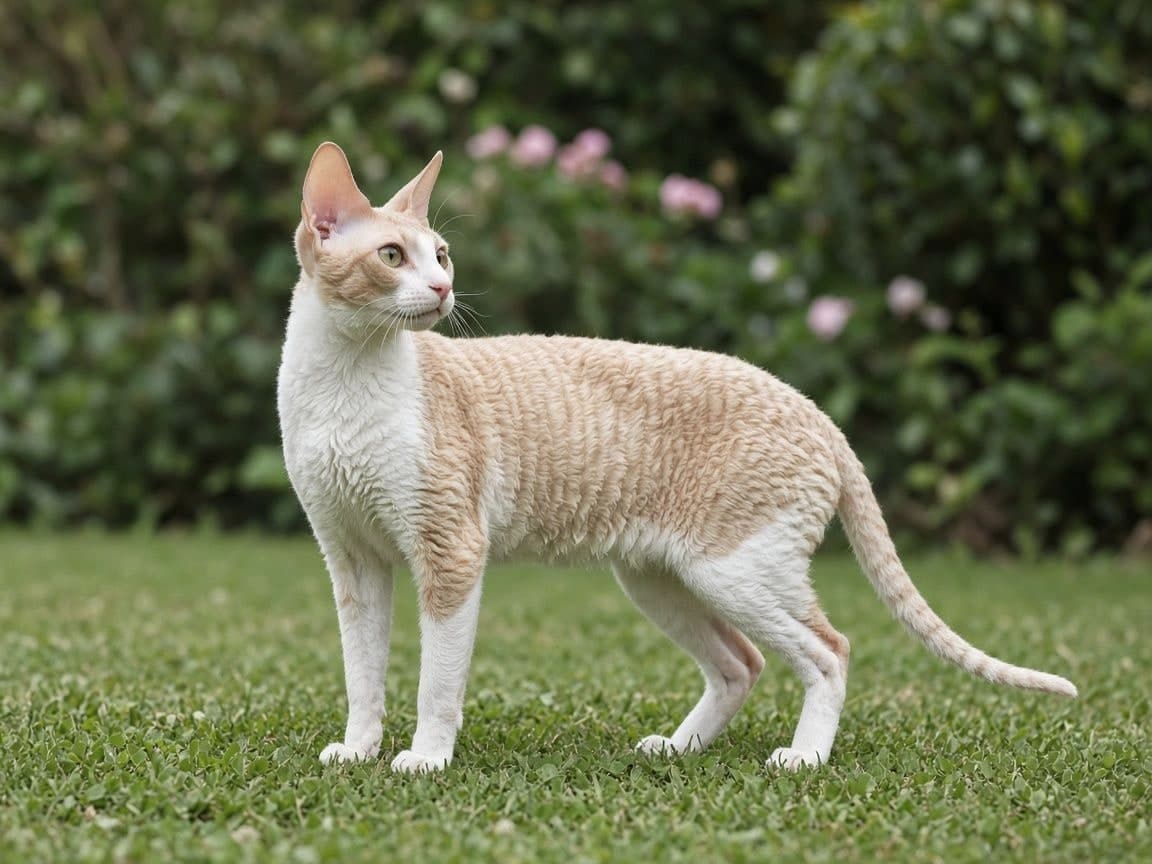
Cornish Rex
Sociable, affectionate, playful, intelligent, gentle, curious, adventurous and active.
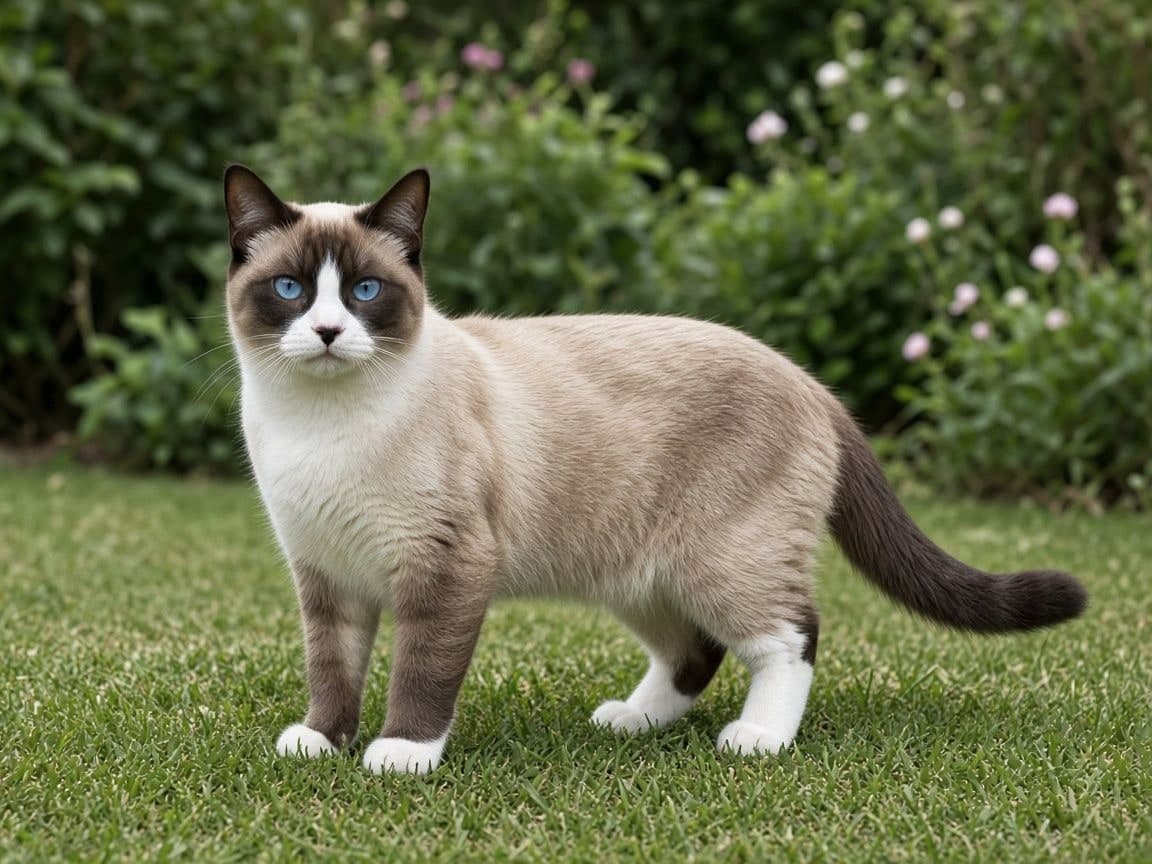
View breed guideSnowshoe
Inquisitive, active, intelligent, playful, curious, sociable and affectionate.
View breed guideBritish Shorthair
Patient, tolerant, relaxed, affectionate, loyal, playful, calm and easygoing.
View breed guide
Korat FAQs
Is the Korat good with children?
Usually better with older, calmer children. Individual cats vary with breeding, upbringing and health, so ask about the cat you are considering.
Can the Korat be an indoor cat?
Usually happier with access outdoors. Indoor cats need daily play, places to climb and scratch, and a window to watch from.
How active is the Korat?
Lively and playful. Short play sessions every day help any cat stay fit and settled.
Does the Korat shed?
Tends to shed little.
How much grooming does the Korat need?
Typically: minimal: an occasional brush.
Can the Korat be left alone?
Prefers company and is best not left alone for long. Every cat needs company, play and someone to check on it each day.
Is the Korat a talkative cat?
Tends to be quiet. Individual cats vary with breeding, upbringing and health, so ask about the cat you are considering.
Does the Korat get on with other cats?
Usually enjoys the company of other cats. Introduce cats slowly, with separate food, water, litter trays and resting places.
Is the Korat good with dogs?
Often gets on with a cat-friendly dog. Individual cats vary with breeding, upbringing and health, so ask about the cat you are considering.
How long does the Korat live?
Typically 15–18 years. Lifespan varies with genetics, weight, care and luck.
How big does the Korat get?
Adults typically weigh 2.7–4.5 kg.