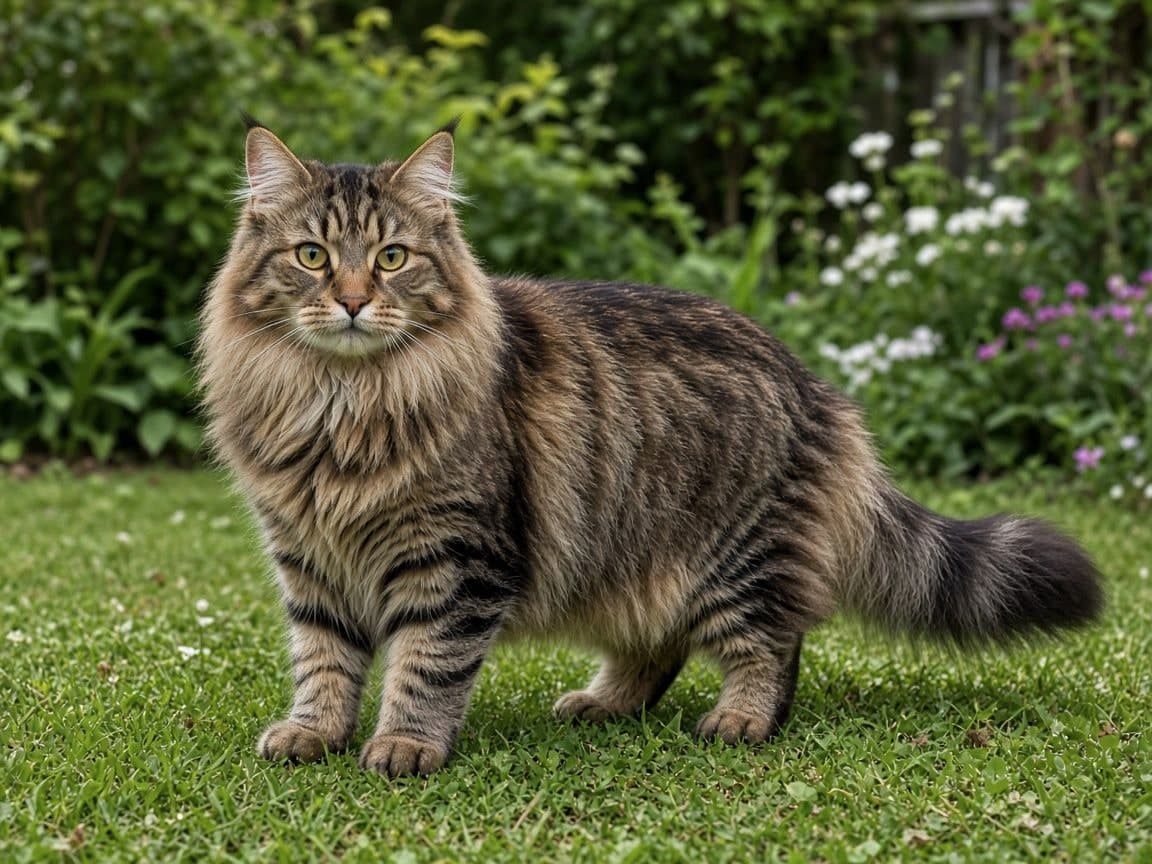
Siberian at a glance
- Size
- Large
- Weight
- 3.5–7.5 kg
- Life expectancy
- 12–15 years
Typical for the breed, not a promise about any one cat. Not assessed yet: Other cats.
Is the Siberian right for you?
Like every breed, the Siberian is not the right fit for every home. Based on the breed’s typical traits:
May suit you if…
- You have children and can supervise them with the cat.
- This would be your first cat and you are ready to learn.
- You have a calm, cat-friendly dog and can introduce them slowly.
- You are out at work for part of the day.
Consider another breed if…
- The cat would have to live indoors only.
- You cannot commit to daily grooming.
- You would find a lot of cat hair hard to live with.
- You would like a calm, laid-back cat.
How would the Siberian fit your lifestyle?
Choose a few details for a general, non-guaranteed view.
About the Siberian
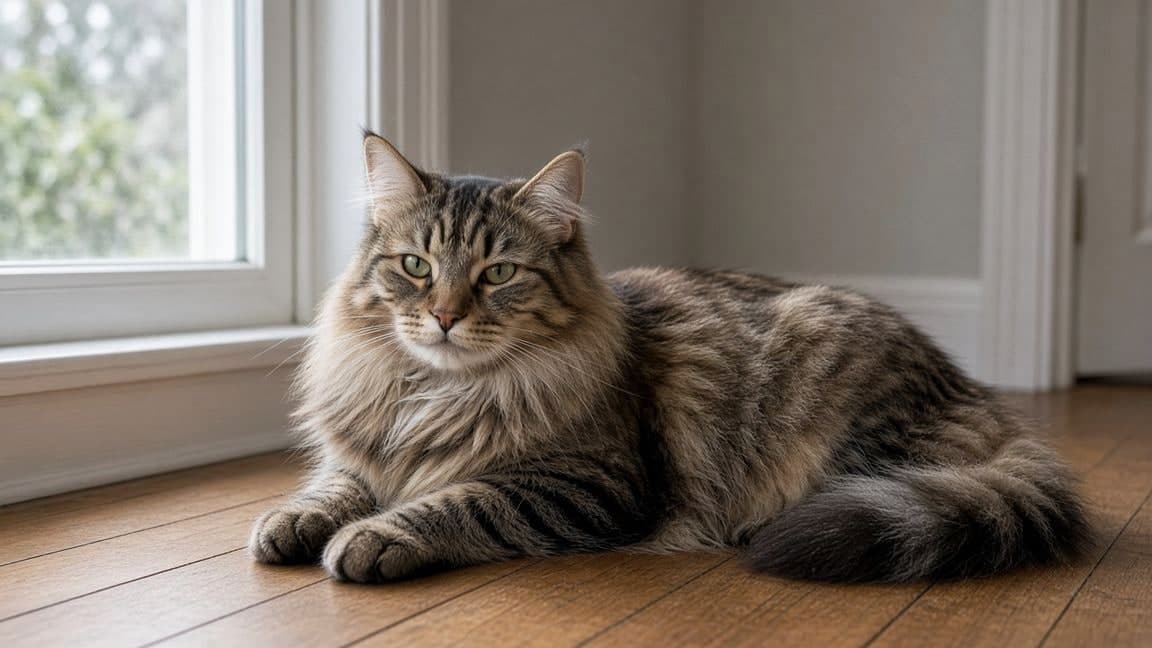
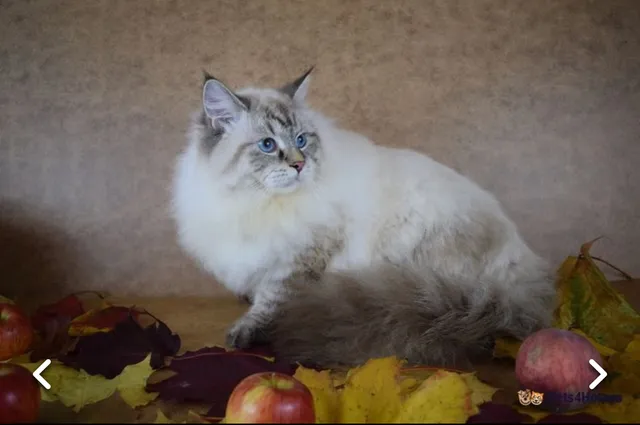
The Siberian is a strong, powerfully built semi-longhaired cat with a barrel-shaped body, heavily boned legs and large paws. Its thick, weatherproof coat reflects its origins as a natural outdoor cat. For all its strength, it is typically a gentle, fun-loving cat that enjoys playing and clowning around with its family, with a sweet, chirruping voice and an impressive purr.
Key characteristics
General breed tendencies, not a prediction for an individual cat.
- Size
Large
Among the largest cat breeds.
- Coat length
Semi-long
A semi-long coat.
- Activity level
Very active
Very active; needs plenty of play and things to climb.
- Grooming
Daily
The coat usually needs combing every day to prevent mats.
- Shedding
High
Tends to shed a lot, so expect hair around the home.
- Vocal
Tends to be quiet
Usually a fairly quiet cat.
- Good with children
Often good
Often good with children, with supervision.
- Good with other cats
Not assessed yet
Our sources do not say enough yet.
- Good with dogs
Often fine
Often gets on with a cat-friendly dog.
- Suits first-time owners
Often
Often suits first-time cat owners.
- Time alone
Copes alone
Often copes well alone during the day.
- Indoors and outdoors
Outdoor access
Usually happier with access outdoors.
The Siberian is a landrace, or natural variety of domestic cat, from Siberia, and is the national cat of Russia. It is also known as the Siberian Forest Cat or Moscow Longhair. In its homeland it lived largely as a farm cat controlling rodents, but was also valued as a loyal family pet, and it appears in Russian fairy tales. Siberian-type cats have been documented since as early as 1000 AD, and Harrison Weir mentioned the breed in his 1889 book "Our Cats and All About Them".
In the 1980s the Kotofei Cat Club in Moscow created the first breed standard. After the end of the Cold War, Siberians were exported, first to the United States in 1990. The breed arrived officially in the UK in 2002 and has quickly become popular: it is now the 10th most popular breed by registrations with the Governing Council of the Cat Fancy (GCCF).
Siberian temperament
Siberians are usually energetic, intelligent and incredibly inquisitive, and like to be involved in everything going on in the home. Many are fascinated by water, from dripping taps to garden ponds. They are often described as having dog-like traits: they are quick to learn, some enjoy playing fetch, and they can be taught to walk on a lead.
They are typically extremely loyal and affectionate with their family, though they can be a little aloof with strangers at first. Despite their energy, they are usually caring, gentle and patient, and independent where necessary.
Size and appearance
This is a medium to large, heavily built cat with a broad chest, a short, substantial neck and a thick tail. Purina gives a typical weight of 3.5 to 7.5 kg, while the GCCF describes much heavier cats, with males weighing up to 26 lbs. Females are usually smaller than males. The breed matures slowly, taking four to five years to reach full development.
The semi-long coat has a very dense, soft undercoat beneath a coarser topcoat, with a substantial ruff. It grows thicker and longer in winter and lighter in summer. Siberians come in a wide variety of colours and patterns, including colourpoint, and may have bold white markings. The eyes are large and slightly oval.
How active is the Siberian?
Siberians are highly active and agile despite their size, with strong hindquarters that let them jump exceptionally high. They are usually always ready for a game. Hunting-style play and food-dispensing puzzle toys give an outlet for their chasing and catching instincts and help keep this large, athletic cat fit.
Siberian grooming
The thick coat needs regular care or it will mat. Combing thoroughly but gently with a steel comb a few times a week usually prevents this, and both sources class the breed as needing daily grooming overall. Siberians shed heavily twice a year, losing the winter coat in spring and the summer coat in autumn, and may need combing every day during these moults.
Indoors and outdoors
The Siberian is well equipped for outdoor life, so a secure garden or outdoor run that it can reach directly from the house is recommended, with tree branches, platforms at different heights, tunnels and scratching posts. It is not safe to let a Siberian roam, as these large, striking cats are a high theft risk and their curiosity can lead them into neighbours' homes. Lead walking can help where there is no secure outdoor space.
Purina suggests Siberians can be left alone during the day, but they love their family and suit homes where people are around in the mornings, evenings and at weekends.
Living with a Siberian
The GCCF describes the Siberian's mix of playfulness and patience as ideal for families with young children. Purina considers it a great family cat but better suited to homes with older children, as a thick coat can tempt very young children to treat it like a teddy bear, which it will not tolerate for long. Whatever the breed, young children should be supervised around cats and shown how to stroke them gently and let them walk away.
Children
Often good with children, with supervision.
Dogs
Often gets on with a cat-friendly dog.
Indoors and outdoors
Usually happier with access outdoors.
Being left alone
Often copes well alone during the day.
First-time owners
Often suits first-time cat owners.
Other cats and pets
Siberians have been found to mix well with other animals, including dogs.
Siberian health
Not yet reviewed by a vet. This is general information, not veterinary advice: speak to your vet about your own cat’s health.
The Siberian is generally a healthy breed. It reaches reproductive maturity earlier than most breeds, so the GCCF advises booking a kitten in with your vet for neutering if the breeder has not already done so.
Hypertrophic cardiomyopathy (HCM)
The most common form of heart disease in cats, in which the heart muscle becomes abnormally thick and cannot pump effectively. Cases have been recorded in the breed.
Pyruvate kinase deficiency
An inherited disease that causes anaemia through the loss of red blood cells. A DNA test is available.
Polycystic kidney disease (PKD)
An inherited condition in which cysts form in the kidneys and can eventually lead to kidney failure. The risk is lower in this breed than in some others. A DNA test is available.
What health checks should you ask about?
Responsible breeders and rescues are happy to talk about health, and any pressure to decide quickly is a reason to walk away. Before taking a Siberian home, it is reasonable to ask about:
- Health testing of the parents. Ask which health tests the parents have had for conditions known in the breed, and to see the results.
- Veterinary and vaccination records. Kittens should have had a first vaccination and a vet check, with records you can take home.
- Microchip information. In England, cats must be microchipped and registered by 20 weeks old. Ask who the chip is registered to and how the transfer works.
- Registration paperwork. Registration papers, where they apply, record pedigree. They do not by themselves prove health or how a kitten was raised.
How much does a Siberian cost to own?
There are two costs: bringing a Siberian home, and looking after one well. Kitten prices depend on the breeder, health testing and demand; the adverts below show what sellers are asking today.
Ongoing costs are the ones new owners most often underestimate: food, insurance (which usually rises with age), routine vet care, vaccinations and parasite treatment, dental care, grooming, litter, scratching posts and toys, and a cattery or a sitter for holidays. Budget for the whole of the cat’s life, typically 12–15 years, not just the first year.
Buying a Siberian
If you have decided the Siberian suits your life, take the same care choosing where your cat comes from. Meet the kitten in person, see it with its mother, and look at how the litter is raised.
- Check who you are dealing with: every Mypetzilla advert shows the seller type and what we have checked.
- Ask about health testing, vaccinations and the microchip before you commit.
- Take your time. Do not be rushed by deposits or "last one left" stories.
- Meet in person before paying anything, and keep conversations on Mypetzilla.
Adopting a Siberian
Siberians do come up for adoption, through rescue organisations, breed rescues and private rehoming, often because an owner’s circumstances have changed rather than any fault of the cat. An adult cat arrives as a known quantity: its size, coat and character are already on show.
Rescues will usually talk you through the cat’s history, any medical care, and the home it needs, including children, other animals and time alone. Be honest about your circumstances: a good rescue would rather place a cat once, well.
Siberians looking for homes
Live from Mypetzilla, updated as pets are listed.
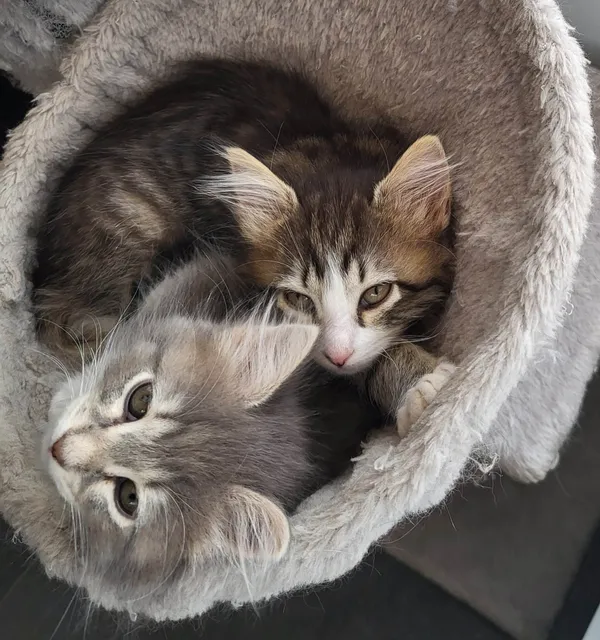
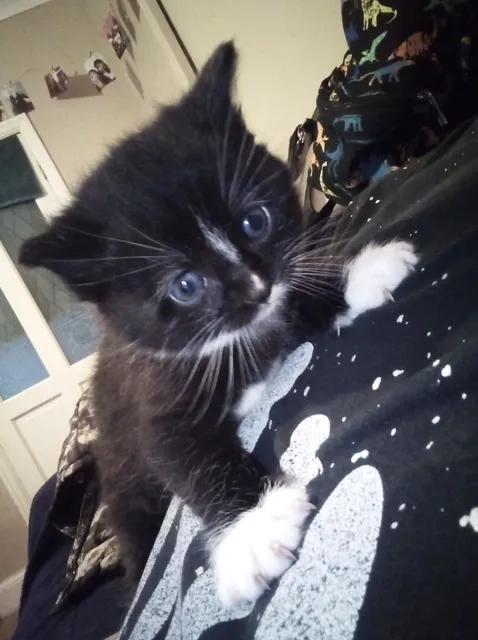
Find Siberian adverts for sale and for adoption on Mypetzilla now.
Similar breeds you may want to consider
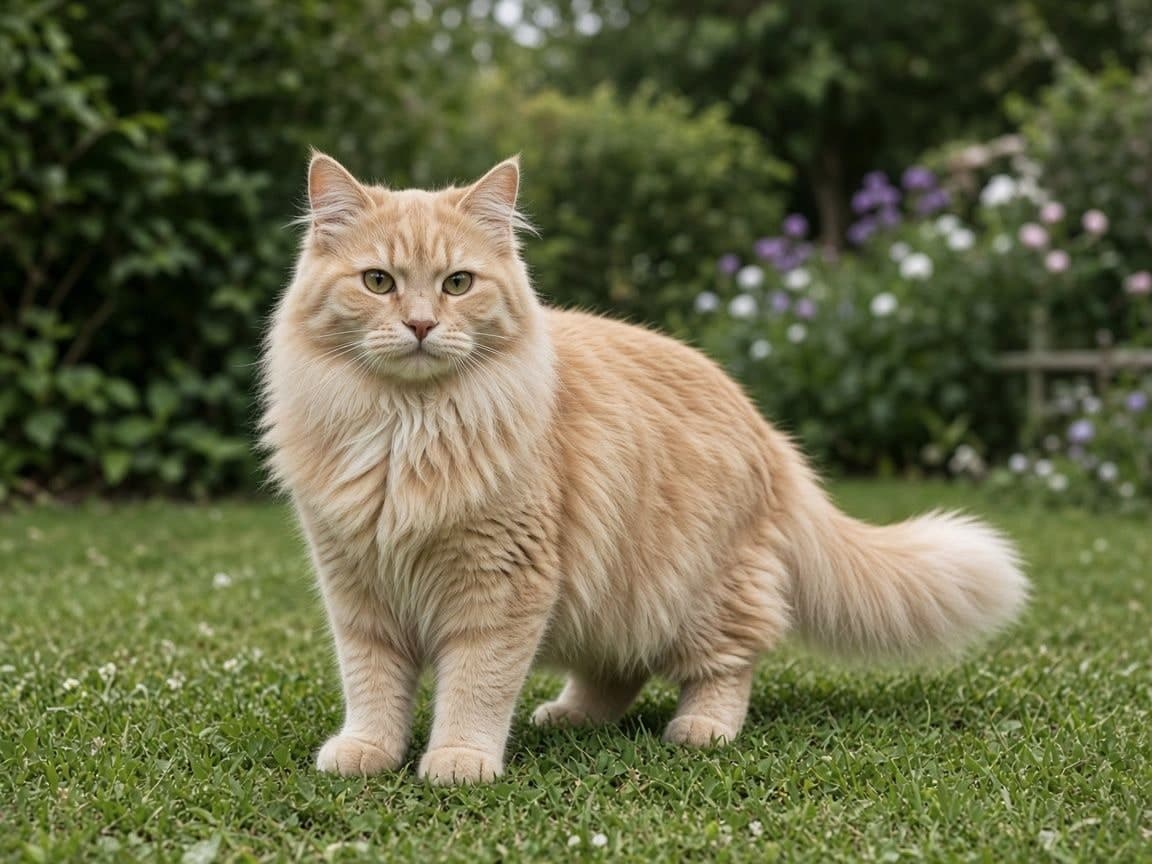
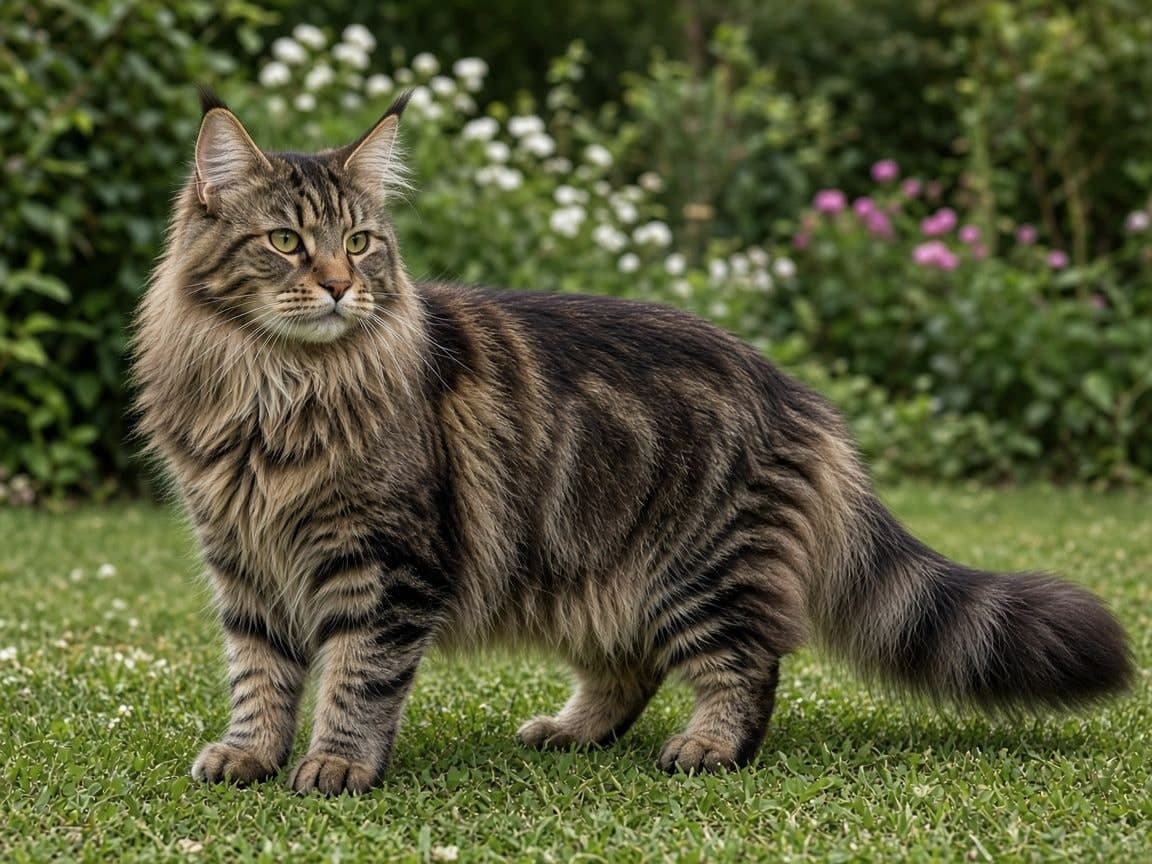
RagaMuffin
Docile, affectionate, cuddly, calm, playful, friendly, intelligent and patient.
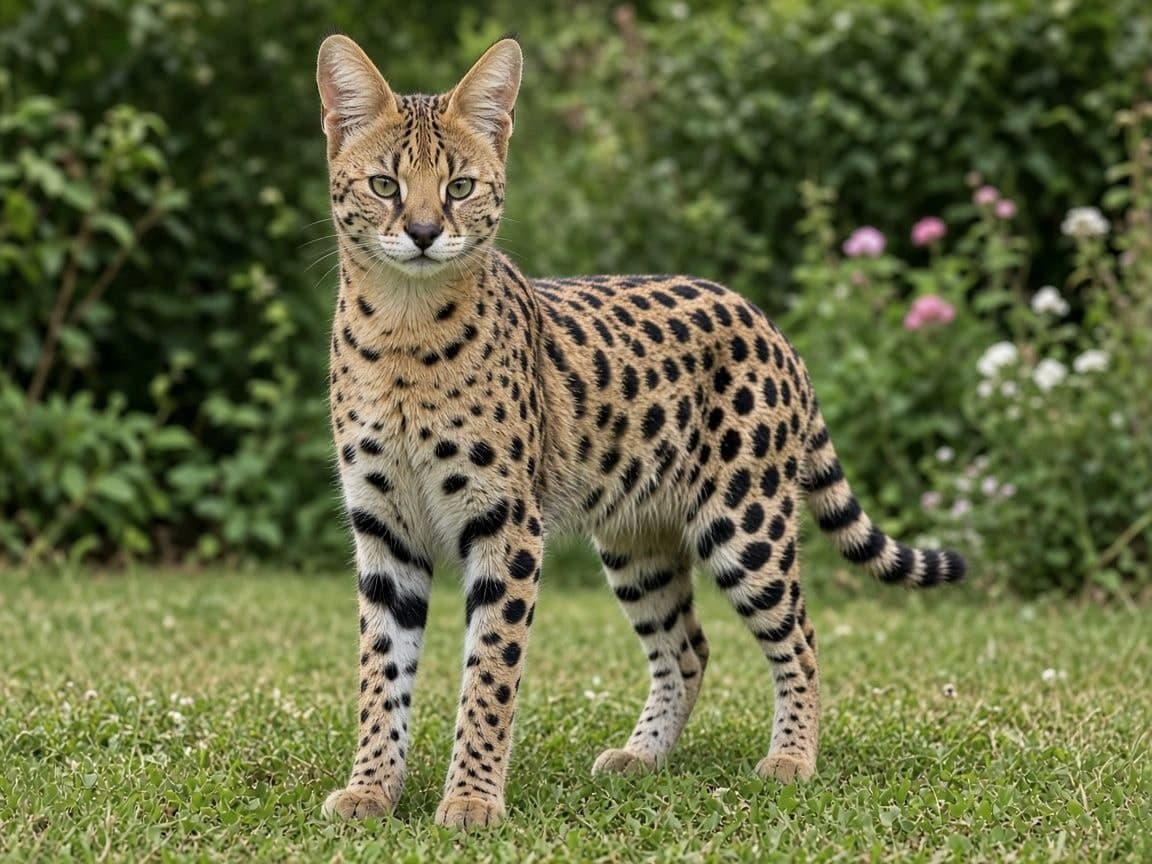
View breed guideSavannah
Inquisitive, independent, friendly, athletic, intelligent, active and territorial.
View breed guide
Siberian FAQs
Is the Siberian good with children?
Often good with children, with supervision. Individual cats vary with breeding, upbringing and health, so ask about the cat you are considering.
Can the Siberian be an indoor cat?
Usually happier with access outdoors. Indoor cats need daily play, places to climb and scratch, and a window to watch from.
How active is the Siberian?
Very active and usually keen to play. Short play sessions every day help any cat stay fit and settled.
Does the Siberian shed?
Tends to shed a lot.
How much grooming does the Siberian need?
Typically: daily.
Can the Siberian be left alone?
Often copes well alone during the day. Every cat needs company, play and someone to check on it each day.
Is the Siberian a talkative cat?
Tends to be quiet. Individual cats vary with breeding, upbringing and health, so ask about the cat you are considering.
Is the Siberian good with dogs?
Often gets on with a cat-friendly dog. Individual cats vary with breeding, upbringing and health, so ask about the cat you are considering.
How long does the Siberian live?
Typically 12–15 years. Lifespan varies with genetics, weight, care and luck.
How big does the Siberian get?
Adults typically weigh 3.5–7.5 kg.