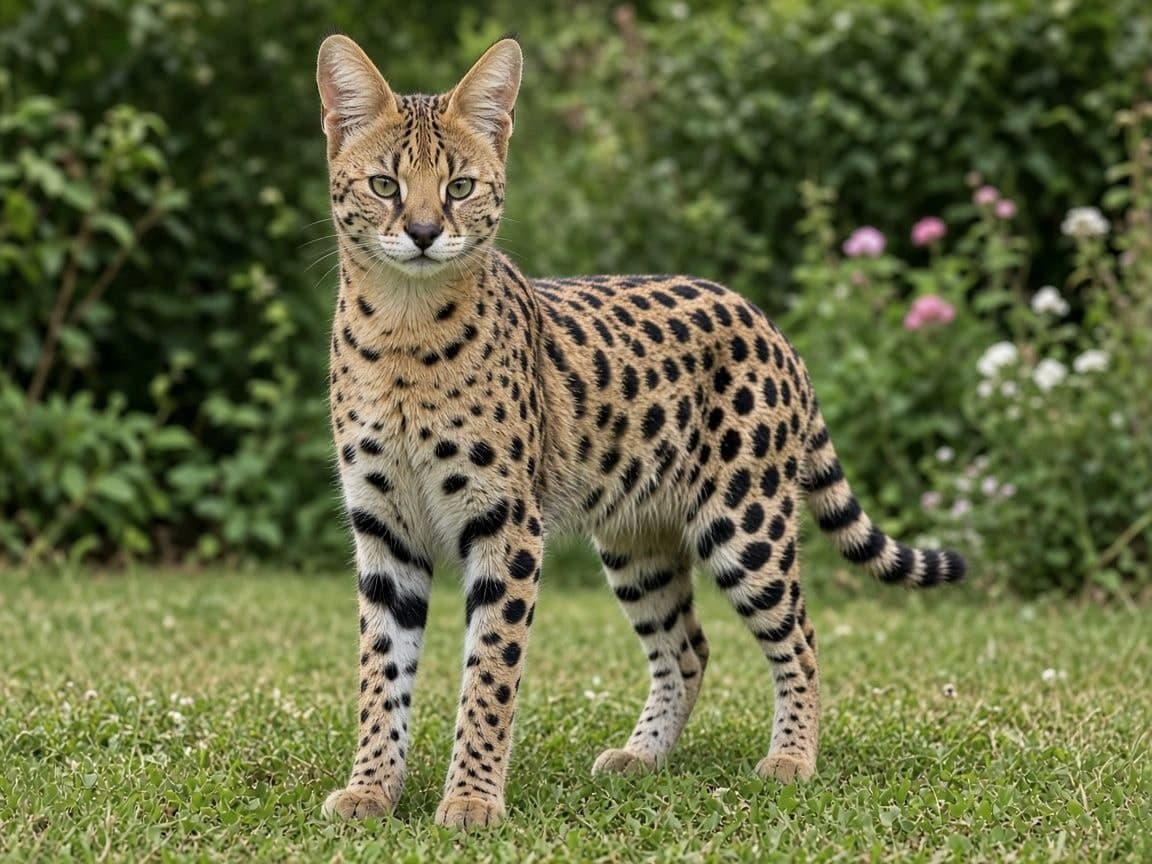
Savannah at a glance
- Size
- Large
- Weight
- 3.5–9 kg
- Life expectancy
- 17–20 years
Typical for the breed, not a promise about any one cat. Not assessed yet: Coat, Other cats.
Is the Savannah right for you?
Like every breed, the Savannah is not the right fit for every home. Based on the breed’s typical traits:
May suit you if…
- You would enjoy an active, playful cat and have time to play every day.
- You would like a coat that is fairly easy to look after.
Consider another breed if…
- The cat would regularly be alone for long working days.
- The cat would have to live indoors only.
- You have children at home.
- This would be your first cat.
How would the Savannah fit your lifestyle?
Choose a few details for a general, non-guaranteed view.
About the Savannah
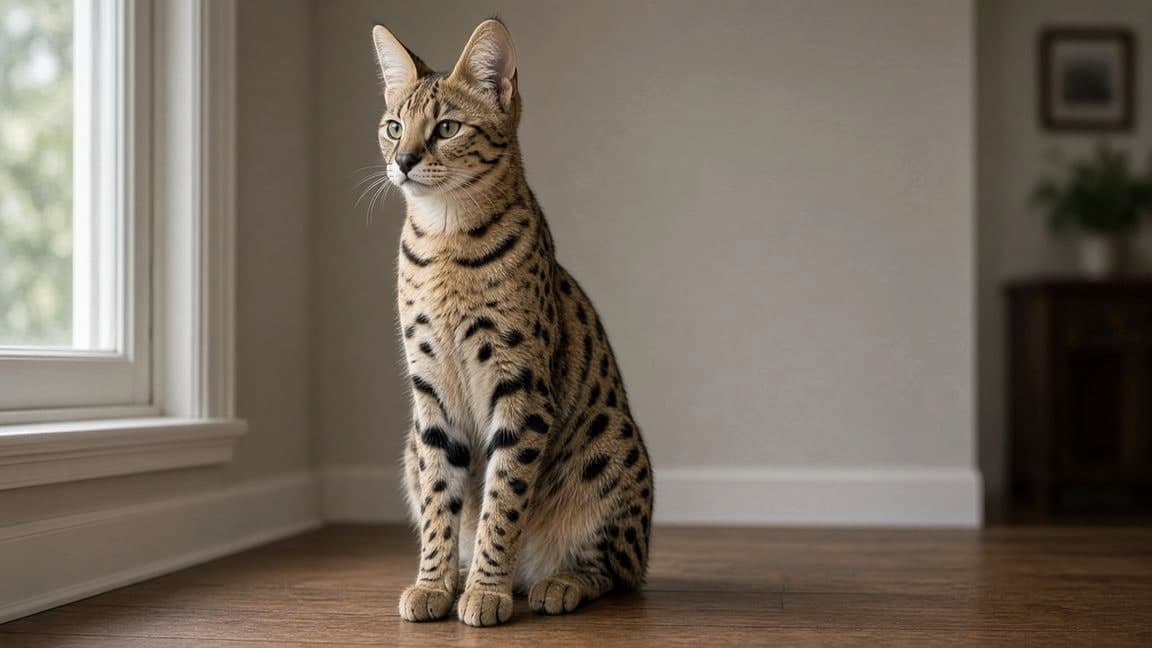
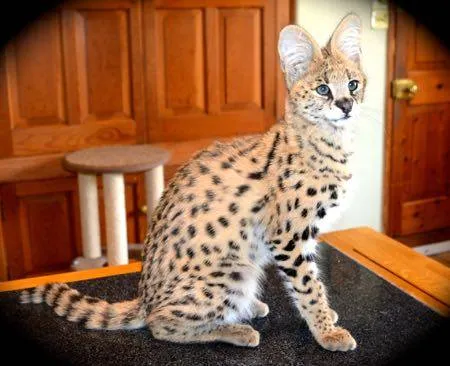
The Savannah is a hybrid cat, produced by crossing domestic cats with the serval, a medium-sized wild African cat with large ears and striking markings. It is tall, slim and long-legged, with large upright ears and a bold spotted coat, and is typically very active, inquisitive and intelligent. Because it keeps some wild genes, it can have strong predatory instincts and can be territorial with people and other pets.
Key characteristics
General breed tendencies, not a prediction for an individual cat.
- Size
Large
Among the largest cat breeds.
- Coat length
Not assessed yet
Our sources do not say enough yet.
- Activity level
Very active
Very active; needs plenty of play and things to climb.
- Grooming
Weekly
The coat usually needs brushing about once a week.
- Shedding
Moderate
Sheds a moderate amount, varying by cat and season.
- Vocal
Talks sometimes
Will talk to you, but is not usually loud.
- Good with children
Adult home
Often better suited to an adult home.
- Good with other cats
Not assessed yet
Our sources do not say enough yet.
- Good with dogs
Varies
Varies with the individual cat.
- Suits first-time owners
Experienced owners
Best with an experienced cat owner.
- Time alone
Prefers company
Prefers company and is best not left alone for long.
- Indoors and outdoors
Outdoor access
Usually happier with access outdoors.
The breed was developed in the 1980s. Domestic breeds permitted for crossing with servals include the Egyptian Mau, Ocicat, Oriental Shorthair and Domestic Shorthair. Size and appearance vary even in the first cross, and in later generations size tends to drop and markings become more variable.
In the UK, first-generation Savannahs, and early crosses generally, must be kept under a licence issued under the Dangerous Wild Animals Act 1976. There is no commercially available genetic test to prove which generation a hybrid cat is, so assessment relies on opinion and, where they exist, breeding records.
The Savannah is recognised only by TICA. The Governing Council of the Cat Fancy (GCCF) does not recognise it because it is derived from an outcross to a wild species, and warns of a risk that it is unsuitable for an average UK home. International Cat Care and The Cat Group, a coalition of cat welfare organisations, do not support breeding wild cat hybrids or keeping them as pets, on welfare grounds. They have asked the UK government to ban further breeding of domestic cats with wild cat species and breeding from first and second generation hybrids.
Savannah temperament
Savannahs are often described as independent but friendly, and they usually like interacting with their owners. Their personality can vary a great deal, and they are unlikely to be quiet lap cats. They are typically very athletic and keen on hunting, chasing and catching games.
Hybrid cats can be more aggressive and territorial with their owners, other pets and wildlife than domestic cats. Socialising a Savannah from kittenhood, including to handling, travel boxes and vet visits, matters: trying to force an unwilling adult into a carrier can lead to serious injury to the owner.
Size and appearance
Savannahs are larger and often leaner than domestic cats, and can be very large. Adults typically weigh around 3.5 to 9 kg, with size depending partly on the domestic cat used. The coat can be bold spotted, marbled or classic patterned, with snow, blue and other dilute colours. The ears are large, upright and deeply cupped, and the eyes are large and round.
How active is the Savannah?
This is a highly active, exploratory cat that needs a lot of space to play, climb and relax. Expect to provide extensive cat trees, climbing ramps and platforms, simulated hunting games, interactive play and a steady supply of food-dispensing toys and puzzles. Unsupervised Savannahs can damage a home, so larger cats are best not left to roam the house unless it has been fully cat-proofed.
Savannah grooming
Savannahs usually manage most of their own grooming, and a weekly groom is typically enough. Getting your cat used to grooming and full-body handling makes it easier to spot injuries or parasites such as fleas. A greasy coat can be a sign that a cat has stopped grooming itself, which may point to poor health.
Indoors and outdoors
Savannahs need a lot of outdoor space, and it must be completely secure: a loose Savannah is likely to prompt calls to the police about a stray wild cat, and the breed is at high risk of theft. One suggested set-up is a cat room indoors linked to a large, fully secure outdoor run, so the cat can choose where to be.
Welfare groups point out a difficulty here. Because of their predatory and territorial behaviour, Savannahs are often kept indoors for the safety of other cats and wildlife, but meeting their needs indoors is extremely difficult, and many are likely to have poor welfare as a result. Savannahs should never be left alone for long and are not suited to homes where people are often out.
Living with a Savannah
The Savannah is a specialist cat for people already very familiar with large, wild cat behaviour. It is not recommended for family homes or as a first cat. Whatever the breed, young children should be supervised around cats and shown how to stroke them gently and let them walk away.
Children
Often better suited to an adult home.
Dogs
Varies with the individual cat.
Indoors and outdoors
Usually happier with access outdoors.
Being left alone
Prefers company and is best not left alone for long.
First-time owners
Best with an experienced cat owner.
Other cats and pets
Savannahs have strong hunting instincts, so small pets such as rabbits, guinea pigs and birds are at real risk, as are neighbours' pets. They can be aggressive towards neighbourhood cats and sometimes dogs. How well a Savannah gets on with dogs may depend on its generation: an early-generation cat may find it harder than a later one.
Savannah health
Not yet reviewed by a vet. This is general information, not veterinary advice: speak to your vet about your own cat’s health.
Purina describes the Savannah as generally healthy, but the main welfare concerns lie in how hybrids are bred and kept. Breeding female domestic cats with much larger captive male wild cats risks injury or death to the female. Differences in pregnancy length between the species can lead to premature or difficult births and more health problems in young kittens. The wild male cats, and the early crosses, live entirely captive lives. As pets, hybrid cats may see the vet less often than other cats, and their particular nutritional needs are often not met.
Pyruvate kinase deficiency
An inherited disease that causes anaemia through the loss of red blood cells. It has been identified in the Savannah, and a DNA test can show whether a cat has the potential to be affected.
What health checks should you ask about?
Responsible breeders and rescues are happy to talk about health, and any pressure to decide quickly is a reason to walk away. Before taking a Savannah home, it is reasonable to ask about:
- Health testing of the parents. Ask which health tests the parents have had for conditions known in the breed, and to see the results.
- Veterinary and vaccination records. Kittens should have had a first vaccination and a vet check, with records you can take home.
- Microchip information. In England, cats must be microchipped and registered by 20 weeks old. Ask who the chip is registered to and how the transfer works.
- Registration paperwork. Registration papers, where they apply, record pedigree. They do not by themselves prove health or how a kitten was raised.
How much does a Savannah cost to own?
There are two costs: bringing a Savannah home, and looking after one well. Kitten prices depend on the breeder, health testing and demand; the adverts below show what sellers are asking today.
Ongoing costs are the ones new owners most often underestimate: food, insurance (which usually rises with age), routine vet care, vaccinations and parasite treatment, dental care, grooming, litter, scratching posts and toys, and a cattery or a sitter for holidays. Budget for the whole of the cat’s life, typically 17–20 years, not just the first year.
Buying a Savannah
If you have decided the Savannah suits your life, take the same care choosing where your cat comes from. Meet the kitten in person, see it with its mother, and look at how the litter is raised.
- Check who you are dealing with: every Mypetzilla advert shows the seller type and what we have checked.
- Ask about health testing, vaccinations and the microchip before you commit.
- Take your time. Do not be rushed by deposits or "last one left" stories.
- Meet in person before paying anything, and keep conversations on Mypetzilla.
Adopting a Savannah
Savannahs do come up for adoption, through rescue organisations, breed rescues and private rehoming, often because an owner’s circumstances have changed rather than any fault of the cat. An adult cat arrives as a known quantity: its size, coat and character are already on show.
Rescues will usually talk you through the cat’s history, any medical care, and the home it needs, including children, other animals and time alone. Be honest about your circumstances: a good rescue would rather place a cat once, well.
Savannahs looking for homes
Live from Mypetzilla, updated as pets are listed.
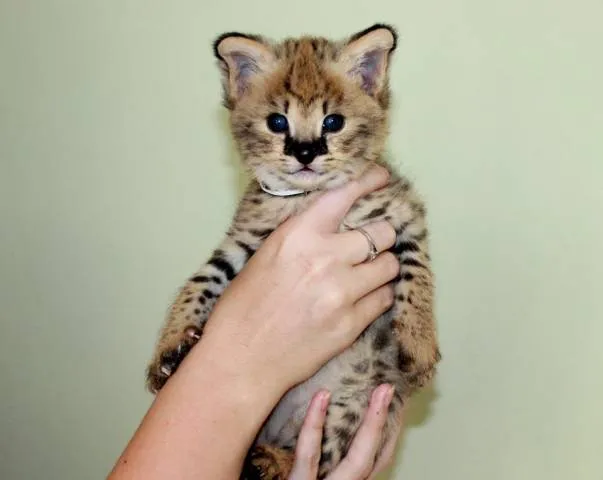
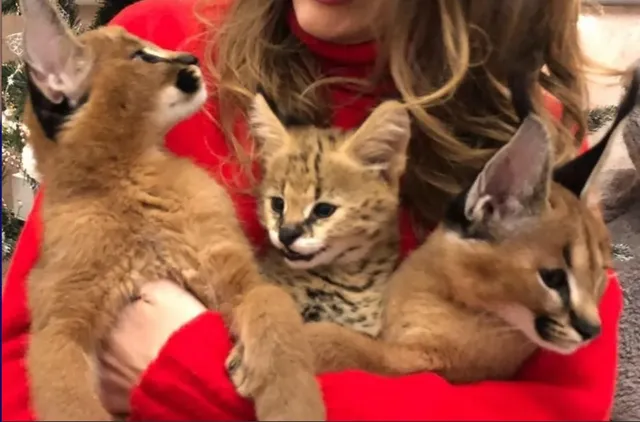
Find Savannah adverts for sale and for adoption on Mypetzilla now.
Similar breeds you may want to consider
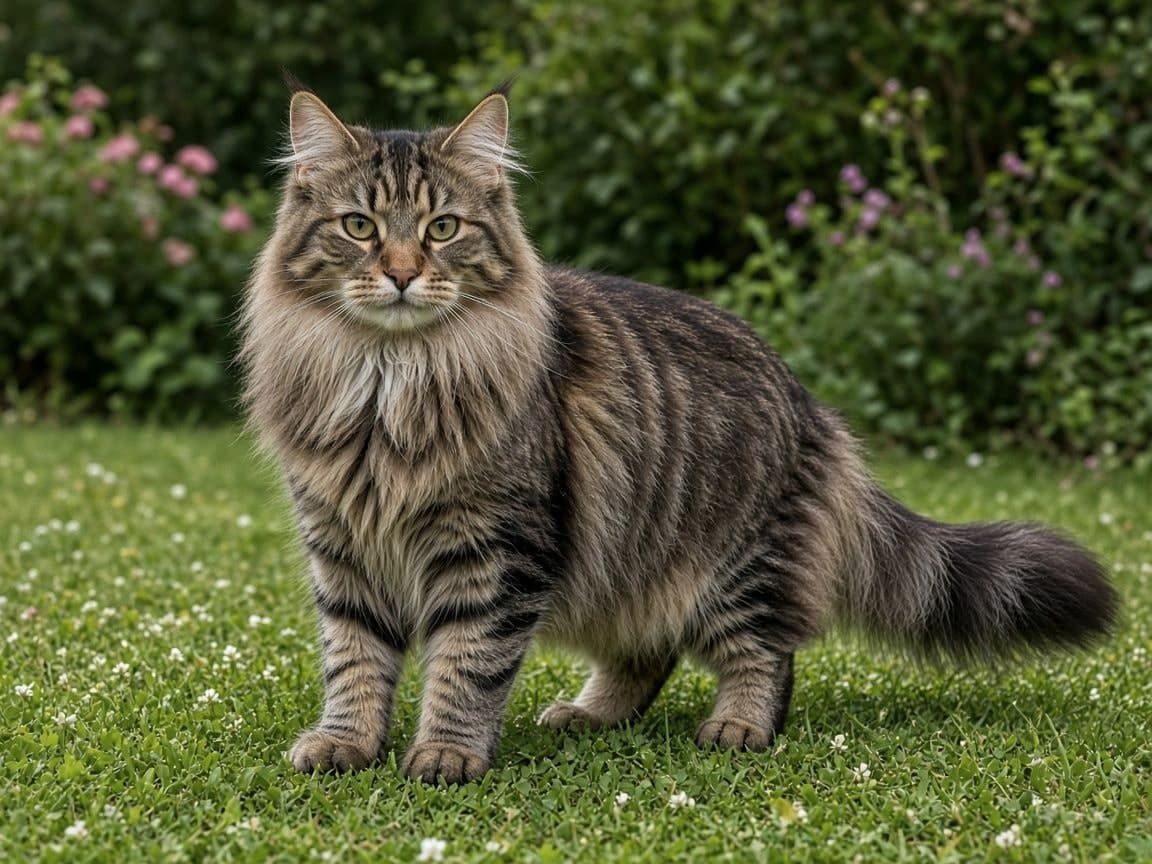
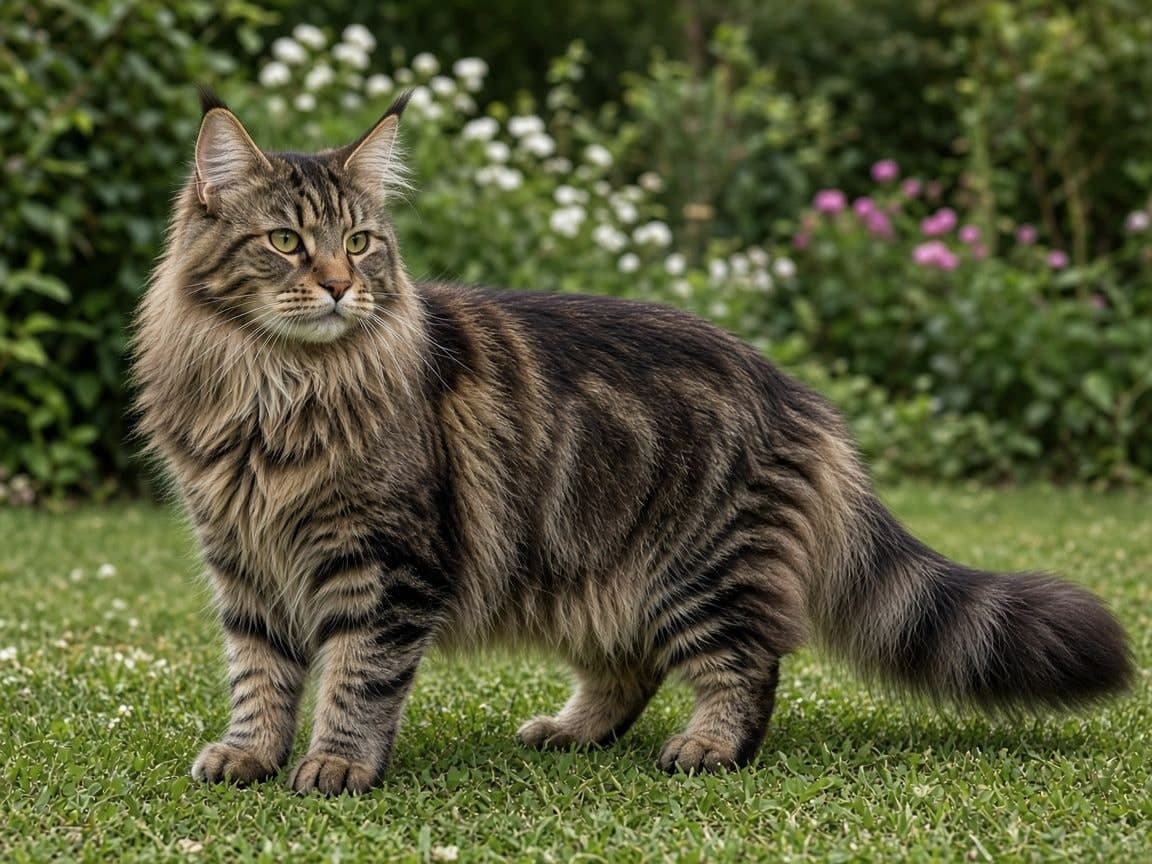
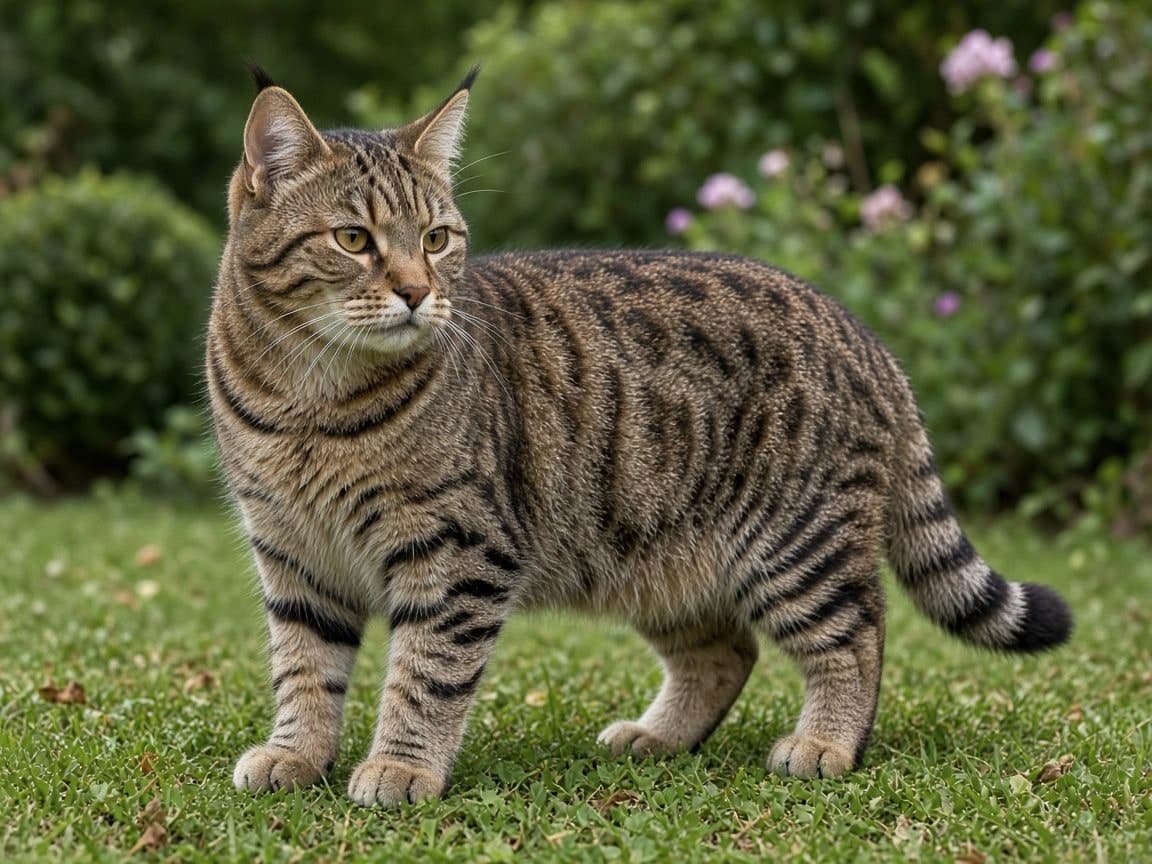
Norwegian Forest Cat
Gentle, friendly, playful, loving, intelligent, independent and reserved.
View breed guide
Savannah FAQs
Is the Savannah good with children?
Often better suited to an adult home. Individual cats vary with breeding, upbringing and health, so ask about the cat you are considering.
Can the Savannah be an indoor cat?
Usually happier with access outdoors. Indoor cats need daily play, places to climb and scratch, and a window to watch from.
How active is the Savannah?
Very active and usually keen to play. Short play sessions every day help any cat stay fit and settled.
Does the Savannah shed?
Moderate shedding.
How much grooming does the Savannah need?
Typically: about once a week.
Can the Savannah be left alone?
Prefers company and is best not left alone for long. Every cat needs company, play and someone to check on it each day.
Is the Savannah a talkative cat?
Talks sometimes. Individual cats vary with breeding, upbringing and health, so ask about the cat you are considering.
Is the Savannah good with dogs?
Varies with the individual cat. Individual cats vary with breeding, upbringing and health, so ask about the cat you are considering.
How long does the Savannah live?
Typically 17–20 years. Lifespan varies with genetics, weight, care and luck.
How big does the Savannah get?
Adults typically weigh 3.5–9 kg.