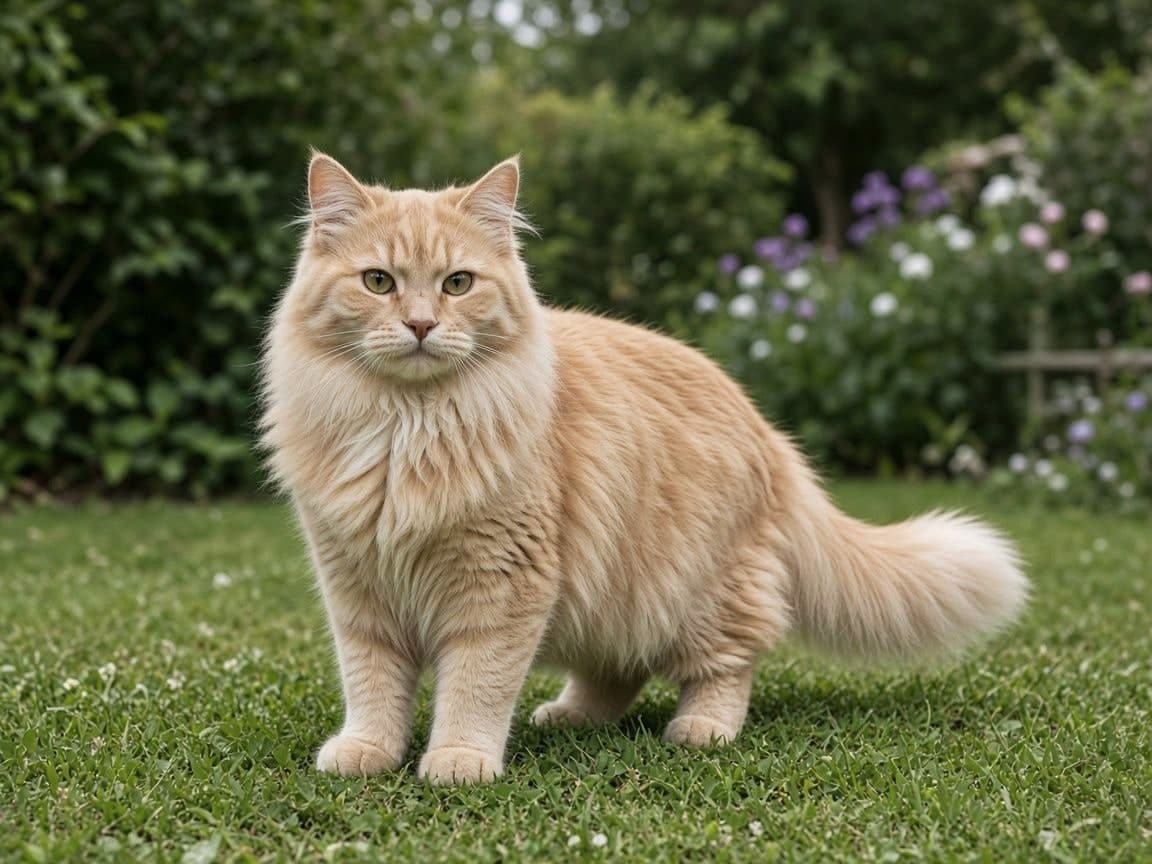
RagaMuffin at a glance
- Size
- Large
- Weight
- 3.5–9 kg
- Life expectancy
- 12–16 years
Typical for the breed, not a promise about any one cat.
Is the RagaMuffin right for you?
Like every breed, the RagaMuffin is not the right fit for every home. Based on the breed’s typical traits:
May suit you if…
- You have children and can supervise them with the cat.
- This would be your first cat and you are ready to learn.
- You have, or would like, another cat.
- You have a calm, cat-friendly dog and can introduce them slowly.
Consider another breed if…
- The cat would regularly be alone for long working days.
- You cannot offer any safe outdoor space.
How would the RagaMuffin fit your lifestyle?
Choose a few details for a general, non-guaranteed view.
About the RagaMuffin
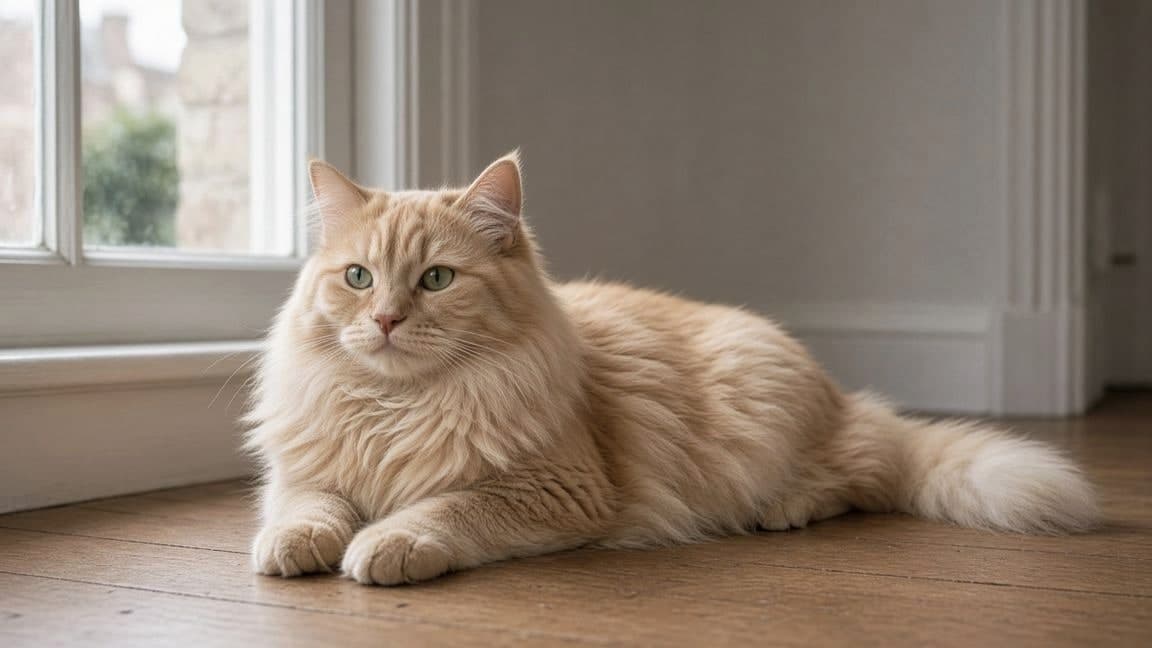
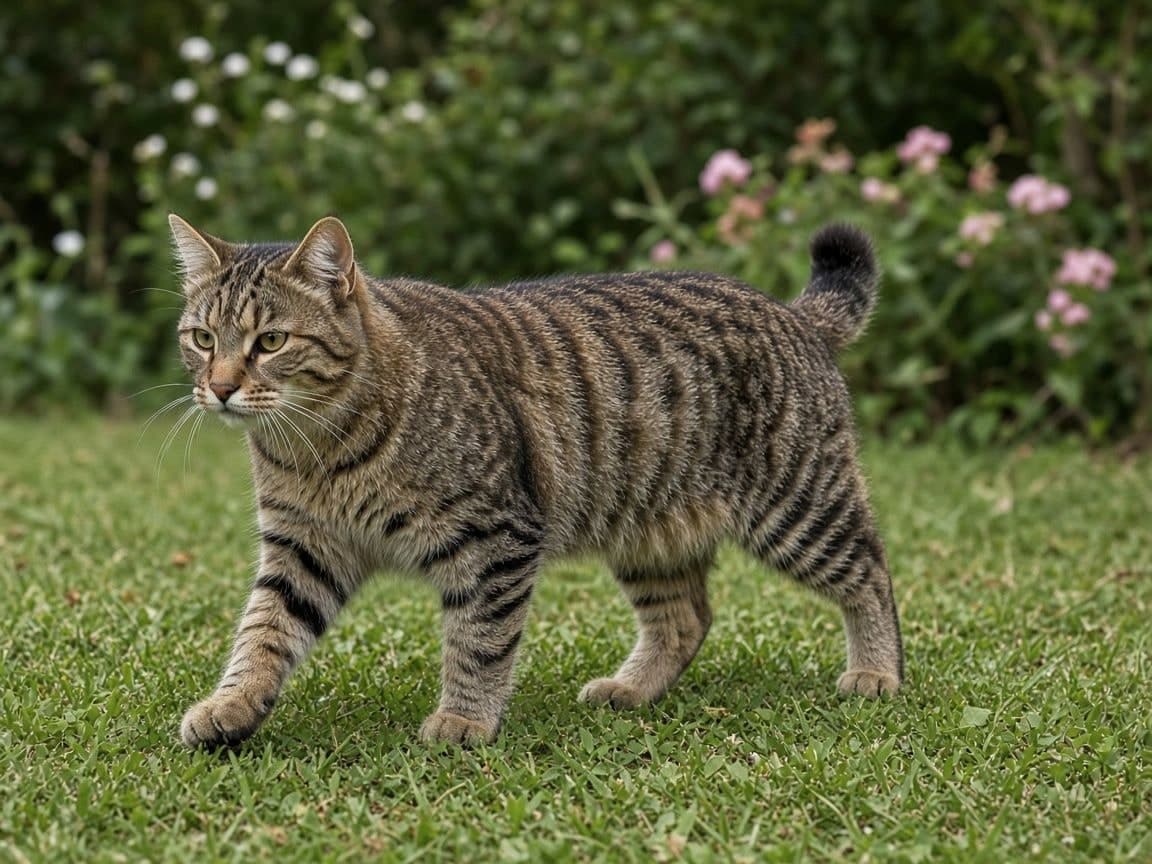
The RagaMuffin is a large, heavy, muscular cat with a broad head, big walnut-shaped eyes and a soft, plush, semi-long coat. Its nature is its defining feature: RagaMuffins are typically extremely affectionate, calm and even-tempered, and many go limp and relaxed when held.
Key characteristics
General breed tendencies, not a prediction for an individual cat.
- Size
Large
Among the largest cat breeds.
- Coat length
Semi-long
A semi-long coat.
- Activity level
Moderate
Moderately active, with bursts of play.
- Grooming
Weekly
The coat usually needs brushing about once a week.
- Shedding
Low
Tends to shed little, though every cat sheds some hair.
- Vocal
Tends to be quiet
Usually a fairly quiet cat.
- Good with children
Often good
Often good with children, with supervision.
- Good with other cats
Usually sociable
Usually enjoys the company of other cats.
- Good with dogs
Often fine
Often gets on with a cat-friendly dog.
- Suits first-time owners
Often
Often suits first-time cat owners.
- Time alone
Prefers company
Prefers company and is best not left alone for long.
- Indoors and outdoors
Some outdoor space
Benefits from some safe outdoor space, such as a cat-proofed garden.
The breed is closely related to the Ragdoll and traces back to the same original cats in Riverside, California. Ragdoll founder Ann Baker controlled her breed strictly, and in 1994 a group of breeders split away to develop their own line. Unable to use the Ragdoll name, they chose RagaMuffin, and introduced limited outcrosses to domestic longhairs and later Persians to widen the gene pool and bring in new colours. GCCF granted the breed championship status in 2015. It is still fairly new in the UK, but its popularity is growing.
RagaMuffin temperament
RagaMuffins are usually docile, people-loving cats that thrive on companionship. They enjoy tummy rubs, lap time and cuddling up with their own family or almost any willing visitor, and Purina notes they have earned the nickname "Velcro cat". They typically greet people at the door and like to be involved in whatever their owners are doing.
They are also playful and clever. Many learn to fetch and do tricks, and some can be walked on a lead. RagaMuffins take around four years to mature, so their playful kitten phase lasts a long time.
Size and appearance
This is a substantial cat with heavy bone, a broad chest and a rectangular body. Females are usually much smaller than males. Purina gives a typical weight of about 3.5 to 9 kg; GCCF says females usually weigh 10 to 15 lb and some males more than 20 lb.
The coat is medium to medium-long, soft, dense and plush, with a ruff around the neck, a plumed tail and tufts between the toes. Eyes can be any solid colour, and some cats have odd eyes. GCCF accepts all colours and patterns for showing except the Siamese-style colourpoint pattern associated with the Ragdoll.
How active is the RagaMuffin?
RagaMuffins are not especially athletic, and Purina describes them as sluggish by nature, but they do enjoy play. They like climbing scratching posts, chasing toys on strings and playing fetch.
Because they tend to become lazy and love their food, they need encouragement to move. Purina suggests a few daily games, cat trees, and food-dispensing toys or puzzles for part of the daily ration rather than leaving food out all day.
RagaMuffin grooming
The coat is long but tangle-resistant. GCCF says a few minutes of brushing or combing once or twice a week is enough to remove dead hair, while Purina suggests a few minutes each day, which is also a good chance to bond and check for wounds or parasites. Purina rates shedding as low.
A greasy coat can be a sign that a cat has stopped grooming itself, which may point to poor health or excess weight.
Indoors and outdoors
RagaMuffins can enjoy some time outdoors, but Purina advises this should be supervised in a secure garden or in a secure cat run only. They are too trusting and laid-back to be let out freely, which makes them vulnerable to theft and predators, and Purina says it is best to keep them as indoor cats. Cat trees and warm, sunny resting spots are appreciated.
They do not like to be alone. Purina says long periods alone or ignored can stress them and even make them ill, so they are a poor fit for people who are out of the house for long hours.
Living with a RagaMuffin
RagaMuffins are usually tolerant, patient family cats that cope well with a busy household. Purina stresses that extra care is needed to make sure children do not take liberties with such a placid cat.
Whatever the breed, young children should be supervised around cats and shown how to stroke them gently and let them walk away.
Children
Often good with children, with supervision.
Other cats
Usually enjoys the company of other cats.
Dogs
Often gets on with a cat-friendly dog.
Indoors and outdoors
Benefits from some safe outdoor space.
Being left alone
Prefers company and is best not left alone for long.
First-time owners
Often suits first-time cat owners.
Other cats and pets
RagaMuffins are typically friendly towards other cats and dogs, and GCCF also mentions birds, rodents and lizards. It still advises introducing pets slowly and in controlled circumstances so they learn to get along.
RagaMuffin health
Not yet reviewed by a vet. This is general information, not veterinary advice: speak to your vet about your own cat’s health.
GCCF says there are currently no reported problems in the breed, and that cats imported into the UK for GCCF breeding have tested negative for HCM and PKD. Purina also reports no common disorders at present. GCCF gives a lifespan of about 12 to 16 years.
Obesity
RagaMuffins are naturally placid and enthusiastic about food, which makes them prone to weight gain. Rationed meals and regular play help keep them in shape.
What health checks should you ask about?
Responsible breeders and rescues are happy to talk about health, and any pressure to decide quickly is a reason to walk away. Before taking a RagaMuffin home, it is reasonable to ask about:
- Health testing of the parents. Ask which health tests the parents have had for conditions known in the breed, and to see the results.
- Veterinary and vaccination records. Kittens should have had a first vaccination and a vet check, with records you can take home.
- Microchip information. In England, cats must be microchipped and registered by 20 weeks old. Ask who the chip is registered to and how the transfer works.
- Registration paperwork. Registration papers, where they apply, record pedigree. They do not by themselves prove health or how a kitten was raised.
How much does a RagaMuffin cost to own?
There are two costs: bringing a RagaMuffin home, and looking after one well. Kitten prices depend on the breeder, health testing and demand; the adverts below show what sellers are asking today.
Ongoing costs are the ones new owners most often underestimate: food, insurance (which usually rises with age), routine vet care, vaccinations and parasite treatment, dental care, grooming, litter, scratching posts and toys, and a cattery or a sitter for holidays. Budget for the whole of the cat’s life, typically 12–16 years, not just the first year.
Buying a RagaMuffin
If you have decided the RagaMuffin suits your life, take the same care choosing where your cat comes from. Meet the kitten in person, see it with its mother, and look at how the litter is raised.
- Check who you are dealing with: every Mypetzilla advert shows the seller type and what we have checked.
- Ask about health testing, vaccinations and the microchip before you commit.
- Take your time. Do not be rushed by deposits or "last one left" stories.
- Meet in person before paying anything, and keep conversations on Mypetzilla.
Adopting a RagaMuffin
RagaMuffins do come up for adoption, through rescue organisations, breed rescues and private rehoming, often because an owner’s circumstances have changed rather than any fault of the cat. An adult cat arrives as a known quantity: its size, coat and character are already on show.
Rescues will usually talk you through the cat’s history, any medical care, and the home it needs, including children, other animals and time alone. Be honest about your circumstances: a good rescue would rather place a cat once, well.
RagaMuffins looking for homes
Live from Mypetzilla, updated as pets are listed.
There are no RagaMuffin adverts at the moment.
Find RagaMuffin adverts for sale and for adoption on Mypetzilla now.
Similar breeds you may want to consider
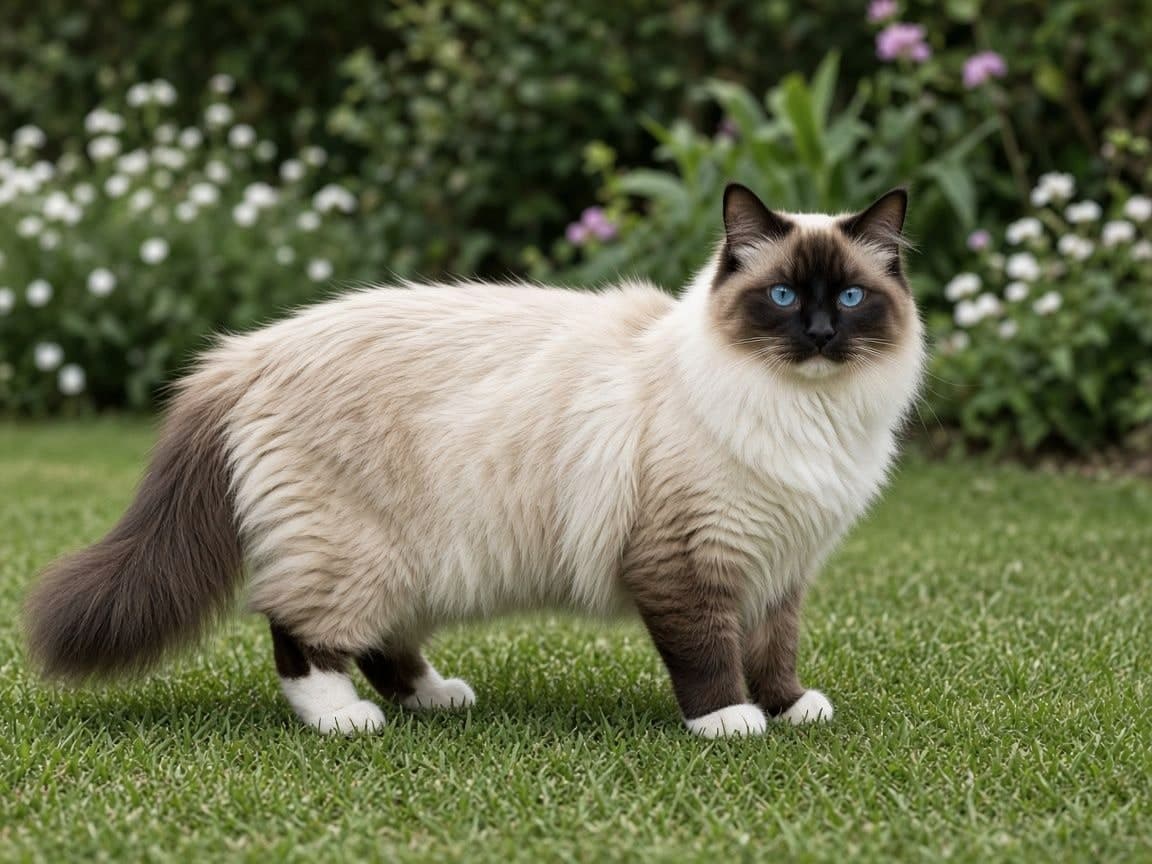
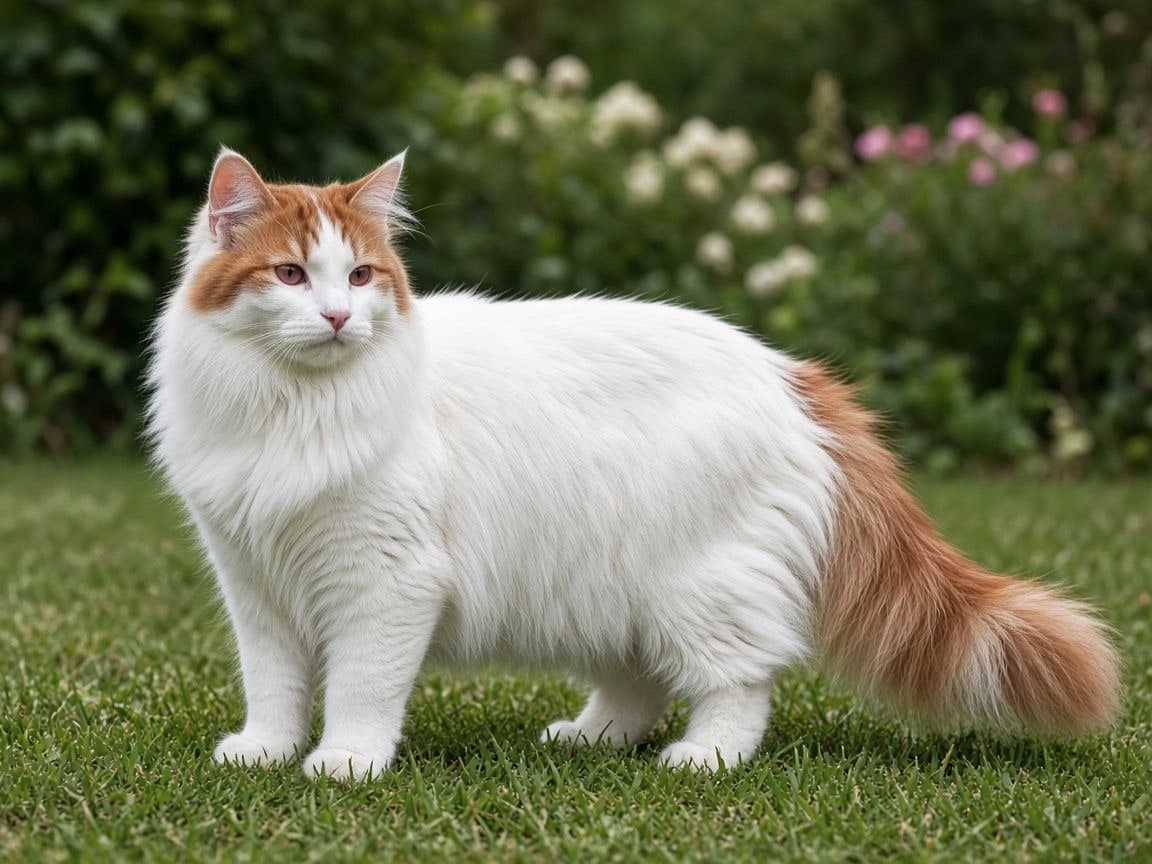
Turkish Van
Intelligent, affectionate, loyal, loving, active, playful, agile and characterful.
View breed guideAmerican Bobtail
Affectionate, intelligent, easygoing, adaptable, confident, friendly, gentle and loving.
View breed guide
RagaMuffin FAQs
Is the RagaMuffin good with children?
Often good with children, with supervision. Individual cats vary with breeding, upbringing and health, so ask about the cat you are considering.
Can the RagaMuffin be an indoor cat?
Benefits from some safe outdoor space. Indoor cats need daily play, places to climb and scratch, and a window to watch from.
How active is the RagaMuffin?
Moderately active, with bursts of play. Short play sessions every day help any cat stay fit and settled.
Does the RagaMuffin shed?
Tends to shed little.
How much grooming does the RagaMuffin need?
Typically: about once a week.
Can the RagaMuffin be left alone?
Prefers company and is best not left alone for long. Every cat needs company, play and someone to check on it each day.
Is the RagaMuffin a talkative cat?
Tends to be quiet. Individual cats vary with breeding, upbringing and health, so ask about the cat you are considering.
Does the RagaMuffin get on with other cats?
Usually enjoys the company of other cats. Introduce cats slowly, with separate food, water, litter trays and resting places.
Is the RagaMuffin good with dogs?
Often gets on with a cat-friendly dog. Individual cats vary with breeding, upbringing and health, so ask about the cat you are considering.
How long does the RagaMuffin live?
Typically 12–16 years. Lifespan varies with genetics, weight, care and luck.
How big does the RagaMuffin get?
Adults typically weigh 3.5–9 kg.