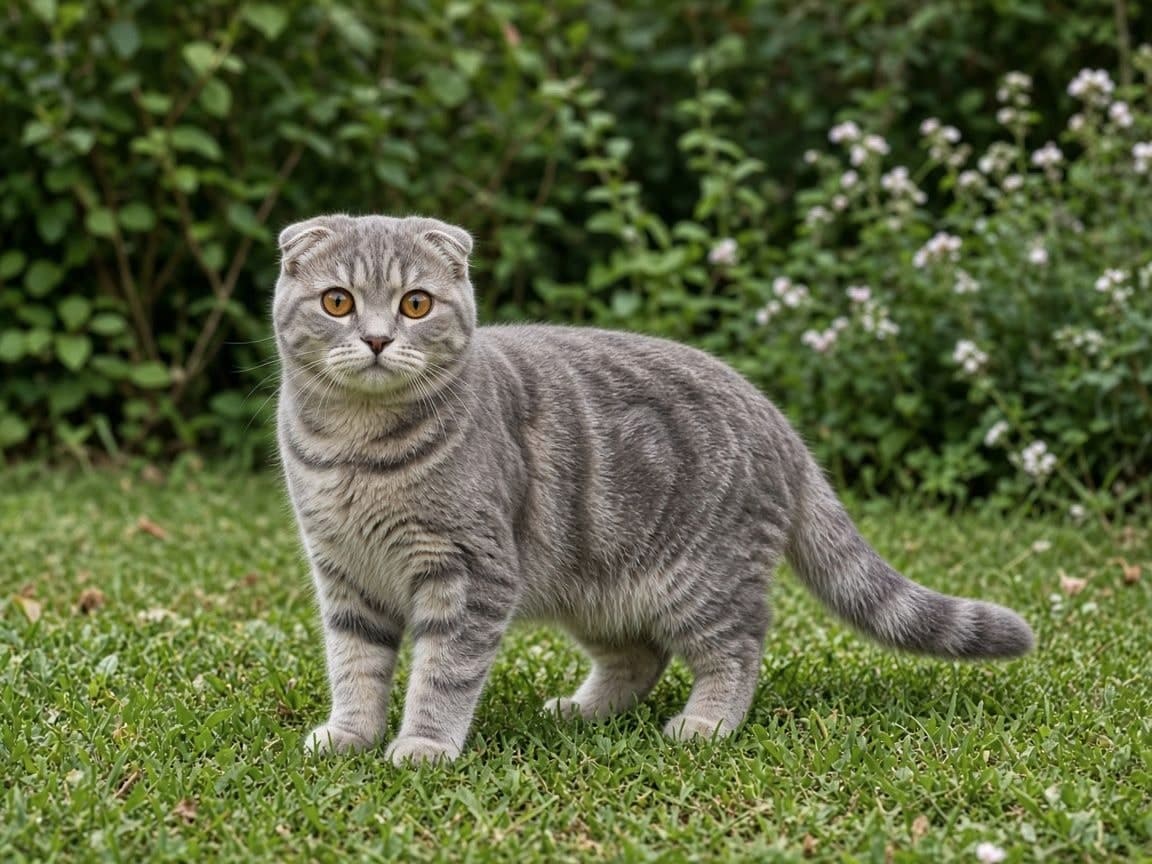
Scottish Fold at a glance
- Size
- Medium
- Weight
- 2.5–6 kg
- Life expectancy
- 11–15 years
Typical for the breed, not a promise about any one cat. Not assessed yet: Other cats, Living with dogs.
Is the Scottish Fold right for you?
Like every breed, the Scottish Fold is not the right fit for every home. Based on the breed’s typical traits:
May suit you if…
- This would be your first cat and you are ready to learn.
- You would like a coat that is fairly easy to look after.
Consider another breed if…
- You cannot offer any safe outdoor space.
- You have young children at home.
How would the Scottish Fold fit your lifestyle?
Choose a few details for a general, non-guaranteed view.
About the Scottish Fold
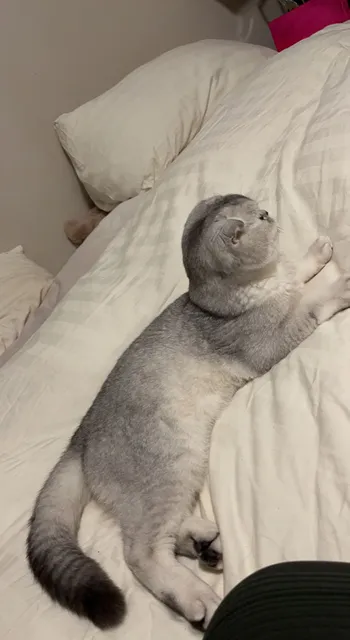
The Scottish Fold is a compact, solid, medium-sized cat with a round head, large round eyes and a short, dense coat. Its best-known feature is its small ears, which fold forward to cover the ear opening. It is typically easy-going and adaptable, with a sweet expression.
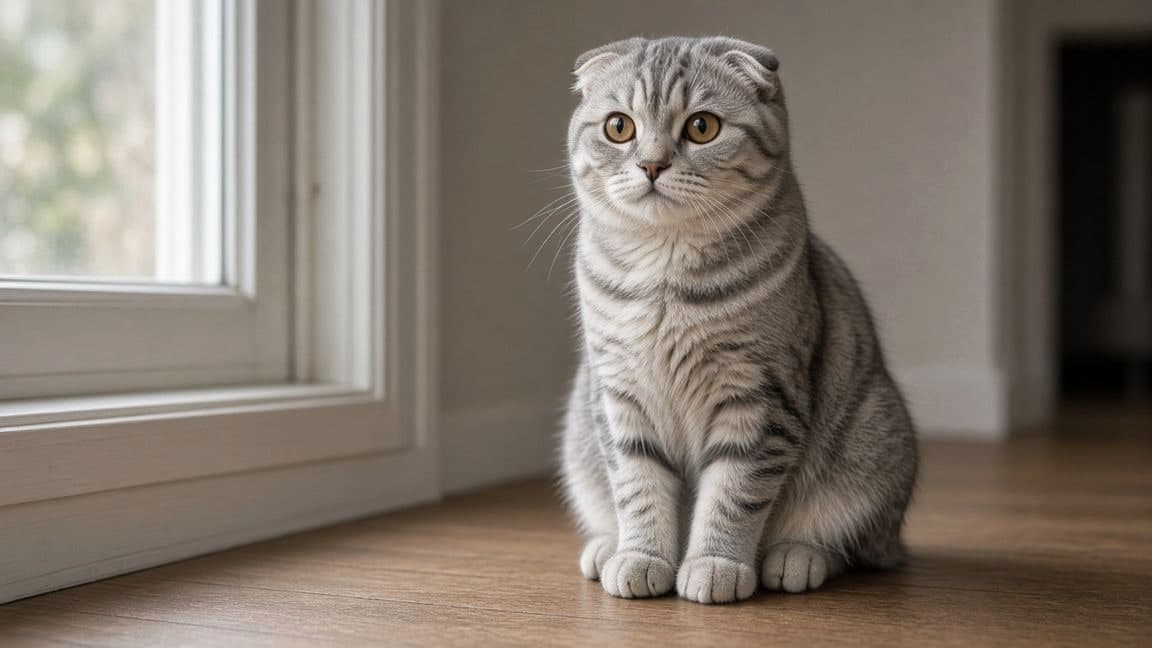
Key characteristics
General breed tendencies, not a prediction for an individual cat.
- Size
Medium
A mid-sized cat.
- Coat length
Short
A short coat.
- Activity level
Moderate
Moderately active, with bursts of play.
- Grooming
Weekly
The coat usually needs brushing about once a week.
- Shedding
Moderate
Sheds a moderate amount, varying by cat and season.
- Vocal
Talks sometimes
Will talk to you, but is not usually loud.
- Good with children
Older children
Usually better with older, calmer children.
- Good with other cats
Not assessed yet
Our sources do not say enough yet.
- Good with dogs
Not assessed yet
Our sources do not say enough yet.
- Suits first-time owners
Often
Often suits first-time cat owners.
- Time alone
A few hours
Usually copes with a few hours alone.
- Indoors and outdoors
Some outdoor space
Benefits from some safe outdoor space, such as a cat-proofed garden.
The folded ears are caused by an inherited mutation that affects the development of cartilage. The same defect also affects cartilage and bone elsewhere in the body, a condition called osteochondrodysplasia, which leads to painful arthritis. How badly a cat is affected varies, but these are serious welfare concerns, and breeding Scottish Folds is prohibited in some countries.
The mutation was first seen in a Scottish farm cat in the 1960s. Many vets and British cat show judges considered the folded ear an undesirable deformity that stops the cat cleaning its own ears and is linked to cartilage problems. When folded-eared cats were bred to each other, deformities of the spine, hind legs and tail appeared, and the Governing Council of the Cat Fancy (GCCF) decided against registering the breed.
Today the GCCF lists the Scottish Fold as ineligible for recognition because of known serious health problems, and warns that owners can expect a pet that suffers joint pain in middle to old age. International Cat Care considers it unethical to keep breeding cats with a mutation known to cause significant painful disease, and has worked with the British Veterinary Association to raise awareness. In 2024, UK groups including the GCCF, Cats Protection, PDSA, Blue Cross, Battersea, the RSPCA and the British Small Animal Veterinary Association jointly raised concerns about the breed being popularised in a film. The breed is recognised by the Cat Fanciers' Association in the US.
Scottish Fold temperament
Scottish Folds descend from farm cats and are usually robust, tough-natured cats. They are often described as playful, curious and independent but friendly, and as having a sweet disposition. Most adapt easily to busy, noisy homes as well as quiet ones. Their voice is said to be tiny and rarely used.
Size and appearance
This is a medium-sized, rounded cat, typically weighing around 2.5 to 6 kg. The coat is short and dense and comes in a variety of colours and patterns. Litters contain both folded and straight-eared kittens; it is not possible to tell which is which until about 4 weeks of age, and not certain until around 12 weeks. Breeders mate folded cats to straight-eared cats because breeding two folds together produces severe deformities.
How active is the Scottish Fold?
Scottish Folds usually enjoy play with toys on strings, climbing cat trees and an evening on a lap. They are not overly demanding, which makes it easy to forget them in a busy home, so make sure you have time for yours. How keen a cat is on hunting depends largely on its mobility.
Scottish Fold grooming
The short coat is easy to care for and needs no special grooming, although a weekly brush helps remove dead hair. The folded ears are difficult for the cat to clean, so owners need to remove wax and dirt from the outer ear to help prevent infection. A greasy coat can be a sign that a cat has stopped grooming itself, which may point to poor health.
Indoors and outdoors
Scottish Folds usually enjoy supervised access to a secure garden. Depending on the individual cat and its mobility, a secure cat run may be more suitable than cat-proofing a whole garden. They can usually be left for a few hours at a time.
Living with a Scottish Fold
Scottish Folds are fairly easy-going and can suit family or single homes, but they are ideally better with older children, who can understand a cat's behaviour and respect its space. Whatever the breed, young children should be supervised around cats and shown how to stroke them gently and let them walk away.
Children
Usually better with older, calmer children.
Indoors and outdoors
Benefits from some safe outdoor space.
Being left alone
Usually copes with a few hours alone.
First-time owners
Often suits first-time cat owners.
Scottish Fold health
Not yet reviewed by a vet. This is general information, not veterinary advice: speak to your vet about your own cat’s health.
Purina classes the Scottish Fold as a breed with a higher risk of health issues. The main concern is the joint disease caused by the gene responsible for the folded ears. Some affected cats show no obvious signs of pain, while in others signs are minor at first and may worsen over time. If you are worried about a cat, contact your vet.
Osteochondrodysplasia
A disorder of bone and cartilage development that leads to severe, painful arthritis and can cause fusion of the tail, ankles and knees. Signs vary from none to reluctance to move, a stiff gait, lameness, difficulty jumping and short, misshapen limbs; pain may also make a cat hide, eat less or groom less. Arthritis can develop even at a young age. There is no treatment for the disease itself, and iCatCare says ethical breeding is the only way to prevent it.
Brachycephalic airway obstruction syndrome
Purina classifies the breed as brachycephalic, meaning it has a shortened face. In such breeds breathing can be obstructed, which can lead to severe respiratory distress.
Skin fold inflammation and infection
Excess skin around a short face can form folds where soreness and infection tend to develop.
Eye ulcers
Painful erosions on the surface of the eye, which are more common in brachycephalic cats because their eyes tend to be more prominent.
Ear infections
Because the folded ears are hard for the cat to clean, wax and dirt can build up and lead to infection.
Polycystic kidney disease (PKD)
An inherited condition in which cysts form in the kidneys, affecting kidney function and potentially leading to kidney failure. The risk is lower in this breed than in some others. A DNA test is available.
What health checks should you ask about?
Responsible breeders and rescues are happy to talk about health, and any pressure to decide quickly is a reason to walk away. Before taking a Scottish Fold home, it is reasonable to ask about:
- Health testing of the parents. Ask which health tests the parents have had for conditions known in the breed, and to see the results.
- Veterinary and vaccination records. Kittens should have had a first vaccination and a vet check, with records you can take home.
- Microchip information. In England, cats must be microchipped and registered by 20 weeks old. Ask who the chip is registered to and how the transfer works.
- Registration paperwork. Registration papers, where they apply, record pedigree. They do not by themselves prove health or how a kitten was raised.
How much does a Scottish Fold cost to own?
There are two costs: bringing a Scottish Fold home, and looking after one well. Kitten prices depend on the breeder, health testing and demand; the adverts below show what sellers are asking today.
Ongoing costs are the ones new owners most often underestimate: food, insurance (which usually rises with age), routine vet care, vaccinations and parasite treatment, dental care, grooming, litter, scratching posts and toys, and a cattery or a sitter for holidays. Budget for the whole of the cat’s life, typically 11–15 years, not just the first year.
Buying a Scottish Fold
If you have decided the Scottish Fold suits your life, take the same care choosing where your cat comes from. Meet the kitten in person, see it with its mother, and look at how the litter is raised.
- Check who you are dealing with: every Mypetzilla advert shows the seller type and what we have checked.
- Ask about health testing, vaccinations and the microchip before you commit.
- Take your time. Do not be rushed by deposits or "last one left" stories.
- Meet in person before paying anything, and keep conversations on Mypetzilla.
Adopting a Scottish Fold
Scottish Folds do come up for adoption, through rescue organisations, breed rescues and private rehoming, often because an owner’s circumstances have changed rather than any fault of the cat. An adult cat arrives as a known quantity: its size, coat and character are already on show.
Rescues will usually talk you through the cat’s history, any medical care, and the home it needs, including children, other animals and time alone. Be honest about your circumstances: a good rescue would rather place a cat once, well.
Scottish Folds looking for homes
Live from Mypetzilla, updated as pets are listed.
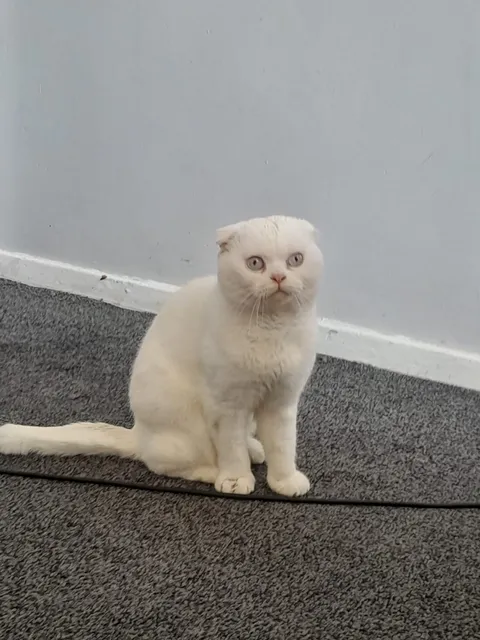
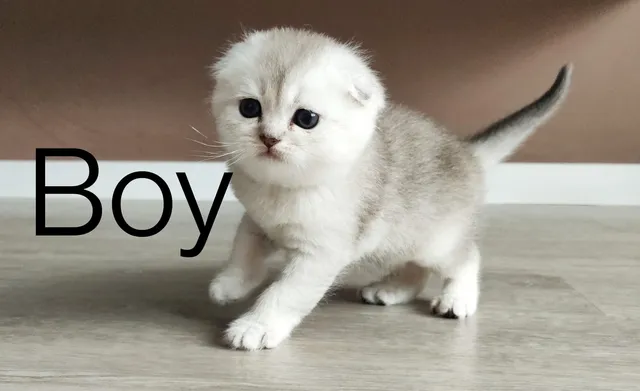
Find Scottish Fold adverts for sale and for adoption on Mypetzilla now.
Similar breeds you may want to consider
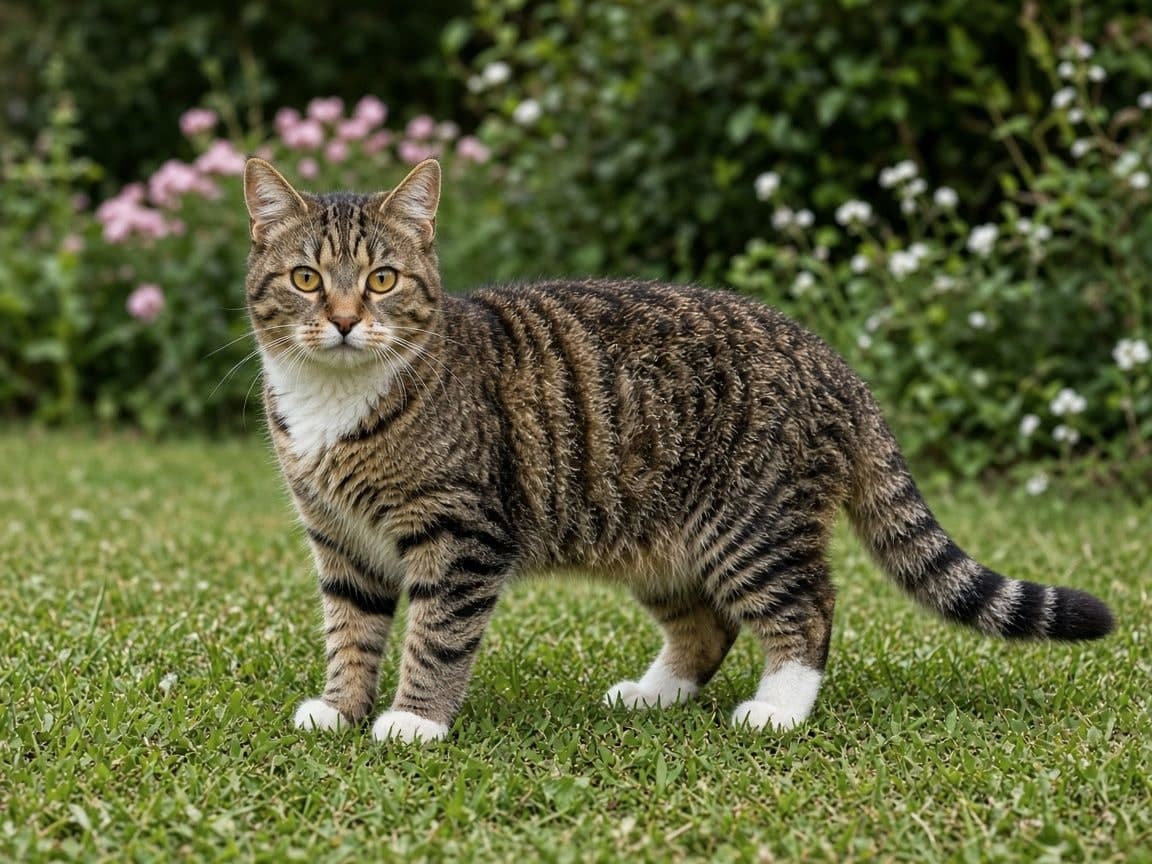
American Wirehair
Playful, gentle, intelligent, easygoing, loving, curious, independent and quiet.
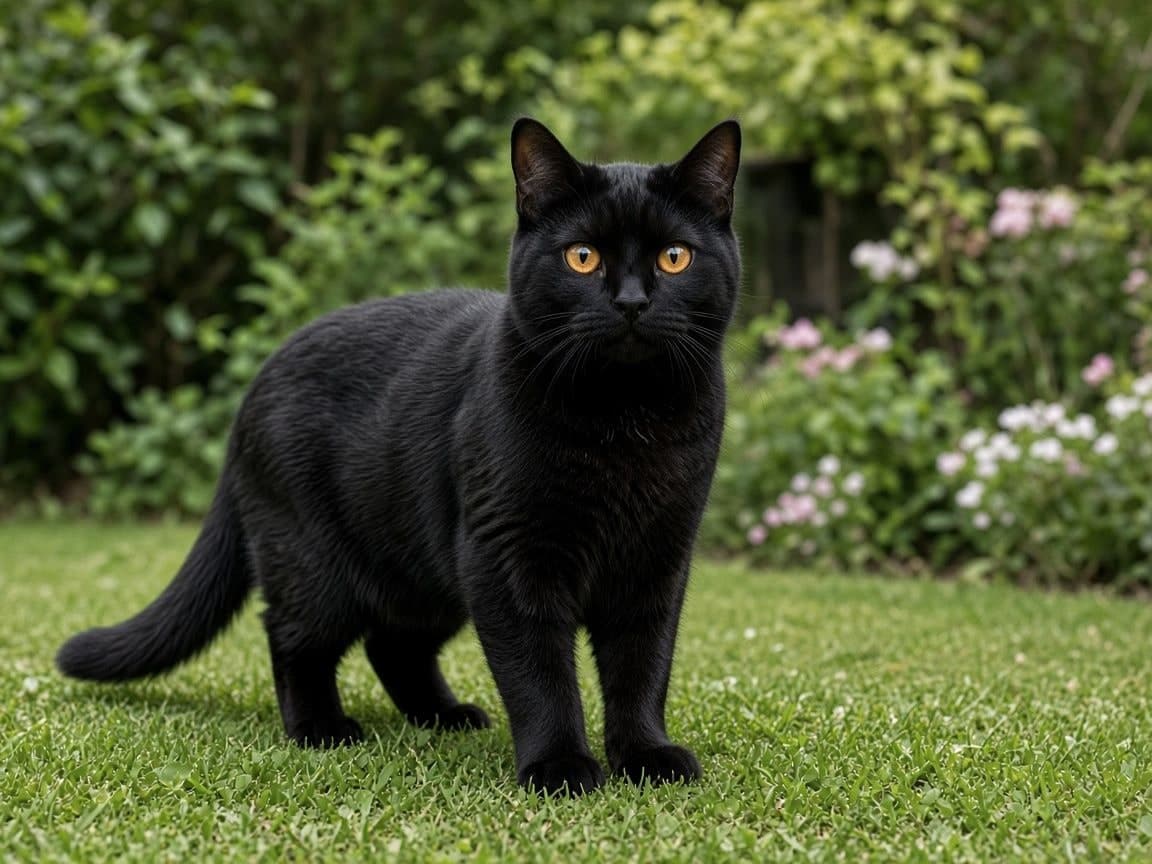
View breed guideBombay
Curious, active, affectionate, outgoing, intelligent, friendly, mischievous and playful.
View breed guide
Scottish Fold FAQs
Is the Scottish Fold good with children?
Usually better with older, calmer children. Individual cats vary with breeding, upbringing and health, so ask about the cat you are considering.
Can the Scottish Fold be an indoor cat?
Benefits from some safe outdoor space. Indoor cats need daily play, places to climb and scratch, and a window to watch from.
How active is the Scottish Fold?
Moderately active, with bursts of play. Short play sessions every day help any cat stay fit and settled.
Does the Scottish Fold shed?
Moderate shedding.
How much grooming does the Scottish Fold need?
Typically: about once a week.
Can the Scottish Fold be left alone?
Usually copes with a few hours alone. Every cat needs company, play and someone to check on it each day.
Is the Scottish Fold a talkative cat?
Talks sometimes. Individual cats vary with breeding, upbringing and health, so ask about the cat you are considering.
How long does the Scottish Fold live?
Typically 11–15 years. Lifespan varies with genetics, weight, care and luck.
How big does the Scottish Fold get?
Adults typically weigh 2.5–6 kg.