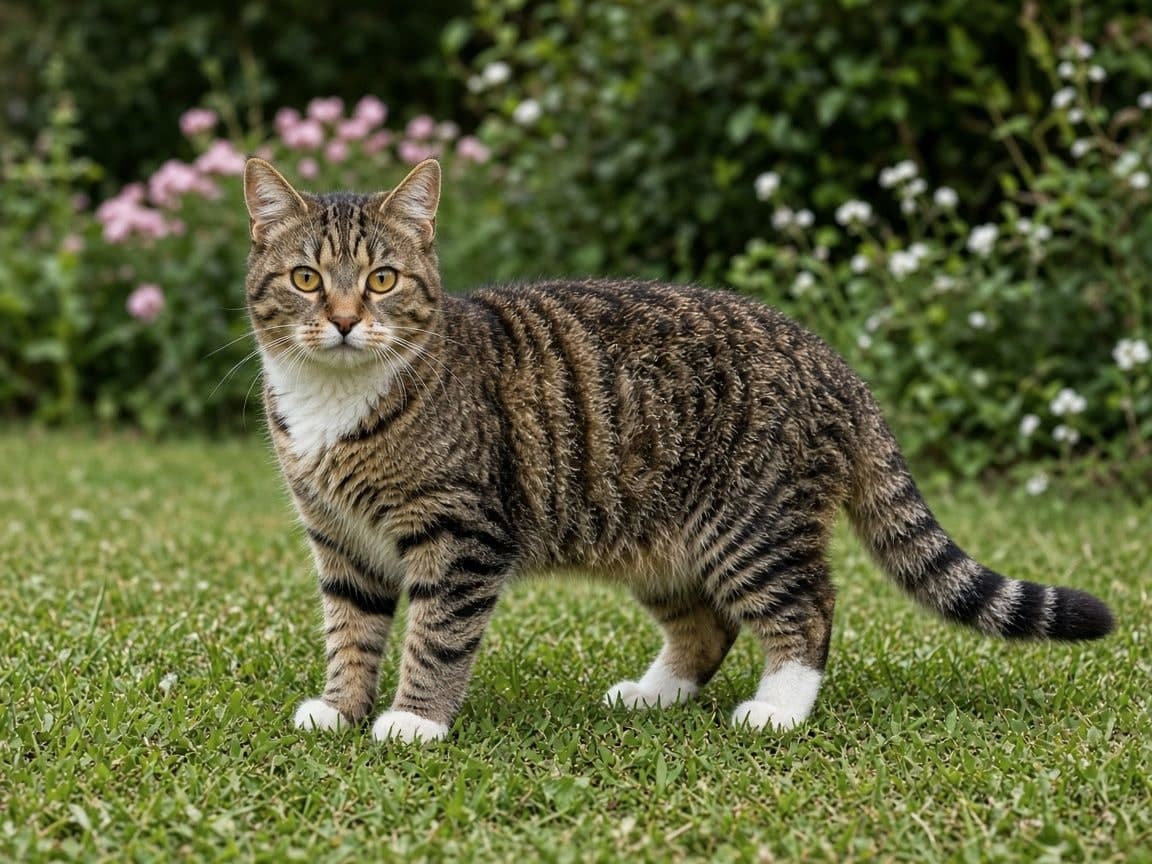
American Wirehair at a glance
- Size
- Medium
- Weight
- 3.6–5.4 kg
- Life expectancy
- 14–18 years
Typical for the breed, not a promise about any one cat. Not assessed yet: Vocal, Time alone, Other cats, Living with dogs.
Is the American Wirehair right for you?
Like every breed, the American Wirehair is not the right fit for every home. Based on the breed’s typical traits:
May suit you if…
- This would be your first cat and you are ready to learn.
- You would like a coat that is fairly easy to look after.
Consider another breed if…
- You cannot offer any safe outdoor space.
- You have young children at home.
How would the American Wirehair fit your lifestyle?
Choose a few details for a general, non-guaranteed view.
About the American Wirehair
The American Wirehair is a robust, rounded cat with a neat, muscular body, large round eyes and an open, curious expression. Its defining feature is its coat: hard, dense and springy, with every hair crimped, hooked or bent, and sometimes compared to steel wool. In everything except the coat it is the same as the American Shorthair. It is usually gentle, playful and easygoing.
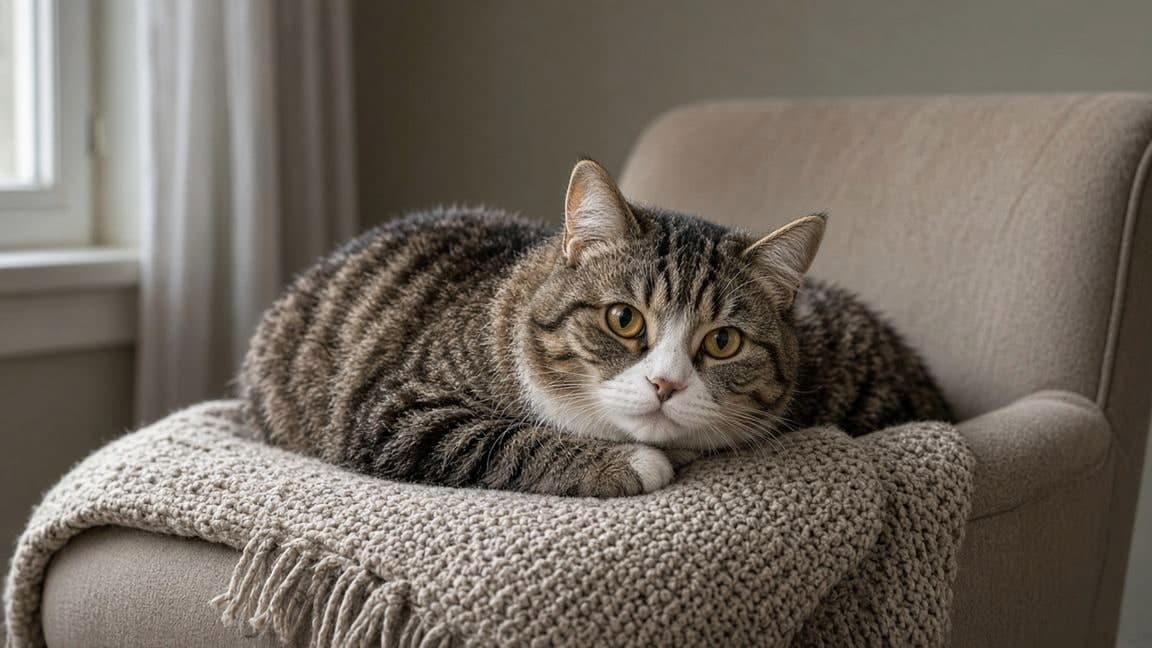
Key characteristics
General breed tendencies, not a prediction for an individual cat.
- Size
Medium
A mid-sized cat.
- Coat length
Short
A short coat.
- Activity level
Moderate
Moderately active, with bursts of play.
- Grooming
Weekly
The coat usually needs brushing about once a week.
- Shedding
Moderate
Sheds a moderate amount, varying by cat and season.
- Vocal
Not assessed yet
Our sources do not say enough yet.
- Good with children
Older children
Usually better with older, calmer children.
- Good with other cats
Not assessed yet
Our sources do not say enough yet.
- Good with dogs
Not assessed yet
Our sources do not say enough yet.
- Suits first-time owners
Often
Often suits first-time cat owners.
- Time alone
Not assessed yet
Our sources do not say enough yet.
- Indoors and outdoors
Some outdoor space
Benefits from some safe outdoor space, such as a cat-proofed garden.
The breed began in 1966 on Council Rock Farm in upstate New York, when a red-and-white male kitten with a sparse, wiry coat was born to two normal-coated farm cats. A local breeder acquired him and named him Council Rock Farm Adam of Hi-Fi. His kittens also had wiry coats, showing the gene was dominant. The British cat geneticists A. G. Searle and Roy Robinson examined his hair and found the coat was unique and unrelated to the Cornish or Devon Rex. The American Shorthair was used to develop the breed and is still a permitted outcross.
The American Wirehair was first recognised by the CFA in 1967. It is popular in America, Canada and Germany but still rare in the UK, where it is not recognised by the GCCF. The GCCF lists it with Acceptance Grade A, meaning no application has been made but recognition is probable, and suggests the British Shorthair or a household pet as alternatives.
American Wirehair temperament
American Wirehairs are typically playful and active, with a gentle, somewhat humorous personality. Purina UK describes them as rather quiet cats, happy to sit on laps or play with their owners.
They are intelligent, loyal and people-oriented, and are interested in everything around them, although they keep a degree of independence. Many are lap cats, while some prefer to stay nearby. Females tend to be busier and males more easygoing. Many keep their hunting instinct, chasing insects indoors and watching birds from the window.
Size and appearance
This is a medium-sized, medium-boned cat with a firm, muscular, well-proportioned body and full, rounded paws. Adults usually weigh about 3.6 to 5.4 kg, with females smaller than males. The breed does not fully mature until about three or four years old.
The wiry coat varies from cat to cat, from spiky to curly, and some are harsher than others. The ideal coat, including the whiskers, is dense, coarse and crimped all over, yet springs back when stroked. Coats come in a wide variety of colours and patterns, with tabby and tabby and white the most common.
How active is the American Wirehair?
American Wirehairs are playful but less bold than some breeds, so they often need encouragement to play. Purina UK suggests toys on strings, cat trees with built-in interactive toys and food-dispensing puzzle toys, and recommends making time for this most days to keep the cat trim and active. They like to play fetch and stay playful into old age.
American Wirehair grooming
The coat needs very little attention, and over-grooming can damage its wiry texture. A weekly session that includes a light brush through and a check of the eyes, ears and claws is usually enough. Shedding is moderate.
TICA notes that some American Wirehairs have sensitive skin and a slightly greasy coat, and suggests regular bathing to remove grease and loose dead hairs that could cause irritation.
Indoors and outdoors
The American Wirehair is very content as an indoor cat if it has enough exercise and entertainment. It also enjoys some outdoor access, such as a secure cat run or catio, but tends to prefer home comforts to the wild outdoors. Purina UK says it is ideally suited to people who are home most of the time and have time to play and interact.
Living with a American Wirehair
The American Wirehair can be a great family cat in a calm, relaxed household. Purina UK suggests older children who understand how to respect a cat's space, while TICA describes the breed as tolerant of children.
Whatever the breed, young children should be supervised around cats and shown how to stroke them gently and let them walk away.
Children
Usually better with older, calmer children.
Indoors and outdoors
Benefits from some safe outdoor space.
First-time owners
Often suits first-time cat owners.
American Wirehair health
Not yet reviewed by a vet. This is general information, not veterinary advice: speak to your vet about your own cat’s health.
Purina UK describes the American Wirehair as a generally healthy breed, and TICA says it is not known to be prone to genetic or hereditary illnesses. Regular vet visits, vaccination and parasite control are recommended.
Progressive retinal atrophy (PRA)
An inherited disorder in which part of the eye degenerates, which can lead to blindness. Purina UK says a DNA test is available to show whether a cat could be affected.
Sensitive skin
Some American Wirehairs have sensitive skin that can react to outside influences, causing an allergic reaction. TICA advises keeping the skin and coat clean.
What health checks should you ask about?
Responsible breeders and rescues are happy to talk about health, and any pressure to decide quickly is a reason to walk away. Before taking a American Wirehair home, it is reasonable to ask about:
- Health testing of the parents. Ask which health tests the parents have had for conditions known in the breed, and to see the results.
- Veterinary and vaccination records. Kittens should have had a first vaccination and a vet check, with records you can take home.
- Microchip information. In England, cats must be microchipped and registered by 20 weeks old. Ask who the chip is registered to and how the transfer works.
- Registration paperwork. Registration papers, where they apply, record pedigree. They do not by themselves prove health or how a kitten was raised.
How much does a American Wirehair cost to own?
There are two costs: bringing a American Wirehair home, and looking after one well. Kitten prices depend on the breeder, health testing and demand; the adverts below show what sellers are asking today.
Ongoing costs are the ones new owners most often underestimate: food, insurance (which usually rises with age), routine vet care, vaccinations and parasite treatment, dental care, grooming, litter, scratching posts and toys, and a cattery or a sitter for holidays. Budget for the whole of the cat’s life, typically 14–18 years, not just the first year.
Buying a American Wirehair
If you have decided the American Wirehair suits your life, take the same care choosing where your cat comes from. Meet the kitten in person, see it with its mother, and look at how the litter is raised.
- Check who you are dealing with: every Mypetzilla advert shows the seller type and what we have checked.
- Ask about health testing, vaccinations and the microchip before you commit.
- Take your time. Do not be rushed by deposits or "last one left" stories.
- Meet in person before paying anything, and keep conversations on Mypetzilla.
Adopting a American Wirehair
American Wirehairs do come up for adoption, through rescue organisations, breed rescues and private rehoming, often because an owner’s circumstances have changed rather than any fault of the cat. An adult cat arrives as a known quantity: its size, coat and character are already on show.
Rescues will usually talk you through the cat’s history, any medical care, and the home it needs, including children, other animals and time alone. Be honest about your circumstances: a good rescue would rather place a cat once, well.
American Wirehairs looking for homes
Live from Mypetzilla, updated as pets are listed.
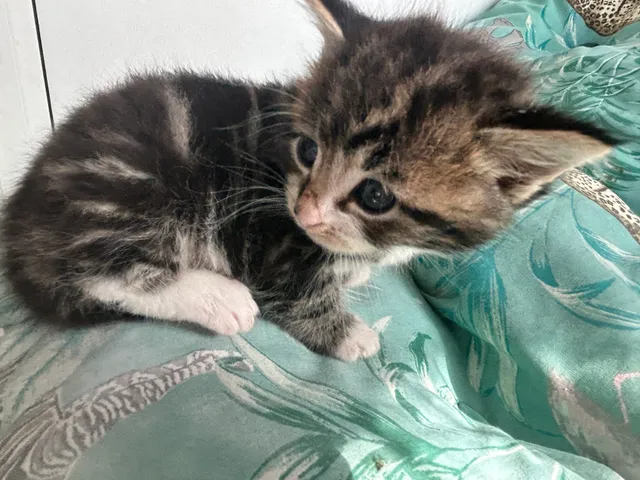
Find American Wirehair adverts for sale and for adoption on Mypetzilla now.
Similar breeds you may want to consider
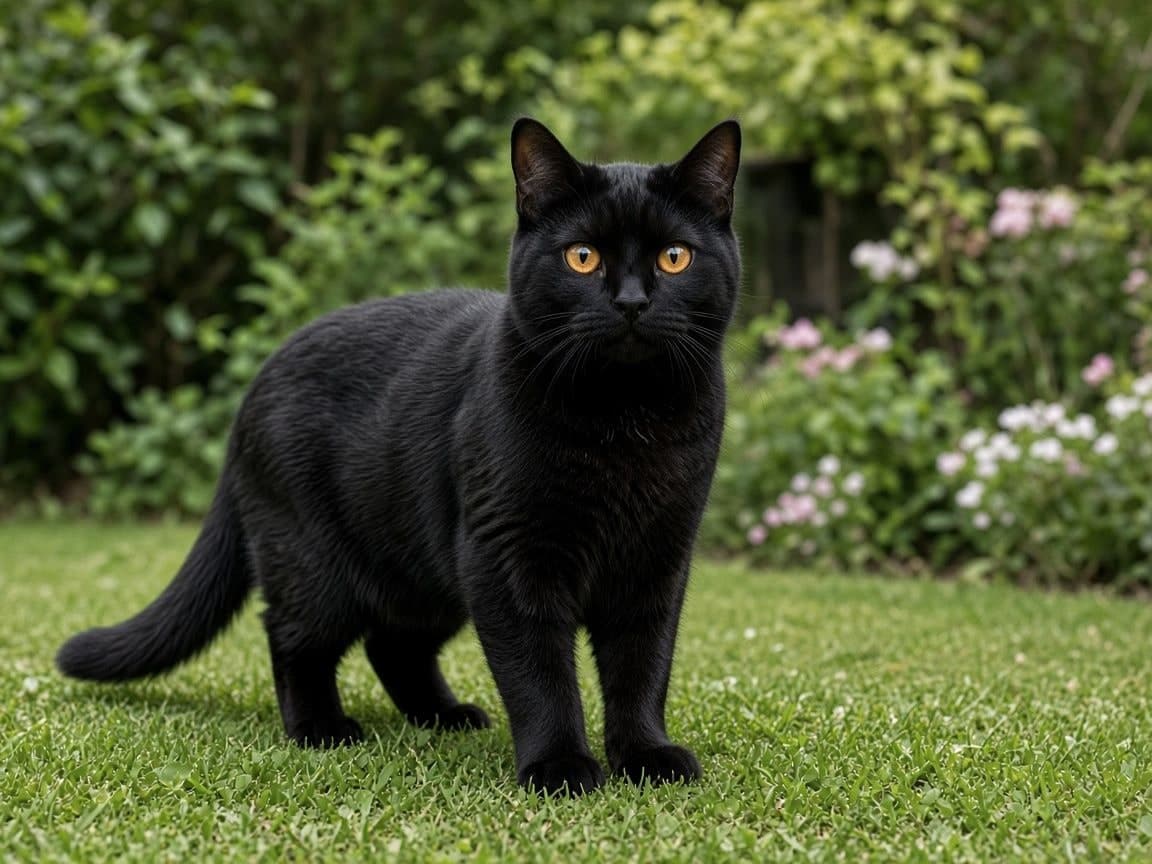
Bombay
Curious, active, affectionate, outgoing, intelligent, friendly, mischievous and playful.
View breed guide
American Wirehair FAQs
Is the American Wirehair good with children?
Usually better with older, calmer children. Individual cats vary with breeding, upbringing and health, so ask about the cat you are considering.
Can the American Wirehair be an indoor cat?
Benefits from some safe outdoor space. Indoor cats need daily play, places to climb and scratch, and a window to watch from.
How active is the American Wirehair?
Moderately active, with bursts of play. Short play sessions every day help any cat stay fit and settled.
Does the American Wirehair shed?
Moderate shedding.
How much grooming does the American Wirehair need?
Typically: about once a week.
How long does the American Wirehair live?
Typically 14–18 years. Lifespan varies with genetics, weight, care and luck.
How big does the American Wirehair get?
Adults typically weigh 3.6–5.4 kg.