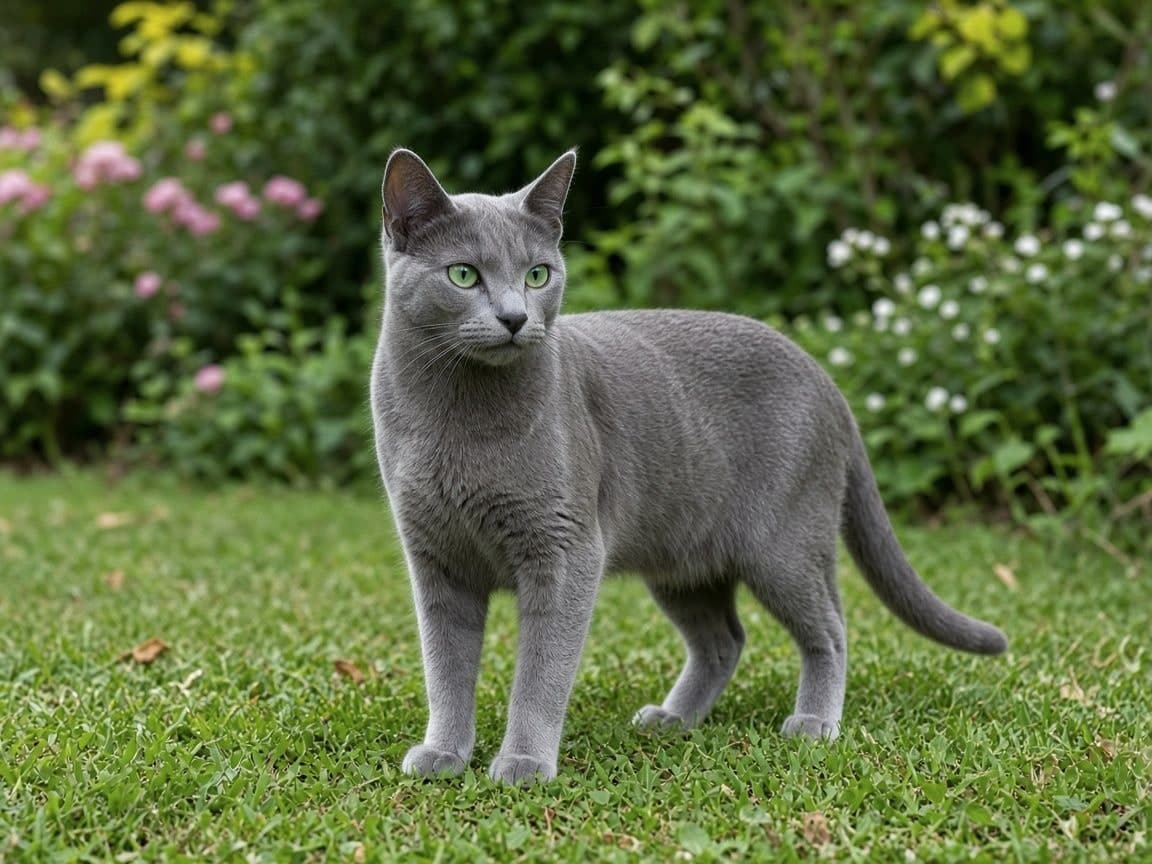
Russian Blue at a glance
- Size
- Medium
- Weight
- 3–7 kg
- Life expectancy
- 12–15 years
Typical for the breed, not a promise about any one cat. Not assessed yet: Other cats, Living with dogs.
Is the Russian Blue right for you?
Like every breed, the Russian Blue is not the right fit for every home. Based on the breed’s typical traits:
May suit you if…
- You would like an indoor cat: the breed is often content indoors.
- This would be your first cat and you are ready to learn.
- You are out at work for part of the day.
- You would like a cat that tends to be quiet.
Consider another breed if…
- You have young children at home.
- You would find a lot of cat hair hard to live with.
How would the Russian Blue fit your lifestyle?
Choose a few details for a general, non-guaranteed view.
About the Russian Blue
The Russian Blue is a graceful, medium-sized cat with a long body, long legs, large pointed ears and vivid green, almond-shaped eyes. Its defining feature is its short, thick, plush double coat, which stands away from the body and has a silvery sheen. Russian Blues are typically intelligent and playful, reserved with strangers but very affectionate once they trust someone.
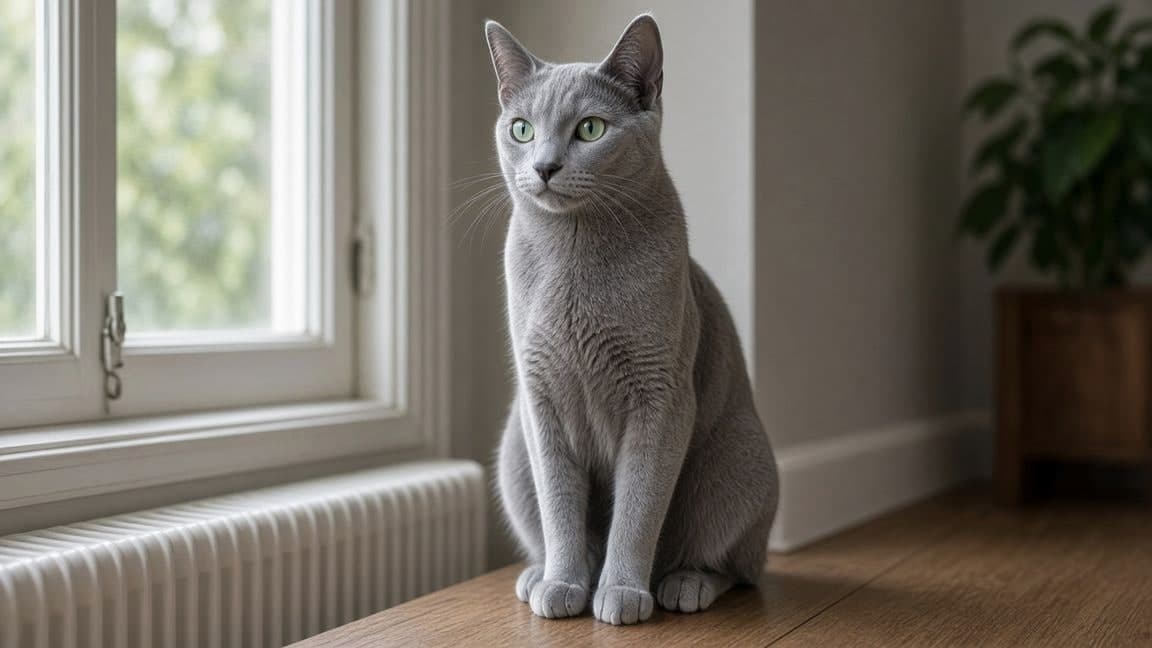
Key characteristics
General breed tendencies, not a prediction for an individual cat.
- Size
Medium
A mid-sized cat.
- Coat length
Short
A short coat.
- Activity level
Moderate
Moderately active, with bursts of play.
- Grooming
Minimal
An occasional brush is usually enough.
- Shedding
High
Tends to shed a lot, so expect hair around the home.
- Vocal
Tends to be quiet
Usually a fairly quiet cat.
- Good with children
Older children
Usually better with older, calmer children.
- Good with other cats
Not assessed yet
Our sources do not say enough yet.
- Good with dogs
Not assessed yet
Our sources do not say enough yet.
- Suits first-time owners
Often
Often suits first-time cat owners.
- Time alone
Copes alone
Often copes well alone during the day.
- Indoors and outdoors
Happy indoors
Often content as an indoor cat, with enrichment.
In the UK, the Governing Council of the Cat Fancy (GCCF) registers the breed simply as the Russian, and recognises it in blue, black and white. Purina notes that the black and white varieties are almost never seen in the UK, so most Russians here are blue.
The Russian Blue is generally accepted as a naturally occurring breed from the Archangel Isles of northern Russia, which probably reached England on ships from the region. It was shown at Crystal Palace in 1875 as the Archangel Cat, and competed alongside all other blue cats until it was given its own class in 1912. The breed was developed in England in the early 20th century. After the Second World War, a shortage of cats meant outcrossing, usually to Siamese, but GCCF says the Siamese influence has now mostly been bred out.
Russian Blue temperament
Russian Blues tend to watch new people from a distance before deciding whether they are worth getting to know. This can look shy or aloof, but it is usually reserve. Once a Russian Blue has accepted you, it is typically extremely affectionate and expects plenty of attention in return.
They are generally calm, quiet and relatively undemanding companions. GCCF describes them as content with their own company while you are out and delighted to play or curl up on your lap when you get home.
Size and appearance
This is a medium-sized cat of moderate foreign type: elegant and lithe but muscular, and never heavy or cobby. Males are typically larger than females. Purina gives a typical weight of about 3 to 7 kg, and GCCF gives 8 to 15 lb (roughly 3.6 to 6.8 kg).
The blue coat should be an even, medium blue with a silvery sheen and no white markings. Russian Blacks are jet black and glossy, and Russian Whites are pure white with a coat that seems to sparkle in some lights. All have green eyes.
How active is the Russian Blue?
Russian Blues enjoy playtime with their owners and are active indoors without being demanding. Food-dispensing toys and puzzles help keep them occupied, and GCCF stresses the importance of plenty of play and adventure for cats kept indoors.
Russian Blue grooming
The coat largely looks after itself and needs little grooming. A weekly session with a soft brush is usually enough and gives you a chance to check for fleas, scrapes and scratches, and many Russian Blues enjoy being brushed. Purina rates shedding as high.
A greasy coat can be a sign that a cat has stopped grooming itself and may be unwell.
Indoors and outdoors
GCCF says the Russian is a home-loving cat that should not suffer from being kept indoors, as long as it has plenty of opportunity for play with its owner. If you keep your cat indoors, windows need screening, which can be harder in homes with young children or frequent visitors. Purina says the breed copes well with outdoor access, but its striking looks make it a theft risk in an unsecured garden, so it suggests a secure cat run or fully cat-proofed garden.
Russian Blues usually cope well with being left alone during the day, as long as their other needs are met and the time alone is not excessive.
Living with a Russian Blue
GCCF says Russian Blues get along well with children. Purina is more cautious: it suggests a home with older children and adults, as they can be too wary for very young children or a house with a constant stream of visitors, where they may spend much of their time hiding. Careful socialisation with visitors and children from kittenhood helps.
Whatever the breed, young children should be supervised around cats and shown how to stroke them gently and let them walk away.
Children
Usually better with older, calmer children.
Indoors and outdoors
Often content as an indoor cat.
Being left alone
Often copes well alone during the day.
First-time owners
Often suits first-time cat owners.
Other cats and pets
GCCF says Russian Blues usually get along well with other pets.
Russian Blue health
Not yet reviewed by a vet. This is general information, not veterinary advice: speak to your vet about your own cat’s health.
GCCF describes the Russian as generally a very healthy breed with no major genetic problems reported, and Purina says there are no widely recognised health problems. GCCF gives a lifespan of about 12 to 15 years and notes that many live into their late teens.
Deafness in white cats
As with other white cats, Russian Whites used for breeding with GCCF must have a BAER hearing test to detect deafness. Because Russian Whites have green eyes, deafness is usually uncommon.
What health checks should you ask about?
Responsible breeders and rescues are happy to talk about health, and any pressure to decide quickly is a reason to walk away. Before taking a Russian Blue home, it is reasonable to ask about:
- Health testing of the parents. Ask which health tests the parents have had for conditions known in the breed, and to see the results.
- Veterinary and vaccination records. Kittens should have had a first vaccination and a vet check, with records you can take home.
- Microchip information. In England, cats must be microchipped and registered by 20 weeks old. Ask who the chip is registered to and how the transfer works.
- Registration paperwork. Registration papers, where they apply, record pedigree. They do not by themselves prove health or how a kitten was raised.
How much does a Russian Blue cost to own?
There are two costs: bringing a Russian Blue home, and looking after one well. Kitten prices depend on the breeder, health testing and demand; the adverts below show what sellers are asking today.
Ongoing costs are the ones new owners most often underestimate: food, insurance (which usually rises with age), routine vet care, vaccinations and parasite treatment, dental care, grooming, litter, scratching posts and toys, and a cattery or a sitter for holidays. Budget for the whole of the cat’s life, typically 12–15 years, not just the first year.
Buying a Russian Blue
If you have decided the Russian Blue suits your life, take the same care choosing where your cat comes from. Meet the kitten in person, see it with its mother, and look at how the litter is raised.
- Check who you are dealing with: every Mypetzilla advert shows the seller type and what we have checked.
- Ask about health testing, vaccinations and the microchip before you commit.
- Take your time. Do not be rushed by deposits or "last one left" stories.
- Meet in person before paying anything, and keep conversations on Mypetzilla.
Adopting a Russian Blue
Russian Blues do come up for adoption, through rescue organisations, breed rescues and private rehoming, often because an owner’s circumstances have changed rather than any fault of the cat. An adult cat arrives as a known quantity: its size, coat and character are already on show.
Rescues will usually talk you through the cat’s history, any medical care, and the home it needs, including children, other animals and time alone. Be honest about your circumstances: a good rescue would rather place a cat once, well.
Russian Blues looking for homes
Live from Mypetzilla, updated as pets are listed.
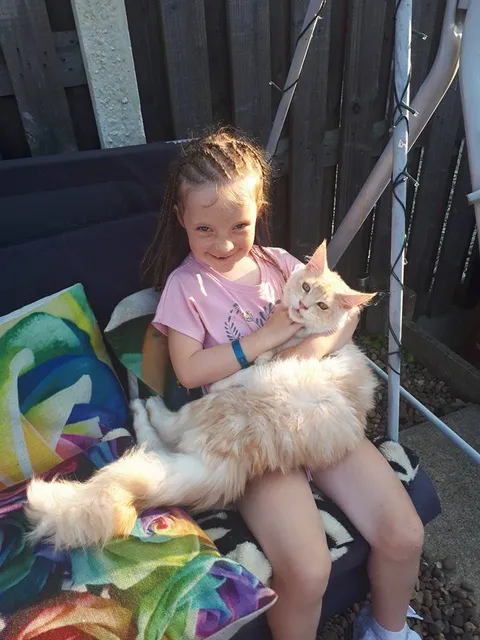
Find Russian Blue adverts for sale and for adoption on Mypetzilla now.
Similar breeds you may want to consider
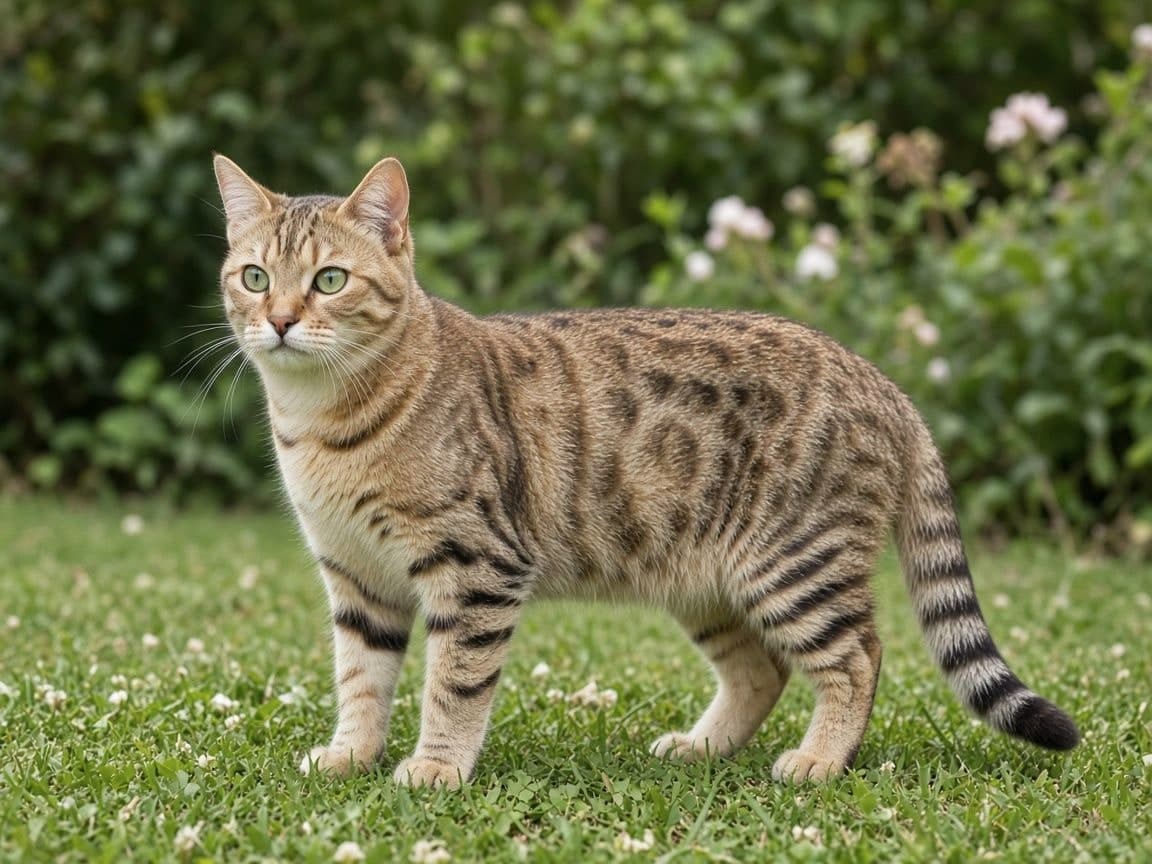
Australian Mist
Lively, affectionate, inquisitive, gentle, playful, curious, sociable and companionable.
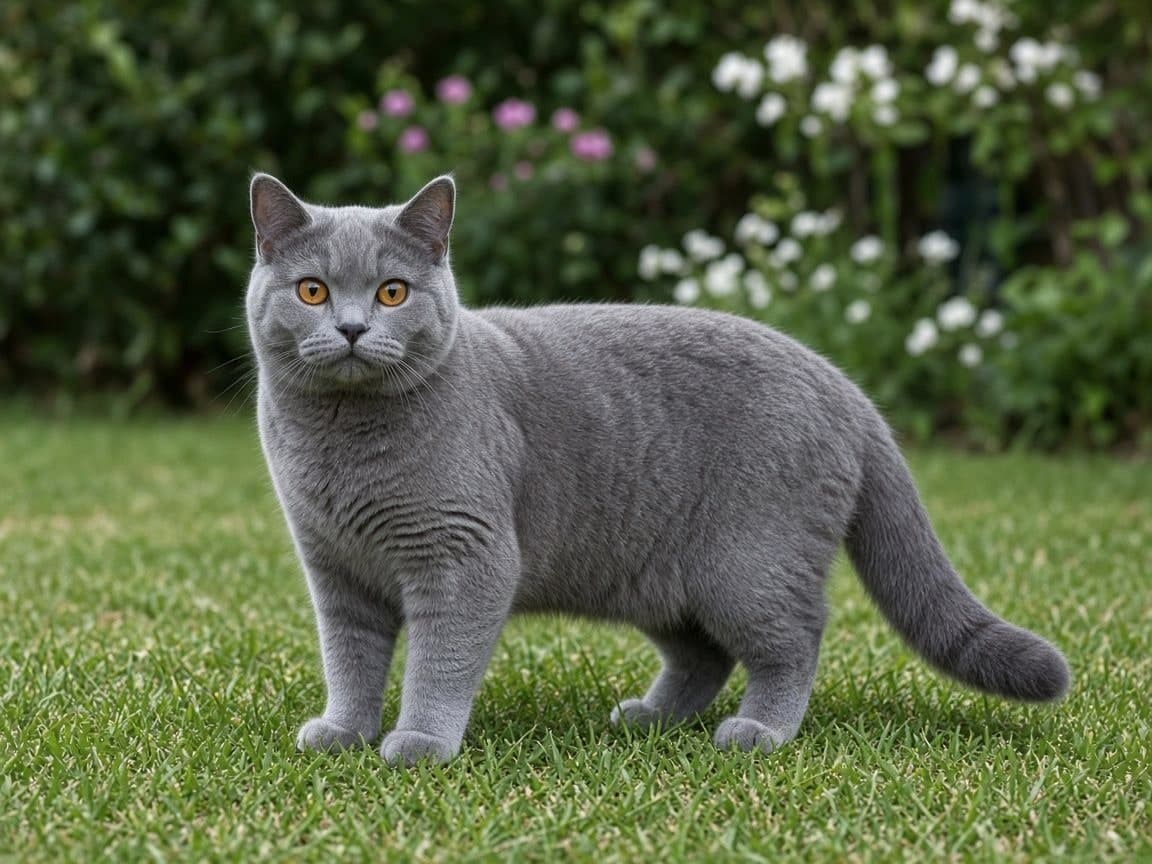
View breed guideBritish Shorthair
Patient, tolerant, relaxed, affectionate, loyal, playful, calm and easygoing.
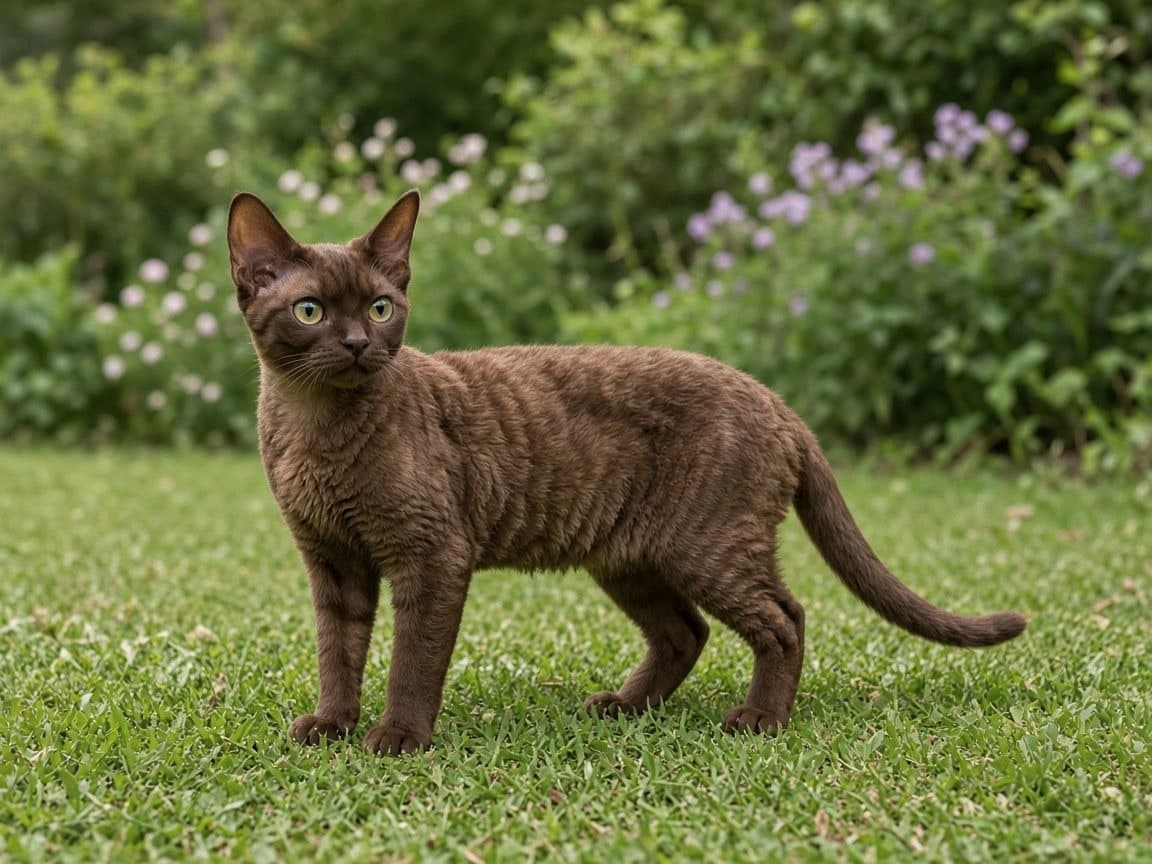
View breed guideDevon Rex
Intelligent, mischievous, active, playful, curious, friendly, affectionate and sociable.
View breed guide
Russian Blue FAQs
Is the Russian Blue good with children?
Usually better with older, calmer children. Individual cats vary with breeding, upbringing and health, so ask about the cat you are considering.
Can the Russian Blue be an indoor cat?
Often content as an indoor cat. Indoor cats need daily play, places to climb and scratch, and a window to watch from.
How active is the Russian Blue?
Moderately active, with bursts of play. Short play sessions every day help any cat stay fit and settled.
Does the Russian Blue shed?
Tends to shed a lot.
How much grooming does the Russian Blue need?
Typically: minimal: an occasional brush.
Can the Russian Blue be left alone?
Often copes well alone during the day. Every cat needs company, play and someone to check on it each day.
Is the Russian Blue a talkative cat?
Tends to be quiet. Individual cats vary with breeding, upbringing and health, so ask about the cat you are considering.
How long does the Russian Blue live?
Typically 12–15 years. Lifespan varies with genetics, weight, care and luck.
How big does the Russian Blue get?
Adults typically weigh 3–7 kg.