Toyger at a glance
- Size
- Medium
- Weight
- 3.6–6.8 kg
- Life expectancy
- 12–16 years
Typical for the breed, not a promise about any one cat.
Is the Toyger right for you?
Like every breed, the Toyger is not the right fit for every home. Based on the breed’s typical traits:
May suit you if…
- You have, or would like, another cat.
- You have a calm, cat-friendly dog and can introduce them slowly.
- You would enjoy an active, playful cat and have time to play every day.
- You would like a coat that is fairly easy to look after.
Consider another breed if…
- You cannot offer any safe outdoor space.
- You have young children at home.
- This would be your first cat.
- You would like a calm, laid-back cat.
How would the Toyger fit your lifestyle?
Choose a few details for a general, non-guaranteed view.
About the Toyger
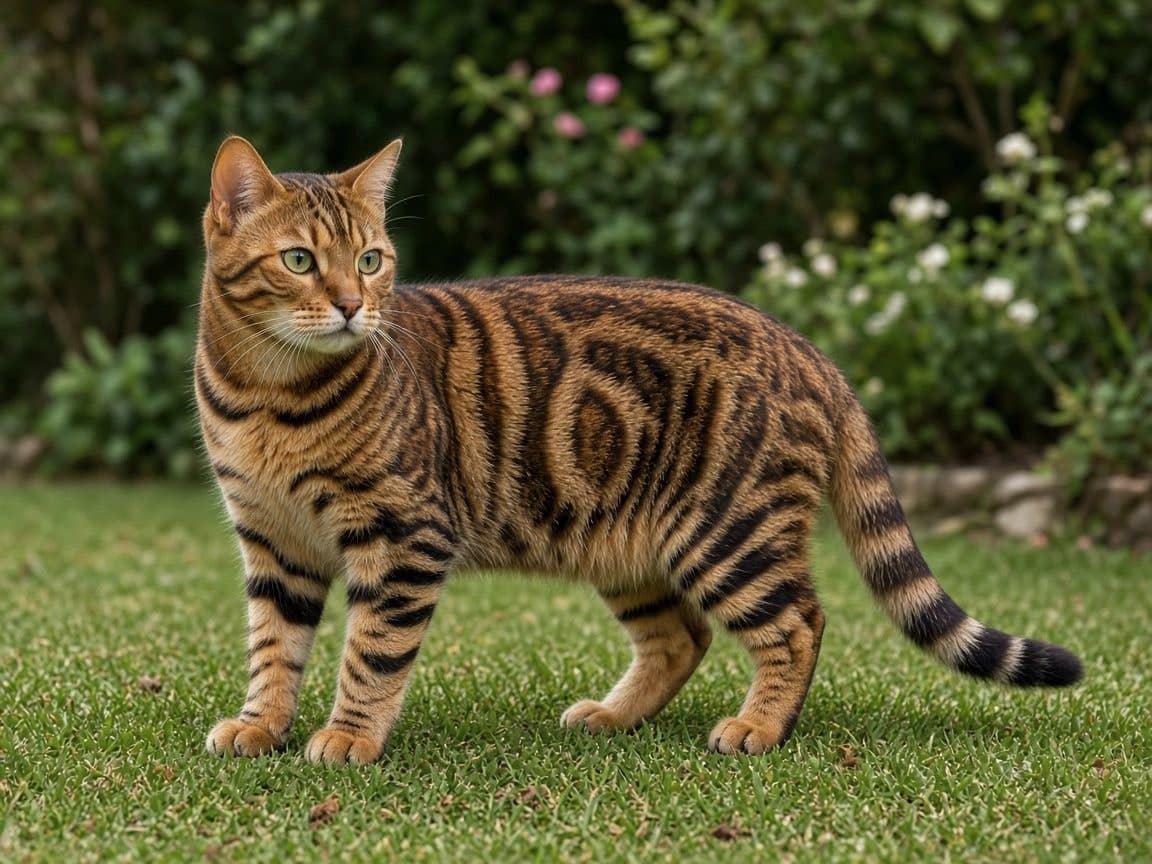
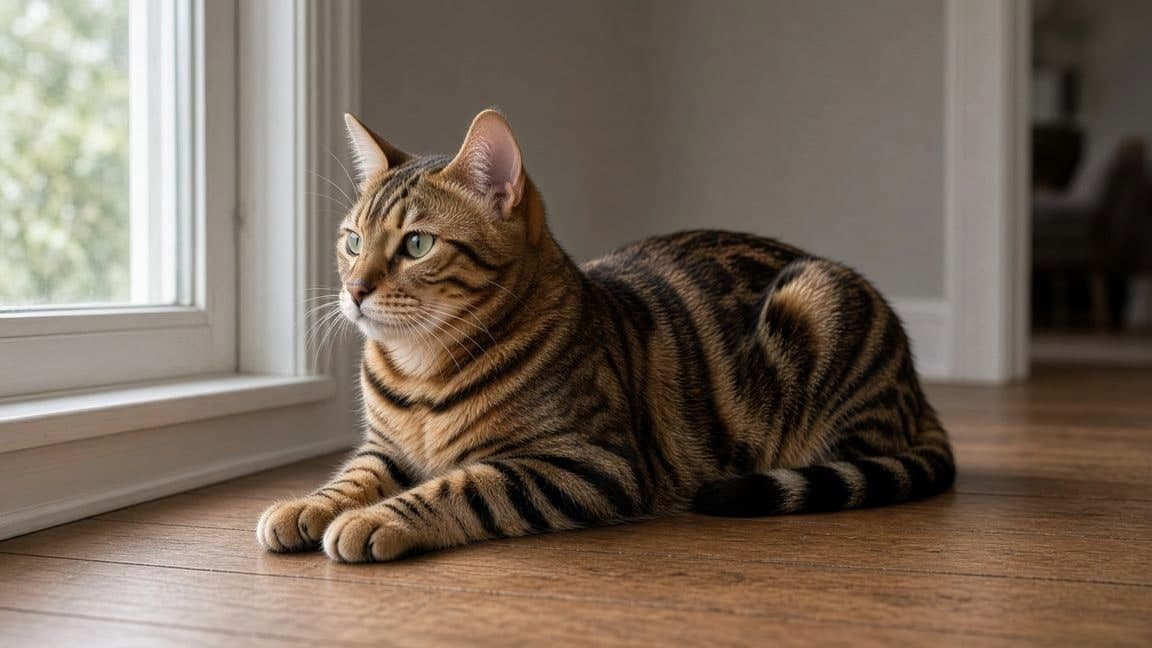
The Toyger is a sleek, muscular cat with a long, low-slung body, a long, thick tail and a soft, plush coat marked with bold, branching vertical stripes. It was bred to resemble a miniature tiger but with the temperament of a domestic pet, and it is typically intelligent, playful and affectionate.
Key characteristics
General breed tendencies, not a prediction for an individual cat.
- Size
Medium
A mid-sized cat.
- Coat length
Short
A short coat.
- Activity level
Very active
Very active; needs plenty of play and things to climb.
- Grooming
Minimal
An occasional brush is usually enough.
- Shedding
Low
Tends to shed little, though every cat sheds some hair.
- Vocal
Talks sometimes
Will talk to you, but is not usually loud.
- Good with children
Older children
Usually better with older, calmer children.
- Good with other cats
Usually sociable
Usually enjoys the company of other cats.
- Good with dogs
Often fine
Often gets on with a cat-friendly dog.
- Suits first-time owners
Experienced owners
Best with an experienced cat owner.
- Time alone
A few hours
Usually copes with a few hours alone.
- Indoors and outdoors
Some outdoor space
Benefits from some safe outdoor space, such as a cat-proofed garden.
The breed was developed in the United States from the late 1980s by Judy Sugden, whose mother founded the Bengal breed. While working on mackerel tabbies descended from Bengals and other breeds, including domestic shorthairs, she noticed a cat with tabby markings on the temples and saw a way to create the circular head markings of a real tiger. Foundation cats included a striped domestic shorthair, a large Bengal and a street cat imported from Kashmir, India. The Bengal was the main breed used to develop the Toyger, but the GCCF states that no new wild cat outcross has been used.
TICA accepted the Toyger for registration in 1993 and granted full championship recognition in 2007. The GCCF recognised it in October 2015, and it reached preliminary status in June 2016. Development of the breed is still ongoing, with as much focus on temperament as on looks. It is a minority breed, which means it is rare in the UK.
Toyger temperament
Toygers are usually active, intelligent and companionable. They want to interact and play with their family, so owners should be ready to spend time each day amusing them, but they will also let you know when they want some quiet time. A cosy lap is welcome once playtime is over.
They are confident and outgoing and will make their feelings known if they feel neglected. They are easy to train, can learn to fetch and play other games, and can be taught to walk on a harness.
Size and appearance
The Toyger is a medium-sized, large-boned, muscular and athletic cat with a long body, strong legs, large rounded paws and a very long, thick, rope-like tail. The head is long and broad with small, rounded ears and small to medium eyes. Females typically weigh about 3.6 to 5.4 kg and males about 4.5 to 6.8 kg.
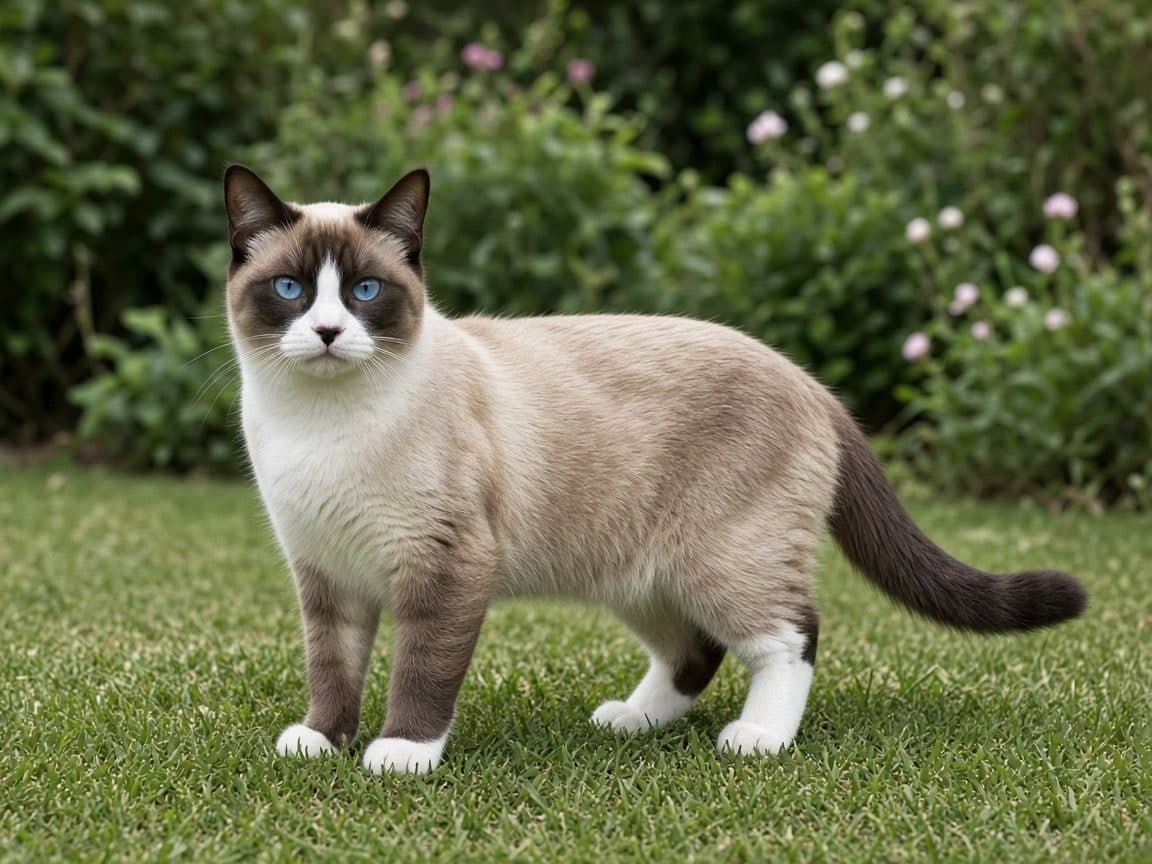
The coat is short, dense, very soft and plush, in a modified mackerel tabby pattern with bold, braided stripes, circular markings on the face and lighter colouring underneath. The GCCF recognises three colours: brown (black) mackerel tabby with gold, green or hazel eyes; blue-eyed snow mackerel tabby on an ivory to cream ground; and AOC-eyed snow mackerel tabby with gold, green or blue-green eyes.
How active is the Toyger?
This is a highly active, clever cat that needs plenty of mental stimulation to stay healthy and happy. Puzzle toys, things to climb and high platforms to rest on all help, along with interactive games with its people. Variety matters: the GCCF says variety is the spice of life for a Toyger.
Toyger grooming
The coat needs little grooming. The GCCF suggests a light brush and comb once a week to keep it in good condition and remove loose hair; Purina UK suggests a wipe with a grooming glove and a regular check for parasites and wounds. Shedding is low. A greasy coat can be a sign that a cat has stopped grooming itself, which may point to poor health or excess weight.
Indoors and outdoors
Toygers live happily as house cats if they have enough space and mental stimulation. They also enjoy going outdoors, but secure outdoor housing or an enclosed garden is recommended to keep them safe. Purina UK notes their climbing and hunting skills can land them in trouble and threaten local wildlife, and that their striking markings make them a target for pet thieves.
A Toyger copes while its people are out at work or school, but it will not be happy if left alone for long periods, and the GCCF warns it can develop separation anxiety. It would be distressed left overnight or for longer stretches during the day.
Living with a Toyger
Toygers were bred to be family-friendly and usually get on well with respectful children. Purina UK points out that this does not mean they will put up with any treatment, and says they are best with children old enough to follow rules and respect a cat's space.
Whatever the breed, young children should be supervised around cats and shown how to stroke them gently and let them walk away.
Children
Usually better with older, calmer children.
Other cats
Usually enjoys the company of other cats.
Dogs
Often gets on with a cat-friendly dog.
Indoors and outdoors
Benefits from some safe outdoor space.
Being left alone
Usually copes with a few hours alone.
First-time owners
Best with an experienced cat owner.
Other cats and pets
Toygers usually get on well with other cats, especially if introduced when young, and with cat-friendly dogs.
Toyger health
Not yet reviewed by a vet. This is general information, not veterinary advice: speak to your vet about your own cat’s health.
The GCCF describes the Toyger as generally healthy, with no diseases specific to the breed and no health problems linked to its build, and Purina UK reports no common disorders. Because the Bengal was the main breed used in its development, breeders are advised to carry out the same health screening as for Bengals, although the GCCF notes anecdotal reports that these conditions are much less common in Toygers.
Hypertrophic cardiomyopathy (HCM)
A heart condition that Bengal breeders screen for. The GCCF recommends the same echocardiography screening for Toygers used in breeding.
Pyruvate kinase deficiency
Both sources recommend DNA testing for this inherited condition, as for the Bengal.
Progressive retinal atrophy (PRA)
Both sources recommend DNA testing, with the GCCF specifying the Bengal form of PRA.
Cow hocks
Cow hocks crop up occasionally in the breed, and the GCCF advises breeders to select against them.
Reduced milk production
The GCCF notes reports of reduced milk production (agalactia) in some lines.
What health checks should you ask about?
Responsible breeders and rescues are happy to talk about health, and any pressure to decide quickly is a reason to walk away. Before taking a Toyger home, it is reasonable to ask about:
- Health testing of the parents. Ask which health tests the parents have had for conditions known in the breed, and to see the results.
- Veterinary and vaccination records. Kittens should have had a first vaccination and a vet check, with records you can take home.
- Microchip information. In England, cats must be microchipped and registered by 20 weeks old. Ask who the chip is registered to and how the transfer works.
- Registration paperwork. Registration papers, where they apply, record pedigree. They do not by themselves prove health or how a kitten was raised.
How much does a Toyger cost to own?
There are two costs: bringing a Toyger home, and looking after one well. Kitten prices depend on the breeder, health testing and demand; the adverts below show what sellers are asking today.
Ongoing costs are the ones new owners most often underestimate: food, insurance (which usually rises with age), routine vet care, vaccinations and parasite treatment, dental care, grooming, litter, scratching posts and toys, and a cattery or a sitter for holidays. Budget for the whole of the cat’s life, typically 12–16 years, not just the first year.
Buying a Toyger
If you have decided the Toyger suits your life, take the same care choosing where your cat comes from. Meet the kitten in person, see it with its mother, and look at how the litter is raised.
- Check who you are dealing with: every Mypetzilla advert shows the seller type and what we have checked.
- Ask about health testing, vaccinations and the microchip before you commit.
- Take your time. Do not be rushed by deposits or "last one left" stories.
- Meet in person before paying anything, and keep conversations on Mypetzilla.
Adopting a Toyger
Toygers do come up for adoption, through rescue organisations, breed rescues and private rehoming, often because an owner’s circumstances have changed rather than any fault of the cat. An adult cat arrives as a known quantity: its size, coat and character are already on show.
Rescues will usually talk you through the cat’s history, any medical care, and the home it needs, including children, other animals and time alone. Be honest about your circumstances: a good rescue would rather place a cat once, well.
Toygers looking for homes
Live from Mypetzilla, updated as pets are listed.
There are no Toyger adverts at the moment.
Find Toyger adverts for sale and for adoption on Mypetzilla now.
Similar breeds you may want to consider
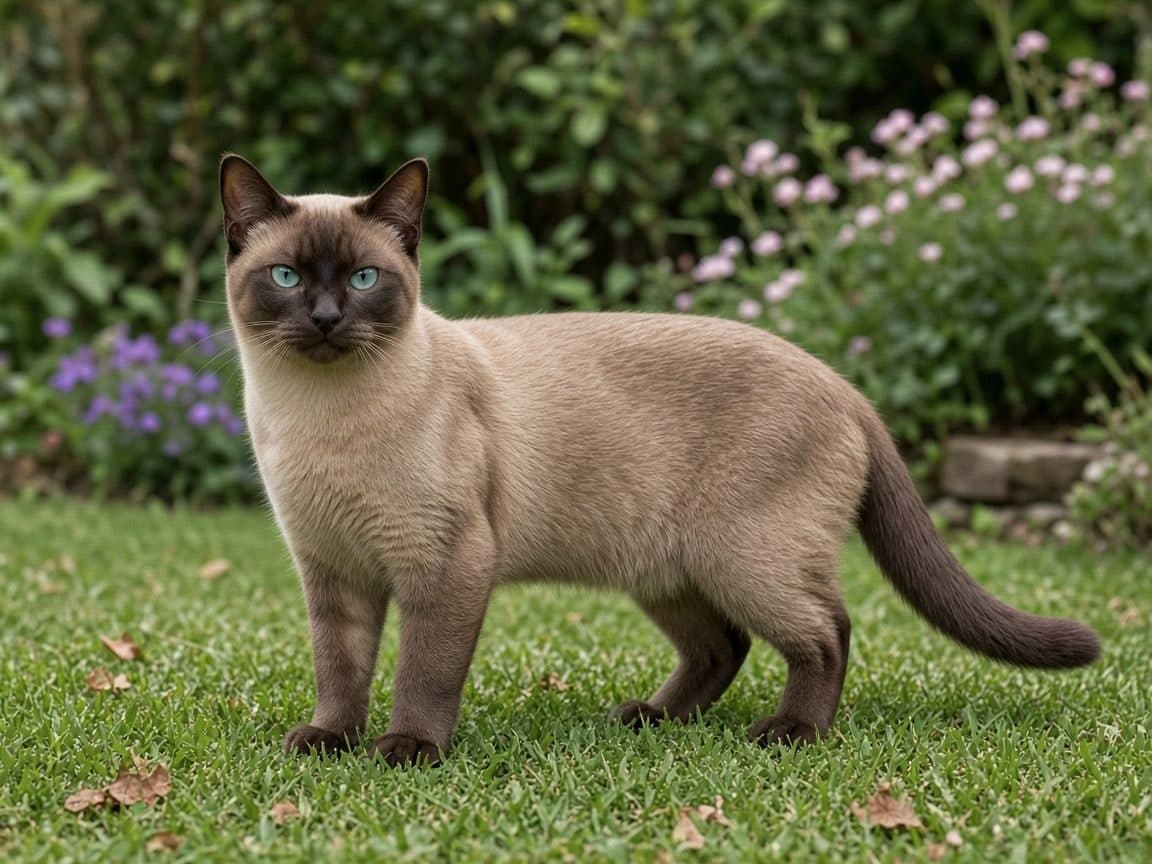
Tonkinese
Outgoing, confident, intelligent, affectionate, inquisitive, curious, sociable and active.
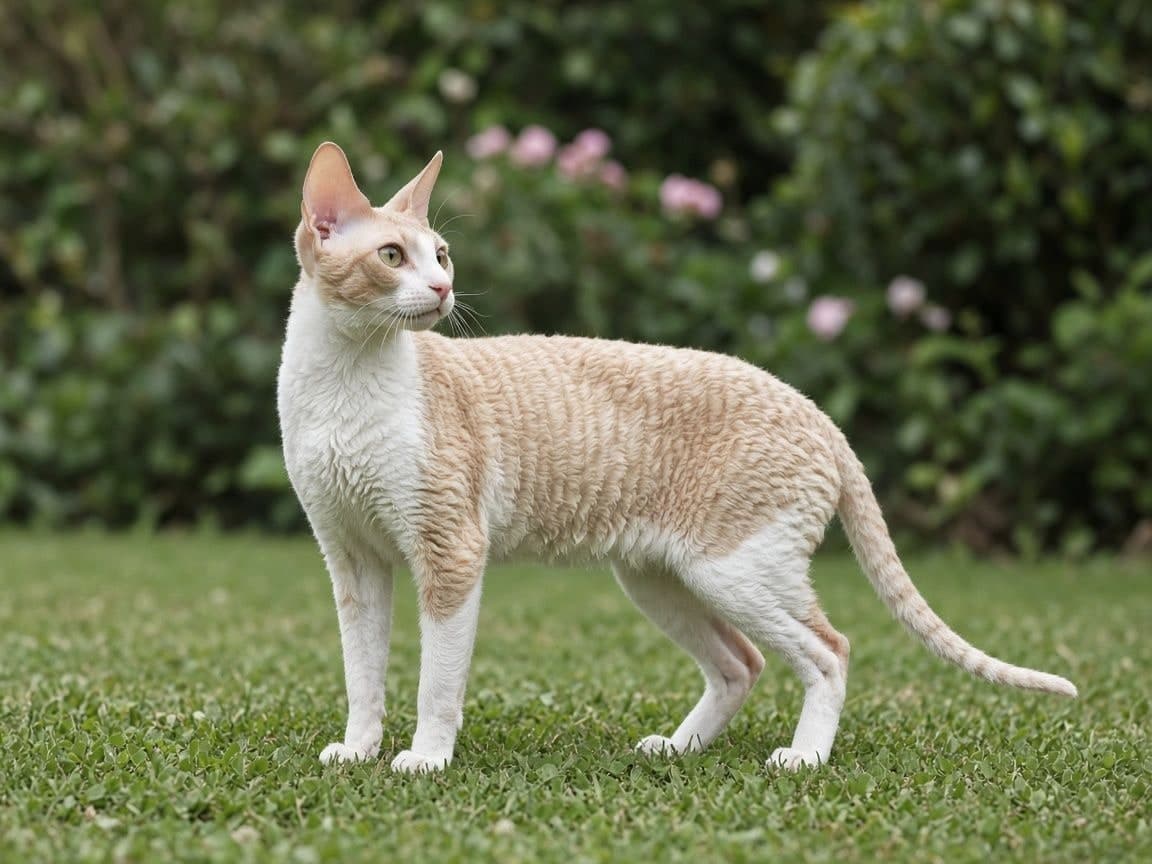
View breed guideCornish Rex
Sociable, affectionate, playful, intelligent, gentle, curious, adventurous and active.
View breed guideSnowshoe
Inquisitive, active, intelligent, playful, curious, sociable and affectionate.
View breed guide
Toyger FAQs
Is the Toyger good with children?
Usually better with older, calmer children. Individual cats vary with breeding, upbringing and health, so ask about the cat you are considering.
Can the Toyger be an indoor cat?
Benefits from some safe outdoor space. Indoor cats need daily play, places to climb and scratch, and a window to watch from.
How active is the Toyger?
Very active and usually keen to play. Short play sessions every day help any cat stay fit and settled.
Does the Toyger shed?
Tends to shed little.
How much grooming does the Toyger need?
Typically: minimal: an occasional brush.
Can the Toyger be left alone?
Usually copes with a few hours alone. Every cat needs company, play and someone to check on it each day.
Is the Toyger a talkative cat?
Talks sometimes. Individual cats vary with breeding, upbringing and health, so ask about the cat you are considering.
Does the Toyger get on with other cats?
Usually enjoys the company of other cats. Introduce cats slowly, with separate food, water, litter trays and resting places.
Is the Toyger good with dogs?
Often gets on with a cat-friendly dog. Individual cats vary with breeding, upbringing and health, so ask about the cat you are considering.
How long does the Toyger live?
Typically 12–16 years. Lifespan varies with genetics, weight, care and luck.
How big does the Toyger get?
Adults typically weigh 3.6–6.8 kg.