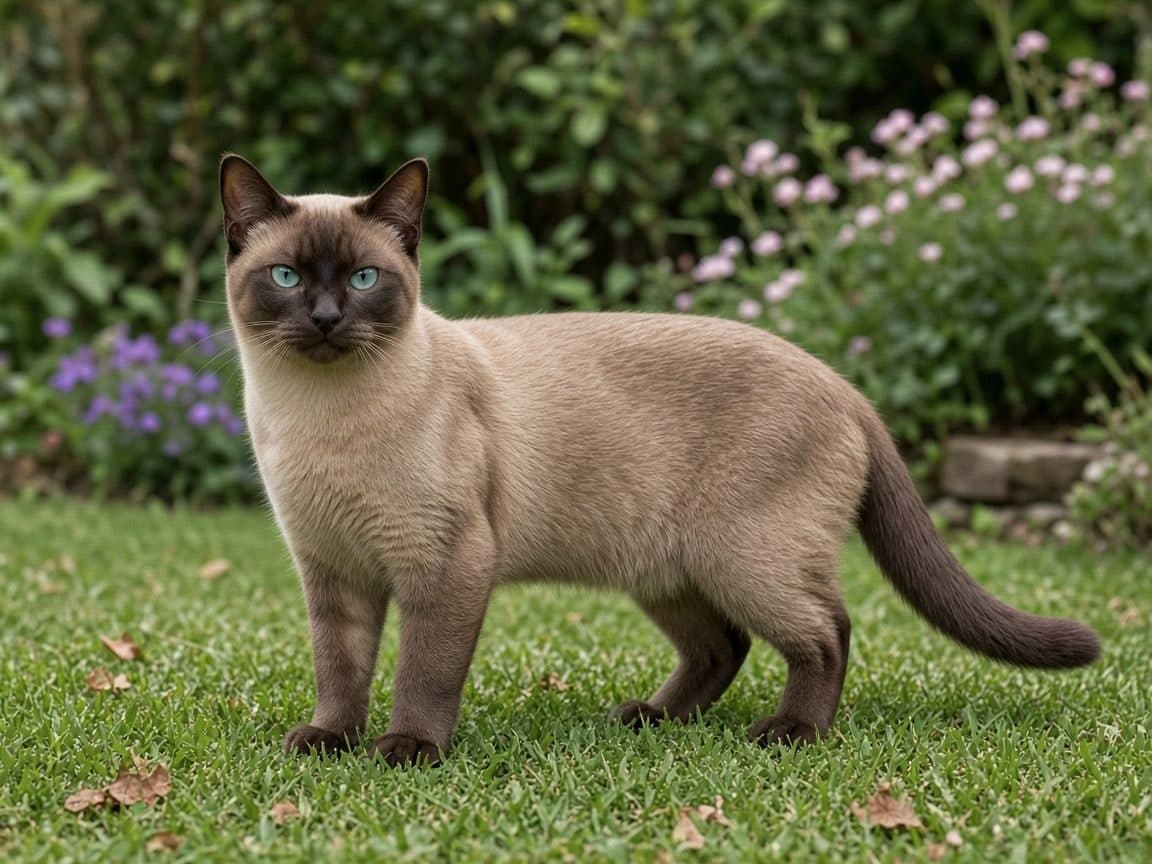
Tonkinese at a glance
- Size
- Medium
- Weight
- 2.5–5.5 kg
- Life expectancy
- from 15 years
Typical for the breed, not a promise about any one cat.
Is the Tonkinese right for you?
Like every breed, the Tonkinese is not the right fit for every home. Based on the breed’s typical traits:
May suit you if…
- You have, or would like, another cat.
- You have a calm, cat-friendly dog and can introduce them slowly.
- You would enjoy an active, playful cat and have time to play every day.
- You would like a coat that is fairly easy to look after.
Consider another breed if…
- The cat would regularly be alone for long working days.
- You cannot offer any safe outdoor space.
- You have young children at home.
- This would be your first cat.
How would the Tonkinese fit your lifestyle?
Choose a few details for a general, non-guaranteed view.
About the Tonkinese
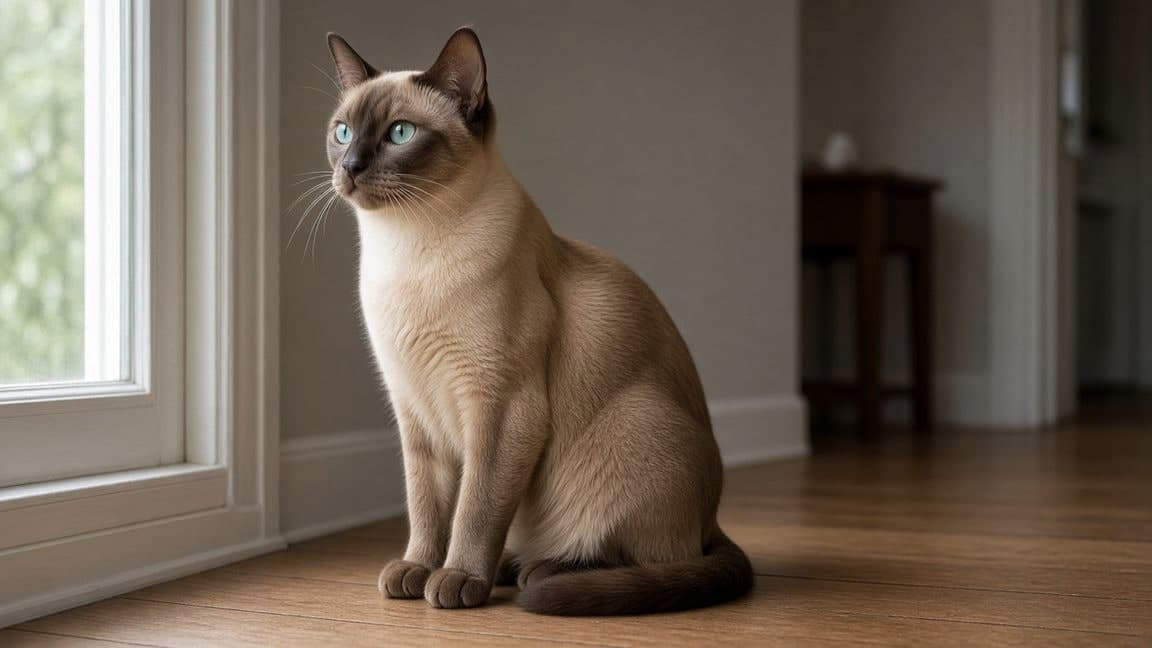
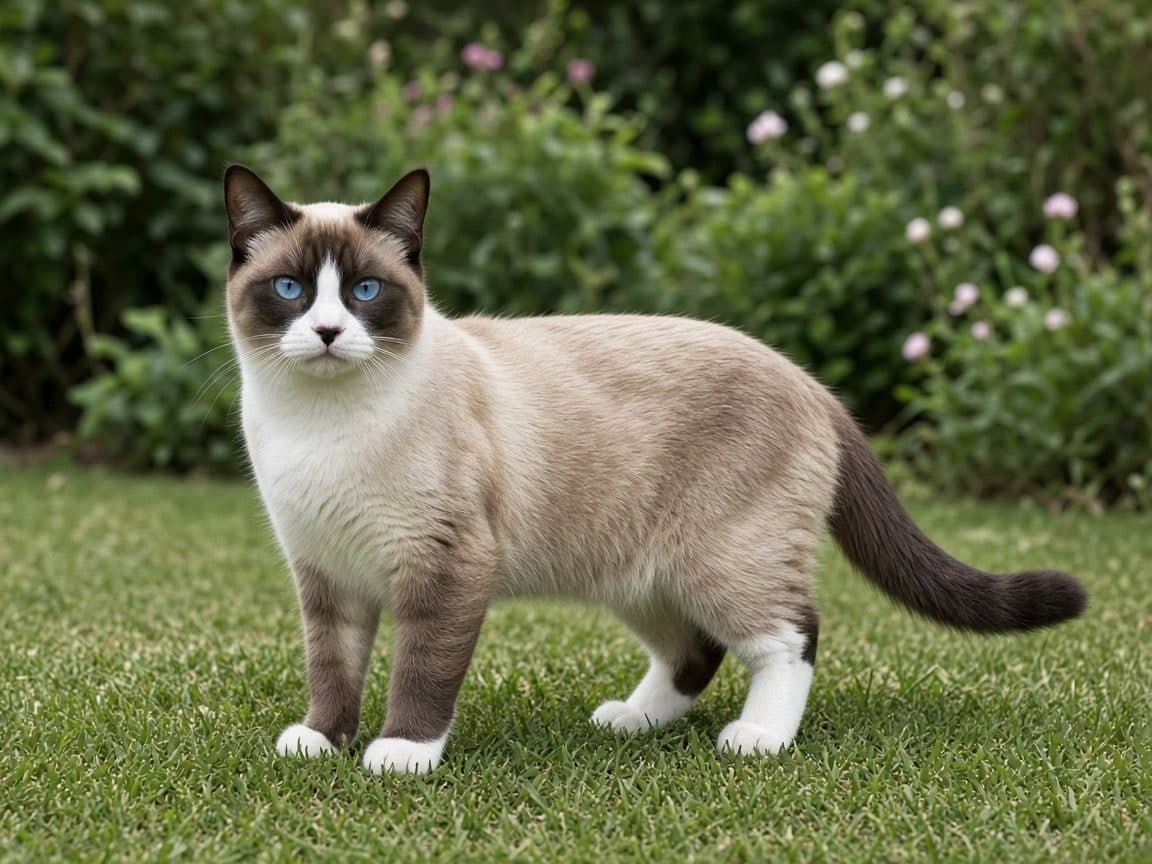
The Tonkinese, often called the "Tonk", is a strong, elegant cat of medium build with long, slender legs, a gently rounded wedge-shaped head and a short, fine, silky coat. Its classic coat pattern has a rich body colour merging gently into darker points, with striking aquamarine eyes. It is typically outgoing, confident and full of personality.
Key characteristics
General breed tendencies, not a prediction for an individual cat.
- Size
Medium
A mid-sized cat.
- Coat length
Short
A short coat.
- Activity level
Very active
Very active; needs plenty of play and things to climb.
- Grooming
Minimal
An occasional brush is usually enough.
- Shedding
Low
Tends to shed little, though every cat sheds some hair.
- Vocal
Talks sometimes
Will talk to you, but is not usually loud.
- Good with children
Older children
Usually better with older, calmer children.
- Good with other cats
Usually sociable
Usually enjoys the company of other cats.
- Good with dogs
Often fine
Often gets on with a cat-friendly dog.
- Suits first-time owners
Experienced owners
Best with an experienced cat owner.
- Time alone
Prefers company
Prefers company and is best not left alone for long.
- Indoors and outdoors
Some outdoor space
Benefits from some safe outdoor space, such as a cat-proofed garden.
The Tonkinese is genetically related to the Burmese and Siamese, and its coat pattern falls midway between theirs. The GCCF traces cats like it back several centuries to the Cat Book Poems of Thailand, and to cats brought to the West in the late 1800s, which were often confused with Siamese and Burmese. Wong Mau, the foundation cat of the Burmese breed, is now thought to have been a Tonkinese. In the late 1950s North American breeders began developing breeding lines from these cats, and Purina UK describes the modern breed as a result of crossing Siamese with Burmese. The name Tonkinese dates from 1965, and the breed was recognised by the GCCF in 1991.
The GCCF lists the Tonkinese as a minority breed, meaning it is still fairly rare in the UK.
Tonkinese temperament
Tonks are usually sociable, intelligent and affectionate cats that bond strongly with their people and show it clearly. They want to be involved in everything, are often described as more like dogs than cats, and may play fetch. Many can be trained to walk on a lead or respond to simple requests.
They are often talkative and enjoy long "conversations", though they are generally less vocal and have quieter voices than the Siamese. On the downside, they are easily bored, can be stubborn and will not tolerate being ignored. They will sit on laps, but only when they choose to.
Size and appearance
The Tonkinese is a medium-sized, firm and muscular cat that is often heavier than it looks. Adults typically weigh about 2.5 to 5.5 kg; males are larger than females. The coat is short, soft and close-lying with a lustrous sheen.
There are three coat patterns, each with its own eye colour:
- Tonkinese pattern: a lighter body subtly merging into darker points, with greenish-blue or bluish-green (aquamarine) eyes.
- Burmese pattern: a more even colour all over, with eyes from deep yellow to bluish-green.
- Colourpointed pattern: a pale body with clearly contrasting points and clear blue eyes.
Colours include brown, blue, chocolate, cinnamon, lilac, fawn, red, cream, caramel and apricot, in self, tortoiseshell, tabby and tortie tabby varieties, giving 78 possible combinations.
How active is the Tonkinese?
This is a highly active, playful cat that loves to climb and jump and may watch you from the top of a wardrobe. It needs extensive cat trees, climbing frames and a wide choice of toys, especially ones that can be stuffed with food, or your furniture may suffer. Play, clicker training and interactive feeding all help keep a Tonk content. Fragile ornaments are best put away.
Tonkinese grooming
The short coat largely looks after itself, and the GCCF rates maintenance as low. A weekly groom with a rubber brush or bristle brush removes loose, dead hair and is a chance to check the skin. Shedding is low, though the Tonkinese Cat Club points out that Tonks still shed fur and dander, so they are not a solution for people with allergies.
Indoors and outdoors
The GCCF says Tonks do not mind being house cats as long as they have a companion and plenty to amuse them. A secure cat run or very secure garden with branches, platforms and tunnels gives them space to run and climb. Purina UK advises against free access outdoors, as they are bold, inquisitive and attractive to pet thieves.
Tonks need company, human or feline. They do not enjoy being home alone for hours every day; with another cat for company they can cope while their owners are at work, but they need focused attention when people get home. They may find a very busy household stressful, and suit people who are at home for much of the day.
Living with a Tonkinese
Tonks generally get on well with children who have been taught to respect animals and not to chase, pull or tease them. Purina UK says they are fine with older children but may find noisy, active children coming and going stressful.
Whatever the breed, young children should be supervised around cats and shown how to stroke them gently and let them walk away.
Children
Usually better with older, calmer children.
Other cats
Usually enjoys the company of other cats.
Dogs
Often gets on with a cat-friendly dog.
Indoors and outdoors
Benefits from some safe outdoor space.
Being left alone
Prefers company and is best not left alone for long.
First-time owners
Best with an experienced cat owner.
Other cats and pets
Tonks need feline company and get on well with most types of cat, particularly other active, intelligent ones. They usually get on with cat-friendly dogs.
Tonkinese health
Not yet reviewed by a vet. This is general information, not veterinary advice: speak to your vet about your own cat’s health.
The GCCF says the Tonkinese has no specific health problems, and Purina UK describes it as generally healthy. The breed is long-lived: average life expectancy is around 15 years, and ages of 19 or 20 are quite common. Purina UK names a few inherited conditions to be aware of.
Burmese head defect
A condition in which the face and skull do not form correctly.
Progressive retinal atrophy (PRA)
An inherited disorder in which part of the eye degenerates, which can lead to blindness. A DNA test is available.
Pyruvate kinase deficiency
An inherited disease that causes anaemia. A DNA test is available.
What health checks should you ask about?
Responsible breeders and rescues are happy to talk about health, and any pressure to decide quickly is a reason to walk away. Before taking a Tonkinese home, it is reasonable to ask about:
- Health testing of the parents. Ask which health tests the parents have had for conditions known in the breed, and to see the results.
- Veterinary and vaccination records. Kittens should have had a first vaccination and a vet check, with records you can take home.
- Microchip information. In England, cats must be microchipped and registered by 20 weeks old. Ask who the chip is registered to and how the transfer works.
- Registration paperwork. Registration papers, where they apply, record pedigree. They do not by themselves prove health or how a kitten was raised.
How much does a Tonkinese cost to own?
There are two costs: bringing a Tonkinese home, and looking after one well. Kitten prices depend on the breeder, health testing and demand; the adverts below show what sellers are asking today.
Ongoing costs are the ones new owners most often underestimate: food, insurance (which usually rises with age), routine vet care, vaccinations and parasite treatment, dental care, grooming, litter, scratching posts and toys, and a cattery or a sitter for holidays. Budget for the whole of the cat’s life, typically from 15 years, not just the first year.
Buying a Tonkinese
If you have decided the Tonkinese suits your life, take the same care choosing where your cat comes from. Meet the kitten in person, see it with its mother, and look at how the litter is raised.
- Check who you are dealing with: every Mypetzilla advert shows the seller type and what we have checked.
- Ask about health testing, vaccinations and the microchip before you commit.
- Take your time. Do not be rushed by deposits or "last one left" stories.
- Meet in person before paying anything, and keep conversations on Mypetzilla.
Adopting a Tonkinese
Tonkineses do come up for adoption, through rescue organisations, breed rescues and private rehoming, often because an owner’s circumstances have changed rather than any fault of the cat. An adult cat arrives as a known quantity: its size, coat and character are already on show.
Rescues will usually talk you through the cat’s history, any medical care, and the home it needs, including children, other animals and time alone. Be honest about your circumstances: a good rescue would rather place a cat once, well.
Tonkineses looking for homes
Live from Mypetzilla, updated as pets are listed.
There are no Tonkinese adverts at the moment.
Find Tonkinese adverts for sale and for adoption on Mypetzilla now.
Similar breeds you may want to consider
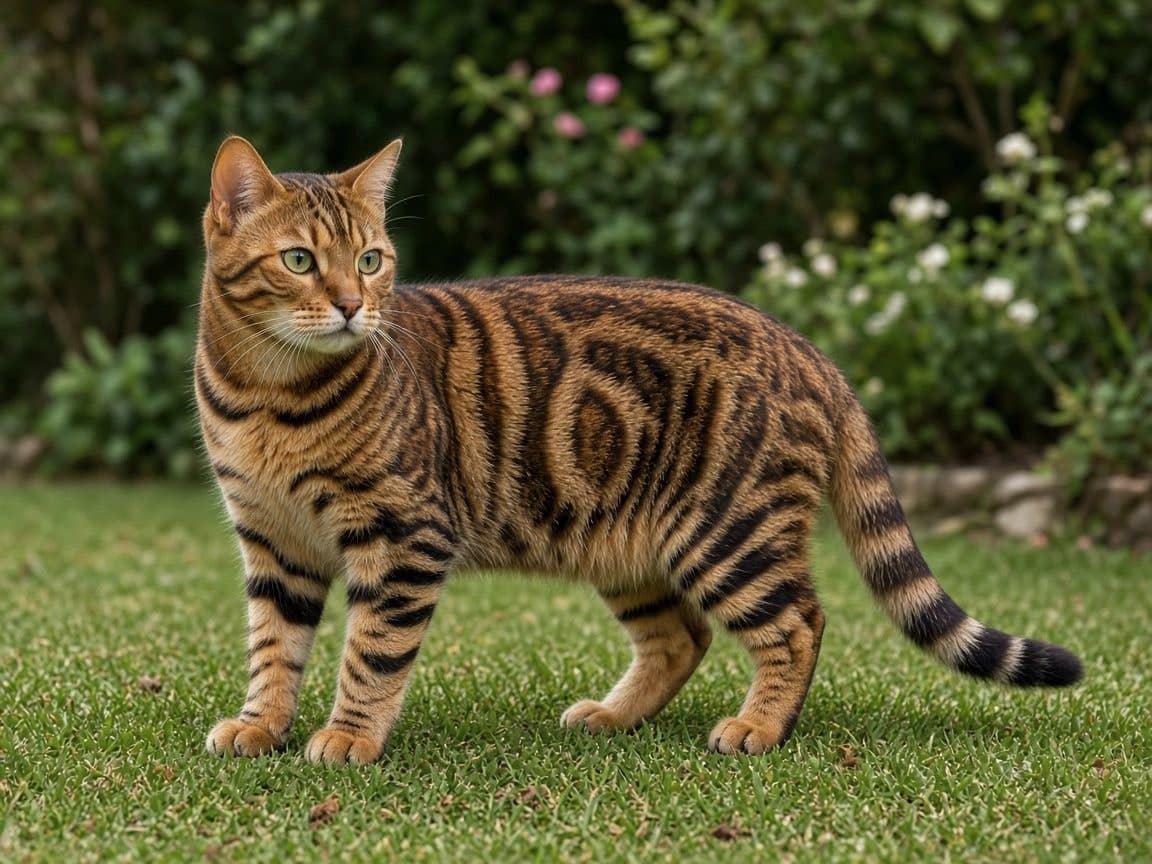
Toyger
Intelligent, playful, affectionate, active, companionable, sociable, confident and outgoing.
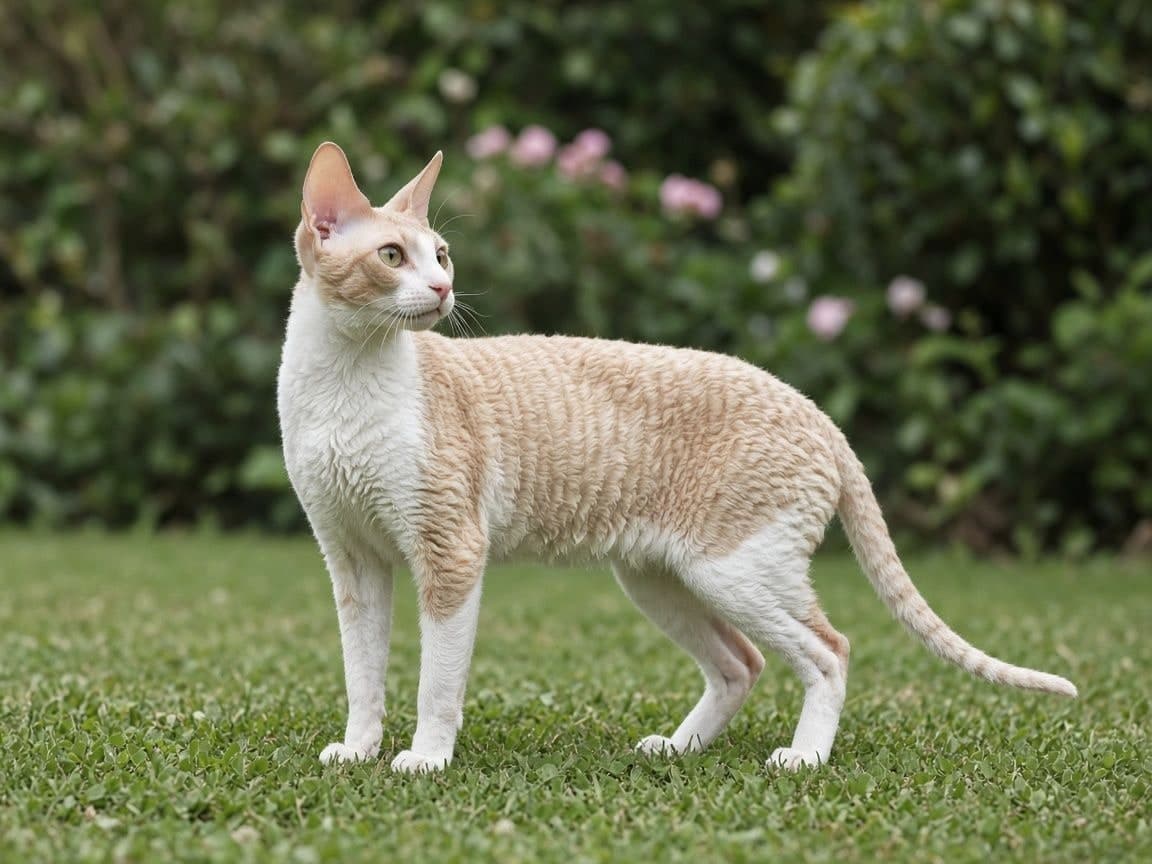
View breed guideCornish Rex
Sociable, affectionate, playful, intelligent, gentle, curious, adventurous and active.
View breed guideSnowshoe
Inquisitive, active, intelligent, playful, curious, sociable and affectionate.
View breed guide
Tonkinese FAQs
Is the Tonkinese good with children?
Usually better with older, calmer children. Individual cats vary with breeding, upbringing and health, so ask about the cat you are considering.
Can the Tonkinese be an indoor cat?
Benefits from some safe outdoor space. Indoor cats need daily play, places to climb and scratch, and a window to watch from.
How active is the Tonkinese?
Very active and usually keen to play. Short play sessions every day help any cat stay fit and settled.
Does the Tonkinese shed?
Tends to shed little.
How much grooming does the Tonkinese need?
Typically: minimal: an occasional brush.
Can the Tonkinese be left alone?
Prefers company and is best not left alone for long. Every cat needs company, play and someone to check on it each day.
Is the Tonkinese a talkative cat?
Talks sometimes. Individual cats vary with breeding, upbringing and health, so ask about the cat you are considering.
Does the Tonkinese get on with other cats?
Usually enjoys the company of other cats. Introduce cats slowly, with separate food, water, litter trays and resting places.
Is the Tonkinese good with dogs?
Often gets on with a cat-friendly dog. Individual cats vary with breeding, upbringing and health, so ask about the cat you are considering.
How long does the Tonkinese live?
Typically from 15 years. Lifespan varies with genetics, weight, care and luck.
How big does the Tonkinese get?
Adults typically weigh 2.5–5.5 kg.