Tibetan at a glance
- Size
- Medium
Typical for the breed, not a promise about any one cat. Not assessed yet: Typical adult weight, Activity, Grooming, Shedding, Vocal, Indoors and outdoors, Time alone, Owner experience, Children, Other cats, Living with dogs, Typical lifespan.
How would the Tibetan fit your lifestyle?
Choose a few details for a general, non-guaranteed view.
About the Tibetan
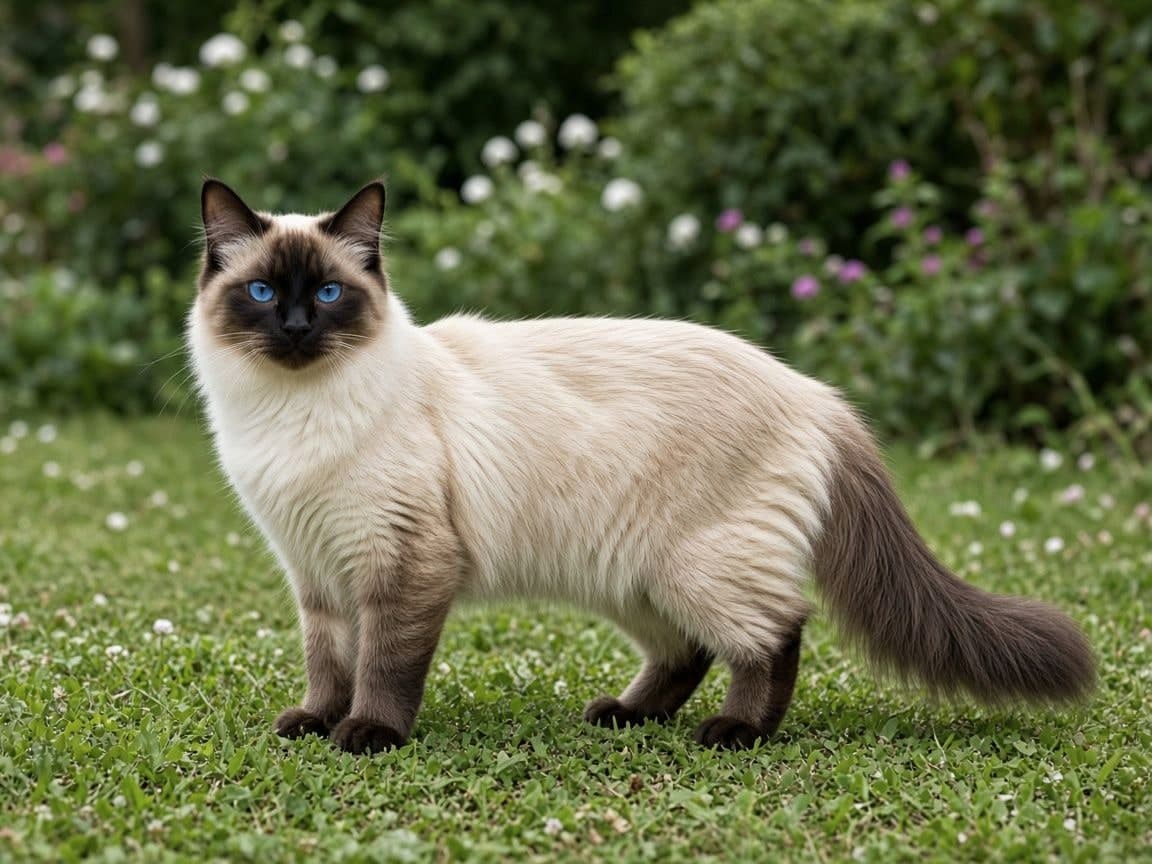
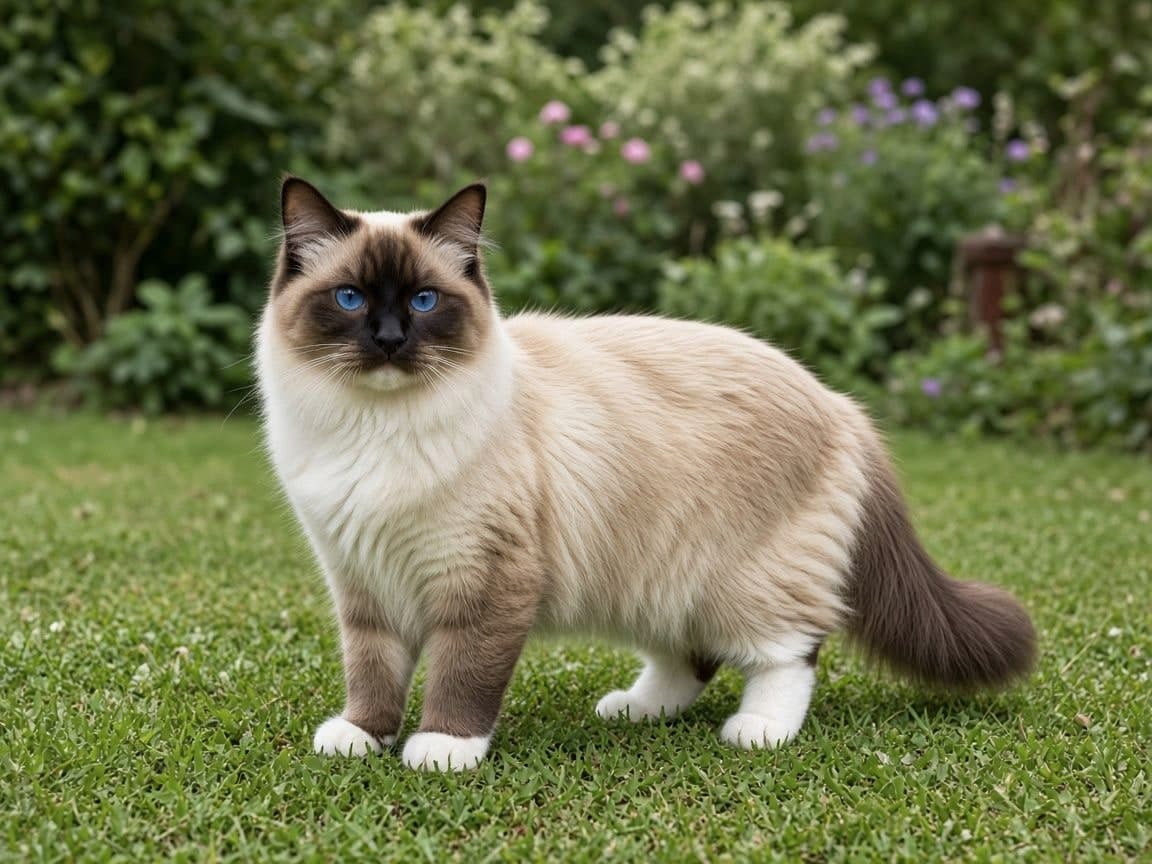
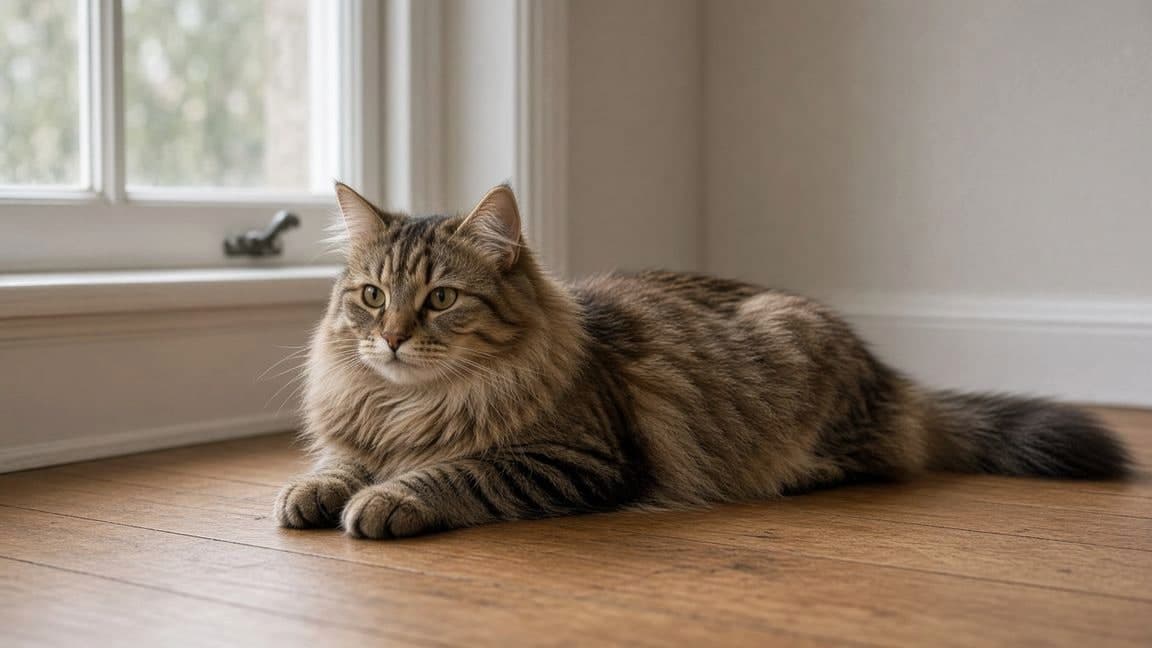
The Tibetan is the name sometimes used for the longhaired variety of the Tonkinese. It is a medium-sized, strongly muscled cat with a gently rounded wedge-shaped head and a fine, silky, semi-long coat that lies close to the body, with well-furnished breeches and tail.
Key characteristics
General breed tendencies, not a prediction for an individual cat.
- Size
Medium
A mid-sized cat.
- Coat length
Semi-long
A semi-long coat.
- Activity level
Not assessed yet
Our sources do not say enough yet.
- Grooming
Not assessed yet
Our sources do not say enough yet.
- Shedding
Not assessed yet
Our sources do not say enough yet.
- Vocal
Not assessed yet
Our sources do not say enough yet.
- Good with children
Not assessed yet
Our sources do not say enough yet.
- Good with other cats
Not assessed yet
Our sources do not say enough yet.
- Good with dogs
Not assessed yet
Our sources do not say enough yet.
- Suits first-time owners
Not assessed yet
Our sources do not say enough yet.
- Time alone
Not assessed yet
Our sources do not say enough yet.
- Indoors and outdoors
Not assessed yet
Our sources do not say enough yet.
The Tonkinese itself was developed from an ancestral cross between the Siamese and the Burmese. In the Tonkinese, the Siamese colourpoint gene and the Burmese sepia gene combine to give an intermediate "mink" colouring, and over time breeders also came to recognise colourpoint and sepia colours within the breed. The French registry LOOF recognises shorthaired and longhaired Tonkinese under one standard.
In the UK, the GCCF does not recognise the Tibetan as a breed. It lists "Longhaired Tonkinese (Tibetan)" as an example of a hair length that is not recognised within an existing GCCF breed. Cats like this may be shown at GCCF shows as Pedigree Pets, but, like all household pets entered there, they must be neutered if they are over six months old.
Size and appearance
The Tibetan is of medium, semi-foreign type: well muscled without being stocky, with a broad, gently rounded chest, a medium-long muscular neck, fairly slim legs, medium oval feet and a medium-long tail that tapers to a slightly blunt tip. The head is slightly longer than it is wide, with medium-sized ears set as much on the side of the head as on top, and slightly slanted, walnut-shaped eyes.
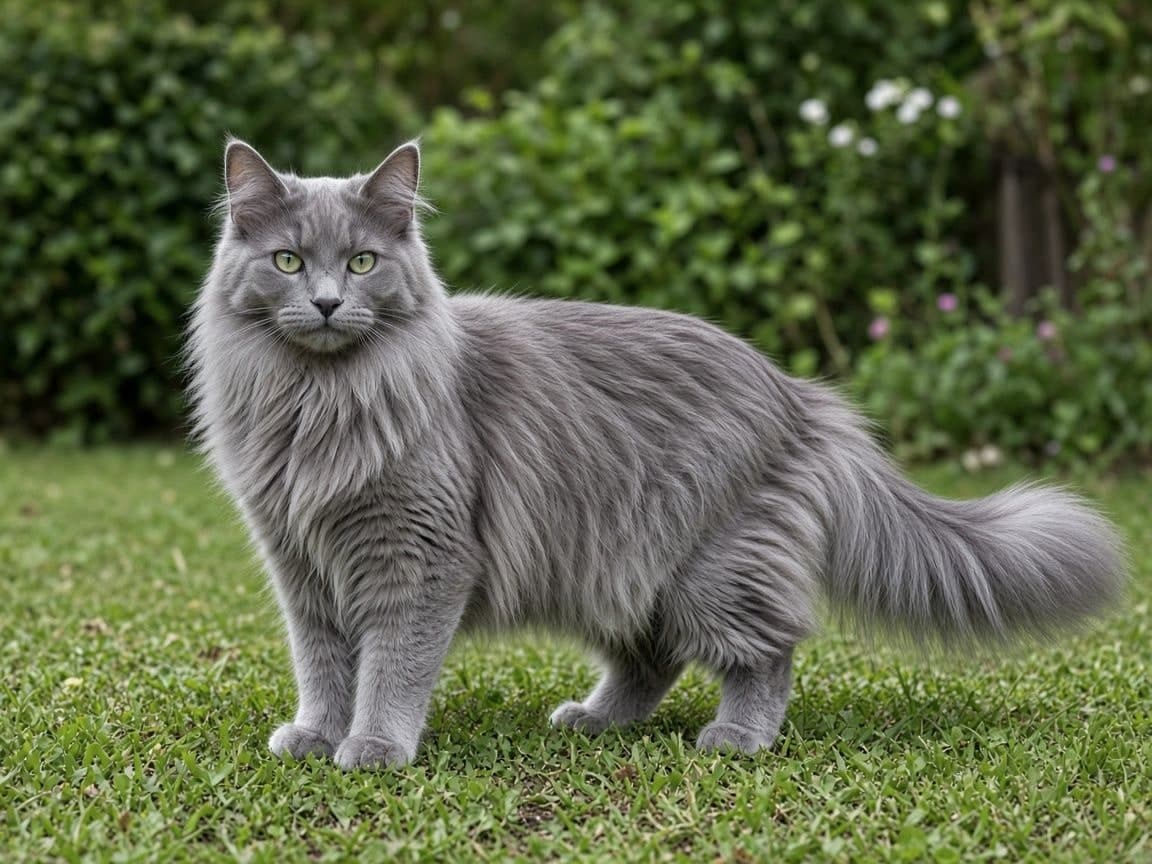
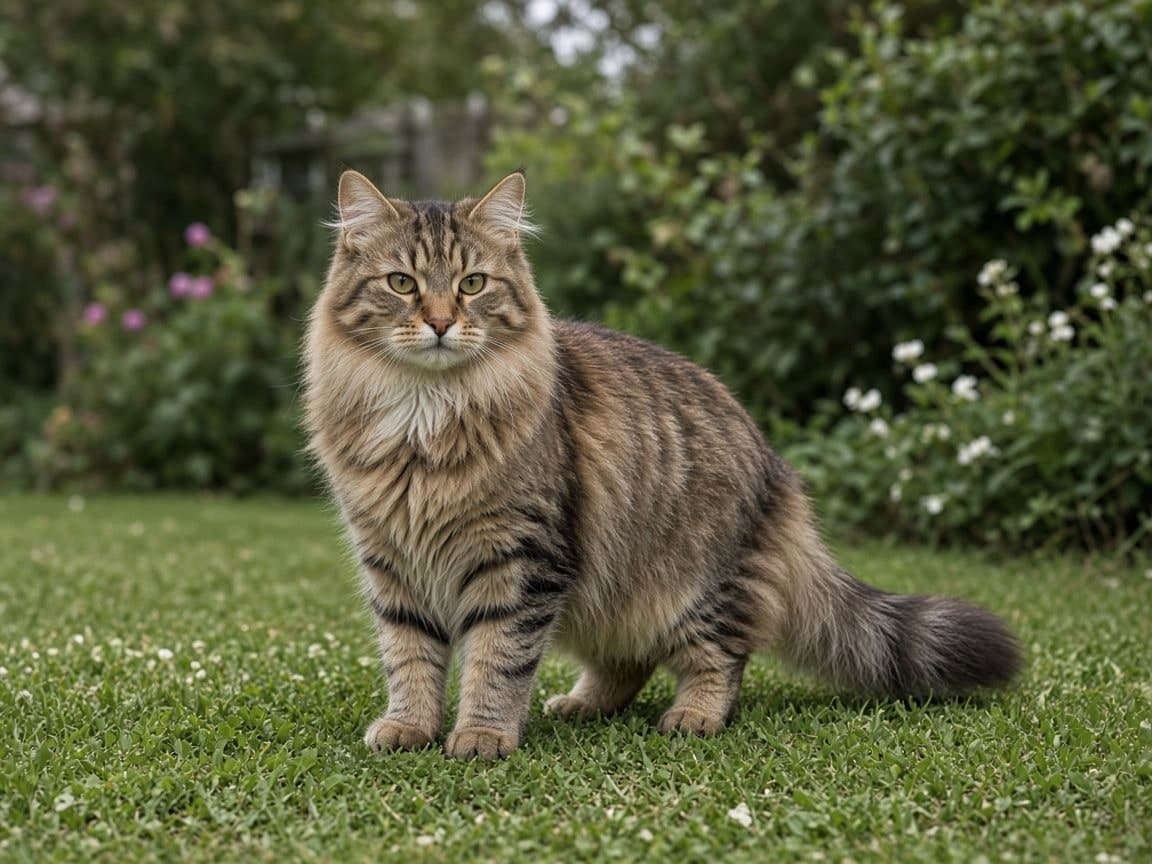
The coat is semi-long, fine and silky, with almost no undercoat. It is shorter on the shoulders and longer on the flanks, and there may be a ruff. All colours are accepted under the LOOF standard, in three patterns, each with its own eye colour:
- Mink: a lighter body blending into darker points, with aqua (blue-green) eyes.
- Colourpoint: a much paler body with strongly contrasting points, with sky blue to violet eyes.
- Sepia: a body that shades gradually, with points only slightly darker, and gold to green eyes.
Solid, tabby and silver or smoke varieties are all recognised.
What health checks should you ask about?
Responsible breeders and rescues are happy to talk about health, and any pressure to decide quickly is a reason to walk away. Before taking a Tibetan home, it is reasonable to ask about:
- Health testing of the parents. Ask which health tests the parents have had for conditions known in the breed, and to see the results.
- Veterinary and vaccination records. Kittens should have had a first vaccination and a vet check, with records you can take home.
- Microchip information. In England, cats must be microchipped and registered by 20 weeks old. Ask who the chip is registered to and how the transfer works.
- Registration paperwork. Registration papers, where they apply, record pedigree. They do not by themselves prove health or how a kitten was raised.
How much does a Tibetan cost to own?
There are two costs: bringing a Tibetan home, and looking after one well. Kitten prices depend on the breeder, health testing and demand; the adverts below show what sellers are asking today.
Ongoing costs are the ones new owners most often underestimate: food, insurance (which usually rises with age), routine vet care, vaccinations and parasite treatment, dental care, grooming, litter, scratching posts and toys, and a cattery or a sitter for holidays. Budget for the whole of the cat’s life, not just the first year.
Buying a Tibetan
If you have decided the Tibetan suits your life, take the same care choosing where your cat comes from. Meet the kitten in person, see it with its mother, and look at how the litter is raised.
- Check who you are dealing with: every Mypetzilla advert shows the seller type and what we have checked.
- Ask about health testing, vaccinations and the microchip before you commit.
- Take your time. Do not be rushed by deposits or "last one left" stories.
- Meet in person before paying anything, and keep conversations on Mypetzilla.
Adopting a Tibetan
Tibetans do come up for adoption, through rescue organisations, breed rescues and private rehoming, often because an owner’s circumstances have changed rather than any fault of the cat. An adult cat arrives as a known quantity: its size, coat and character are already on show.
Rescues will usually talk you through the cat’s history, any medical care, and the home it needs, including children, other animals and time alone. Be honest about your circumstances: a good rescue would rather place a cat once, well.
Tibetans looking for homes
Live from Mypetzilla, updated as pets are listed.
There are no Tibetan adverts at the moment.
Find Tibetan adverts for sale and for adoption on Mypetzilla now.
Similar breeds you may want to consider
Balinese
Affectionate, inquisitive, playful, curious, outgoing, intelligent, extrovert and demanding.
View breed guide