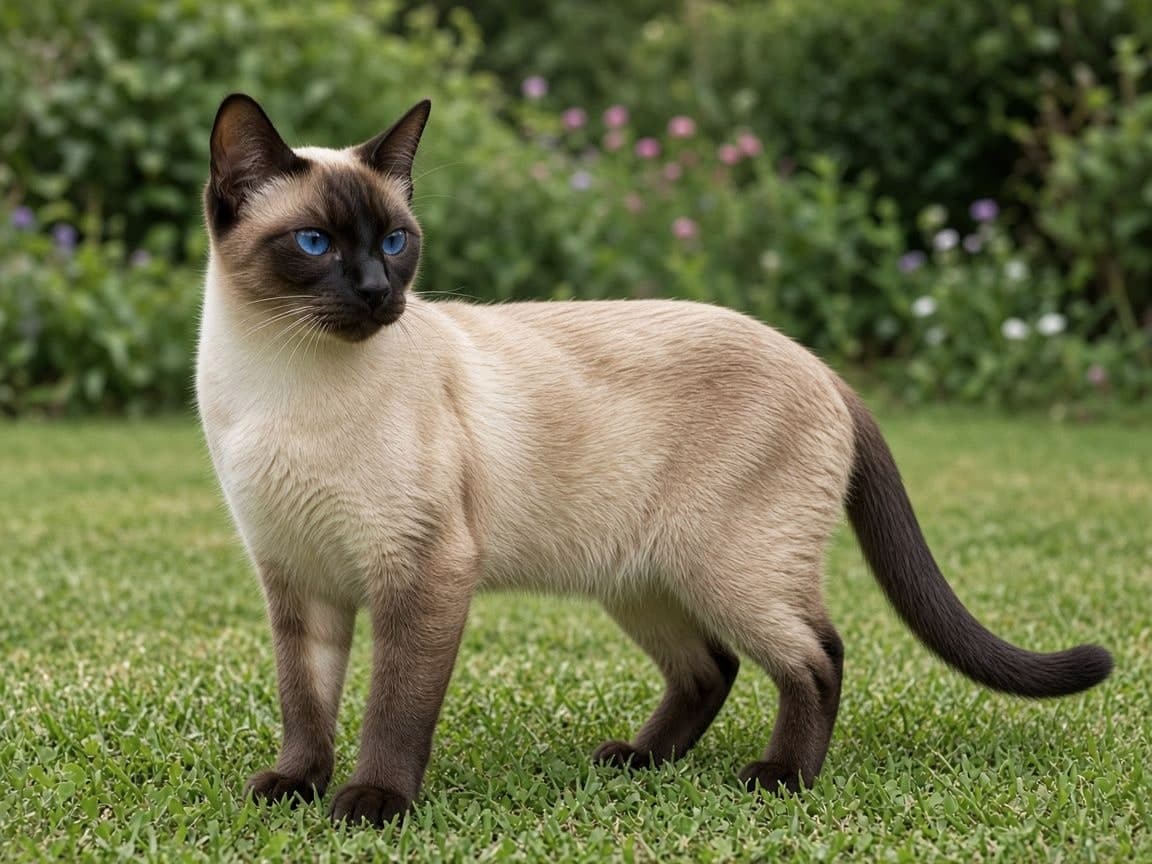
Siamese at a glance
- Size
- Medium
- Weight
- 5–6.5 kg
- Life expectancy
- 10–15 years
Typical for the breed, not a promise about any one cat. Not assessed yet: Other cats, Living with dogs.
Is the Siamese right for you?
Like every breed, the Siamese is not the right fit for every home. Based on the breed’s typical traits:
May suit you if…
- You would enjoy an active, playful cat and have time to play every day.
- You would enjoy a chatty cat that talks to you.
- You would like a coat that is fairly easy to look after.
Consider another breed if…
- The cat would regularly be alone for long working days.
- The cat would have to live indoors only.
- You have children at home.
- You would find a loud, talkative cat hard to live with.
How would the Siamese fit your lifestyle?
Choose a few details for a general, non-guaranteed view.
About the Siamese
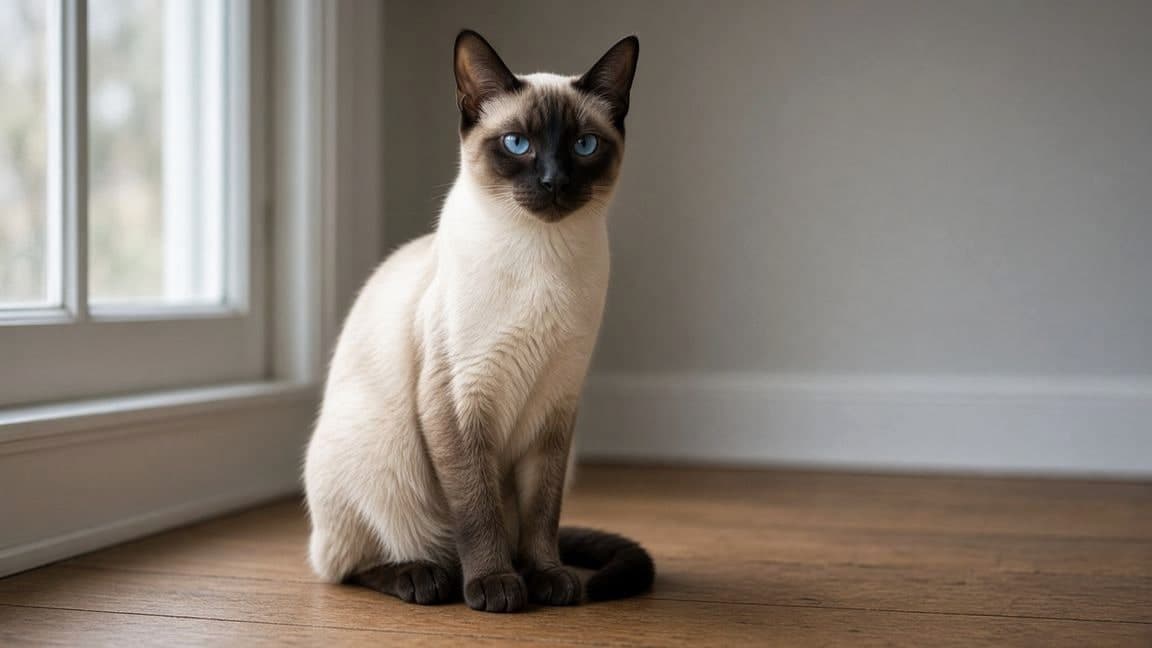
The Siamese is a medium-sized cat with a long, lithe, muscular body, large ears and deep blue eyes. Its most recognisable feature is its coloured points: darker colour on the face, ears, legs and tail against a paler body. It is typically outgoing, highly intelligent and very vocal, and wants to be at the centre of family life.
Key characteristics
General breed tendencies, not a prediction for an individual cat.
- Size
Medium
A mid-sized cat.
- Coat length
Short
A short coat.
- Activity level
Lively
Lively and playful; needs daily play.
- Grooming
Minimal
An occasional brush is usually enough.
- Shedding
Low
Tends to shed little, though every cat sheds some hair.
- Vocal
Very talkative
Often very talkative, with a voice that carries.
- Good with children
Adult home
Often better suited to an adult home.
- Good with other cats
Not assessed yet
Our sources do not say enough yet.
- Good with dogs
Not assessed yet
Our sources do not say enough yet.
- Suits first-time owners
Some experience helps
Some cat experience helps.
- Time alone
Prefers company
Prefers company and is best not left alone for long.
- Indoors and outdoors
Outdoor access
Usually happier with access outdoors.
The breed is named after Siam, renamed Thailand in 1939, and is a natural breed derived from the old Thai cat known as the Wichien Maat. Pointed cats with blue eyes appear in the Thai "Tamra Maew" book of cat poems, written between the 14th and 18th centuries. The first Siamese in the UK were a pair called Pho and Mia, brought from Bangkok in 1884 by the British Consul-General as a gift for his sister, Lilian Gould, who went on to co-found the Siamese Cat Club in 1901. Most of today's Siamese descend from around eleven of the original imports.
The modern show Siamese looks rather different from its ancestors. The original cats had moderately wedge-shaped heads, but from the mid-20th century a more slender type was favoured. Purina describes two types today: a plumper traditional type with an apple-shaped head, and a very slender modern type with a more wedge-shaped head.
Siamese temperament
Siamese are often described as the extroverts of the cat world: outgoing, affectionate, opinionated and very talkative, with a loud, low-pitched voice. They demand attention, tend to bond strongly with one person and are immensely loyal to them, and may not tolerate rivals for that person's affection.
Because they are so attached to their people, Siamese often suffer from separation anxiety. They are not ideal for someone out at work all day, and may do better in pairs or in homes where someone is around most of the time. They appeal to a very particular sort of owner.
Size and appearance
The body is long, svelte and athletic, and should feel heavier than it looks, with the hind legs higher than the front, slender legs, small oval paws and a long, tapering tail. Adults typically weigh around 5 to 6.5 kg, with females lighter than males. The head is a long wedge with large ears, and the almond-shaped eyes slant towards the nose and are a deep, brilliant blue.
The coat is very short, fine, glossy and close-lying. Siamese come in 32 colours and point patterns, including seal, blue, chocolate, lilac, cinnamon, caramel, fawn, apricot, red and cream, plus tabby, tortie and tortie tabby points. Kittens are born white or cream and their points develop over the first weeks. The pattern comes from a heat-sensitive enzyme that only produces colour on the cooler parts of the body, so Siamese in cold climates tend to have darker bodies.
How active is the Siamese?
Siamese are highly active, curious and excellent problem solvers, and they need a lot of attention to be content. Provide plenty of cat trees and places to climb, scratching posts, food puzzles and daily interactive play with you. Many can be taught to retrieve toys.
Siamese grooming
The short, glossy coat needs little grooming, as Siamese look after it well themselves, though most enjoy the attention of being groomed. A brush through with a bristle brush and a wipe with a damp cloth from time to time keeps the coat in good condition and gives you a chance to check for parasites or small injuries.
Indoors and outdoors
The Siamese cat's nosiness, loud voice and striking looks put it at risk of theft and of becoming a nuisance to neighbours, so a secure garden or cat run is vital. Cats kept indoors need lots of toys and cat trees. Siamese do not like being left alone and should not be left for long periods, so they do not suit busy homes where everyone is out for long hours. Getting two may help, but both will still need daily attention.
Living with a Siamese
Siamese are not particularly suited to homes with small children: they are too demanding and opinionated to get along well with anyone who competes for their owner's attention. They tend to suit people with experience of the breed, or who are ready to learn quickly. Whatever the breed, young children should be supervised around cats and shown how to stroke them gently and let them walk away.
Children
Often better suited to an adult home.
Indoors and outdoors
Usually happier with access outdoors.
Being left alone
Prefers company and is best not left alone for long.
First-time owners
Some cat experience helps.
Other cats and pets
Both sources suggest that a second Siamese can provide company for a cat whose owners are out, but each cat will still need plenty of attention.
Siamese health
Not yet reviewed by a vet. This is general information, not veterinary advice: speak to your vet about your own cat’s health.
The Siamese is generally robust, but a number of conditions are linked to the breed. The kinked tails and squints of early Siamese are now considered serious faults.
Progressive retinal atrophy (PRA)
An inherited disorder in which part of the eye degenerates, which can lead to blindness. A DNA test is available.
Asthma and chronic coughing
Siamese seem to suffer more than other breeds from feline asthma, a disease of the lower airways caused by an allergic reaction. They also seem to vomit more than other breeds.
Mediastinal lymphoma and intestinal tumours
Some lines may be predisposed to cancers, including mediastinal lymphoma, a cancer of immune system cells, and intestinal adenocarcinoma.
Lysosomal storage diseases
Niemann-Pick disease, mucopolysaccharidosis and gangliosidosis have been described in Siamese. These storage diseases can affect the nervous system, growth and organs. DNA tests are available for mucopolysaccharidosis and gangliosidosis.
Amyloidosis
A condition in which proteins are deposited in organs and tissues, which can lead to organ failure.
Pica
Some lines of Siamese eat non-food items such as woollen clothing or plastic. The reason is not understood.
Hip dysplasia
The GCCF notes that the Siamese may be predisposed to hip dysplasia, a condition affecting the hip joints.
What health checks should you ask about?
Responsible breeders and rescues are happy to talk about health, and any pressure to decide quickly is a reason to walk away. Before taking a Siamese home, it is reasonable to ask about:
- Health testing of the parents. Ask which health tests the parents have had for conditions known in the breed, and to see the results.
- Veterinary and vaccination records. Kittens should have had a first vaccination and a vet check, with records you can take home.
- Microchip information. In England, cats must be microchipped and registered by 20 weeks old. Ask who the chip is registered to and how the transfer works.
- Registration paperwork. Registration papers, where they apply, record pedigree. They do not by themselves prove health or how a kitten was raised.
How much does a Siamese cost to own?
There are two costs: bringing a Siamese home, and looking after one well. Kitten prices depend on the breeder, health testing and demand; the adverts below show what sellers are asking today.
Ongoing costs are the ones new owners most often underestimate: food, insurance (which usually rises with age), routine vet care, vaccinations and parasite treatment, dental care, grooming, litter, scratching posts and toys, and a cattery or a sitter for holidays. Budget for the whole of the cat’s life, typically 10–15 years, not just the first year.
Buying a Siamese
If you have decided the Siamese suits your life, take the same care choosing where your cat comes from. Meet the kitten in person, see it with its mother, and look at how the litter is raised.
- Check who you are dealing with: every Mypetzilla advert shows the seller type and what we have checked.
- Ask about health testing, vaccinations and the microchip before you commit.
- Take your time. Do not be rushed by deposits or "last one left" stories.
- Meet in person before paying anything, and keep conversations on Mypetzilla.
Adopting a Siamese
Siameses do come up for adoption, through rescue organisations, breed rescues and private rehoming, often because an owner’s circumstances have changed rather than any fault of the cat. An adult cat arrives as a known quantity: its size, coat and character are already on show.
Rescues will usually talk you through the cat’s history, any medical care, and the home it needs, including children, other animals and time alone. Be honest about your circumstances: a good rescue would rather place a cat once, well.
Siameses looking for homes
Live from Mypetzilla, updated as pets are listed.
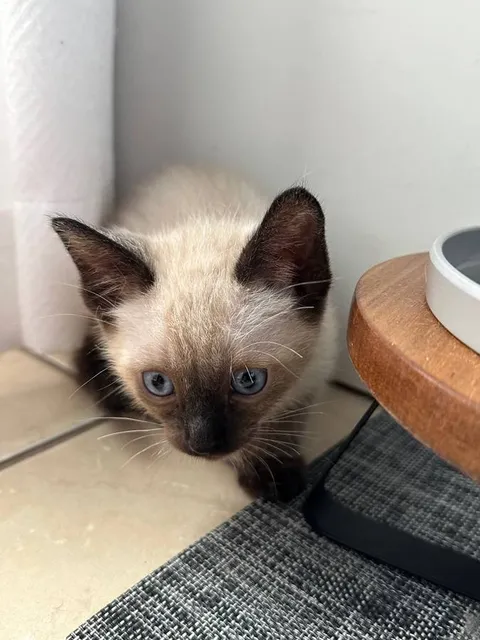
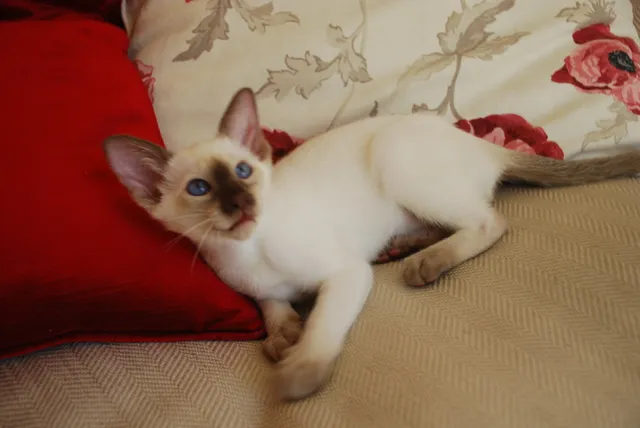
Find Siamese adverts for sale and for adoption on Mypetzilla now.
Similar breeds you may want to consider
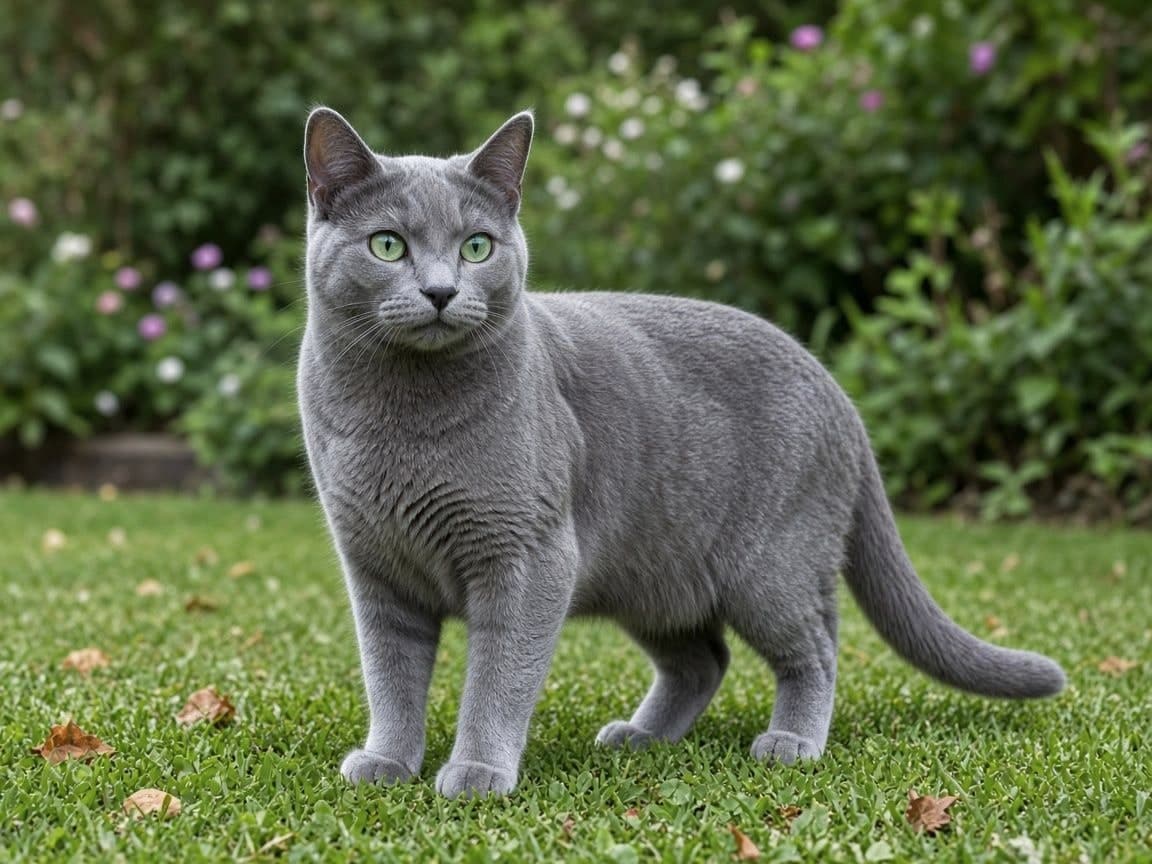
Korat
Intelligent, lively, affectionate, playful, athletic, quiet, engaging and stubborn.
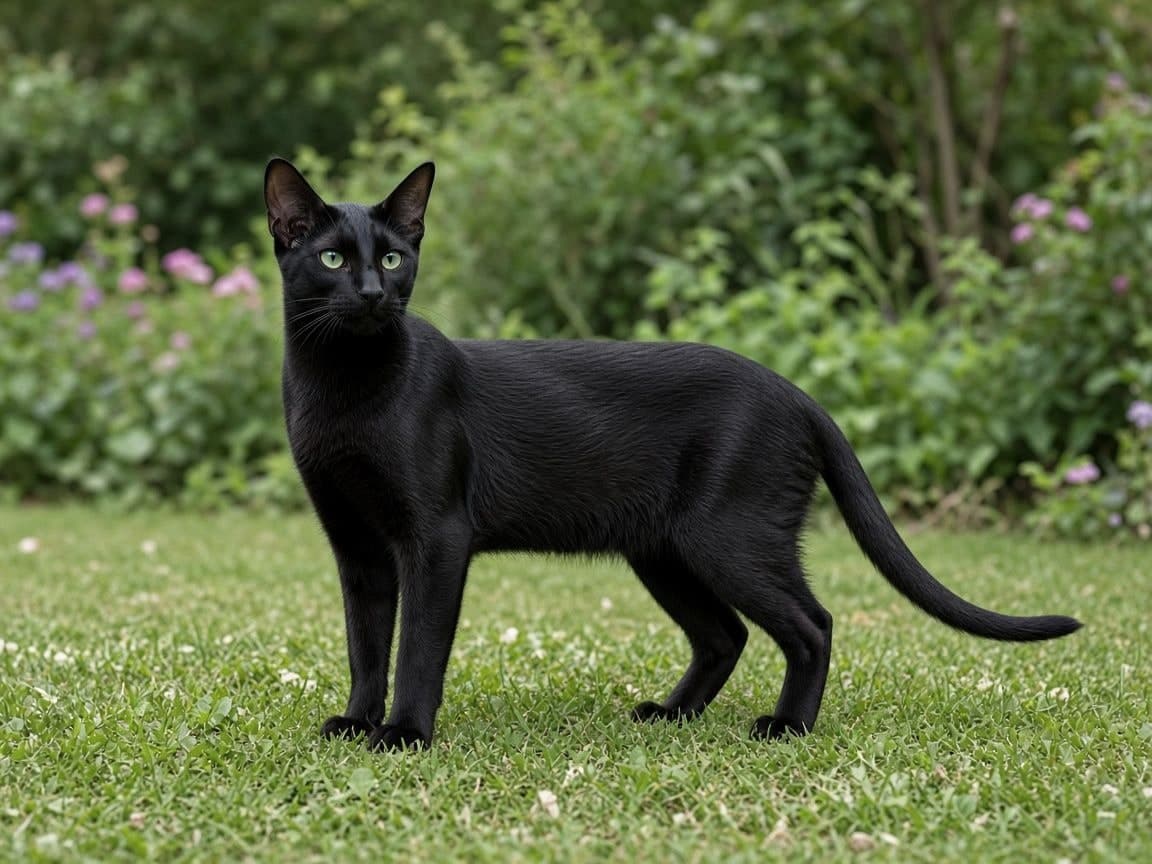
View breed guideOriental
Lively, intelligent, sociable, playful, talkative, inquisitive, athletic and elegant.
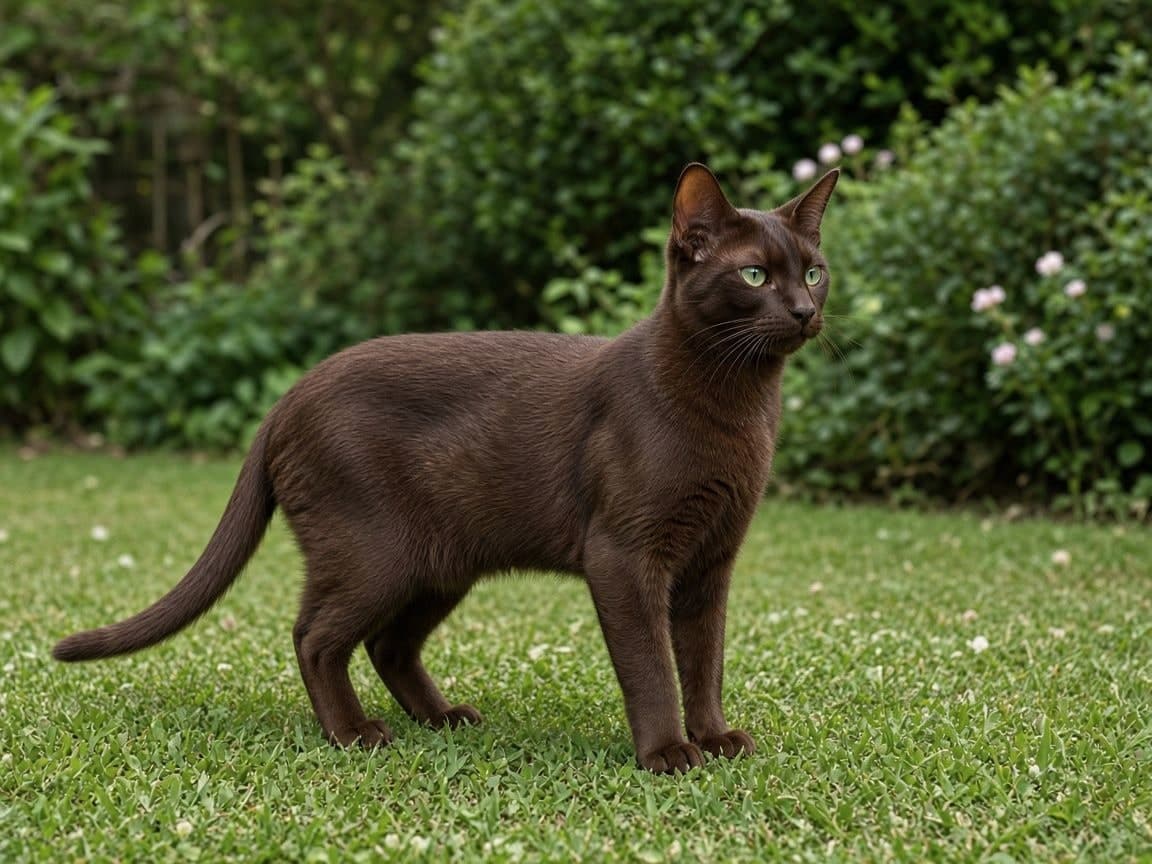
View breed guideHavana Brown
Lively, intelligent, sociable, talkative, playful, inquisitive, athletic and affectionate.
View breed guide
Siamese FAQs
Is the Siamese good with children?
Often better suited to an adult home. Individual cats vary with breeding, upbringing and health, so ask about the cat you are considering.
Can the Siamese be an indoor cat?
Usually happier with access outdoors. Indoor cats need daily play, places to climb and scratch, and a window to watch from.
How active is the Siamese?
Lively and playful. Short play sessions every day help any cat stay fit and settled.
Does the Siamese shed?
Tends to shed little.
How much grooming does the Siamese need?
Typically: minimal: an occasional brush.
Can the Siamese be left alone?
Prefers company and is best not left alone for long. Every cat needs company, play and someone to check on it each day.
Is the Siamese a talkative cat?
Often very talkative. Individual cats vary with breeding, upbringing and health, so ask about the cat you are considering.
How long does the Siamese live?
Typically 10–15 years. Lifespan varies with genetics, weight, care and luck.
How big does the Siamese get?
Adults typically weigh 5–6.5 kg.