King Charles Spaniel at a glance
- Size
- Small
- Height
- 23–28 cm
- Weight
- 3.6–6.3 kg
- Life expectancy
- from 12 years
Typical for the breed, not a promise about any one dog.
Is the King Charles Spaniel right for you?
Like every breed, the King Charles Spaniel is not the right fit for every home. Based on the breed’s typical traits:
May suit you if…
- You live in a flat or smaller home: the breed often adapts well.
- This would be your first dog and you are ready to learn.
- You would enjoy training a dog that is usually eager to learn.
- You would like a dog usually content with short daily walks.
Consider another breed if…
- The dog would regularly be left alone for long working days.
- You have young children at home.
- You cannot commit to brushing several times a week.
- You would find barking hard to live with.
How would the King Charles Spaniel fit your lifestyle?
Choose a few details for a general, non-guaranteed view.
About the King Charles Spaniel
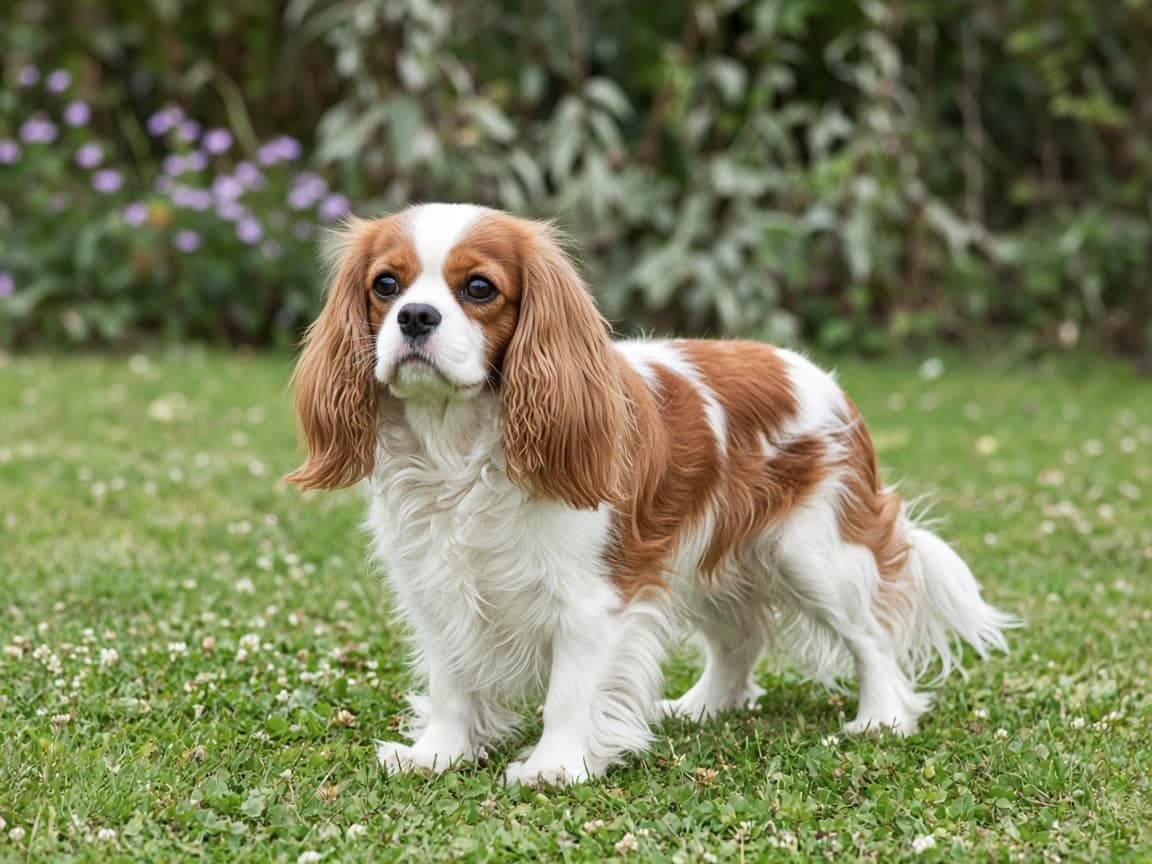
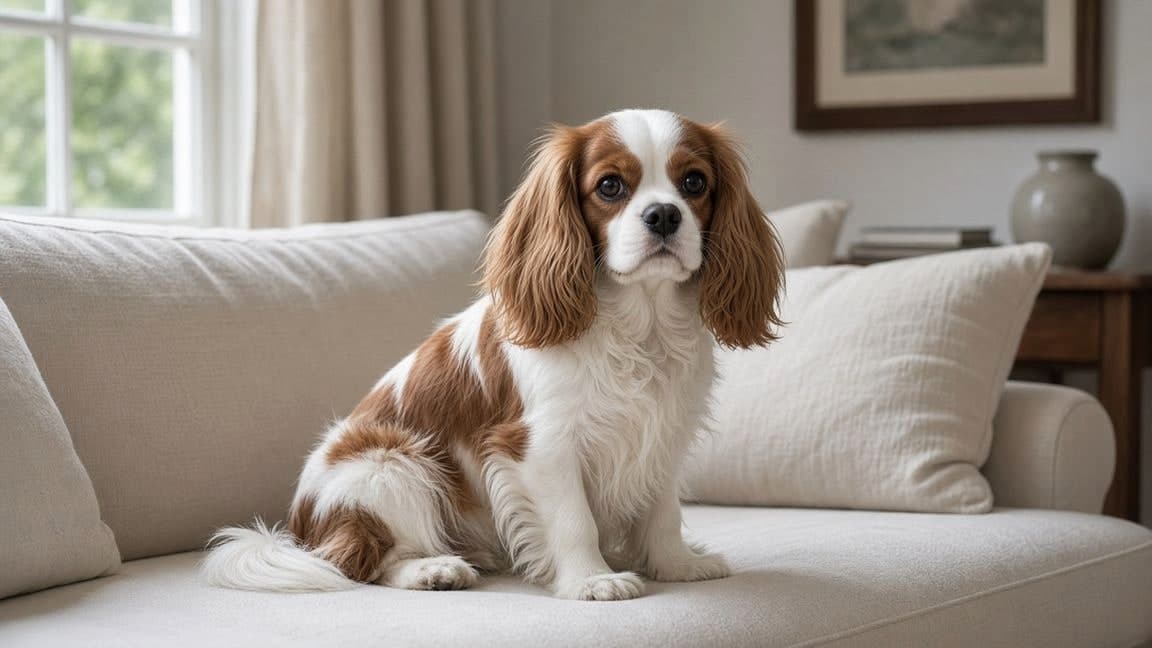
The King Charles Spaniel, often nicknamed the Charlie, is a small, sturdy toy spaniel with large eyes, a domed skull and a short, upturned muzzle. Its glossy, silky coat forms long feathering on the ears, legs and tail. It is typically reserved, gentle and affectionate, and is a separate breed from its better-known cousin, the Cavalier King Charles Spaniel.
Key characteristics
General breed tendencies, not a prediction for an individual dog.
- Size
Small
A small dog.
- Exercise
Low
Usually content with short daily walks and play.
- Energy level
Moderate
Moderately energetic, with bursts of play.
- Grooming
Moderate
The coat usually needs brushing several times a week.
- Shedding
Moderate
Sheds a moderate amount, varying by dog and season.
- Trainability
High
Usually eager to learn and quick to pick things up.
- Good with children
Older children
Usually better with older, calmer children.
- Good with other dogs
Usually sociable
Usually sociable with other dogs.
- Good with cats
Often fine
Often lives with cats when introduced carefully.
- Suits first-time owners
Often
Often suits first-time owners.
- Barking / vocality
Can be vocal
Often quick to bark at visitors or unusual sounds.
- Time alone
Prefers company
Usually copes only with short periods alone.
Small spaniels were kept as companions by European nobility from the 1500s, and toy spaniels, probably from Spain, became firm favourites of King Charles II, who kept many of them at court. For a time the dogs were known as Toy Spaniels and divided by colour into four types, before being brought together as one breed. When the first breed standard was drawn up, King Edward VII wanted the royal connection kept, so the name King Charles Spaniel was adopted.
The early dogs had longer muzzles. Victorian fashion favoured shorter faces, and the flatter-faced type became the more successful in the show ring. In the 1920s breeders who preferred the older, longer-muzzled type broke away, and in 1945 the Kennel Club recognised the King Charles and the Cavalier as two separate breeds. The Cavalier's popularity from the 1960s led to a decline in King Charles numbers, and the Royal Kennel Club now lists it as a vulnerable native breed, although it has seen a revival in recent years.
King Charles Spaniel temperament
King Charles Spaniels are usually friendly, gentle and quietly intelligent. Once past puppyhood they are generally laid back rather than high-energy, and are undemanding, affectionate and loving to live with.
They thrive in a quiet home with people around most of the time and do not like being left alone. They tend not to cope well with rough handling, loud and boisterous people or chaotic surroundings. They are generally friendly with other dogs and can get along with other pets with training.
Size and appearance
This is a small breed. Adults typically stand 23–28 cm at the shoulder and weigh around 3.6–6.3 kg. Compared with the Cavalier, the King Charles has a domed skull, a shorter muzzle and a slightly smaller build.
The medium-length coat is glossy and silky, sometimes with a slight wave. Breed standard colours are black and tan, Blenheim (red and white), ruby (solid red) and tricolour.
How much exercise does a King Charles Spaniel need?
The Royal Kennel Club suggests up to 30 minutes of exercise a day, while Purina suggests around an hour split into two short walks, plus some training and games at home. Some individuals enjoy far more, and a fit Charlie can manage surprisingly long walks.
Some hunting instinct remains, so walks with plenty of interesting scents are especially enjoyable. Avoid walking in the heat, as this short-faced breed can easily overheat. They are prone to putting on weight, so keeping them active helps.
Training a King Charles Spaniel
King Charles Spaniels are clever enough to take part in a range of dog activities, from tricks to mini agility. They respond well to positive, reward-based training and, as they love food and toys, are usually easy to work with.
- Start socialisation and habituation early so your puppy grows into a confident dog; small dogs can easily be overwhelmed or frightened.
- Use positive reinforcement with food and toy rewards.
- Work on a reliable recall so they can safely enjoy more freedom.
- Teach loose-lead walking to help prevent injuries caused by pulling.
King Charles Spaniel grooming
The silky coat is fairly easy to care for at home, but it needs regular attention. Aim to brush it several times a week, ideally daily, and check it for debris after walks. The feathering, ears, eyes and paw pads should be checked every day, as these areas can mat and tangle quickly, especially when wet.
Because of the short face, take extra care to keep the eyes, nose and any skin fold between them clean. The breed does shed.
Living with a King Charles Spaniel
King Charles Spaniels are friendly little dogs but can easily become anxious and nervous if handled roughly. They are better suited to homes with older children who respect a dog's personal space and perhaps help with training.
Whatever the breed, dogs and young children should never be left alone together, and an adult should supervise every interaction.
Children
Usually better with older, calmer children.
Other dogs
Usually sociable with other dogs.
Cats and small pets
Often lives with cats when introduced carefully.
Flats and smaller homes
Often adapts to flats and smaller homes.
Garden
A garden is helpful.
Being left alone
Usually copes only with short periods alone.
First-time owners
Often suits first-time owners.
King Charles Spaniel health
Not yet reviewed by a vet. This is general information, not veterinary advice: speak to your vet about your own dog’s health.
The King Charles Spaniel is described as generally healthy, but as a short-faced breed with large, fairly prominent eyes it can be affected by some conditions. The Royal Kennel Club also highlights genetic diversity as a priority for breeders. Knowing about these conditions helps you ask the right questions; it does not mean every King Charles Spaniel will be affected.
Breathing problems (BOAS)
The short, flat face can lead to breathing problems, and these dogs can overheat easily in hot weather. In August 2026 the Royal Kennel Club recognised breathing testing under its Respiratory Function Grading scheme as a best-practice test for breeding dogs.
Eye problems
The large, prominent eyes need extra care to keep clean. The Royal Kennel Club recommends eye testing under the BVA/KC/ISDS Eye Scheme before breeding.
Patellar luxation
The kneecaps can slip out of place.
Syringomyelia
Fluid-filled areas develop around the spinal cord, causing pain.
Mitral valve disease
The heart valves become diseased and do not work properly.
What health checks should you ask about?
Responsible breeders and rescues are happy to talk about health, and any pressure to decide quickly is a reason to walk away. Before taking a King Charles Spaniel home, it is reasonable to ask about:
- Health testing of the parents. Ask which health tests the parents have had for conditions known in the breed, and to see the results.
- Veterinary and vaccination records. Puppies should have had a first vaccination and a vet check, with records you can take home.
- Microchip information. In England, Scotland and Wales puppies must be microchipped and registered by eight weeks old. Ask who the chip is registered to and how the transfer works.
- Registration paperwork. Registration papers, where they apply, record pedigree. They do not by themselves prove health or how a puppy was raised.
How much does a King Charles Spaniel cost to own?
There are two costs: bringing a King Charles Spaniel home, and looking after one well. Puppy prices depend on the breeder, health testing and demand; the adverts below show what sellers are asking today.
Ongoing costs are the ones new owners most often underestimate: food, insurance (which usually rises with age), routine vet care, vaccinations and parasite treatment, dental care, grooming, training, bedding and equipment, and boarding or a sitter for holidays. Budget for the whole of the dog’s life, typically from 12 years, not just the first year.
Buying a King Charles Spaniel
If you have decided the King Charles Spaniel suits your life, take the same care choosing where your dog comes from. Meet the puppy in person, see it with its mother, and look at how the litter is raised.
- Check who you are dealing with: every Mypetzilla advert shows the seller type and what we have checked.
- Ask about health testing, vaccinations and the microchip before you commit.
- Take your time. Do not be rushed by deposits or "last one left" stories.
- Meet in person before paying anything, and keep conversations on Mypetzilla.
Adopting a King Charles Spaniel
King Charles Spaniels do come up for adoption, through rescue organisations, breed rescues and private rehoming, often because an owner’s circumstances have changed rather than any fault of the dog. An adult dog arrives as a known quantity: its size, coat and character are already on show.
Rescues will usually talk you through the dog’s history, any medical care, and the home it needs, including children, other animals and time alone. Be honest about your circumstances: a good rescue would rather place a dog once, well.
King Charles Spaniels looking for homes
Live from Mypetzilla, updated as pets are listed.
There are no King Charles Spaniel adverts at the moment.
Find King Charles Spaniel adverts for sale and for adoption on Mypetzilla now.
Similar breeds you may want to consider
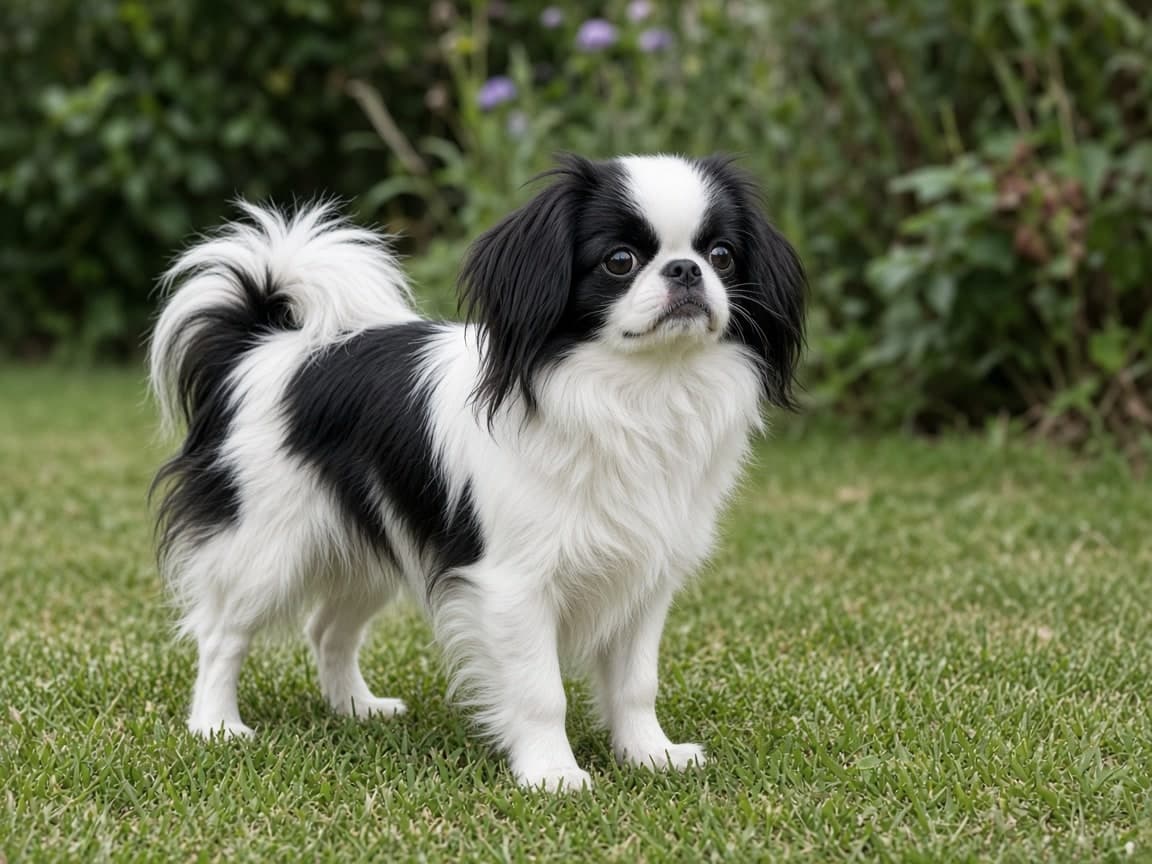
Japanese Chin
Intelligent, elegant, aristocratic, happy, lively, affectionate, gentle and sensitive.
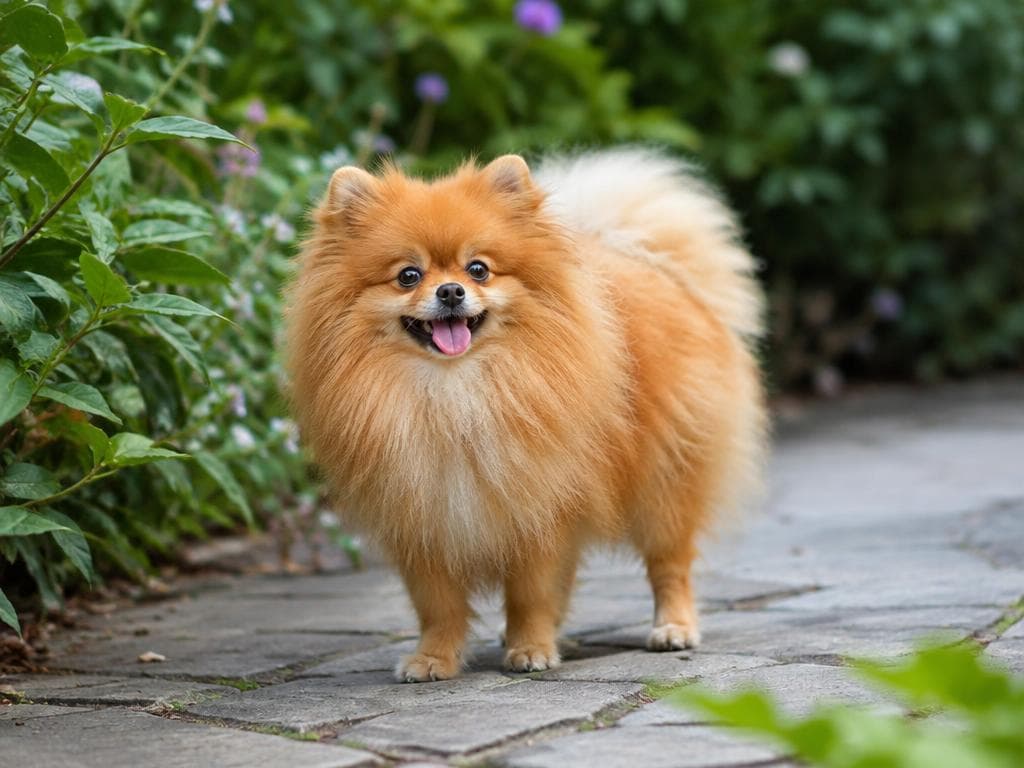
View breed guidePomeranian
Lively, curious, playful, loyal, energetic, affectionate, gentle and friendly.
View breed guide

King Charles Spaniel FAQs
Is the King Charles Spaniel good with children?
Usually better with older, calmer children. Individual dogs vary with breeding, upbringing and health, so ask about the dog you are considering.
Can the King Charles Spaniel live in a flat?
Often adapts to flats and smaller homes. Exercise and company matter more than floor space.
How much exercise does the King Charles Spaniel need?
Low: usually content with short daily walks. Puppies and older dogs need less structured exercise.
Does the King Charles Spaniel shed?
Moderate shedding.
How much grooming does the King Charles Spaniel need?
Typically: several times a week.
Is the King Charles Spaniel easy to train?
Usually eager to learn. Kind, reward-based training works best.
Can the King Charles Spaniel be left alone?
Usually copes only with short periods alone. Build up time alone gradually.
Does the King Charles Spaniel bark a lot?
Can be vocal. Individual dogs vary with breeding, upbringing and health, so ask about the dog you are considering.
Is the King Charles Spaniel good with cats?
Often lives with cats when introduced carefully. Individual dogs vary with breeding, upbringing and health, so ask about the dog you are considering.
How long does the King Charles Spaniel live?
Typically from 12 years. Lifespan varies with genetics, weight, care and luck.
How big does the King Charles Spaniel get?
Adults typically stand 23–28 cm at the shoulder and weigh 3.6–6.3 kg.