Persian at a glance
- Size
- Medium
- Weight
- 3.2–5.4 kg
- Life expectancy
- 14–16 years
Typical for the breed, not a promise about any one cat. Not assessed yet: Other cats, Living with dogs.
Is the Persian right for you?
Like every breed, the Persian is not the right fit for every home. Based on the breed’s typical traits:
May suit you if…
- You would like an indoor cat: the breed is often content indoors.
- You are out at work for part of the day.
- You would like a cat that is usually calm and laid-back.
- You would like a cat that tends to be quiet.
Consider another breed if…
- You have young children at home.
- This would be your first cat.
- You cannot commit to daily grooming.
- You would find a lot of cat hair hard to live with.
How would the Persian fit your lifestyle?
Choose a few details for a general, non-guaranteed view.
About the Persian
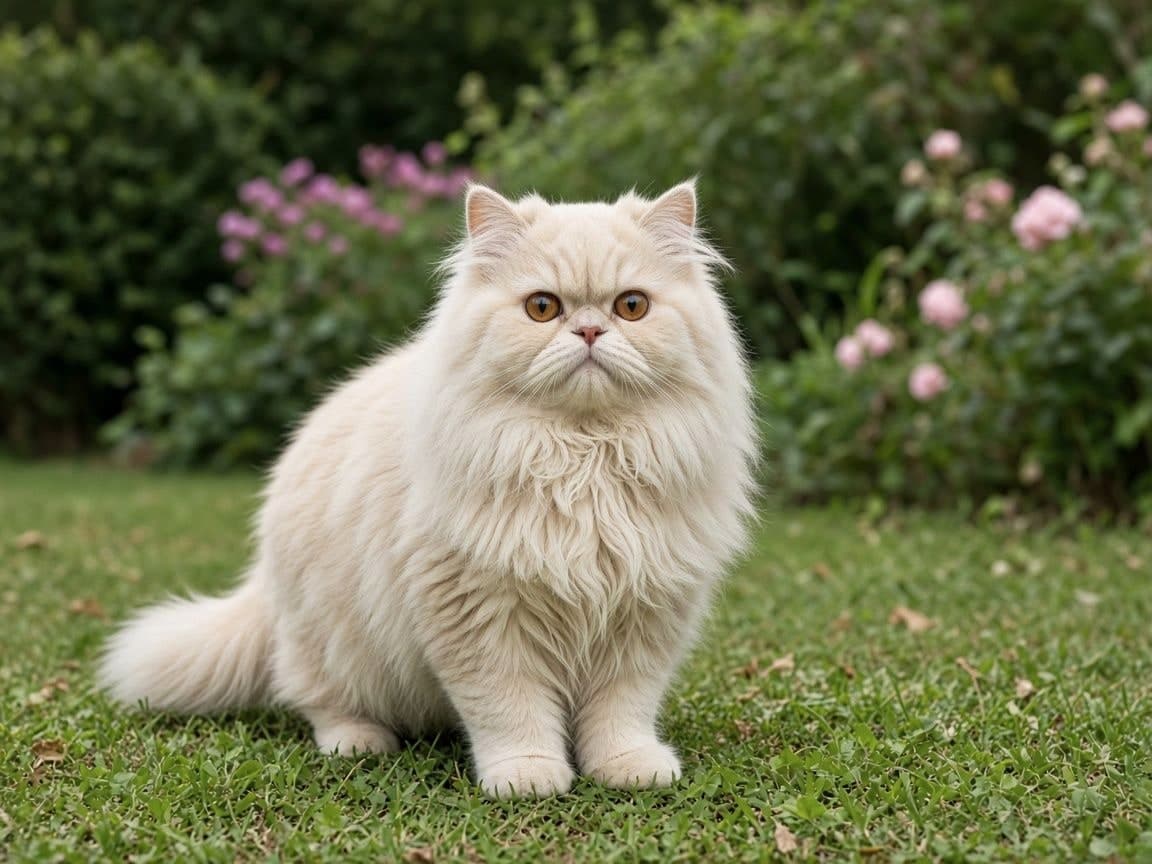
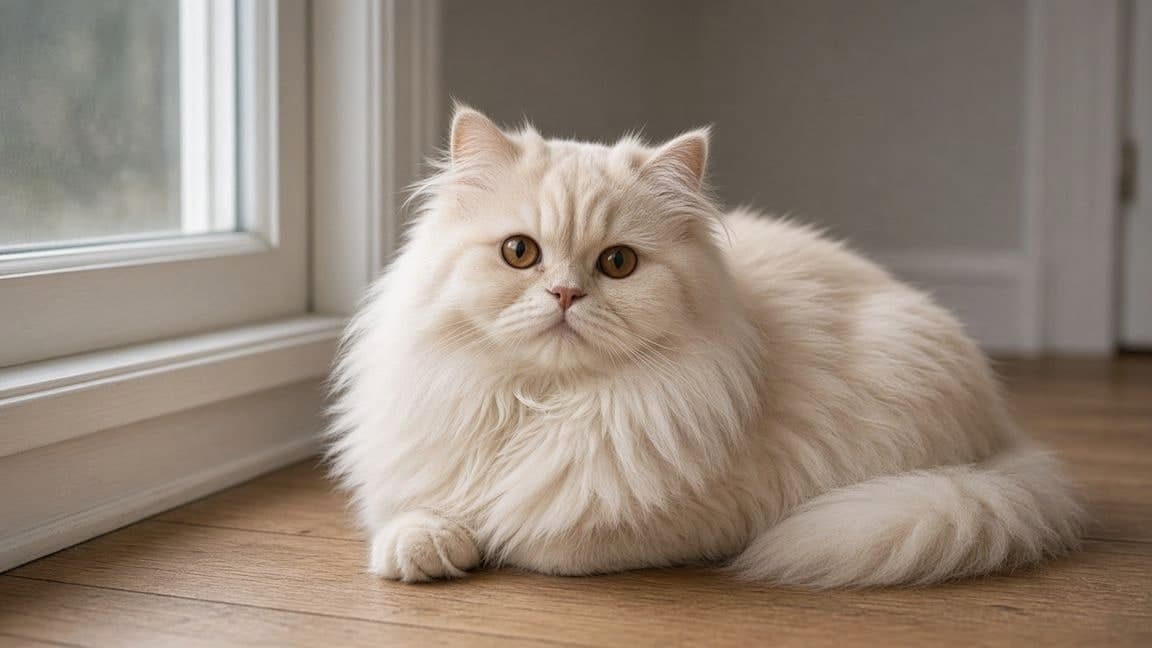
The Persian is a stocky, heavily boned cat with a long, thick coat, a round head, small ears and large round eyes set in a short, flat face. It is typically sweet, gentle and quiet, preferring a peaceful home and gentle handling. It is one of the oldest pedigree breeds and remains one of the most popular in the UK.
Key characteristics
General breed tendencies, not a prediction for an individual cat.
- Size
Medium
A mid-sized cat.
- Coat length
Long
A long, full coat.
- Activity level
Laid-back
Usually calm and laid-back around the home.
- Grooming
Daily
The coat usually needs combing every day to prevent mats.
- Shedding
High
Tends to shed a lot, so expect hair around the home.
- Vocal
Tends to be quiet
Usually a fairly quiet cat.
- Good with children
Older children
Usually better with older, calmer children.
- Good with other cats
Not assessed yet
Our sources do not say enough yet.
- Good with dogs
Not assessed yet
Our sources do not say enough yet.
- Suits first-time owners
Experienced owners
Best with an experienced cat owner.
- Time alone
Copes alone
Often copes well alone during the day.
- Indoors and outdoors
Happy indoors
Often content as an indoor cat, with enrichment.
The breed is said to descend from cats brought to Europe from Iran and Turkey in the 17th century, although GCCF notes that recent genetic research links today's Persian to Western European cats. Persians were shown at the first cat show at Crystal Palace in 1871, when they had longer noses than today's Persian, whose flatter face is the result of decades of selective breeding. In the UK, colourpointed Persians are shown as one of the breed's pattern groups; Purina notes that this type is also known as the Himalayan.
The modern Persian's shortened face (brachycephaly) is a recognised welfare concern. GCCF, International Cat Care and Cats Protection all say it can cause breathing difficulties and eye, dental and skin problems. International Cat Care says that when the face is severe, multiple health problems can follow, and Cats Protection is campaigning for the breeding of cats with extreme traits to be regulated. GCCF says conscientious breeders select to avoid these problems, and buyers should ask to see the parents' health test results.
Persian temperament
Persians are usually calm, sweet-natured creatures of habit. They communicate mainly with their expressive eyes, and their voices are typically soft and quiet. They are not demanding: a Persian will enjoy your attention when you have time, but is generally comfortable on its own too.
Size and appearance
Persians are medium to large, cobby cats with a broad chest, short thick legs, large round paws and a short, bushy tail. Purina gives a typical weight of about 3.2 to 5.4 kg; GCCF says females weigh 6 to 12 lb and males more than 12 lb.
The long, thick, fine coat comes in five pattern groups: self, silver series, tabby, tortoiseshell and bi-colour, and colourpoint. Eyes are usually orange or copper, with blue in colourpoints.
How active is the Persian?
Persians are not climbers or jumpers and prefer to stay on the ground. They will happily play with a toy or teaser in short, gentle sessions, and this helps prevent weight gain.
Cats Protection advises that flat-faced cats should have short, gentle play of no more than five to ten minutes at a time, avoiding anything that makes them pant or struggle to breathe.
Persian grooming
The coat needs daily care, sometimes more than once a day, because many Persians cannot keep it free of mats on their own. GCCF recommends a daily comb with a metal comb to prevent tangles and hairballs, plus an occasional bath introduced from kittenhood. Shedding is high.
The eyes and face need wiping daily, and the area under the tail needs checking after litter tray visits, as it easily becomes soiled.
Indoors and outdoors
Purina describes the Persian as an indoor cat: it is too easy-going and not athletic enough for the outside world, and may be bullied by other cats. A small, sheltered outdoor run for sunbathing can work well.
Persians usually cope well with being left while their owners are at work. Cats Protection advises keeping flat-faced cats cool and hydrated in hot weather, as they can struggle to keep themselves cool.
Living with a Persian
Persians are gentle and are usually happy to be combed and petted by children, but are unlikely to join in boisterous games. Purina suggests they suit quiet homes best, which may rule out families with very young children or lots of noise.
Whatever the breed, young children should be supervised around cats and shown how to stroke them gently and let them walk away.
Children
Usually better with older, calmer children.
Indoors and outdoors
Often content as an indoor cat.
Being left alone
Often copes well alone during the day.
First-time owners
Best with an experienced cat owner.
Persian health
Not yet reviewed by a vet. This is general information, not veterinary advice: speak to your vet about your own cat’s health.
The Persian is a high-maintenance breed, and International Cat Care advises regular veterinary check-ups at least once a year. GCCF gives a lifespan of around 14 to 16 years, while Purina gives 10 to 12 years. Several problems come directly from the flat face, and others are inherited.
Brachycephalic obstructive airway syndrome (BOAS)
Narrow nostrils, narrow nasal passages and an overlong soft palate can make breathing difficult, sometimes severely. Signs include snoring, snorting and struggling to breathe when active.
Eye problems
Large, protruding eyes are more exposed and prone to ulcers and other surface damage. Short, deformed tear ducts often cause constantly running eyes and tear staining.
Dental problems
In short-nosed Persians the teeth often do not line up properly, which can make biting and chewing difficult and lead to dental disease.
Skin fold infections
Excess skin folds on the face can become sore, inflamed or infected.
Polycystic kidney disease (PKD)
An inherited condition in which cysts form in the kidneys and can eventually lead to kidney failure. A DNA test is available, GCCF requires it for registered breeding cats, and buyers should ask to see the parents' PKD certificates.
Progressive retinal atrophy (PRA)
An inherited eye disease that can lead to blindness. A DNA test is available.
Other conditions
Hypertrophic cardiomyopathy (thickening of the heart muscle), hip dysplasia and the rare inherited storage disease alpha-mannosidosis are also reported in the breed.
What health checks should you ask about?
Responsible breeders and rescues are happy to talk about health, and any pressure to decide quickly is a reason to walk away. Before taking a Persian home, it is reasonable to ask about:
- Health testing of the parents. Ask which health tests the parents have had for conditions known in the breed, and to see the results.
- Veterinary and vaccination records. Kittens should have had a first vaccination and a vet check, with records you can take home.
- Microchip information. In England, cats must be microchipped and registered by 20 weeks old. Ask who the chip is registered to and how the transfer works.
- Registration paperwork. Registration papers, where they apply, record pedigree. They do not by themselves prove health or how a kitten was raised.
How much does a Persian cost to own?
There are two costs: bringing a Persian home, and looking after one well. Kitten prices depend on the breeder, health testing and demand; the adverts below show what sellers are asking today.
Ongoing costs are the ones new owners most often underestimate: food, insurance (which usually rises with age), routine vet care, vaccinations and parasite treatment, dental care, grooming, litter, scratching posts and toys, and a cattery or a sitter for holidays. Budget for the whole of the cat’s life, typically 14–16 years, not just the first year.
Buying a Persian
If you have decided the Persian suits your life, take the same care choosing where your cat comes from. Meet the kitten in person, see it with its mother, and look at how the litter is raised.
- Check who you are dealing with: every Mypetzilla advert shows the seller type and what we have checked.
- Ask about health testing, vaccinations and the microchip before you commit.
- Take your time. Do not be rushed by deposits or "last one left" stories.
- Meet in person before paying anything, and keep conversations on Mypetzilla.
Adopting a Persian
Persians do come up for adoption, through rescue organisations, breed rescues and private rehoming, often because an owner’s circumstances have changed rather than any fault of the cat. An adult cat arrives as a known quantity: its size, coat and character are already on show.
Rescues will usually talk you through the cat’s history, any medical care, and the home it needs, including children, other animals and time alone. Be honest about your circumstances: a good rescue would rather place a cat once, well.
Persians looking for homes
Live from Mypetzilla, updated as pets are listed.
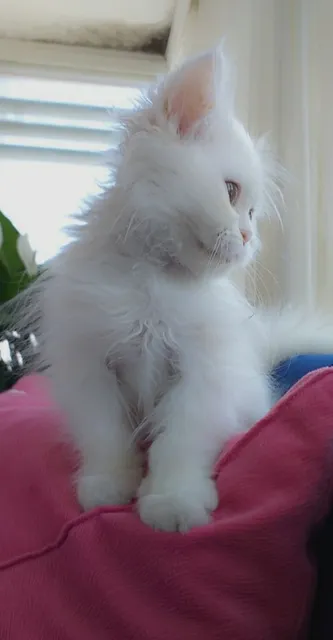
Find Persian adverts for sale and for adoption on Mypetzilla now.
Similar breeds you may want to consider
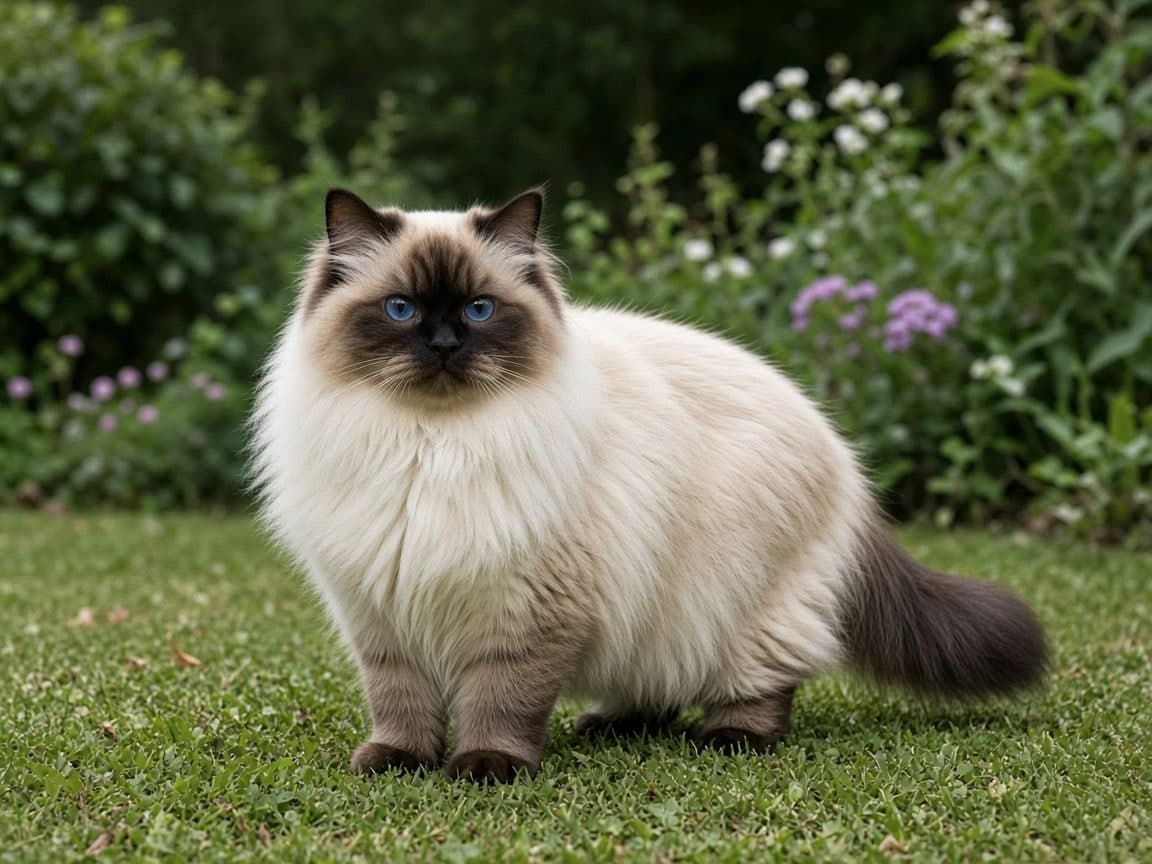
Himalayan
Sweet, gentle, calm, quiet, intelligent, affectionate, placid and easygoing.
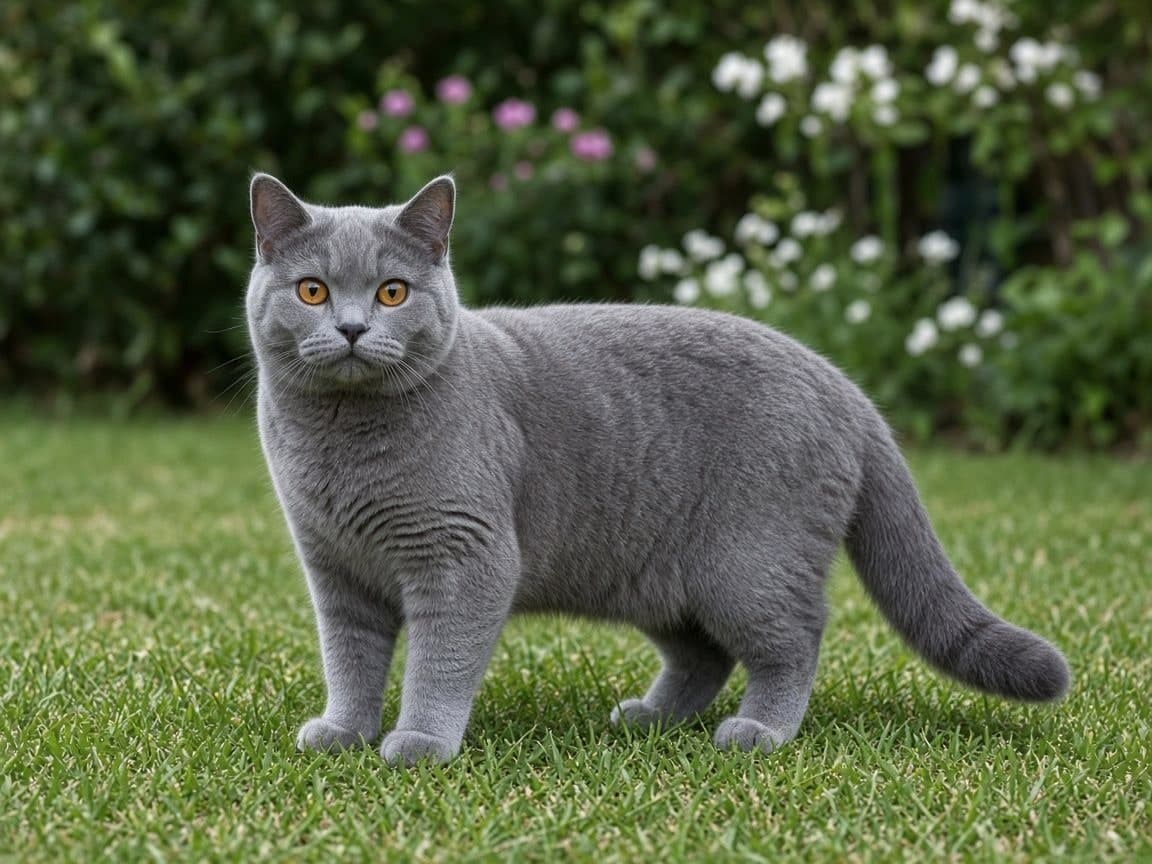
View breed guideBritish Shorthair
Patient, tolerant, relaxed, affectionate, loyal, playful, calm and easygoing.
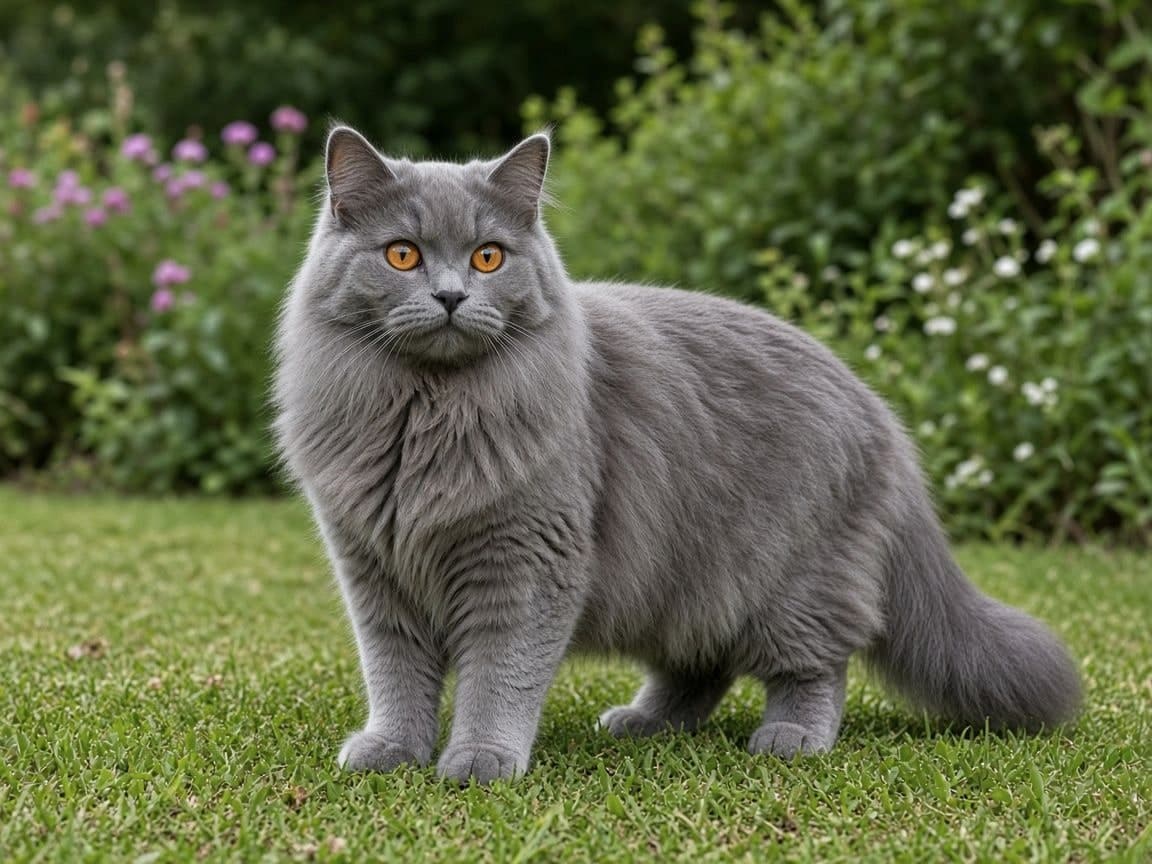
View breed guideBritish Longhair
Patient, tolerant, relaxed, calm, easygoing, affectionate, quiet and sensitive.
View breed guide
Persian FAQs
Is the Persian good with children?
Usually better with older, calmer children. Individual cats vary with breeding, upbringing and health, so ask about the cat you are considering.
Can the Persian be an indoor cat?
Often content as an indoor cat. Indoor cats need daily play, places to climb and scratch, and a window to watch from.
How active is the Persian?
Usually calm and laid-back. Short play sessions every day help any cat stay fit and settled.
Does the Persian shed?
Tends to shed a lot.
How much grooming does the Persian need?
Typically: daily.
Can the Persian be left alone?
Often copes well alone during the day. Every cat needs company, play and someone to check on it each day.
Is the Persian a talkative cat?
Tends to be quiet. Individual cats vary with breeding, upbringing and health, so ask about the cat you are considering.
How long does the Persian live?
Typically 14–16 years. Lifespan varies with genetics, weight, care and luck.
How big does the Persian get?
Adults typically weigh 3.2–5.4 kg.