Chartreux at a glance
- Size
- Medium
- Weight
- 2.7–9 kg
- Life expectancy
- 12–15 years
Typical for the breed, not a promise about any one cat. Not assessed yet: Other cats.
Is the Chartreux right for you?
Like every breed, the Chartreux is not the right fit for every home. Based on the breed’s typical traits:
May suit you if…
- You would like an indoor cat: the breed is often content indoors.
- You have children and can supervise them with the cat.
- This would be your first cat and you are ready to learn.
- You have a calm, cat-friendly dog and can introduce them slowly.
Consider another breed if…
- Nothing stands out from the facts we have assessed so far.
How would the Chartreux fit your lifestyle?
Choose a few details for a general, non-guaranteed view.
About the Chartreux
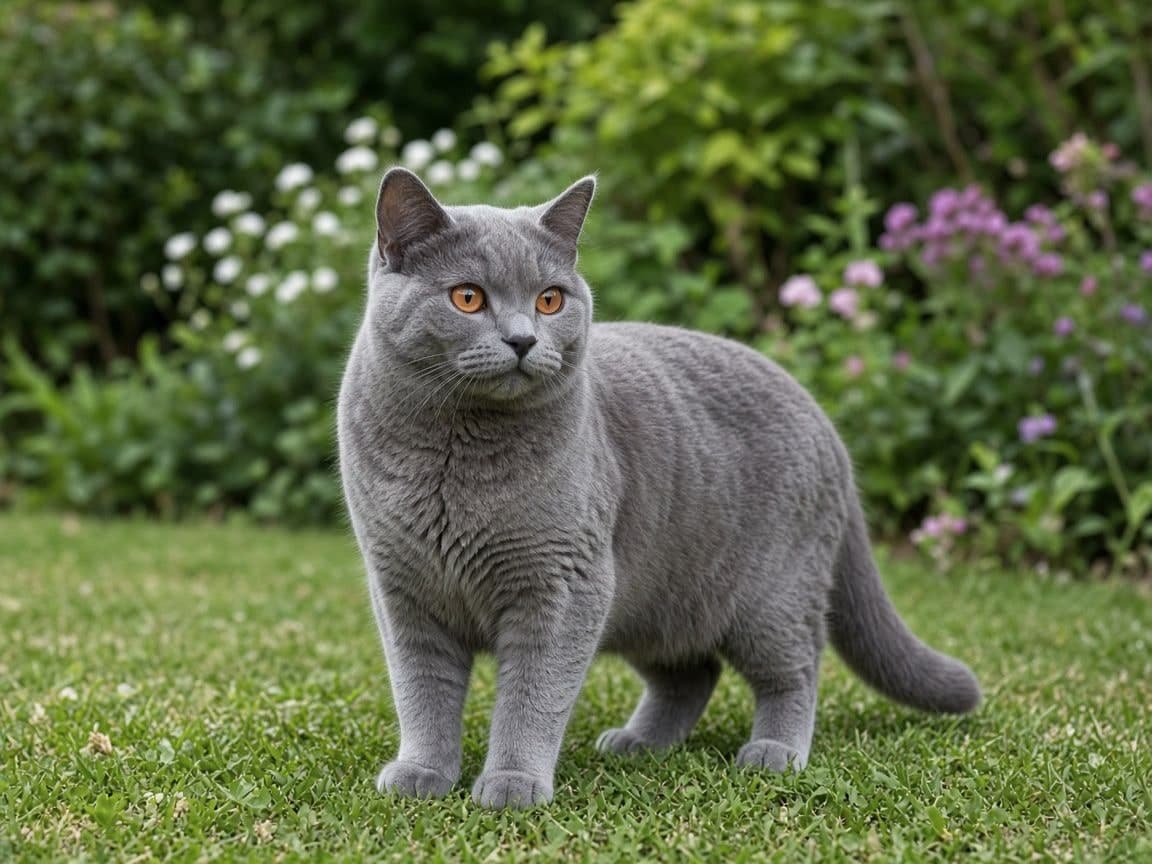
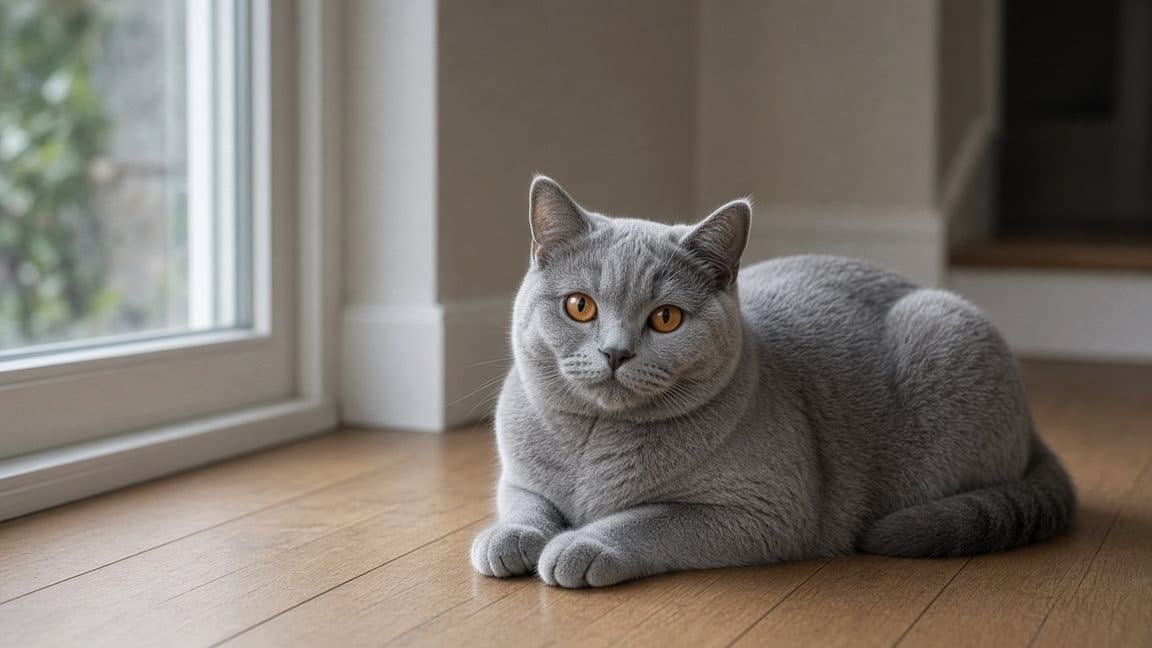
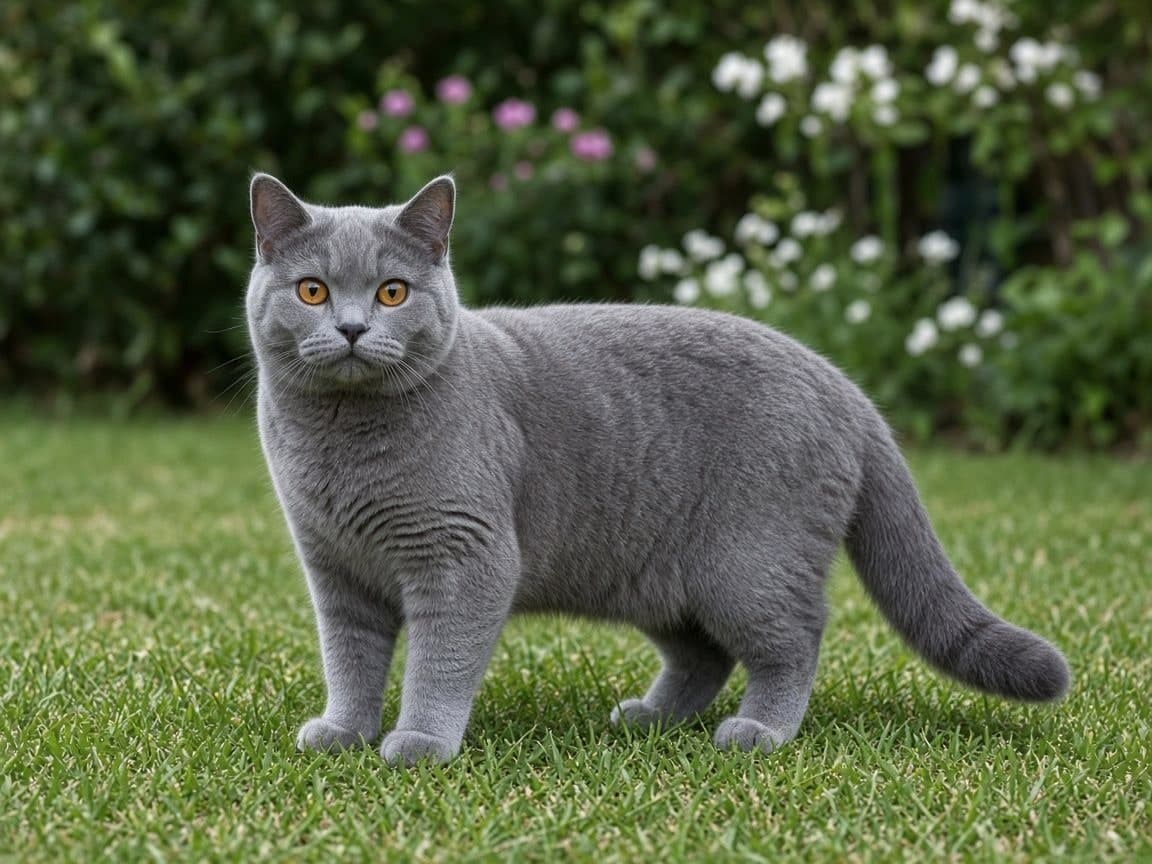
The Chartreux is a robust, muscular shorthaired cat with a broad head, full cheeks, large rounded eyes ranging from yellow to copper, and a dense, slightly woolly coat in any even shade of greyish blue. It is typically calm, observant and affectionate, with a gentle voice it seldom uses. Purina describes it as a "business" cat rather than a lazy one: sturdy but not fat.
Key characteristics
General breed tendencies, not a prediction for an individual cat.
- Size
Medium
A mid-sized cat.
- Coat length
Short
A short coat.
- Activity level
Laid-back
Usually calm and laid-back around the home.
- Grooming
Minimal
An occasional brush is usually enough.
- Shedding
Moderate
Sheds a moderate amount, varying by cat and season.
- Vocal
Tends to be quiet
Usually a fairly quiet cat.
- Good with children
Often good
Often good with children, with supervision.
- Good with other cats
Not assessed yet
Our sources do not say enough yet.
- Good with dogs
Often fine
Often gets on with a cat-friendly dog.
- Suits first-time owners
Often
Often suits first-time cat owners.
- Time alone
Copes alone
Often copes well alone during the day.
- Indoors and outdoors
Happy indoors
Often content as an indoor cat, with enrichment.
The breed is ancient and comes from France. The French naturalist Buffon mentioned it in the 18th century, and the name Chartreux was linked to blue cats in a French dictionary of commerce published in 1723. Legends say the cats descend from cats kept by Carthusian monks or from mountain cats brought back to France from what is now Syria by returning Crusaders. Chartreux were valued as ratters, but they were also prized by furriers for their thick pelts and, according to Purina, killed for meat and fur during French famines and wars.
After the First World War numbers fell sharply, and French cat lovers gathered cats matching the traditional description, wrote a standard and began careful breeding. By the end of the Second World War no free-roaming Chartreux could be found, so those early breeders preserved the breed. The first Chartreux arrived in the UK in 2014, GCCF recognised the breed in 2015 and it gained Championship status in 2023. GCCF notes it is a minority breed and still fairly rare in the UK, so you may have to wait for a kitten.
Chartreux temperament
Chartreux are usually calm, intelligent, non-aggressive and affectionate. They tend to bond most strongly with one person, staying near them, while still being loving towards the rest of the family. They like to be close and made a fuss of, but their devotion is not intrusive.
They are creatures of habit that enjoy the same games and rituals each day and prefer a stable household routine. They adapt to most situations without complaint, are easy to handle and are often good travellers, which is unusual in cats.
Size and appearance
The Chartreux has a semi-cobby, sturdy body with broad shoulders, a deep chest, strong bones and dense muscle. Males are much larger than females and slower to mature, reaching maturity at around five years compared with three for females. Purina gives a weight range of about 2.7 to 9 kg; GCCF gives 11 to 18 lbs.
The coat is medium-short, dense and slightly woolly, with an abundant undercoat. All even shades of greyish blue are accepted, with slate-grey nose leather and eyes from yellow to copper.
How active is the Chartreux?
Chartreux stay playful well into adulthood but play in short spurts, sleeping and relaxing the rest of the time. Light games such as chasing a toy on a string, along with food-dispensing toys that mimic hunting, usually meet their needs. They are intelligent and can learn through clicker training. Good mental stimulation matters, especially for indoor cats, and some enjoy walks on a lead.
Chartreux grooming
GCCF regards the Chartreux as a low-maintenance breed. The dense, woolly coat should be combed, not brushed; Purina suggests a weekly comb through to remove dead hair, with more combing in spring when they shed more. Claws should be trimmed. Baths are rarely needed, and the water-repellent coat takes time to wet.
Indoors and outdoors
GCCF describes the Chartreux as an indoor cat that likes time outdoors in good weather. It is a capable hunter, so outdoor time must be restricted rather than free roaming, using a purpose-built enclosure, cat fencing or a secure garden. Indoor cats need large cat trees and climbing equipment.
The Chartreux usually copes well with being left alone; Purina says it is fine while owners work each day, and GCCF says it does not mind being alone for many hours now and then. GCCF notes it can be a good companion for older people and people living alone.
Living with a Chartreux
GCCF says the Chartreux is good with children. Purina calls it a great family cat, best suited to a steady, quiet family with older children who respect its need for uninterrupted naps. Whatever the breed, young children should be supervised around cats and shown how to stroke them gently and let them walk away.
Children
Often good with children, with supervision.
Dogs
Often gets on with a cat-friendly dog.
Indoors and outdoors
Often content as an indoor cat.
Being left alone
Often copes well alone during the day.
First-time owners
Often suits first-time cat owners.
Other cats and pets
GCCF describes the Chartreux as good with other animals, and Purina says it can live with cat-friendly dogs thanks to its amiable nature. Introduce pets slowly and in controlled circumstances.
Chartreux health
Not yet reviewed by a vet. This is general information, not veterinary advice: speak to your vet about your own cat’s health.
GCCF considers the Chartreux one of the healthiest pedigree breeds, with little or no genetic problems, and Purina reports no common disorders at present.
Weight gain
Purina notes that older Chartreux are less active and can become overweight if overfed.
Sensitive digestion
Purina says the breed tends to be sensitive to rich food or frequent changes in diet, and recommends asking your vet for advice on choosing food.
What health checks should you ask about?
Responsible breeders and rescues are happy to talk about health, and any pressure to decide quickly is a reason to walk away. Before taking a Chartreux home, it is reasonable to ask about:
- Health testing of the parents. Ask which health tests the parents have had for conditions known in the breed, and to see the results.
- Veterinary and vaccination records. Kittens should have had a first vaccination and a vet check, with records you can take home.
- Microchip information. In England, cats must be microchipped and registered by 20 weeks old. Ask who the chip is registered to and how the transfer works.
- Registration paperwork. Registration papers, where they apply, record pedigree. They do not by themselves prove health or how a kitten was raised.
How much does a Chartreux cost to own?
There are two costs: bringing a Chartreux home, and looking after one well. Kitten prices depend on the breeder, health testing and demand; the adverts below show what sellers are asking today.
Ongoing costs are the ones new owners most often underestimate: food, insurance (which usually rises with age), routine vet care, vaccinations and parasite treatment, dental care, grooming, litter, scratching posts and toys, and a cattery or a sitter for holidays. Budget for the whole of the cat’s life, typically 12–15 years, not just the first year.
Buying a Chartreux
If you have decided the Chartreux suits your life, take the same care choosing where your cat comes from. Meet the kitten in person, see it with its mother, and look at how the litter is raised.
- Check who you are dealing with: every Mypetzilla advert shows the seller type and what we have checked.
- Ask about health testing, vaccinations and the microchip before you commit.
- Take your time. Do not be rushed by deposits or "last one left" stories.
- Meet in person before paying anything, and keep conversations on Mypetzilla.
Adopting a Chartreux
Chartreuxs do come up for adoption, through rescue organisations, breed rescues and private rehoming, often because an owner’s circumstances have changed rather than any fault of the cat. An adult cat arrives as a known quantity: its size, coat and character are already on show.
Rescues will usually talk you through the cat’s history, any medical care, and the home it needs, including children, other animals and time alone. Be honest about your circumstances: a good rescue would rather place a cat once, well.
Chartreuxs looking for homes
Live from Mypetzilla, updated as pets are listed.
There are no Chartreux adverts at the moment.
Find Chartreux adverts for sale and for adoption on Mypetzilla now.
Similar breeds you may want to consider
Australian Mist
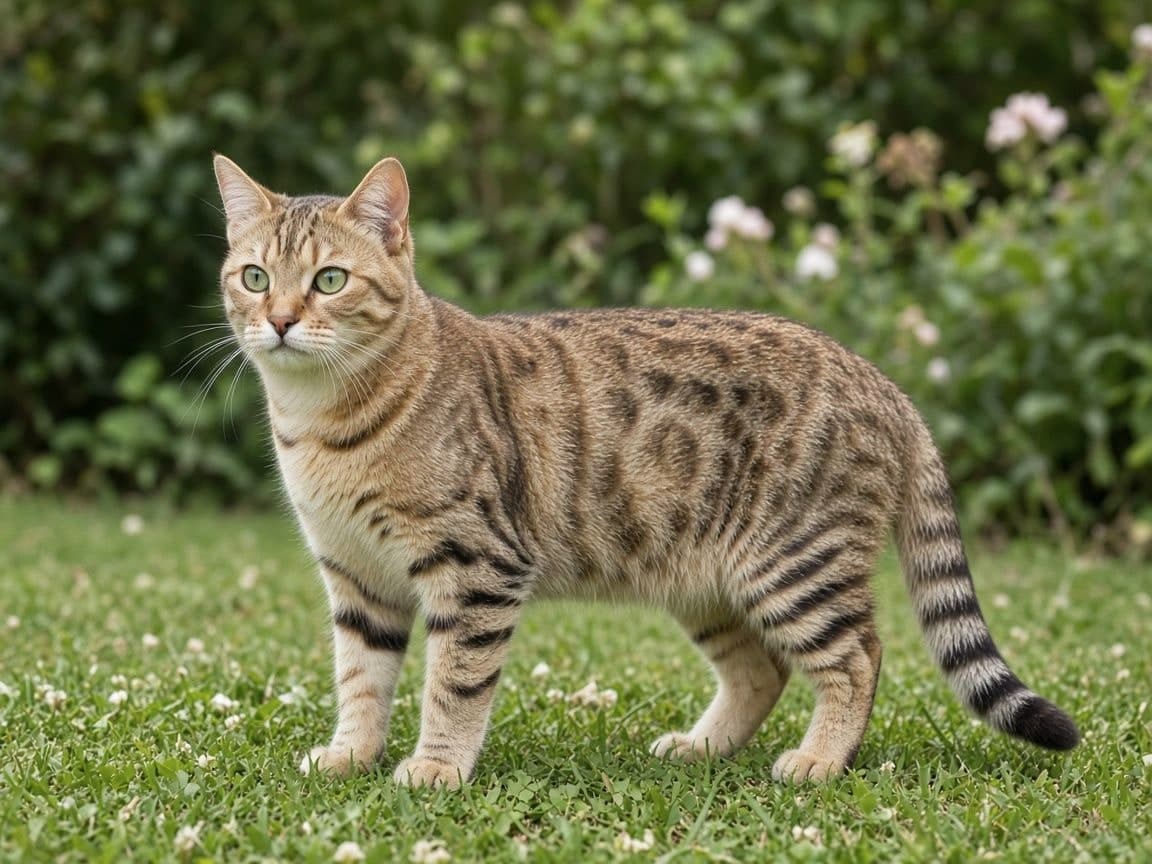
Lively, affectionate, inquisitive, gentle, playful, curious, sociable and companionable.
View breed guideBritish Shorthair
Patient, tolerant, relaxed, affectionate, loyal, playful, calm and easygoing.
View breed guideAmerican Shorthair
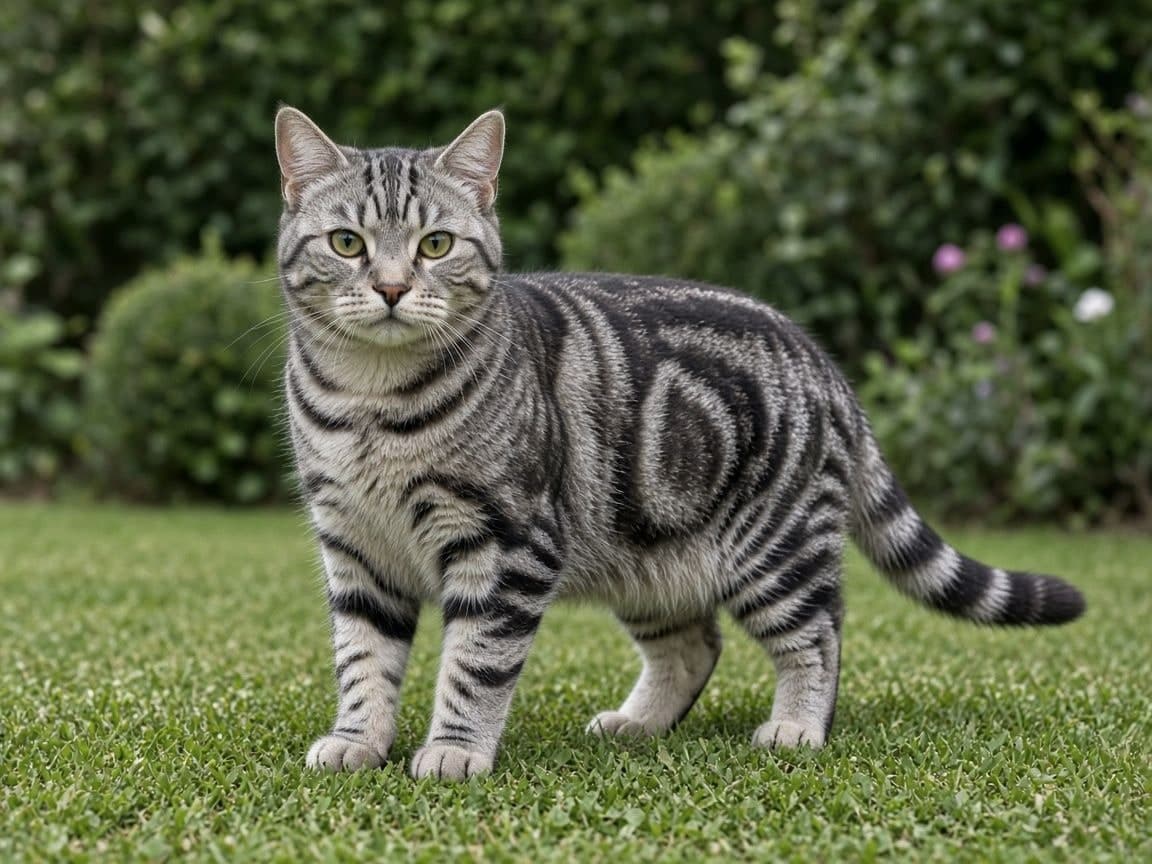
Easygoing, affectionate, playful, intelligent, independent, calm, loyal and curious.
View breed guide
Chartreux FAQs
Is the Chartreux good with children?
Often good with children, with supervision. Individual cats vary with breeding, upbringing and health, so ask about the cat you are considering.
Can the Chartreux be an indoor cat?
Often content as an indoor cat. Indoor cats need daily play, places to climb and scratch, and a window to watch from.
How active is the Chartreux?
Usually calm and laid-back. Short play sessions every day help any cat stay fit and settled.
Does the Chartreux shed?
Moderate shedding.
How much grooming does the Chartreux need?
Typically: minimal: an occasional brush.
Can the Chartreux be left alone?
Often copes well alone during the day. Every cat needs company, play and someone to check on it each day.
Is the Chartreux a talkative cat?
Tends to be quiet. Individual cats vary with breeding, upbringing and health, so ask about the cat you are considering.
Is the Chartreux good with dogs?
Often gets on with a cat-friendly dog. Individual cats vary with breeding, upbringing and health, so ask about the cat you are considering.
How long does the Chartreux live?
Typically 12–15 years. Lifespan varies with genetics, weight, care and luck.
How big does the Chartreux get?
Adults typically weigh 2.7–9 kg.