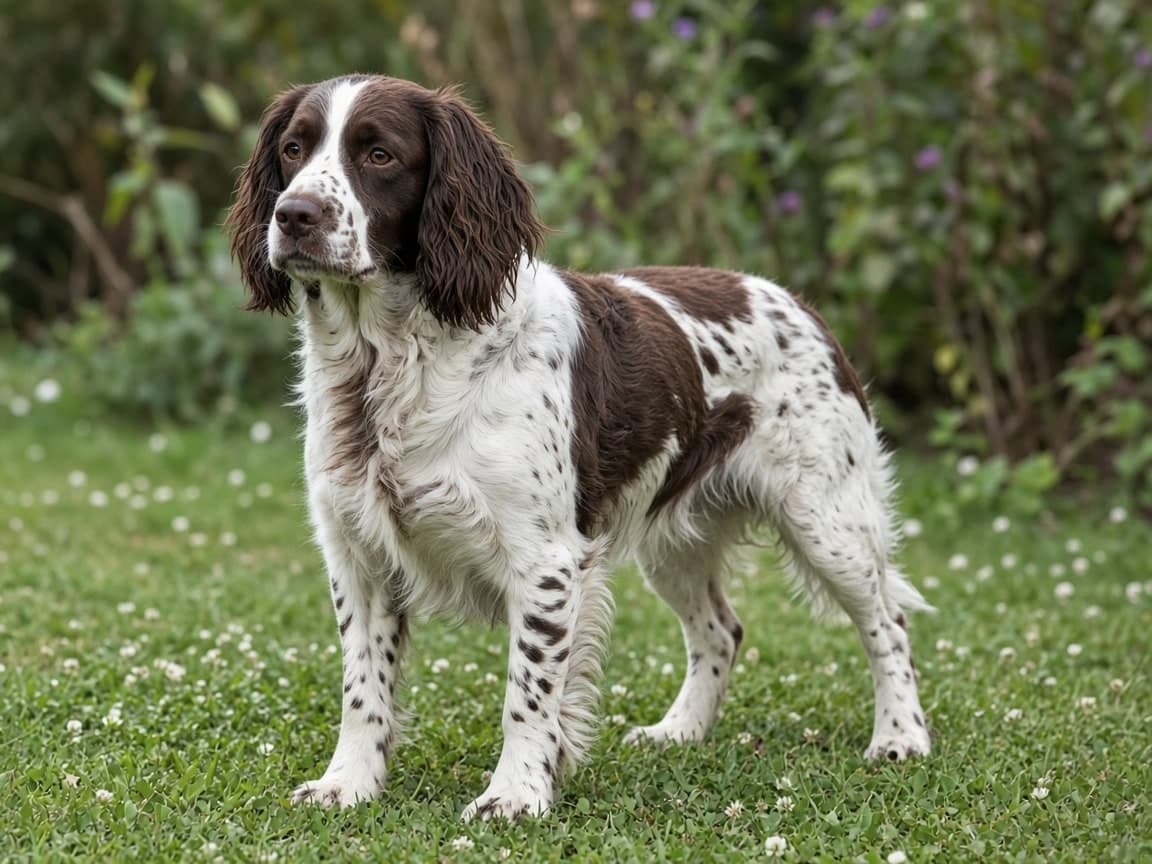
Is the Sprocker right for you?
Like every breed, the Sprocker is not the right fit for every home. Based on the breed’s typical traits:
May suit you if…
- You would enjoy training a dog that is usually eager to learn.
- You enjoy long walks and an active, outdoor life.
Consider another breed if…
- The dog would regularly be left alone for long working days.
- You cannot offer well over an hour of exercise every day.
- You have young children at home.
- You would like a calm, laid-back dog.
How would the Sprocker fit your lifestyle?
Choose a few details for a general, non-guaranteed view.
About the Sprocker
The Sprocker, or Sprocker Spaniel, is a cross between two closely related spaniels: the English Springer Spaniel and the Cocker Spaniel. It is typically a charming, intelligent, energetic and loyal dog, with the busy, outgoing nature of a working spaniel.
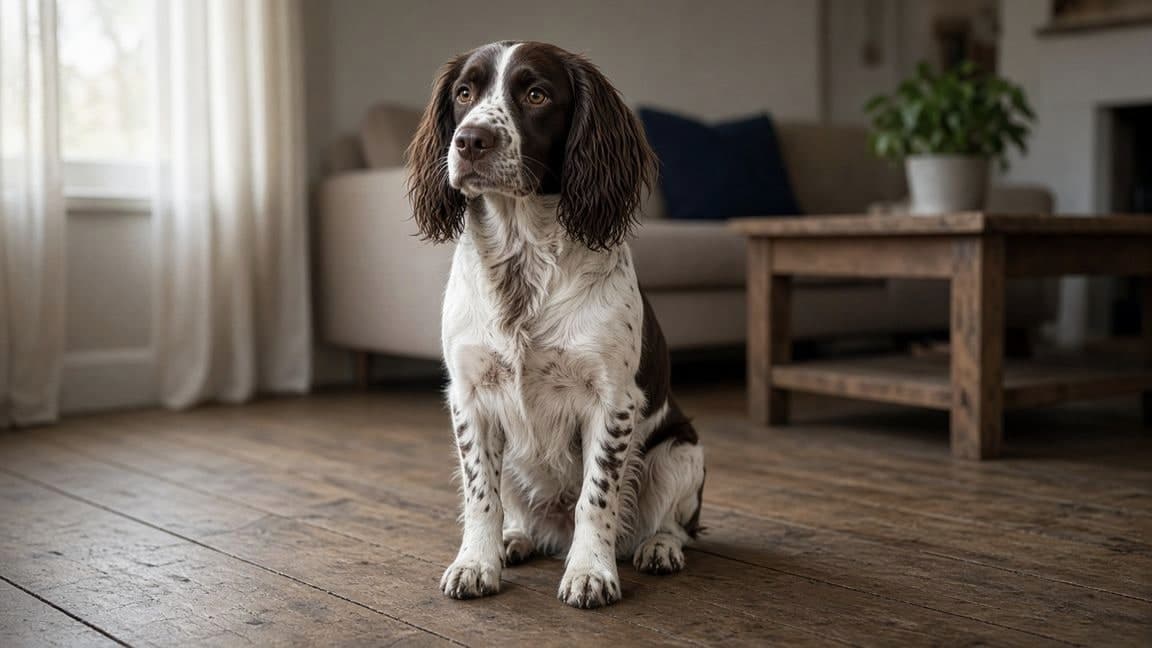
Key characteristics
General breed tendencies, not a prediction for an individual dog.
- Size
Not assessed yet
Our sources do not say enough yet.
- Exercise
High
Typically more than an hour a day, with time off the lead.
- Energy level
Very lively
Very lively and usually keen to be busy.
- Grooming
Not assessed yet
Our sources do not say enough yet.
- Shedding
Not assessed yet
Our sources do not say enough yet.
- Trainability
High
Usually eager to learn and quick to pick things up.
- Good with children
Older children
Usually better with older, calmer children.
- Good with other dogs
Not assessed yet
Our sources do not say enough yet.
- Good with cats
Not assessed yet
Our sources do not say enough yet.
- Suits first-time owners
Some experience helps
Some dog experience helps.
- Barking / vocality
Not assessed yet
Our sources do not say enough yet.
- Time alone
Prefers company
Usually copes only with short periods alone.
Springers and Cockers were once born in the same litters, with the larger dogs developing into what is now the English Springer Spaniel. The Kennel Club began to separate the two types in 1892 and recognised them as separate breeds in 1902.
The exact origin of the Sprocker is unclear, but the first crosses are usually credited to Scottish gamekeepers who wanted a robust, hard-working gundog for the large estates north of the border. The name 'Sprocker' only came into use fairly recently. Sprockers have built a strong reputation both as gundogs and as sociable, loyal companions, and many are now bred from two Sprocker parents.
Sprocker temperament
Sprockers are usually outgoing, sociable and very loyal, and they love human company. They are also busy, energetic dogs with plenty of mischief, and they are happiest when there is lots going on.
They were bred to hunt birds, so they find following a scent very rewarding. Many are naturally impulsive, quick to act without much thought, and easily frustrated. They may not enjoy being cuddled or held against their will, and they can struggle with barriers or being kept from things they want.
Sprockers also enjoy carrying things in their mouths and may want to keep hold of them. Handled badly, this can lead to resource guarding, so it is best managed calmly and without confrontation. Without enough to do, a Sprocker is likely to find its own entertainment, such as stealing socks, chasing birds, running off after scents or digging.
How much exercise does a Sprocker need?
Sprockers need a lot of exercise: around 60 to 90 minutes a day. Physical exercise is not enough on its own, as they are intelligent dogs that also need mental stimulation, such as brain games and scent work. A bored Sprocker can become destructive.
Many Sprockers enjoy and do well at activities such as gundog training, agility, scentwork, flyball, Hoopers and trick training.
Training a Sprocker
Sprockers are intelligent and can be quick to learn, but they are not always easy. Their scent drive and impulsive nature can make recall and walking nicely on a lead a real challenge, and training takes time, consistency, patience and planning. They usually do best with an owner who has some dog experience.
- Use clear, reward-based training from the start.
- Combine off-lead walks in safe places with brain games and enrichment.
- Practise lead walking as a self-control skill, and expect it to take time.
- Put real work into recall, as following scent is very rewarding for them.
- Teach them to give up items calmly and without confrontation.
Sprocker grooming
As active dogs, Sprockers need regular grooming to keep their coats free of debris and tangles.
Living with a Sprocker
Sprockers can become loyal family companions, but they are not always easy to manage around small children. They often pick up children's toys and may guard them, and many dislike being hugged or restrained, so they tend to suit families with older children who understand their needs. Whatever the breed, dogs and young children should never be left alone together, and an adult should supervise every interaction.
Children
Usually better with older, calmer children.
Being left alone
Usually copes only with short periods alone.
First-time owners
Some dog experience helps.
Sprocker health
Not yet reviewed by a vet. This is general information, not veterinary advice: speak to your vet about your own dog’s health.
Sprockers come from sturdy parent breeds, and only a few inherited conditions are linked to them. Knowing about them helps you ask the right questions; it does not mean every Sprocker will be affected.
Hip dysplasia
Hip dysplasia is one of the inherited conditions associated with the Sprocker.
Hypothyroidism
Hypothyroidism is among the health issues noted in the breed.
Hepatitis
Hepatitis is listed among the conditions linked to Sprockers.
Phosphofructokinase (PFK) deficiency
PFK deficiency is one of the hereditary conditions associated with the Sprocker.
Eye problems
Eye problems are also listed among the conditions seen in Sprockers.
What health checks should you ask about?
Responsible breeders and rescues are happy to talk about health, and any pressure to decide quickly is a reason to walk away. Before taking a Sprocker home, it is reasonable to ask about:
- Health testing of the parents. Ask which health tests the parents have had for conditions known in the breed, and to see the results.
- Veterinary and vaccination records. Puppies should have had a first vaccination and a vet check, with records you can take home.
- Microchip information. In England, Scotland and Wales puppies must be microchipped and registered by eight weeks old. Ask who the chip is registered to and how the transfer works.
- Registration paperwork. Registration papers, where they apply, record pedigree. They do not by themselves prove health or how a puppy was raised.
How much does a Sprocker cost to own?
There are two costs: bringing a Sprocker home, and looking after one well. Puppy prices depend on the breeder, health testing and demand; the adverts below show what sellers are asking today.
Ongoing costs are the ones new owners most often underestimate: food, insurance (which usually rises with age), routine vet care, vaccinations and parasite treatment, dental care, grooming, training, bedding and equipment, and boarding or a sitter for holidays. Budget for the whole of the dog’s life, not just the first year.
Buying a Sprocker
If you have decided the Sprocker suits your life, take the same care choosing where your dog comes from. Meet the puppy in person, see it with its mother, and look at how the litter is raised.
- Check who you are dealing with: every Mypetzilla advert shows the seller type and what we have checked.
- Ask about health testing, vaccinations and the microchip before you commit.
- Take your time. Do not be rushed by deposits or "last one left" stories.
- Meet in person before paying anything, and keep conversations on Mypetzilla.
Adopting a Sprocker
Sprockers do come up for adoption, through rescue organisations, breed rescues and private rehoming, often because an owner’s circumstances have changed rather than any fault of the dog. An adult dog arrives as a known quantity: its size, coat and character are already on show.
Rescues will usually talk you through the dog’s history, any medical care, and the home it needs, including children, other animals and time alone. Be honest about your circumstances: a good rescue would rather place a dog once, well.
Sprockers looking for homes
Live from Mypetzilla, updated as pets are listed.
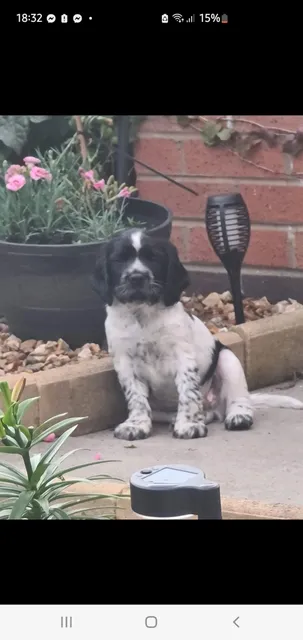
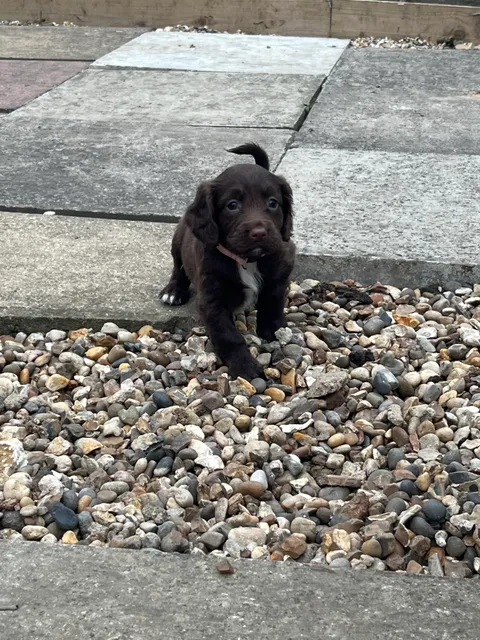
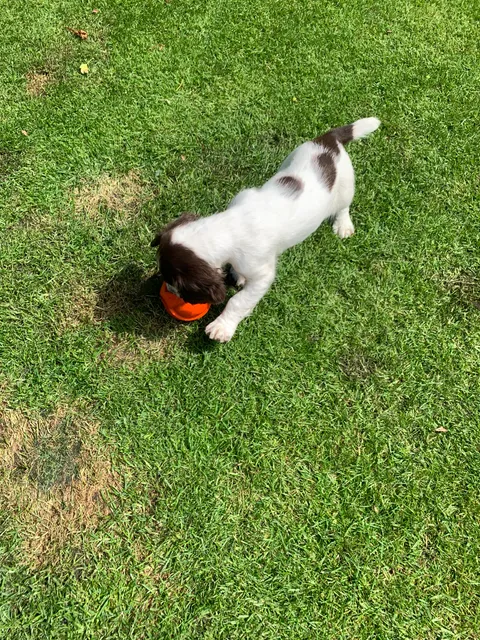
Find Sprocker adverts for sale and for adoption on Mypetzilla now.
Similar breeds you may want to consider
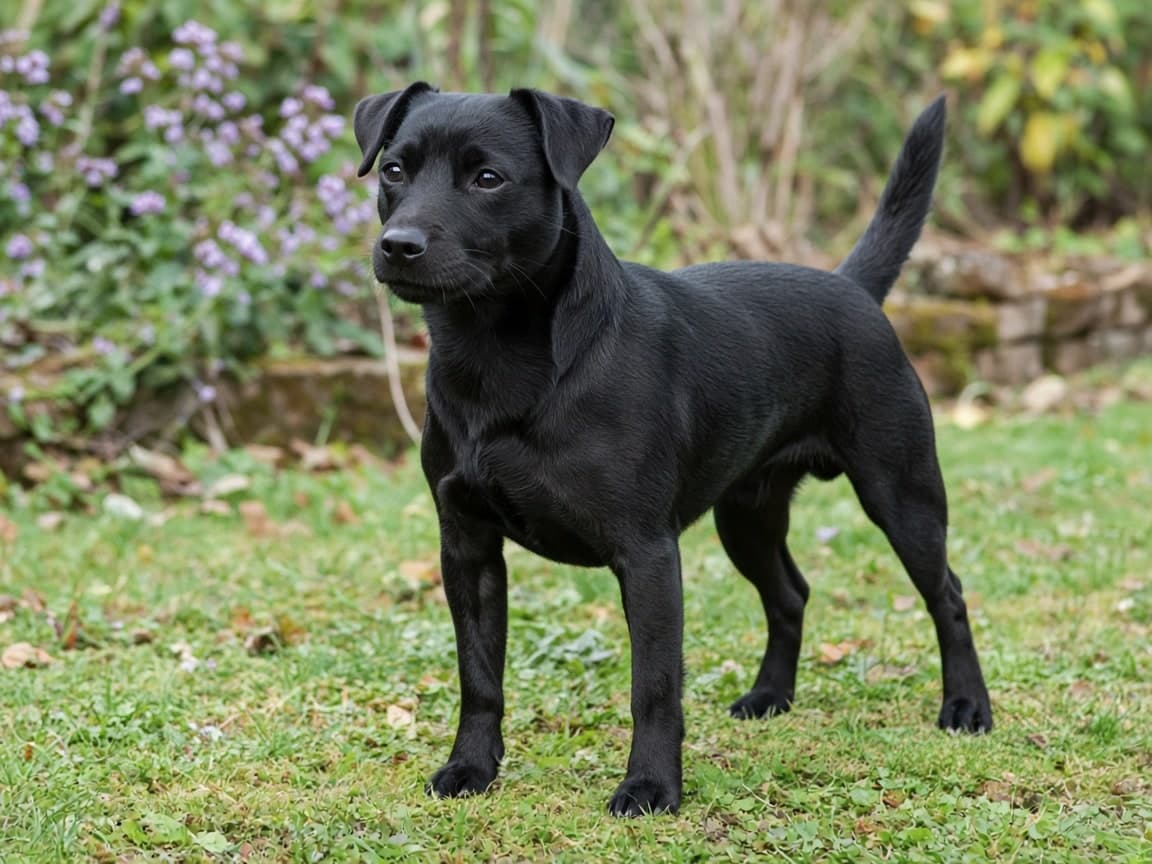
Sprocker FAQs
Is the Sprocker good with children?
Usually better with older, calmer children. Individual dogs vary with breeding, upbringing and health, so ask about the dog you are considering.
How much exercise does the Sprocker need?
High: typically more than an hour a day, with time off the lead. Puppies and older dogs need less structured exercise.
Is the Sprocker easy to train?
Usually eager to learn. Kind, reward-based training works best.
Can the Sprocker be left alone?
Usually copes only with short periods alone. Build up time alone gradually.