Spanish Water Dog at a glance
- Size
- Medium
- Height
- 40–50 cm
- Weight
- 14–22 kg
- Life expectancy
- from 10 years
Typical for the breed, not a promise about any one dog. Not assessed yet: Barking, Time alone, Owner experience.
Is the Spanish Water Dog right for you?
Like every breed, the Spanish Water Dog is not the right fit for every home. Based on the breed’s typical traits:
May suit you if…
- You have children and can supervise them with the dog.
- You would enjoy training a dog that is usually eager to learn.
- You can give around an hour of exercise a day.
- You have, or would like, another dog.
Consider another breed if…
- You live in a flat or a small home.
- You cannot commit to brushing several times a week.
How would the Spanish Water Dog fit your lifestyle?
Choose a few details for a general, non-guaranteed view.
About the Spanish Water Dog
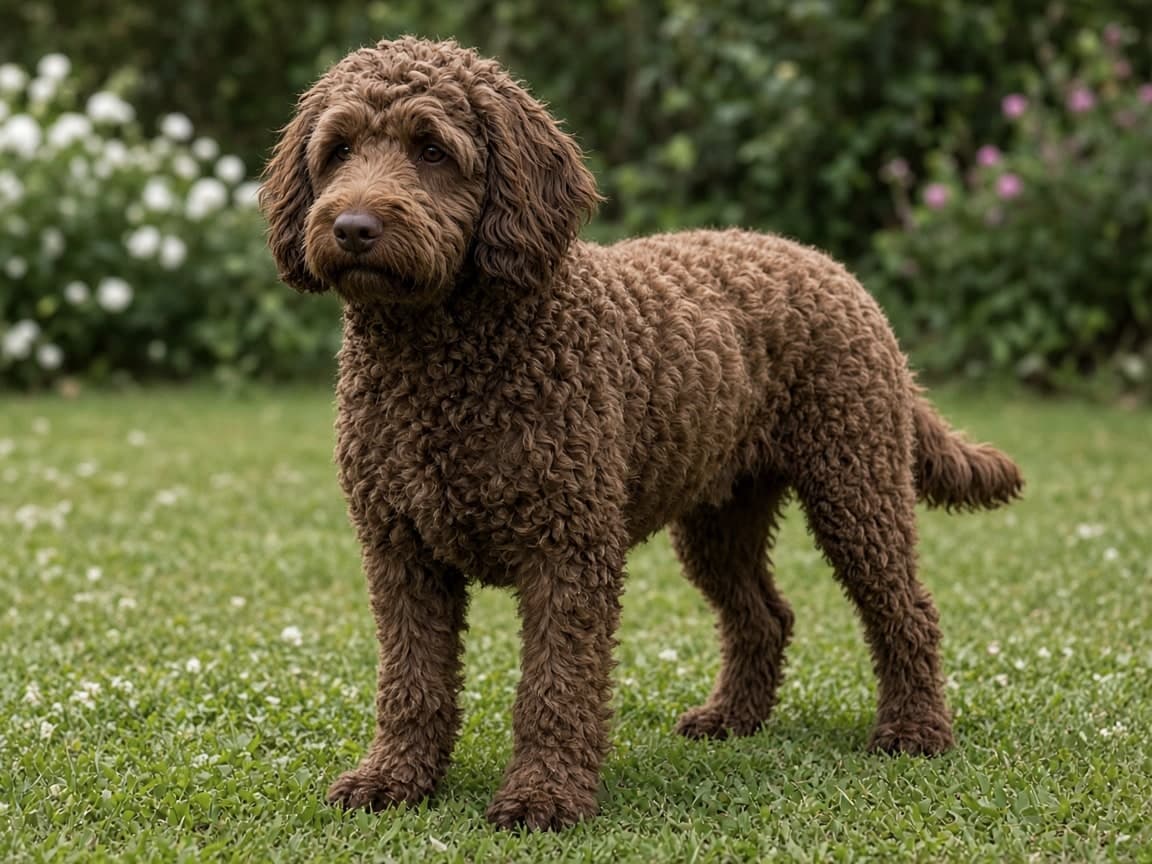
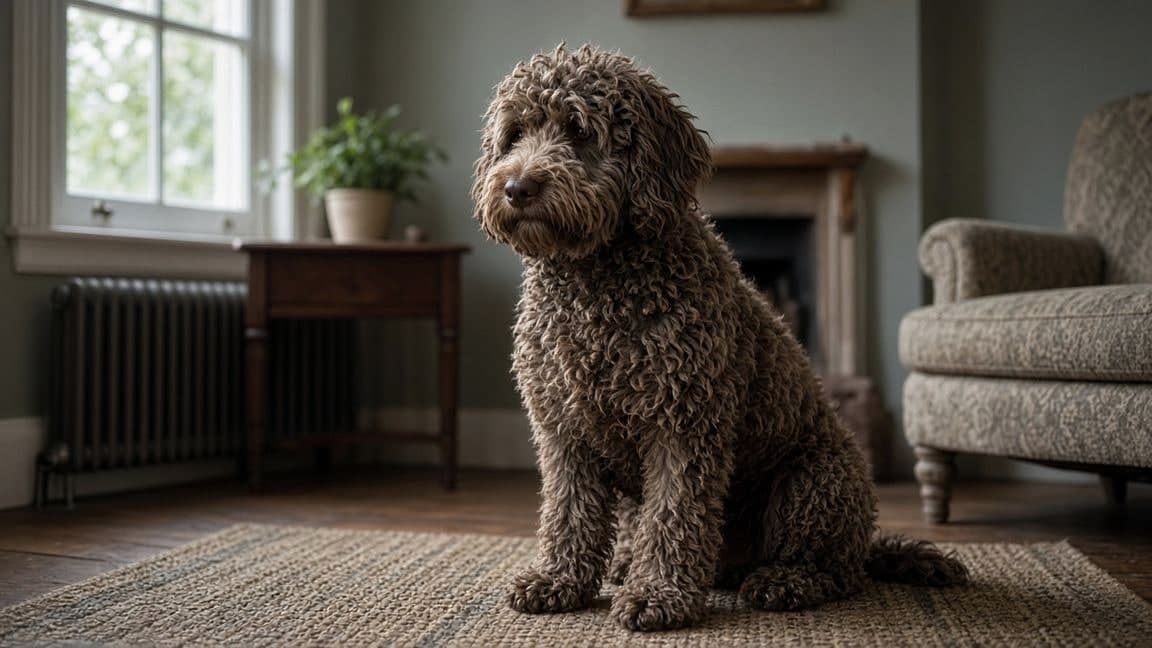
The Spanish Water Dog is a robust, medium-sized dog with a distinctive, naturally corded coat and webbed feet that make it a strong swimmer. It is typically very friendly and loving, and keeps the intelligence, energy and willingness to work of its working past.
Key characteristics
General breed tendencies, not a prediction for an individual dog.
- Size
Medium
A mid-sized dog.
- Exercise
Moderate
Typically around an hour of exercise a day.
- Energy level
Lively
A lively dog that enjoys being busy.
- Grooming
Moderate
The coat usually needs brushing several times a week.
- Shedding
Low
Tends to shed little, though every dog sheds some hair.
- Trainability
High
Usually eager to learn and quick to pick things up.
- Good with children
Often good
Often good with children, with supervision.
- Good with other dogs
Usually sociable
Usually sociable with other dogs.
- Good with cats
Often fine
Often lives with cats when introduced carefully.
- Suits first-time owners
Not assessed yet
Our sources do not say enough yet.
- Barking / vocality
Not assessed yet
Our sources do not say enough yet.
- Time alone
Not assessed yet
Our sources do not say enough yet.
The breed is an ancient and versatile one from the Iberian Peninsula, known at home as the Perro de Agua Español. In southern Spain in particular it worked as both a waterfowl retriever and a herding dog, helping to move flocks between grazing areas as the seasons changed. It also worked alongside hunters and fishermen, retrieving game from water and helping with everyday tasks in rural communities.
The breed is well suited to both wet, marshy ground and dry landscapes, and its unusual coat protects it from the elements. Most of its original jobs have been replaced by modern methods, but it still thrives when it has a clear purpose, and today it is valued as an engaging companion for active owners.
Spanish Water Dog temperament
Spanish Water Dogs are usually very friendly, loving dogs. They tend to get on well with other pets and can make excellent family pets.
They are working dogs at heart, with plenty of intelligence and energy, and they are happiest when they have something to do. Training and socialisation at a young age help them grow into confident, sociable adults.
Size and appearance
The Spanish Water Dog is a medium-sized breed. Adults typically stand 40–50 cm at the shoulder and weigh around 14–22 kg.
The coat is naturally corded. A wide range of colours is accepted, including black, brown, cream, white, black and white, brown and white, gold and white, black and tan, and tricolour. Some puppies are born with naturally bobbed tails, which the Royal Kennel Club records on registration certificates.
How much exercise does a Spanish Water Dog need?
Around an hour of exercise a day is usually needed. As a breed with a strong working background, the Spanish Water Dog suits active owners and does best when it has a job or activity to focus on.
Training a Spanish Water Dog
Spanish Water Dogs are very obedient and respond well to training. Their intelligence and willingness to work mean they usually enjoy having a clear purpose.
- Start training and socialisation young, so your dog grows up confident and sociable.
- Use reward-based techniques.
- Give them a purpose, such as regular training or a working activity.
Spanish Water Dog grooming
The coat needs attention a couple of times a week, along with clipping and shaping by a professional groomer at intervals through the year. The coat is typically clipped once or twice a year.
Living with a Spanish Water Dog
Spanish Water Dogs are friendly, loving dogs that can make excellent family pets when they have been well trained and socialised. Whatever the breed, dogs and young children should never be left alone together, and an adult should supervise every interaction.
Children
Often good with children, with supervision.
Other dogs
Usually sociable with other dogs.
Cats and small pets
Often lives with cats when introduced carefully.
Flats and smaller homes
Usually happier in a house.
Garden
A garden is helpful.
Spanish Water Dog health
Not yet reviewed by a vet. This is general information, not veterinary advice: speak to your vet about your own dog’s health.
Some inherited conditions are recognised in the breed. Choosing a puppy whose parents have been screened helps reduce the risk; it does not mean every Spanish Water Dog will be affected. The Royal Kennel Club recommends prioritising genetic diversity before breeding.
Progressive retinal atrophy (PRA)
A gradual deterioration of the retina, which can start with night blindness and progress to total blindness. The Royal Kennel Club recommends a DNA test for prcd-PRA and eye testing under the BVA/KC/ISDS Eye Scheme, including gonioscopy, before breeding.
Hip dysplasia
Looseness in the hip joint caused by poor development, which eventually leads to arthritis. Hip testing under the BVA/KC Hip Dysplasia Scheme is recommended.
Congenital hypothyroidism with goitre (CHG)
A DNA test for this condition is part of the Royal Kennel Club's best-practice health testing for the breed.
Neuroaxonal dystrophy (NAD)
A DNA test for the form seen in the breed (NAD-TECPR2) is part of the Royal Kennel Club's best-practice health testing.
What health checks should you ask about?
Responsible breeders and rescues are happy to talk about health, and any pressure to decide quickly is a reason to walk away. Before taking a Spanish Water Dog home, it is reasonable to ask about:
- Health testing of the parents. Ask which health tests the parents have had for conditions known in the breed, and to see the results.
- Veterinary and vaccination records. Puppies should have had a first vaccination and a vet check, with records you can take home.
- Microchip information. In England, Scotland and Wales puppies must be microchipped and registered by eight weeks old. Ask who the chip is registered to and how the transfer works.
- Registration paperwork. Registration papers, where they apply, record pedigree. They do not by themselves prove health or how a puppy was raised.
How much does a Spanish Water Dog cost to own?
There are two costs: bringing a Spanish Water Dog home, and looking after one well. Puppy prices depend on the breeder, health testing and demand; the adverts below show what sellers are asking today.
Ongoing costs are the ones new owners most often underestimate: food, insurance (which usually rises with age), routine vet care, vaccinations and parasite treatment, dental care, grooming, training, bedding and equipment, and boarding or a sitter for holidays. Budget for the whole of the dog’s life, typically from 10 years, not just the first year.
Buying a Spanish Water Dog
If you have decided the Spanish Water Dog suits your life, take the same care choosing where your dog comes from. Meet the puppy in person, see it with its mother, and look at how the litter is raised.
- Check who you are dealing with: every Mypetzilla advert shows the seller type and what we have checked.
- Ask about health testing, vaccinations and the microchip before you commit.
- Take your time. Do not be rushed by deposits or "last one left" stories.
- Meet in person before paying anything, and keep conversations on Mypetzilla.
Adopting a Spanish Water Dog
Spanish Water Dogs do come up for adoption, through rescue organisations, breed rescues and private rehoming, often because an owner’s circumstances have changed rather than any fault of the dog. An adult dog arrives as a known quantity: its size, coat and character are already on show.
Rescues will usually talk you through the dog’s history, any medical care, and the home it needs, including children, other animals and time alone. Be honest about your circumstances: a good rescue would rather place a dog once, well.
Spanish Water Dogs looking for homes
Live from Mypetzilla, updated as pets are listed.
Find Spanish Water Dog adverts for sale and for adoption on Mypetzilla now.
Similar breeds you may want to consider
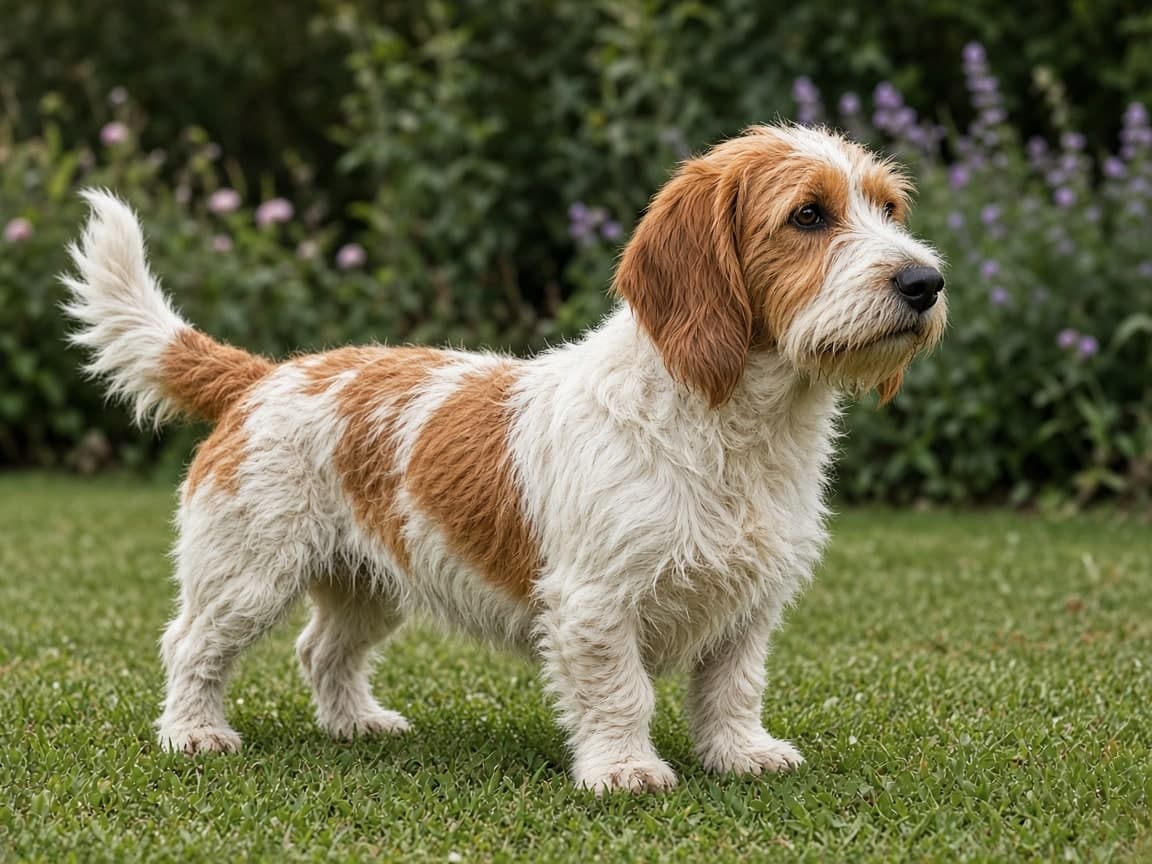
Basset Griffon Vendeen
Happy, extrovert, independent, bold, curious, alert, intelligent and affectionate.
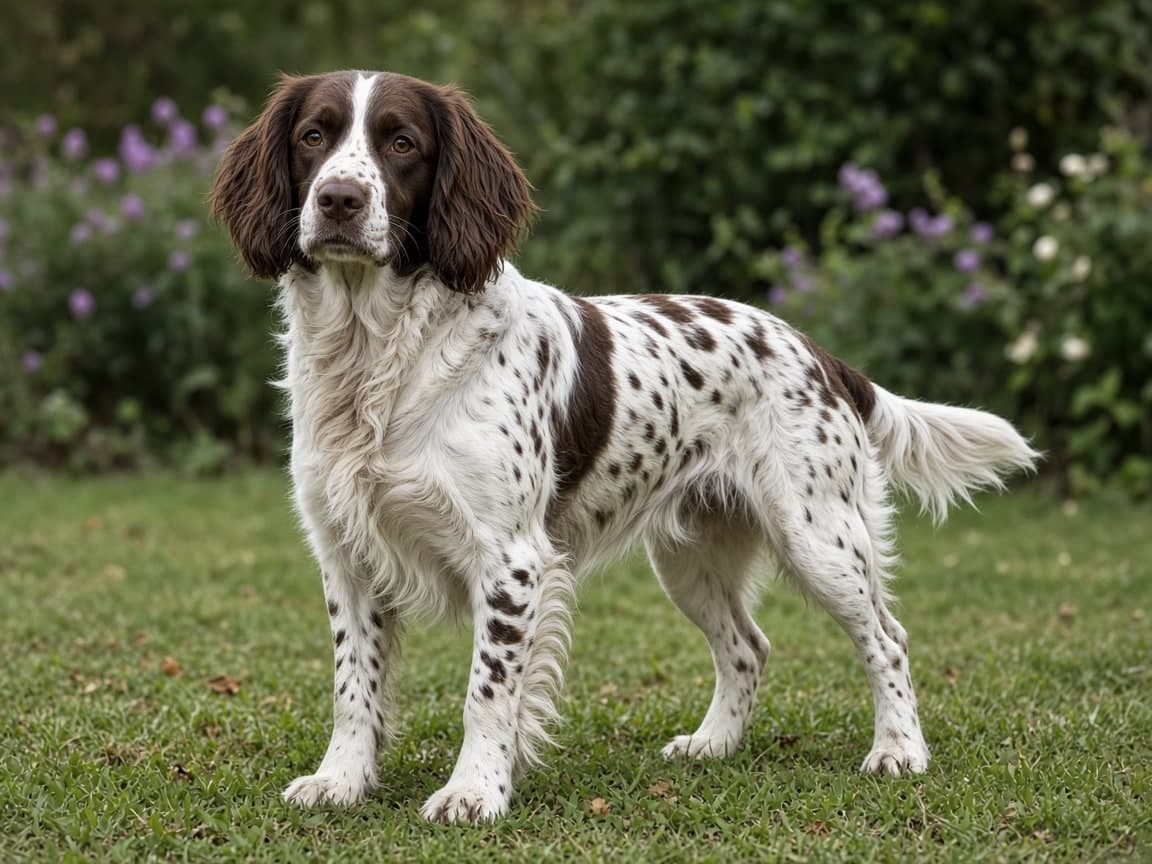
View breed guideEnglish Springer Spaniel
Happy, playful, energetic, friendly, affectionate, intelligent and obedient.
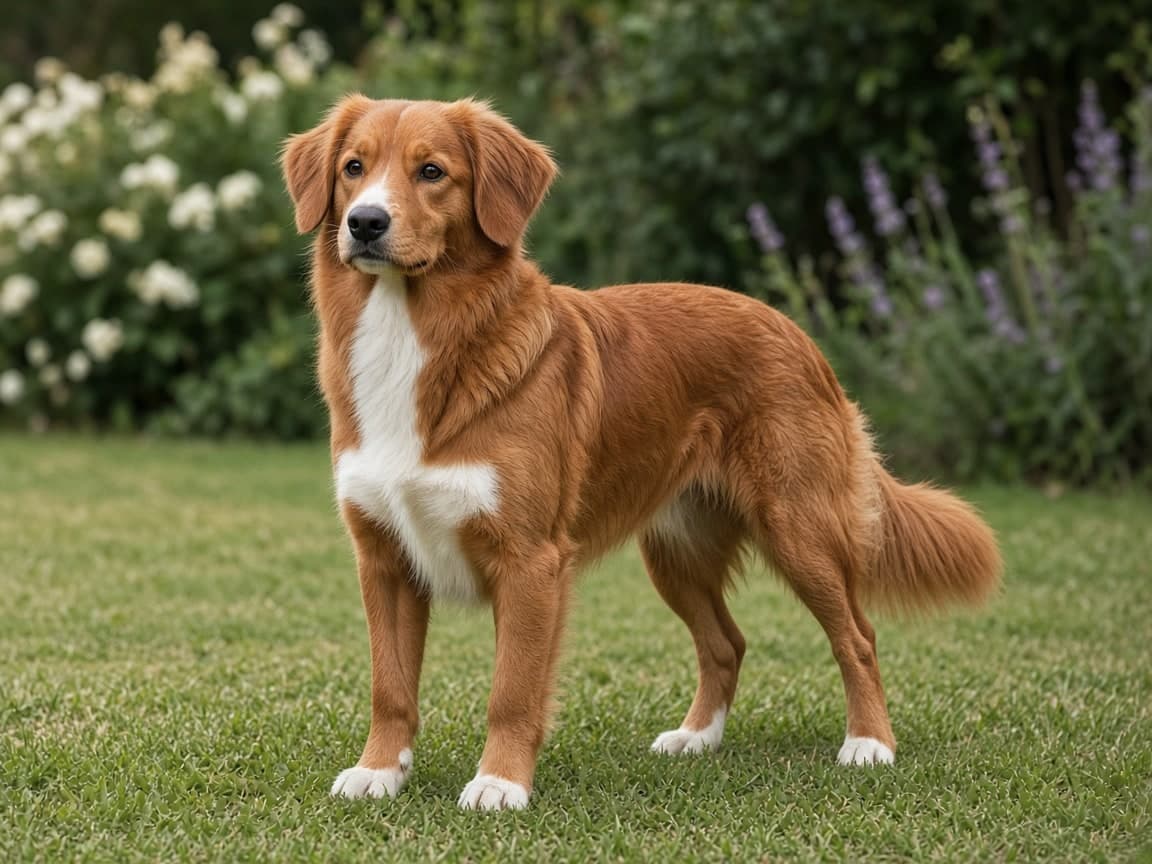
View breed guideNova Scotia Duck Tolling Retriever
Intelligent, enthusiastic, bright, alert, active, playful, energetic and curious.
View breed guide
Spanish Water Dog FAQs
Is the Spanish Water Dog good with children?
Often good with children, with supervision. Individual dogs vary with breeding, upbringing and health, so ask about the dog you are considering.
Can the Spanish Water Dog live in a flat?
Usually happier in a house. Exercise and company matter more than floor space.
How much exercise does the Spanish Water Dog need?
Moderate: typically around an hour a day. Puppies and older dogs need less structured exercise.
Does the Spanish Water Dog shed?
Tends to shed little.
How much grooming does the Spanish Water Dog need?
Typically: several times a week.
Is the Spanish Water Dog easy to train?
Usually eager to learn. Kind, reward-based training works best.
Is the Spanish Water Dog good with cats?
Often lives with cats when introduced carefully. Individual dogs vary with breeding, upbringing and health, so ask about the dog you are considering.
How long does the Spanish Water Dog live?
Typically from 10 years. Lifespan varies with genetics, weight, care and luck.
How big does the Spanish Water Dog get?
Adults typically stand 40–50 cm at the shoulder and weigh 14–22 kg.