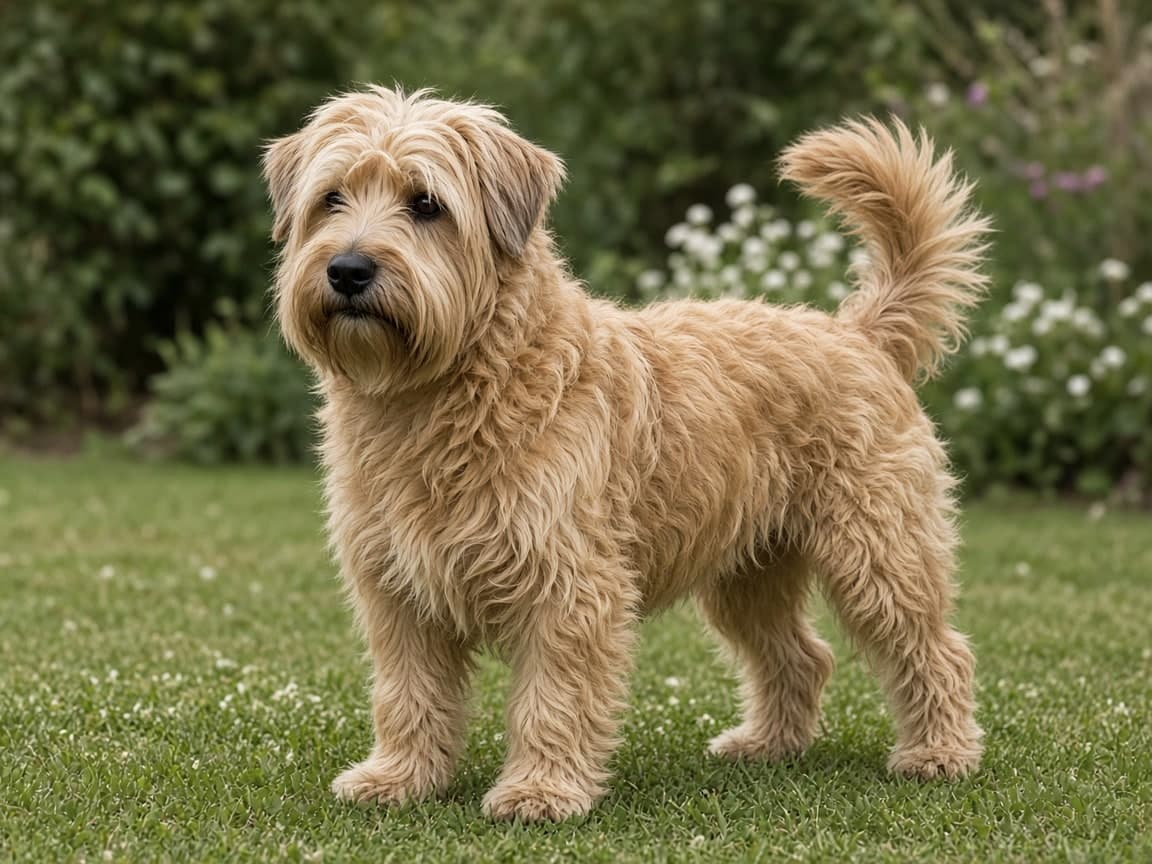
Soft Coated Wheaten Terrier at a glance
- Size
- Medium
- Height
- 46–49 cm
- Weight
- 16–20.5 kg
- Life expectancy
- from 12 years
Typical for the breed, not a promise about any one dog.
Is the Soft Coated Wheaten Terrier right for you?
Like every breed, the Soft Coated Wheaten Terrier is not the right fit for every home. Based on the breed’s typical traits:
May suit you if…
- You can give around an hour of exercise a day.
- You would prefer a dog that tends to shed little.
Consider another breed if…
- The dog would regularly be left alone for long working days.
- You live in a flat or a small home.
- You have young children at home.
- This would be your first dog.
How would the Soft Coated Wheaten Terrier fit your lifestyle?
Choose a few details for a general, non-guaranteed view.
About the Soft Coated Wheaten Terrier
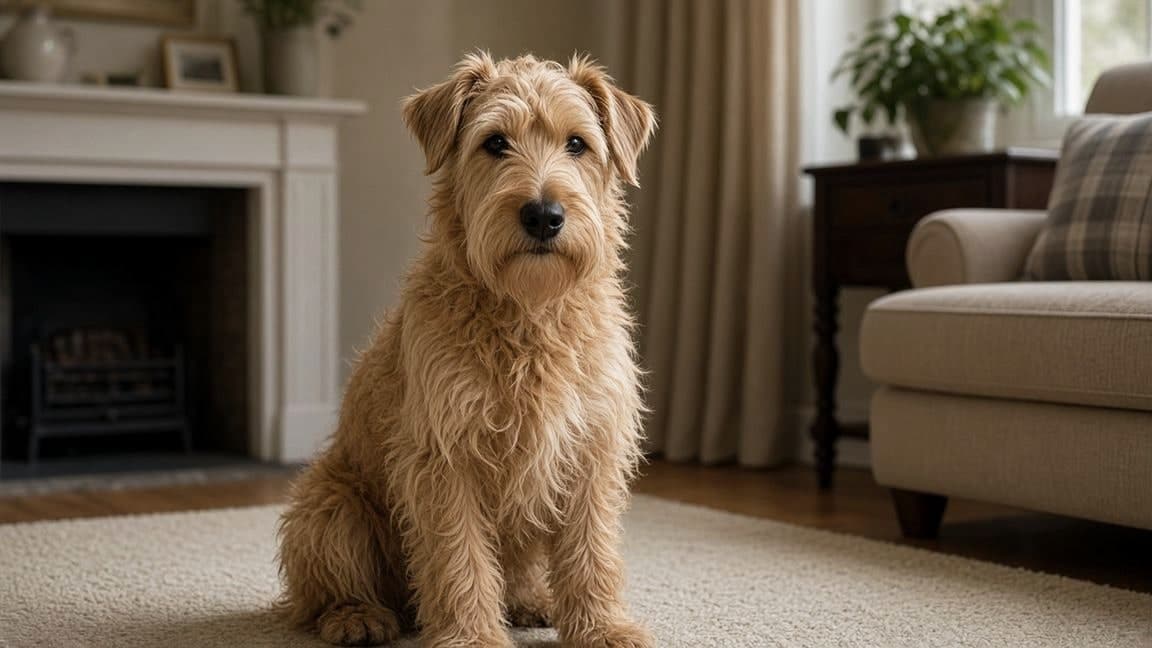
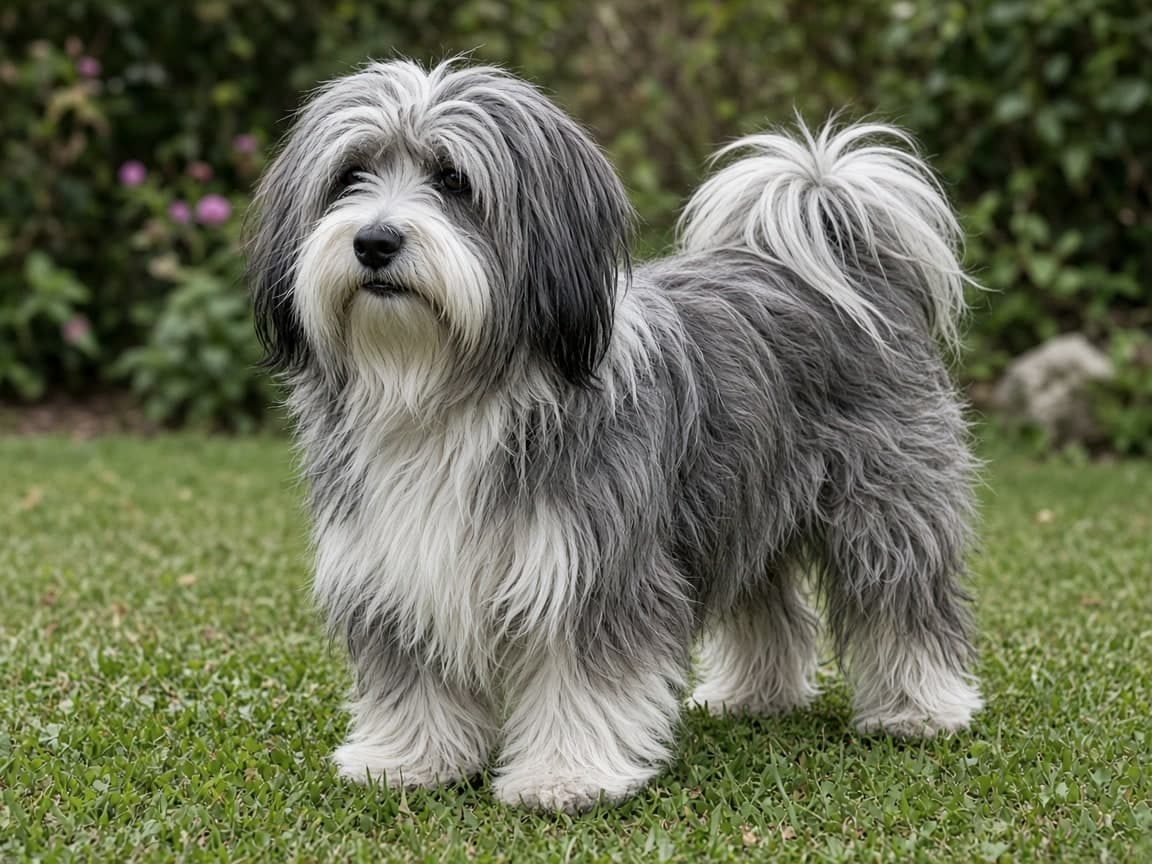
The Soft Coated Wheaten Terrier is a compact, strong, upstanding terrier whose name describes its two main features: a soft, gently waved or curled coat in the colour of ripening wheat. Wheatens are typically affectionate, gentle and playful, with a sense of fun and a sparkle of mischief.
Key characteristics
General breed tendencies, not a prediction for an individual dog.
- Size
Medium
A mid-sized dog.
- Exercise
Moderate
Typically around an hour of exercise a day.
- Energy level
Lively
A lively dog that enjoys being busy.
- Grooming
Daily
The coat usually needs brushing every day.
- Shedding
Low
Tends to shed little, though every dog sheds some hair.
- Trainability
Moderate
Generally trainable with patience and consistency.
- Good with children
Older children
Usually better with older, calmer children.
- Good with other dogs
Can be selective
Can be selective about other dogs.
- Good with cats
Varies
Varies with the individual dog.
- Suits first-time owners
Experienced owners
Best with an experienced owner.
- Barking / vocality
Can be vocal
Often quick to bark at visitors or unusual sounds.
- Time alone
Prefers company
Usually copes only with short periods alone.
The breed is a native of Ireland and has been around for over 200 years. It was an all-round farm dog, used to hunt vermin, badger and otter, to guard, and sometimes even to drive cattle and herd sheep. Because it was bred for work rather than looks, its appearance varied a lot. Some claim it as an ancestor of the Irish Terrier and the Kerry Blue.
The breed was recognised by the Irish Kennel Club in 1937 and by The Kennel Club in 1943. It has never been one of the most popular terriers, and the Royal Kennel Club lists it as a vulnerable native breed.
Soft Coated Wheaten Terrier temperament
Wheatens are usually friendly, trustworthy dogs that want to be included in everything their family does. They generally like to please, but can be stubborn and headstrong at times.
Underneath the teddy-bear look they are true terriers, with a strong urge to chase. Not every Wheaten likes all dogs or all people, so careful socialisation and lifelong management may be needed. They tend to alert their owners to anything they see or hear, which suits a quieter rural or suburban home better than close neighbours.
They do not usually cope well with being left alone for long.
Size and appearance
The Soft Coated Wheaten Terrier is a medium-sized breed. Adults typically stand 46–49 cm at the shoulder and weigh around 16–20.5 kg.
The coat is soft, silky and gently curling, profuse on the head and legs. Breed standard colours are wheaten, blonde and brown, and the ears may be darker.
How much exercise does a Soft Coated Wheaten Terrier need?
Wheatens need around an hour of exercise a day, and many will happily do more. Varied walking routes, free running in safe places and activities such as scent work, chasing lures or thrown toys help keep their quick minds busy. Without something constructive to do, they may find something destructive instead.
A securely fenced garden is a must, as they can dig well and jump surprisingly high.
Training a Soft Coated Wheaten Terrier
Wheatens are intelligent and quick to learn, but also independent. They need strong motivation to work with you rather than do their own thing, and they suit owners who enjoy training as a hobby.
- Use positive reinforcement with food, toys and enjoyable activities.
- Give their chasing and tugging instincts a safe outlet with suitable toys and games.
- Socialise them carefully with other dogs, cats and livestock.
- Work hard on a strong recall and a reliable retrieve and drop.
- Start socialisation early in puppyhood.
Soft Coated Wheaten Terrier grooming
The coat needs regular grooming, ideally every day, to keep it clean, shiny and tangle-free, with trimming from time to time. Grooming takes more work between about 7 and 24 months, while the adult coat comes in. The coat sheds very little.
Getting your puppy used to a groomer early is sensible, as washing, brushing and drying the coat takes a long time. Check between the pads and inside the ears after walks for debris.
Living with a Soft Coated Wheaten Terrier
Well-socialised Wheatens can make excellent family pets, especially for active families with older children who enjoy walks and training. They are not ideal with babies or toddlers, as the terrier temperament is not always tolerant and their needs for training, exercise and grooming are demanding. Whatever the breed, dogs and young children should never be left alone together, and an adult should supervise every interaction.
Children
Usually better with older, calmer children.
Other dogs
Can be selective about other dogs.
Cats and small pets
Varies with the individual dog.
Flats and smaller homes
Usually happier in a house.
Garden
A secure garden is strongly advised.
Being left alone
Usually copes only with short periods alone.
First-time owners
Best with an experienced owner.
Soft Coated Wheaten Terrier health
Not yet reviewed by a vet. This is general information, not veterinary advice: speak to your vet about your own dog’s health.
The Soft Coated Wheaten Terrier is generally a healthy breed, but some conditions are recognised in it. The Royal Kennel Club recommends prioritising genetic diversity, and the breed also has a breed club health scheme.
Hip dysplasia
Looseness in the hip joint caused by poor development, which eventually leads to arthritis. The Royal Kennel Club recommends hip testing under the BVA/KC Hip Dysplasia Scheme.
Progressive retinal atrophy (PRA)
A gradual deterioration of the retina that can start with night blindness and progress to total blindness. Eye testing under the BVA/KC/ISDS Eye Scheme is recommended.
Protein-losing nephropathy and enteropathy
Protein is lost through the kidneys or the intestines, which can cause diarrhoea and weight loss. In this breed the intestinal form is usually linked to inflammatory bowel disease.
Renal dysplasia
The kidney does not develop properly and cannot work normally.
Addison's disease
The adrenal glands produce too little of hormones such as cortisol.
Atopy
Sensitivity to certain allergens, causing itching and damage to the skin.
Degenerative myelopathy
A condition that causes gradual paralysis of the hind legs.
What health checks should you ask about?
Responsible breeders and rescues are happy to talk about health, and any pressure to decide quickly is a reason to walk away. Before taking a Soft Coated Wheaten Terrier home, it is reasonable to ask about:
- Health testing of the parents. Ask which health tests the parents have had for conditions known in the breed, and to see the results.
- Veterinary and vaccination records. Puppies should have had a first vaccination and a vet check, with records you can take home.
- Microchip information. In England, Scotland and Wales puppies must be microchipped and registered by eight weeks old. Ask who the chip is registered to and how the transfer works.
- Registration paperwork. Registration papers, where they apply, record pedigree. They do not by themselves prove health or how a puppy was raised.
How much does a Soft Coated Wheaten Terrier cost to own?
There are two costs: bringing a Soft Coated Wheaten Terrier home, and looking after one well. Puppy prices depend on the breeder, health testing and demand; the adverts below show what sellers are asking today.
Ongoing costs are the ones new owners most often underestimate: food, insurance (which usually rises with age), routine vet care, vaccinations and parasite treatment, dental care, grooming, training, bedding and equipment, and boarding or a sitter for holidays. Budget for the whole of the dog’s life, typically from 12 years, not just the first year.
Buying a Soft Coated Wheaten Terrier
If you have decided the Soft Coated Wheaten Terrier suits your life, take the same care choosing where your dog comes from. Meet the puppy in person, see it with its mother, and look at how the litter is raised.
- Check who you are dealing with: every Mypetzilla advert shows the seller type and what we have checked.
- Ask about health testing, vaccinations and the microchip before you commit.
- Take your time. Do not be rushed by deposits or "last one left" stories.
- Meet in person before paying anything, and keep conversations on Mypetzilla.
Adopting a Soft Coated Wheaten Terrier
Soft Coated Wheaten Terriers do come up for adoption, through rescue organisations, breed rescues and private rehoming, often because an owner’s circumstances have changed rather than any fault of the dog. An adult dog arrives as a known quantity: its size, coat and character are already on show.
Rescues will usually talk you through the dog’s history, any medical care, and the home it needs, including children, other animals and time alone. Be honest about your circumstances: a good rescue would rather place a dog once, well.
Soft Coated Wheaten Terriers looking for homes
Live from Mypetzilla, updated as pets are listed.
There are no Soft Coated Wheaten Terrier adverts at the moment.
Find Soft Coated Wheaten Terrier adverts for sale and for adoption on Mypetzilla now.
Similar breeds you may want to consider
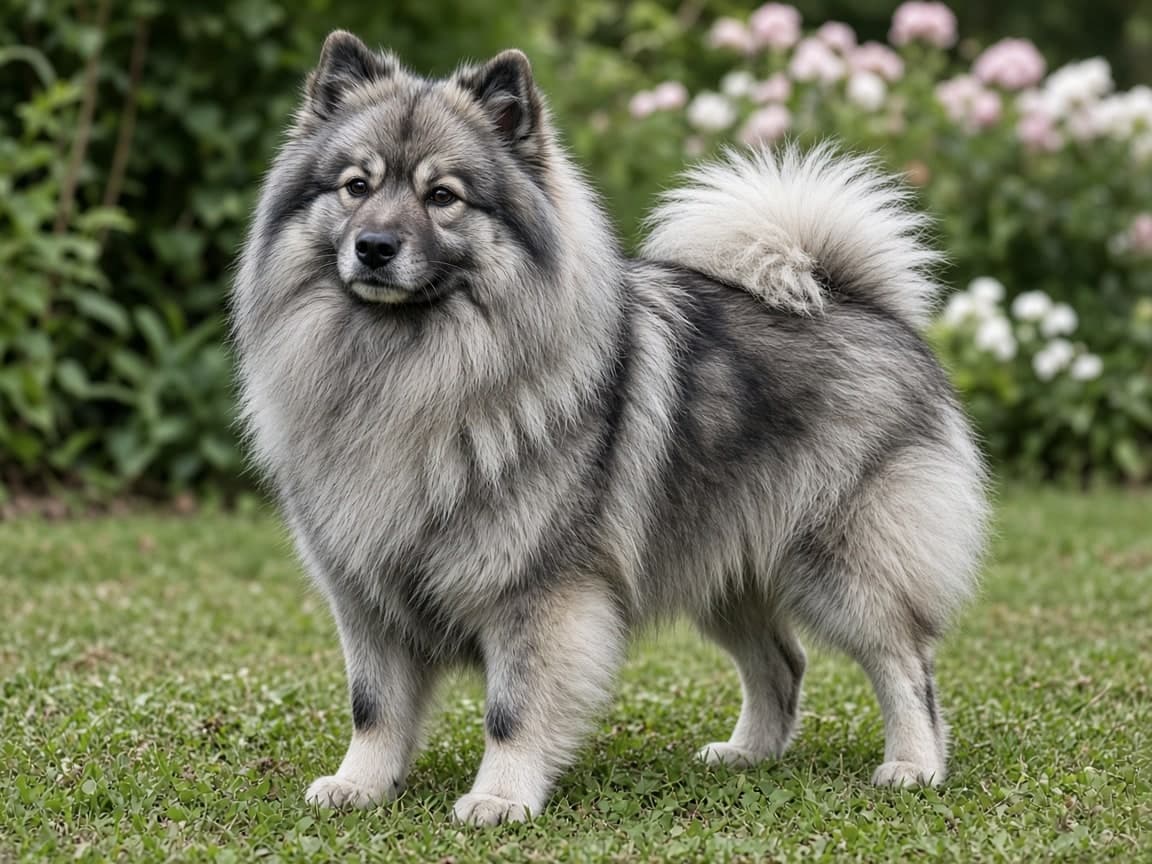
Keeshond
Affectionate, loving, energetic, playful, alert, cheerful, friendly and companionable.
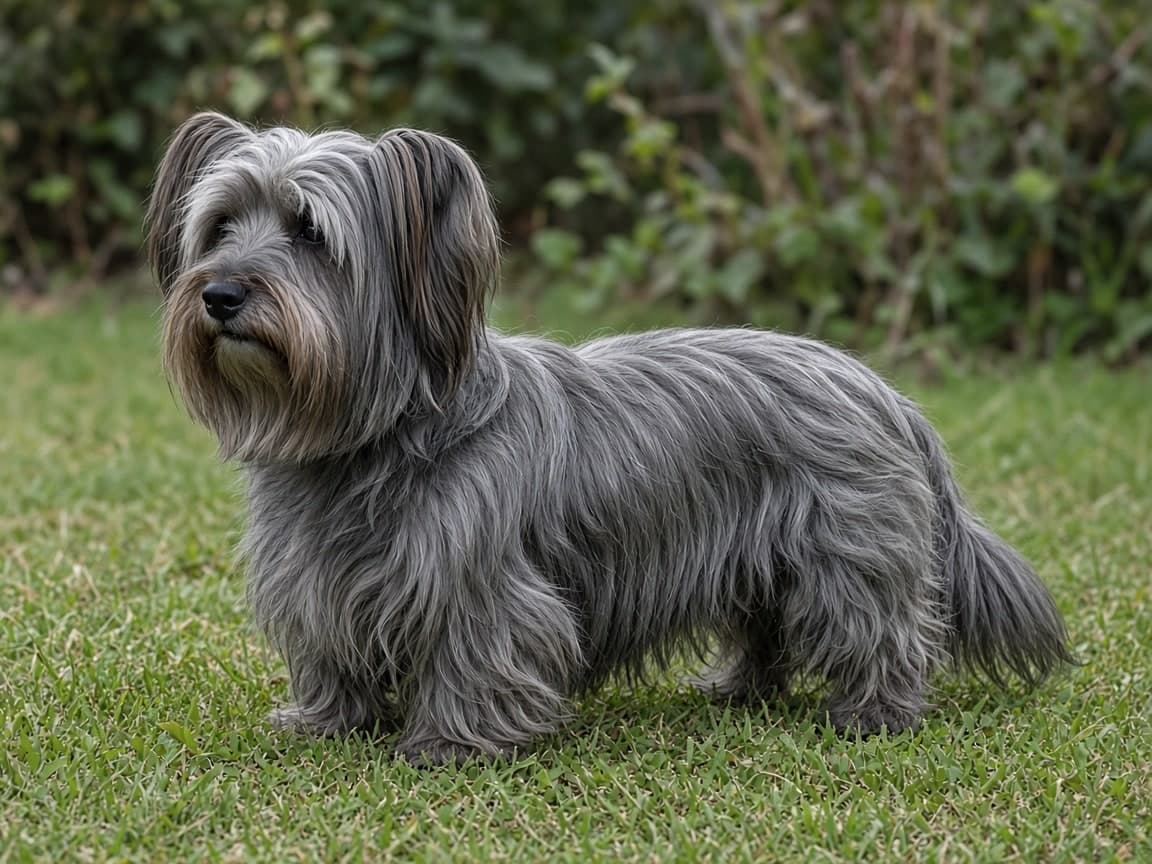
View breed guideSkye Terrier
Loyal, devoted, fearless, determined, cheerful, lively, dignified and elegant.
View breed guideTibetan Terrier
Gentle, friendly, affectionate, happy, outgoing, clever, alert and loyal.
View breed guide
Soft Coated Wheaten Terrier FAQs
Is the Soft Coated Wheaten Terrier good with children?
Usually better with older, calmer children. Individual dogs vary with breeding, upbringing and health, so ask about the dog you are considering.
Can the Soft Coated Wheaten Terrier live in a flat?
Usually happier in a house. Exercise and company matter more than floor space.
How much exercise does the Soft Coated Wheaten Terrier need?
Moderate: typically around an hour a day. Puppies and older dogs need less structured exercise.
Does the Soft Coated Wheaten Terrier shed?
Tends to shed little.
How much grooming does the Soft Coated Wheaten Terrier need?
Typically: daily.
Is the Soft Coated Wheaten Terrier easy to train?
Generally trainable with consistency. Kind, reward-based training works best.
Can the Soft Coated Wheaten Terrier be left alone?
Usually copes only with short periods alone. Build up time alone gradually.
Does the Soft Coated Wheaten Terrier bark a lot?
Can be vocal. Individual dogs vary with breeding, upbringing and health, so ask about the dog you are considering.
Is the Soft Coated Wheaten Terrier good with cats?
Varies with the individual dog. Individual dogs vary with breeding, upbringing and health, so ask about the dog you are considering.
How long does the Soft Coated Wheaten Terrier live?
Typically from 12 years. Lifespan varies with genetics, weight, care and luck.
How big does the Soft Coated Wheaten Terrier get?
Adults typically stand 46–49 cm at the shoulder and weigh 16–20.5 kg.