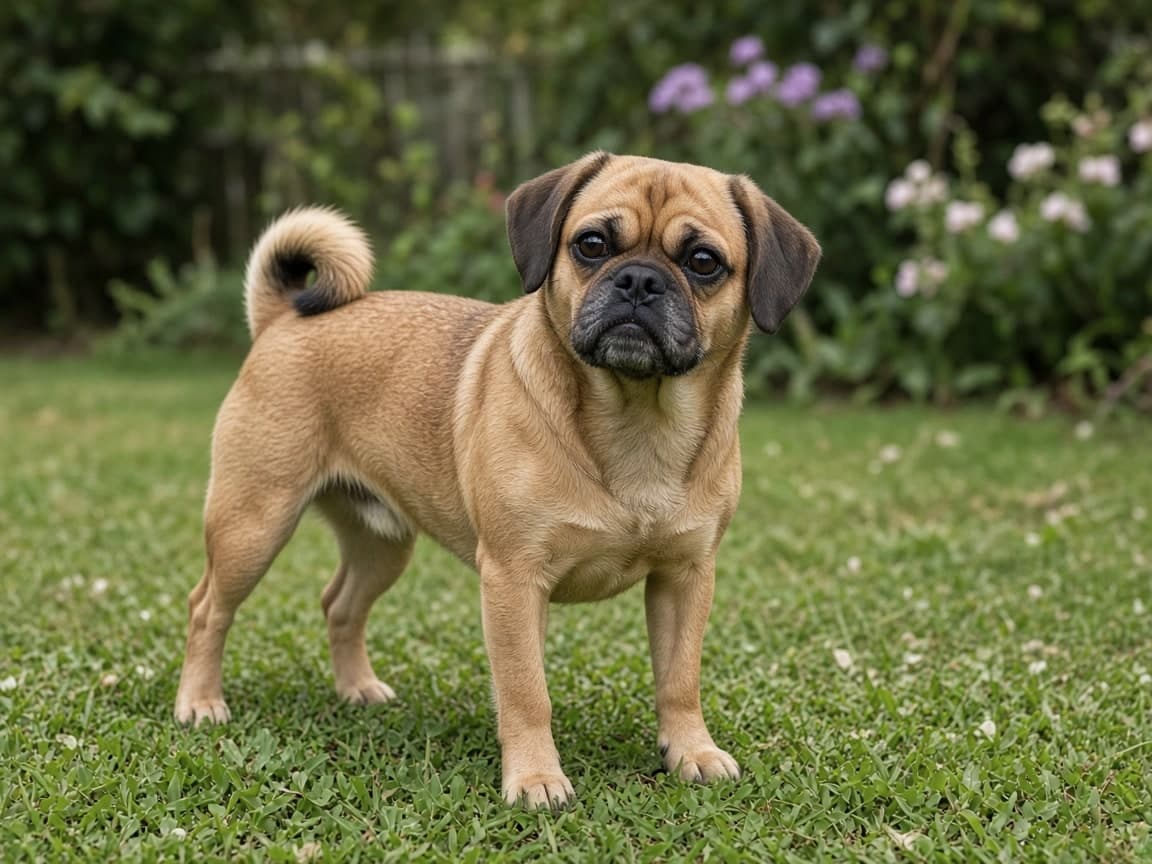
Puggle at a glance
- Height
- up to 40 cm
Typical for the breed, not a promise about any one dog. Not assessed yet: Size, Typical adult weight, Exercise, Energy, Grooming, Time alone, Children, Typical lifespan.
Is the Puggle right for you?
Like every breed, the Puggle is not the right fit for every home. Based on the breed’s typical traits:
May suit you if…
- You live in a flat or smaller home: the breed often adapts well.
- You have, or would like, another dog.
Consider another breed if…
- You would find barking hard to live with.
How would the Puggle fit your lifestyle?
Choose a few details for a general, non-guaranteed view.
About the Puggle
The Puggle is a designer crossbreed of two fun-loving dogs, the Pug and the Beagle. It became popular in the US and is slowly growing in popularity elsewhere. Because it is a cross, Puggles vary in size, shape, colour and nose length depending on how they have been bred.
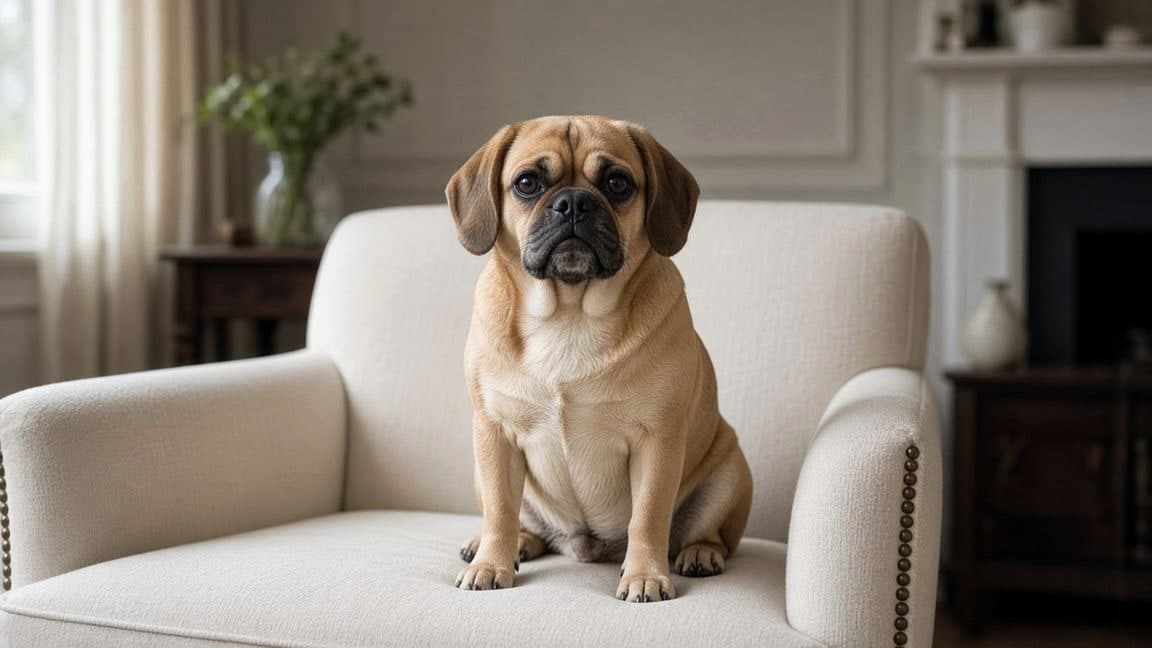
Key characteristics
General breed tendencies, not a prediction for an individual dog.
- Size
Not assessed yet
Our sources do not say enough yet.
- Exercise
Not assessed yet
Our sources do not say enough yet.
- Energy level
Not assessed yet
Our sources do not say enough yet.
- Grooming
Not assessed yet
Our sources do not say enough yet.
- Shedding
Moderate
Sheds a moderate amount, varying by dog and season.
- Trainability
Moderate
Generally trainable with patience and consistency.
- Good with children
Not assessed yet
Our sources do not say enough yet.
- Good with other dogs
Usually sociable
Usually sociable with other dogs.
- Good with cats
Varies
Varies with the individual dog.
- Suits first-time owners
Some experience helps
Some dog experience helps.
- Barking / vocality
Can be vocal
Often quick to bark at visitors or unusual sounds.
- Time alone
Not assessed yet
Our sources do not say enough yet.
A Puggle may be a first cross, with one Pug and one Beagle parent; a dog bred back to one of the parent breeds; or the puppy of two Puggles. First crosses tend to be more consistent in personality, while breeding Puggles together makes temperament less predictable and can raise the risk of inbreeding.
The Pug is an ancient companion breed thought to come from China, while the Beagle is the smallest of the British pack hounds, developed to hunt hare and rabbits with hunters following on foot. A Puggle can show any mix of the two.
Puggle temperament
Both parents are typically affectionate, cheerful and friendly, and Puggles usually share those traits. The Beagle side is happy, easy-going and sociable with other dogs, and a good watchdog that barks at anything unusual. The Pug side is charming, playful and funny, and does not like to be separated from its people for long.
Puggles are often chatty and vocal. Expect a dog that may follow its nose like a scenthound and think one step ahead of you like a clever toy breed.
Size and appearance
Puggles vary widely in size, but they can stand up to around 40 cm tall. Coat colours vary too, as both parent breeds come in many colours.
How much exercise does a Puggle need?
Exercise needs are hard to predict and depend on whether a Puggle takes after the Pug or the Beagle. A Pug does not need much exercise and, with its flat face and breathing problems, cannot walk very far, whereas a Beagle will happily walk all day. Do not skimp on exercise just because they are small.
Training a Puggle
The Pug is surprisingly trainable, while the Beagle often listens to its nose more than its owner. A Puggle can fall anywhere between the two, so be prepared to work hard on training.
- Teach walking on a lead and harness.
- Make a real effort to teach a reliable recall, remembering that scenthounds may not hear you when following a scent.
- Make sure your garden and surroundings are secure, as Puggles are known escape artists.
- Introduce cats early, as the Beagle parent may not be safe with unfamiliar cats or small pets.
Puggle grooming
Both parent breeds have short coats that do not need much grooming, but they do shed, and the Puggle will share these coat traits. Keep any skin folds clean and dry, and wipe the eyes daily.
Living with a Puggle
The Puggle can make a great family dog, as it tends to love everyone, but it may need extra supervision around children. Whatever the breed, dogs and young children should never be left alone together, and an adult should supervise every interaction.
Other dogs
Usually sociable with other dogs.
Cats and small pets
Varies with the individual dog.
Flats and smaller homes
Often adapts to flats and smaller homes.
Garden
A secure garden is strongly advised.
First-time owners
Some dog experience helps.
Puggle health
Not yet reviewed by a vet. This is general information, not veterinary advice: speak to your vet about your own dog’s health.
Crossbreeds vary in the health conditions they are prone to, because individual dogs may take more after one parent than the other. A Puggle is likely to have fewer breathing problems than a Pug, because the Beagle cross usually gives a longer muzzle and potentially larger nostrils. Look at the health information for both the Pug and the Beagle, and ask about the health of both parents.
What health checks should you ask about?
Responsible breeders and rescues are happy to talk about health, and any pressure to decide quickly is a reason to walk away. Before taking a Puggle home, it is reasonable to ask about:
- Health testing of the parents. Ask which health tests the parents have had for conditions known in the breed, and to see the results.
- Veterinary and vaccination records. Puppies should have had a first vaccination and a vet check, with records you can take home.
- Microchip information. In England, Scotland and Wales puppies must be microchipped and registered by eight weeks old. Ask who the chip is registered to and how the transfer works.
- Registration paperwork. Registration papers, where they apply, record pedigree. They do not by themselves prove health or how a puppy was raised.
How much does a Puggle cost to own?
There are two costs: bringing a Puggle home, and looking after one well. Puppy prices depend on the breeder, health testing and demand; the adverts below show what sellers are asking today.
Ongoing costs are the ones new owners most often underestimate: food, insurance (which usually rises with age), routine vet care, vaccinations and parasite treatment, dental care, grooming, training, bedding and equipment, and boarding or a sitter for holidays. Budget for the whole of the dog’s life, not just the first year.
Buying a Puggle
If you have decided the Puggle suits your life, take the same care choosing where your dog comes from. Meet the puppy in person, see it with its mother, and look at how the litter is raised.
- Check who you are dealing with: every Mypetzilla advert shows the seller type and what we have checked.
- Ask about health testing, vaccinations and the microchip before you commit.
- Take your time. Do not be rushed by deposits or "last one left" stories.
- Meet in person before paying anything, and keep conversations on Mypetzilla.
Adopting a Puggle
Puggles do come up for adoption, through rescue organisations, breed rescues and private rehoming, often because an owner’s circumstances have changed rather than any fault of the dog. An adult dog arrives as a known quantity: its size, coat and character are already on show.
Rescues will usually talk you through the dog’s history, any medical care, and the home it needs, including children, other animals and time alone. Be honest about your circumstances: a good rescue would rather place a dog once, well.
Puggles looking for homes
Live from Mypetzilla, updated as pets are listed.
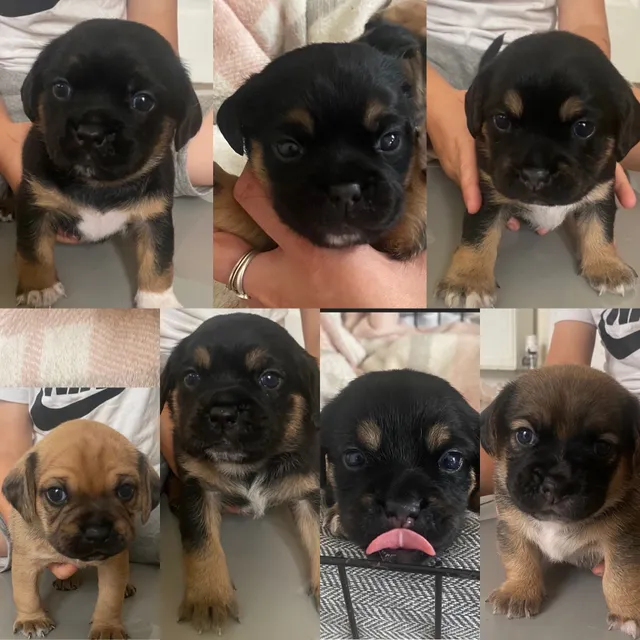
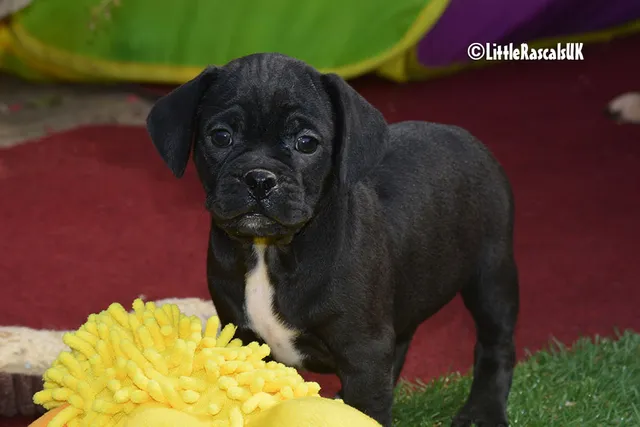
Find Puggle adverts for sale and for adoption on Mypetzilla now.
Similar breeds you may want to consider
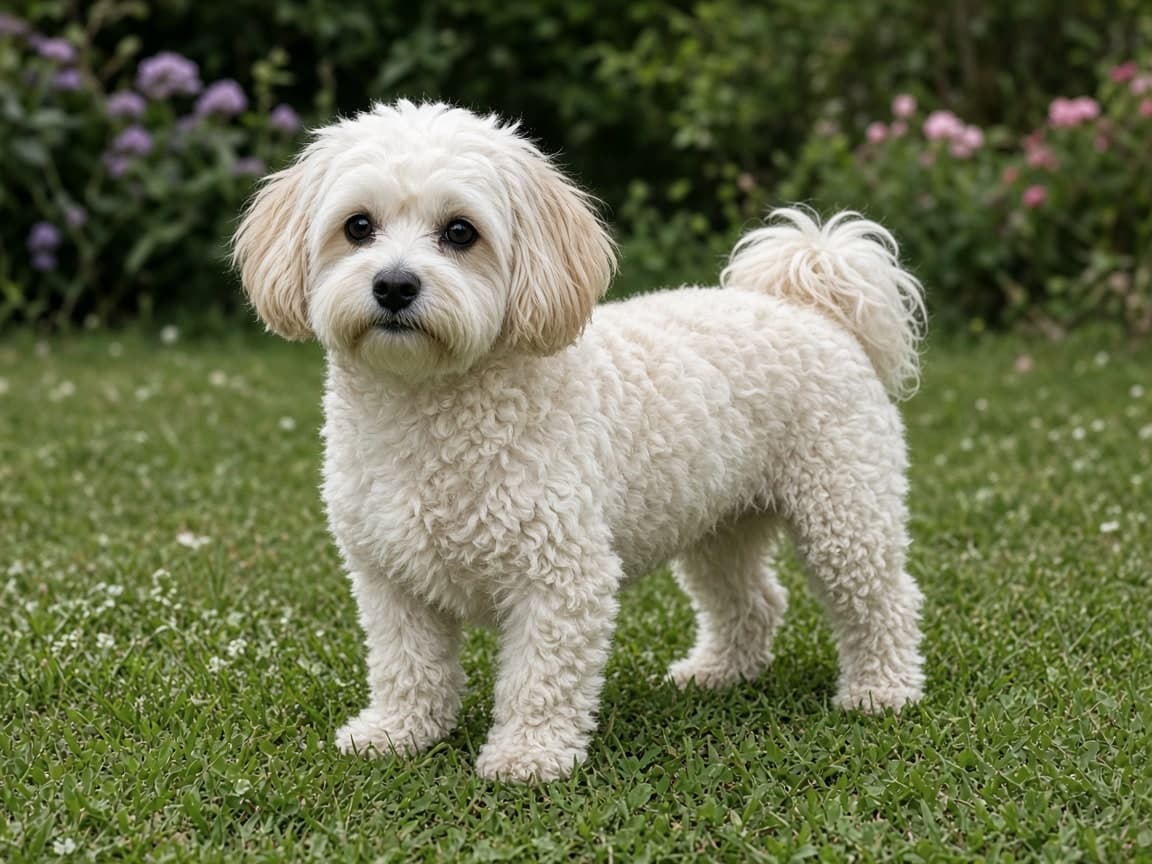

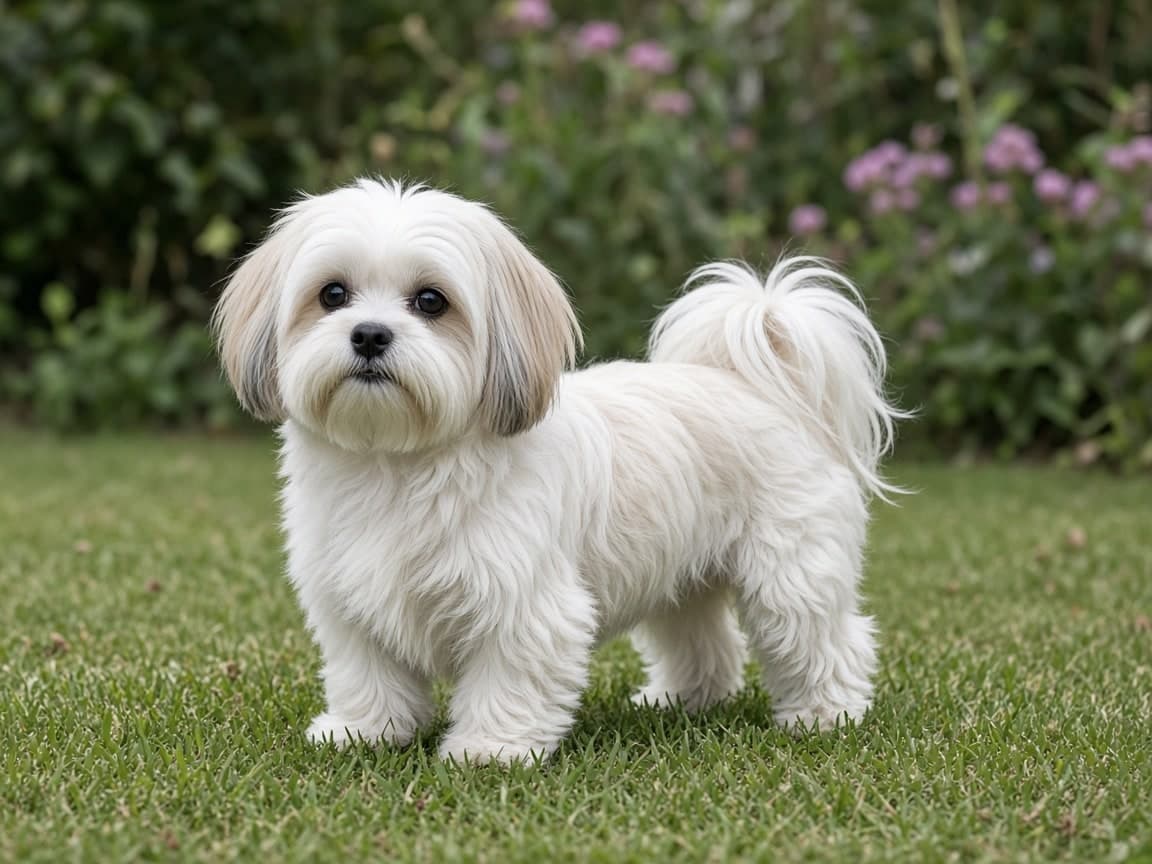
Puggle FAQs
Can the Puggle live in a flat?
Often adapts to flats and smaller homes. Exercise and company matter more than floor space.
Does the Puggle shed?
Moderate shedding.
Is the Puggle easy to train?
Generally trainable with consistency. Kind, reward-based training works best.
Does the Puggle bark a lot?
Can be vocal. Individual dogs vary with breeding, upbringing and health, so ask about the dog you are considering.
Is the Puggle good with cats?
Varies with the individual dog. Individual dogs vary with breeding, upbringing and health, so ask about the dog you are considering.
How big does the Puggle get?
Adults typically stand up to 40 cm at the shoulder.