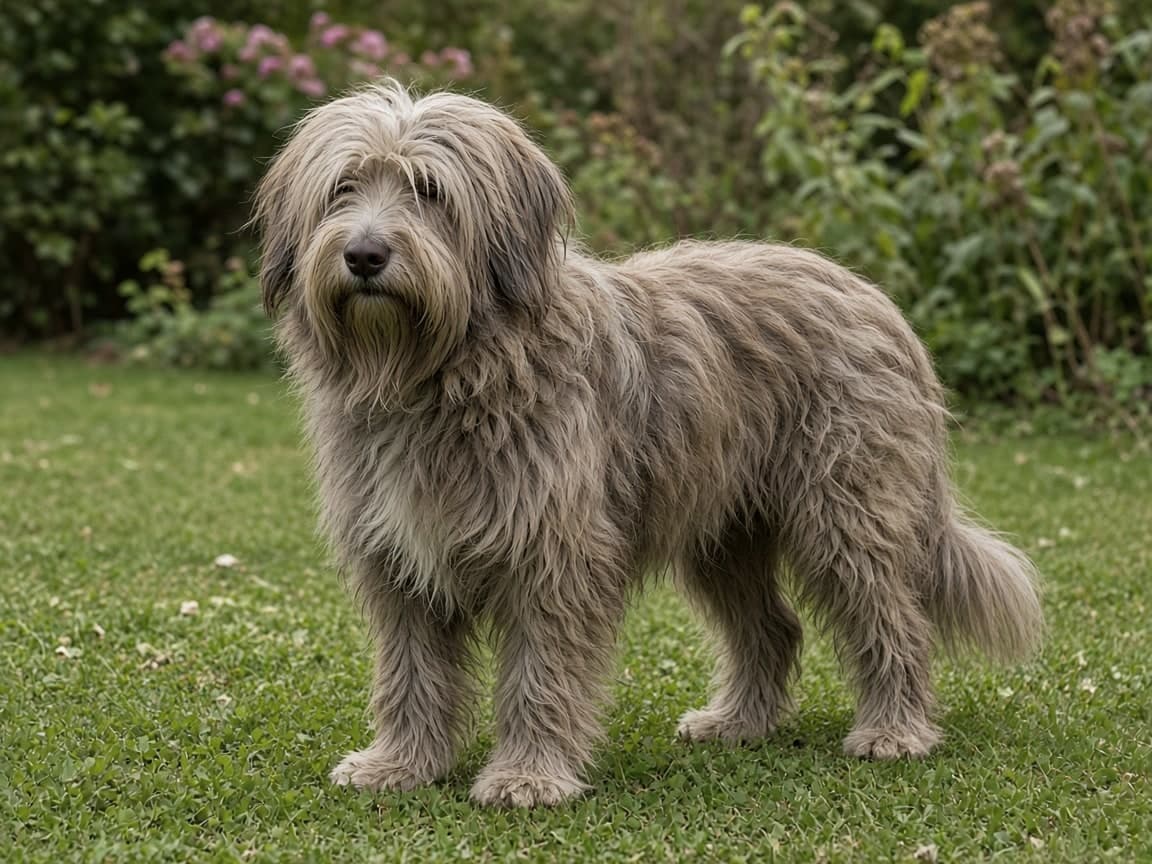
Portuguese Sheepdog at a glance
- Size
- Medium
- Height
- 42–55 cm
- Weight
- 17–27 kg
Typical for the breed, not a promise about any one dog. Not assessed yet: Exercise, Grooming, Shedding, Training, Barking, Home, Garden, Time alone, Owner experience, Children, Other dogs, Cats and small pets, Typical lifespan.
Is the Portuguese Sheepdog right for you?
Like every breed, the Portuguese Sheepdog is not the right fit for every home. Based on the breed’s typical traits:
May suit you if…
Consider another breed if…
- You would like a calm, laid-back dog.
How would the Portuguese Sheepdog fit your lifestyle?
Choose a few details for a general, non-guaranteed view.
About the Portuguese Sheepdog
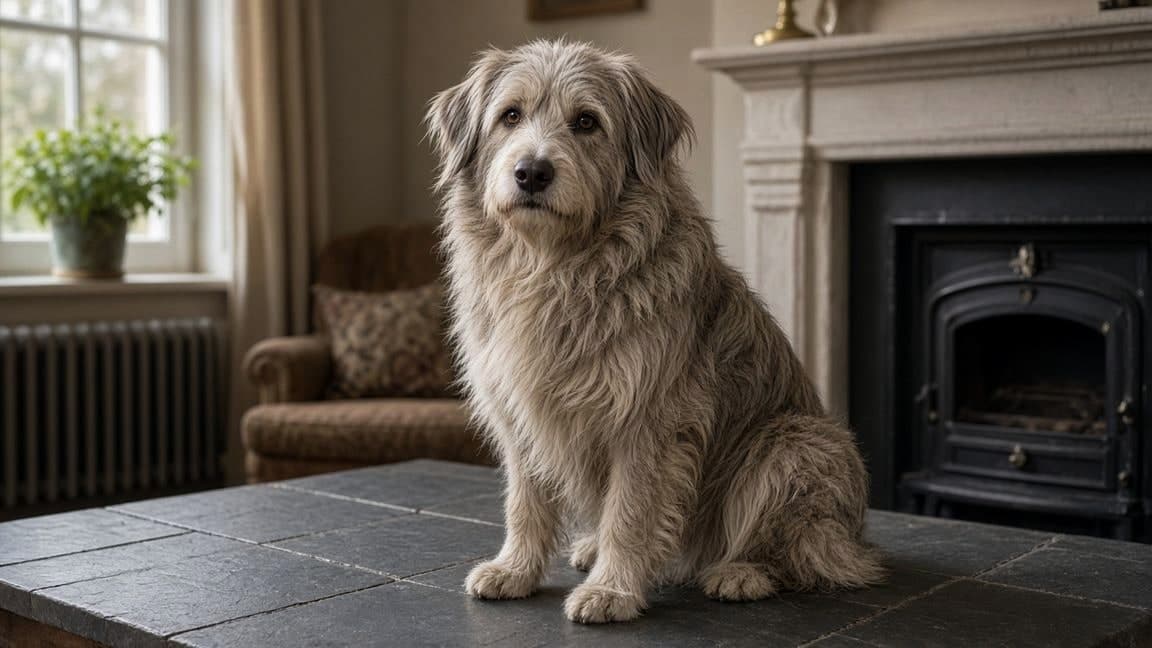
The Portuguese Sheepdog, known in Portugal as the Cão da Serra de Aires, is a medium-sized, slightly long-bodied herding dog with a long, goat-like coat. It is extremely agile and swift, and its almost monkey-like look and manner have earned it the local nickname "monkey dog". By temperament it is exceptionally intelligent and very lively.
Key characteristics
General breed tendencies, not a prediction for an individual dog.
- Size
Medium
A mid-sized dog.
- Exercise
Not assessed yet
Our sources do not say enough yet.
- Energy level
Very lively
Very lively and usually keen to be busy.
- Grooming
Not assessed yet
Our sources do not say enough yet.
- Shedding
Not assessed yet
Our sources do not say enough yet.
- Trainability
Not assessed yet
Our sources do not say enough yet.
- Good with children
Not assessed yet
Our sources do not say enough yet.
- Good with other dogs
Not assessed yet
Our sources do not say enough yet.
- Good with cats
Not assessed yet
Our sources do not say enough yet.
- Suits first-time owners
Not assessed yet
Our sources do not say enough yet.
- Barking / vocality
Not assessed yet
Our sources do not say enough yet.
- Time alone
Not assessed yet
Our sources do not say enough yet.
The breed comes from the Alentejo region of Portugal, where it was used to herd and watch over many kinds of livestock, including sheep, cattle, horses, goats and pigs. It is a hardy, rustic dog, well adapted to the region's big swings in temperature and with great endurance for covering long distances across the Alentejo plains.
Today it is also kept as a companion, a sporting dog and a guard dog.
Portuguese Sheepdog temperament
Portuguese Sheepdogs are typically very devoted to their handler and to the animals they look after. They can be somewhat wary of strangers and are watchful at night, always alert to approaching predators.
They are known for their skill at keeping livestock in their pastures and finding stray animals, and they go about their work with obvious enthusiasm. The breed standard treats a nervous, aggressive or overly shy temperament as a fault.
Size and appearance
The Portuguese Sheepdog is a medium-sized dog. Males typically stand 45–55 cm at the shoulder and females 42–52 cm, and adults weigh around 17–27 kg.
The coat is long, straight or slightly wavy and slightly harsh, without an undercoat, and forms a long beard, moustache and eyebrows that should not cover the eyes. Colours include yellow, brown, grey, fawn and wolf-grey in light, medium and dark shades, and black, with more or less noticeable tan markings. The dog should not be pied, although a very small white spot on the chest is allowed.
What health checks should you ask about?
Responsible breeders and rescues are happy to talk about health, and any pressure to decide quickly is a reason to walk away. Before taking a Portuguese Sheepdog home, it is reasonable to ask about:
- Health testing of the parents. Ask which health tests the parents have had for conditions known in the breed, and to see the results.
- Veterinary and vaccination records. Puppies should have had a first vaccination and a vet check, with records you can take home.
- Microchip information. In England, Scotland and Wales puppies must be microchipped and registered by eight weeks old. Ask who the chip is registered to and how the transfer works.
- Registration paperwork. Registration papers, where they apply, record pedigree. They do not by themselves prove health or how a puppy was raised.
How much does a Portuguese Sheepdog cost to own?
There are two costs: bringing a Portuguese Sheepdog home, and looking after one well. Puppy prices depend on the breeder, health testing and demand; the adverts below show what sellers are asking today.
Ongoing costs are the ones new owners most often underestimate: food, insurance (which usually rises with age), routine vet care, vaccinations and parasite treatment, dental care, grooming, training, bedding and equipment, and boarding or a sitter for holidays. Budget for the whole of the dog’s life, not just the first year.
Buying a Portuguese Sheepdog
If you have decided the Portuguese Sheepdog suits your life, take the same care choosing where your dog comes from. Meet the puppy in person, see it with its mother, and look at how the litter is raised.
- Check who you are dealing with: every Mypetzilla advert shows the seller type and what we have checked.
- Ask about health testing, vaccinations and the microchip before you commit.
- Take your time. Do not be rushed by deposits or "last one left" stories.
- Meet in person before paying anything, and keep conversations on Mypetzilla.
Adopting a Portuguese Sheepdog
Portuguese Sheepdogs do come up for adoption, through rescue organisations, breed rescues and private rehoming, often because an owner’s circumstances have changed rather than any fault of the dog. An adult dog arrives as a known quantity: its size, coat and character are already on show.
Rescues will usually talk you through the dog’s history, any medical care, and the home it needs, including children, other animals and time alone. Be honest about your circumstances: a good rescue would rather place a dog once, well.
Portuguese Sheepdogs looking for homes
Live from Mypetzilla, updated as pets are listed.

Find Portuguese Sheepdog adverts for sale and for adoption on Mypetzilla now.
Similar breeds you may want to consider
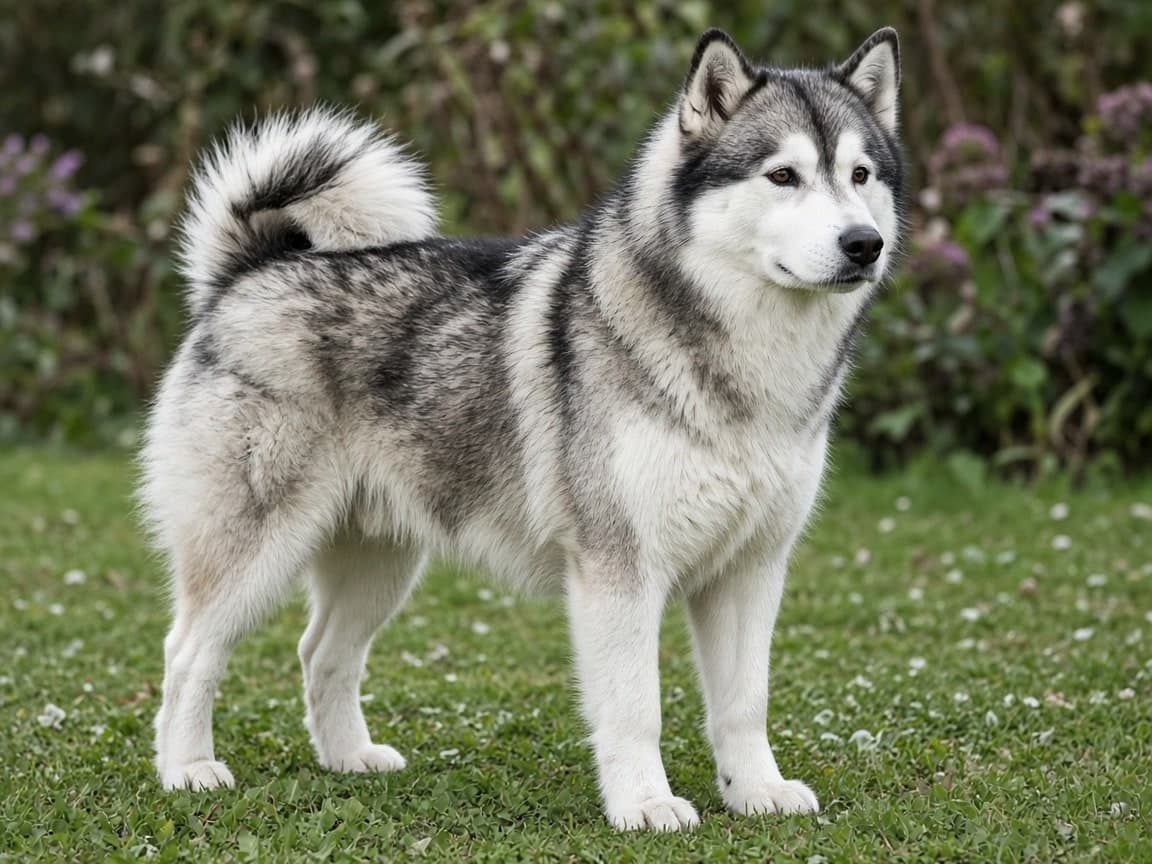
Canadian Eskimo Dog
Powerful, affectionate, playful, curious, gregarious, independent and clever.
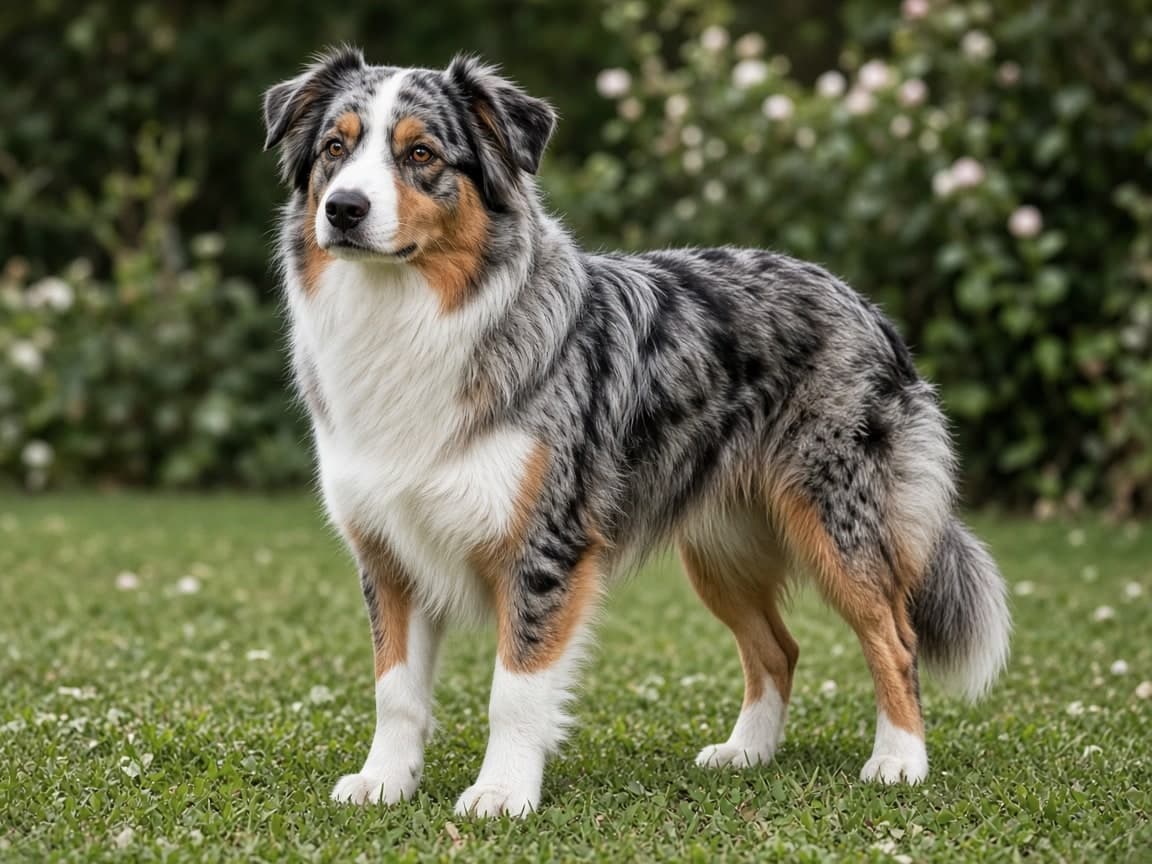
View breed guideAustralian Shepherd
Intelligent, agile, loyal, loving, lively, protective and versatile.
View breed guideBrittany Spaniel
Sociable, affectionate, busy, cheerful, enthusiastic, sensitive, clever and willing.
View breed guide
Portuguese Sheepdog FAQs
How big does the Portuguese Sheepdog get?
Adults typically stand 42–55 cm at the shoulder and weigh 17–27 kg.