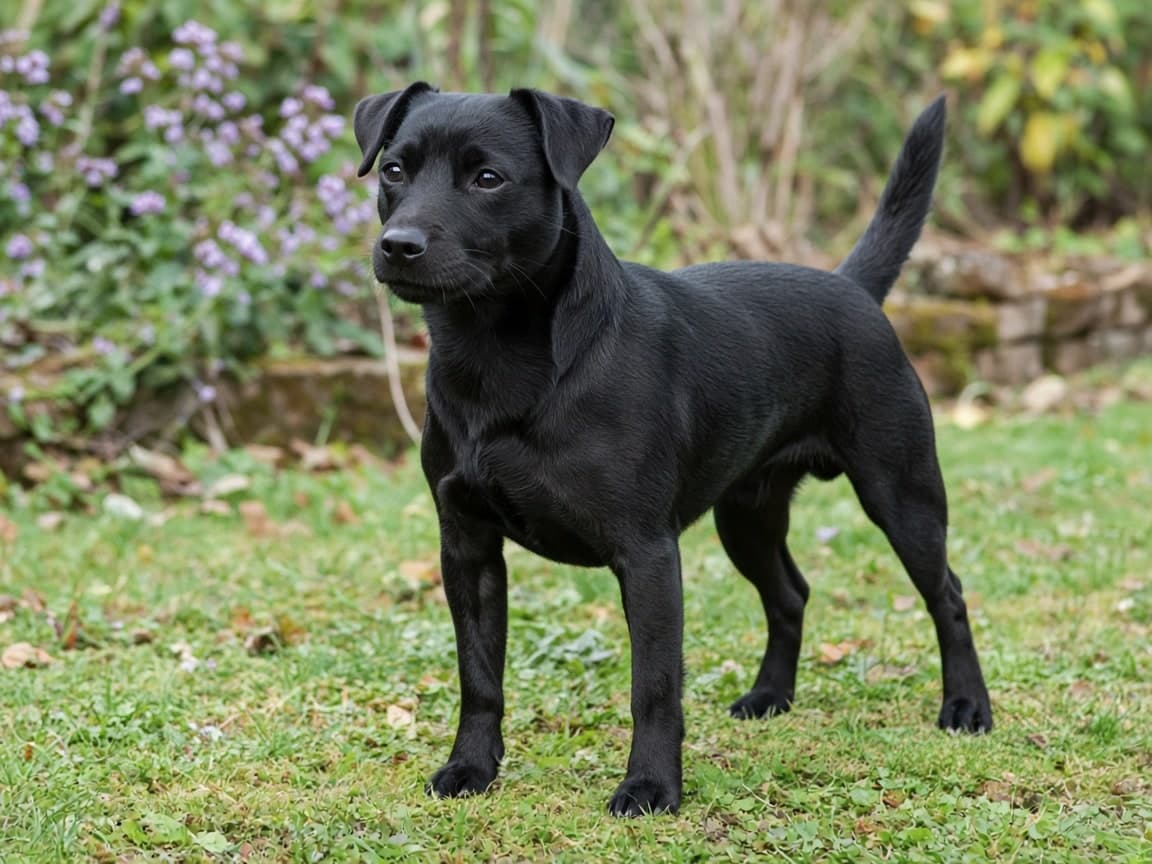
Patterdale Terrier at a glance
- Size
- Small
- Height
- 25–38 cm
- Weight
- 5–6 kg
- Life expectancy
- 10–12 years
Typical for the breed, not a promise about any one dog.
Is the Patterdale Terrier right for you?
Like every breed, the Patterdale Terrier is not the right fit for every home. Based on the breed’s typical traits:
May suit you if…
- You live in a flat or smaller home: the breed often adapts well.
- You enjoy long walks and an active, outdoor life.
- You would like a coat that is fairly easy to look after.
Consider another breed if…
- The dog would regularly be left alone for long working days.
- You cannot offer well over an hour of exercise every day.
- You have young children at home.
- This would be your first dog.
How would the Patterdale Terrier fit your lifestyle?
Choose a few details for a general, non-guaranteed view.
About the Patterdale Terrier
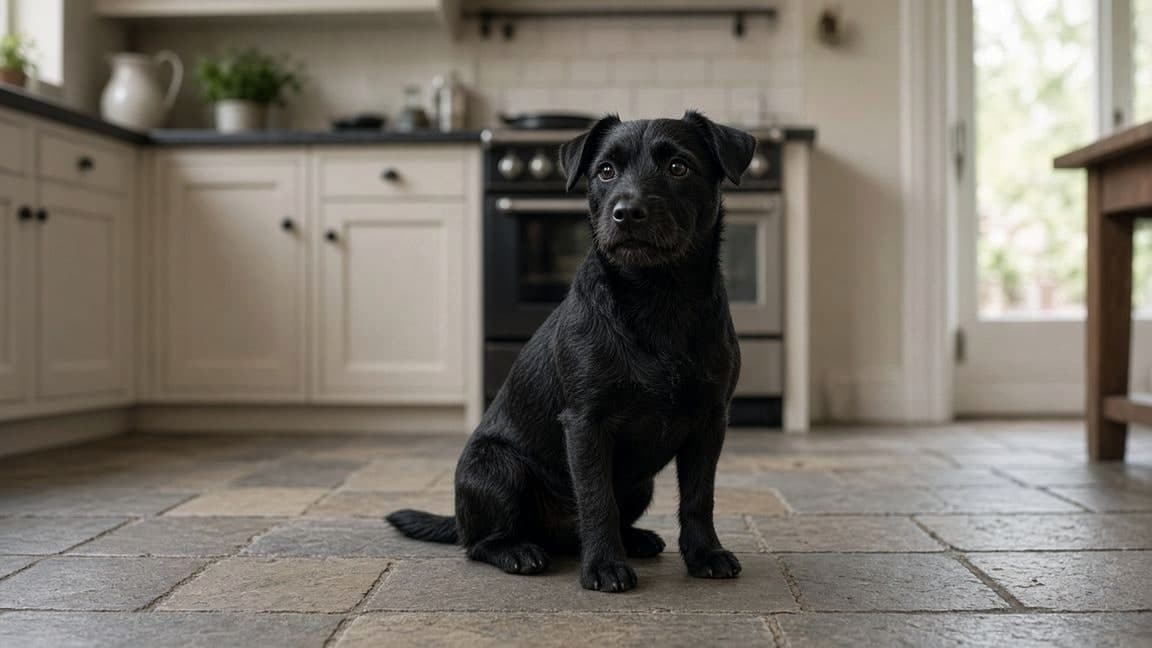
The Patterdale Terrier is a robust, compact working terrier with a narrow chest, strong head and a hard coat that may be smooth, rough or broken. Patterdales are typically energetic and sturdy, and are lightning-fast at making decisions, which can make them a challenge to live with. They are more a type than a formal breed, and the Royal Kennel Club does not recognise them; the United Kennel Club in the US first listed them in 1995.
Key characteristics
General breed tendencies, not a prediction for an individual dog.
- Size
Small
A small dog.
- Exercise
High
Typically more than an hour a day, with time off the lead.
- Energy level
Very lively
Very lively and usually keen to be busy.
- Grooming
Weekly
The coat usually needs brushing about once a week.
- Shedding
Moderate
Sheds a moderate amount, varying by dog and season.
- Trainability
Independent
Can be independent-minded; patient training helps.
- Good with children
Older children
Usually better with older, calmer children.
- Good with other dogs
Can be selective
Can be selective about other dogs.
- Good with cats
Strong chase instinct
Often has a strong instinct to chase small animals.
- Suits first-time owners
Experienced owners
Best with an experienced owner.
- Barking / vocality
Can be vocal
Often quick to bark at visitors or unusual sounds.
- Time alone
Prefers company
Usually copes only with short periods alone.
The name comes from the village of Patterdale in the Lake District, where Joe Bowman, Master of the Ullswater Hunt, developed the type by crossing blue-black Border Terriers with black and tan Fell Terriers. Others say the Northumberland Pit Terrier and Old English Terrier were involved, so its exact origins are debated.
Later breeders, including Cyril Breay and Frank Buck, kept the same aim: a useful working terrier that could go to ground and keep up with horses or people on foot across rough terrain. Because function always mattered more than pedigree, Patterdales can vary quite a lot in looks.
Patterdale Terrier temperament
Patterdales are clever, extremely determined and feisty. They were bred to hunt, and they live for the chance to chase and catch small furry animals, or toys that stand in for them. They can be very affectionate and even cuddly on their own terms.
They can be chatty and bark a lot. They may get on with dogs in their own household, especially if introduced early, but this is unlikely to extend to unfamiliar dogs or cats, and they are not safe with small caged pets. They do not cope well with being left alone, and every Patterdale is still an individual with its own likes and dislikes.
Size and appearance
Patterdales are small dogs, typically standing 25–38 cm at the shoulder and weighing around 5–6 kg.
The coat may be smooth, rough, wire or broken, and should always feel hard rather than soft. Common colours are black, black and tan, chocolate, red or brown, and they should not have white markings or patches.
How much exercise does a Patterdale Terrier need?
Patterdales are high-energy dogs that need lots of exercise, typically one to two hours of walking a day, plus time to explore, play and burn off energy. Long walks alone rarely satisfy them: they also need mental stimulation through games and training that mimic hunting, such as finding, chasing and tugging. Plenty of quiet downtime matters too, or they may struggle to settle.
They fit into homes of any size, including boats and caravans, but a very secure garden is vital, as they can dig, climb and jump. Busy urban areas can be overstimulating, so rural or semi-rural homes suit them best.
Training a Patterdale Terrier
Patterdales can be hard to motivate and do not respond well to being forced, so training needs skill and patience.
- Use positive, reward-based training and find out what your dog loves most.
- Use the things they enjoy, such as chasing, scent games and tug, as rewards.
- Food is often a good motivator.
- Work on life skills like recall, loose lead walking and settling, as well as fun tricks.
Patterdale Terrier grooming
Whatever the coat type, Patterdales need brushing once a week. Smooth coats need a brush through once or twice a week, while broken and wire coats benefit from hand stripping to keep them tight and weatherproof. Check paws, ears and eyes after walks for injuries or foreign bodies. Introduce grooming gently, one step at a time, so your dog learns to enjoy it.
Living with a Patterdale Terrier
Patterdales are not going to suit the average family. They can have little tolerance for the behaviour of small children and react quickly to defend themselves. They suit homes without children, or with older children and teenagers who can follow instructions closely. Whatever the breed, dogs and young children should never be left alone together, and an adult should supervise every interaction.
Children
Usually better with older, calmer children.
Other dogs
Can be selective about other dogs.
Cats and small pets
Often has a strong instinct to chase small animals.
Flats and smaller homes
Often adapts to flats and smaller homes.
Garden
A secure garden is strongly advised.
Being left alone
Usually copes only with short periods alone.
First-time owners
Best with an experienced owner.
Patterdale Terrier health
Not yet reviewed by a vet. This is general information, not veterinary advice: speak to your vet about your own dog’s health.
As with any type of dog, Patterdales can be prone to some health problems. Not every dog will be affected, but it is good to be prepared. Some vet practices offer pre-purchase consultations to talk through likely conditions and costs.
Patellar luxation
Purina lists patellar luxation, a kneecap problem, among the conditions Patterdales can be prone to.
Primary lens luxation
The lens moves from its normal position in the eye, which can cause pain and loss of vision.
What health checks should you ask about?
Responsible breeders and rescues are happy to talk about health, and any pressure to decide quickly is a reason to walk away. Before taking a Patterdale Terrier home, it is reasonable to ask about:
- Health testing of the parents. Ask which health tests the parents have had for conditions known in the breed, and to see the results.
- Veterinary and vaccination records. Puppies should have had a first vaccination and a vet check, with records you can take home.
- Microchip information. In England, Scotland and Wales puppies must be microchipped and registered by eight weeks old. Ask who the chip is registered to and how the transfer works.
- Registration paperwork. Registration papers, where they apply, record pedigree. They do not by themselves prove health or how a puppy was raised.
How much does a Patterdale Terrier cost to own?
There are two costs: bringing a Patterdale Terrier home, and looking after one well. Puppy prices depend on the breeder, health testing and demand; the adverts below show what sellers are asking today.
Ongoing costs are the ones new owners most often underestimate: food, insurance (which usually rises with age), routine vet care, vaccinations and parasite treatment, dental care, grooming, training, bedding and equipment, and boarding or a sitter for holidays. Budget for the whole of the dog’s life, typically 10–12 years, not just the first year.
Buying a Patterdale Terrier
If you have decided the Patterdale Terrier suits your life, take the same care choosing where your dog comes from. Meet the puppy in person, see it with its mother, and look at how the litter is raised.
- Check who you are dealing with: every Mypetzilla advert shows the seller type and what we have checked.
- Ask about health testing, vaccinations and the microchip before you commit.
- Take your time. Do not be rushed by deposits or "last one left" stories.
- Meet in person before paying anything, and keep conversations on Mypetzilla.
Adopting a Patterdale Terrier
Patterdale Terriers do come up for adoption, through rescue organisations, breed rescues and private rehoming, often because an owner’s circumstances have changed rather than any fault of the dog. An adult dog arrives as a known quantity: its size, coat and character are already on show.
Rescues will usually talk you through the dog’s history, any medical care, and the home it needs, including children, other animals and time alone. Be honest about your circumstances: a good rescue would rather place a dog once, well.
Patterdale Terriers looking for homes
Live from Mypetzilla, updated as pets are listed.

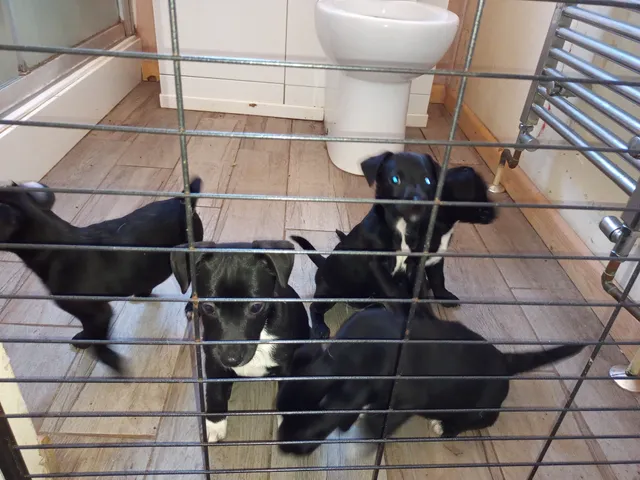
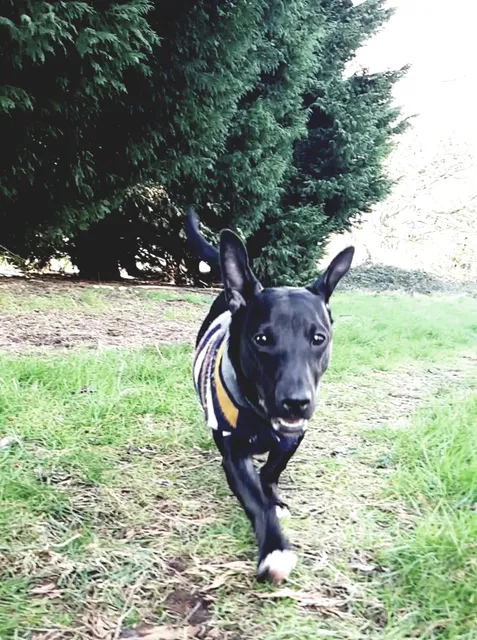
Find Patterdale Terrier adverts for sale and for adoption on Mypetzilla now.
Similar breeds you may want to consider

Patterdale Terrier FAQs
Is the Patterdale Terrier good with children?
Usually better with older, calmer children. Individual dogs vary with breeding, upbringing and health, so ask about the dog you are considering.
Can the Patterdale Terrier live in a flat?
Often adapts to flats and smaller homes. Exercise and company matter more than floor space.
How much exercise does the Patterdale Terrier need?
High: typically more than an hour a day, with time off the lead. Puppies and older dogs need less structured exercise.
Does the Patterdale Terrier shed?
Moderate shedding.
How much grooming does the Patterdale Terrier need?
Typically: about once a week.
Is the Patterdale Terrier easy to train?
Can be independent-minded; patient training helps. Kind, reward-based training works best.
Can the Patterdale Terrier be left alone?
Usually copes only with short periods alone. Build up time alone gradually.
Does the Patterdale Terrier bark a lot?
Can be vocal. Individual dogs vary with breeding, upbringing and health, so ask about the dog you are considering.
Is the Patterdale Terrier good with cats?
Often has a strong instinct to chase small animals. Individual dogs vary with breeding, upbringing and health, so ask about the dog you are considering.
How long does the Patterdale Terrier live?
Typically 10–12 years. Lifespan varies with genetics, weight, care and luck.
How big does the Patterdale Terrier get?
Adults typically stand 25–38 cm at the shoulder and weigh 5–6 kg.