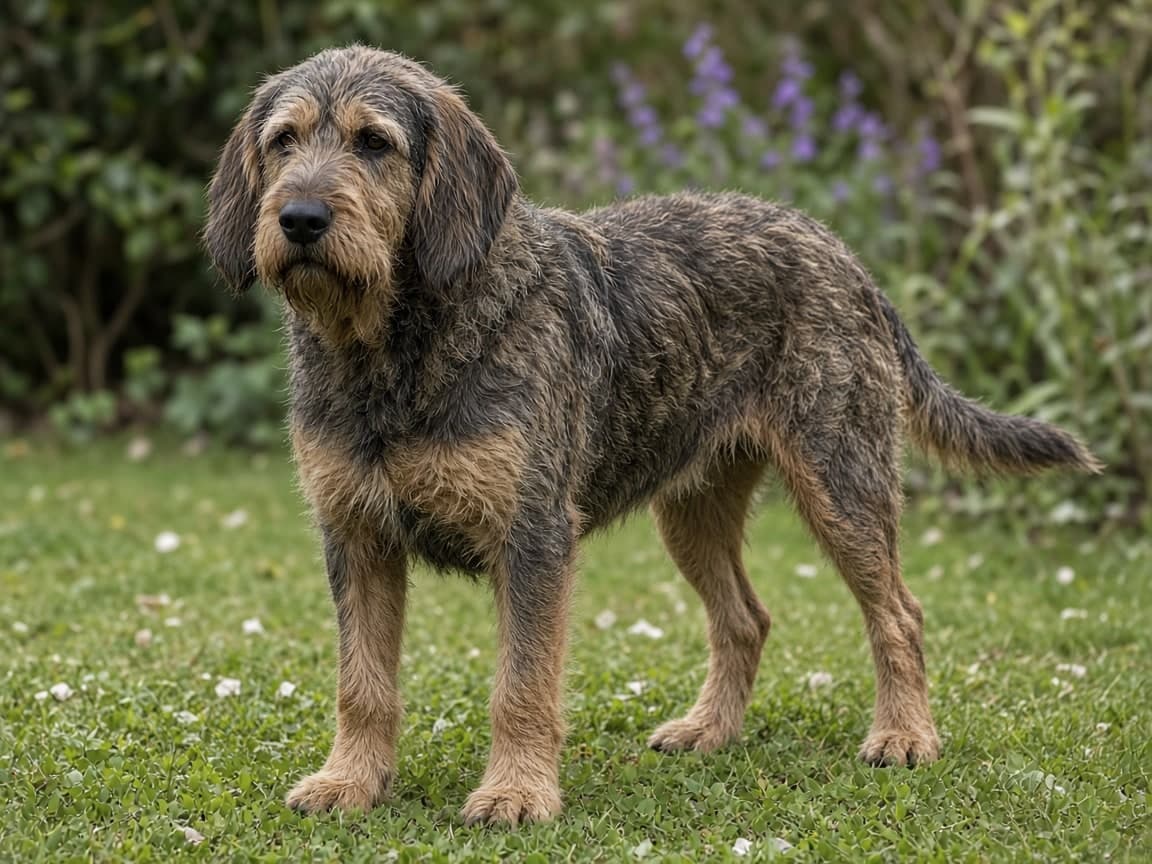
Otterhound at a glance
- Size
- Large
- Height
- 61–69 cm
- Weight
- 36–54 kg
- Life expectancy
- from 10 years
Typical for the breed, not a promise about any one dog. Not assessed yet: Time alone.
Is the Otterhound right for you?
Like every breed, the Otterhound is not the right fit for every home. Based on the breed’s typical traits:
May suit you if…
- You enjoy long walks and an active, outdoor life.
- You have, or would like, another dog.
Consider another breed if…
- You cannot offer well over an hour of exercise every day.
- You live in a flat or a small home.
- You have young children at home.
- This would be your first dog.
How would the Otterhound fit your lifestyle?
Choose a few details for a general, non-guaranteed view.
About the Otterhound
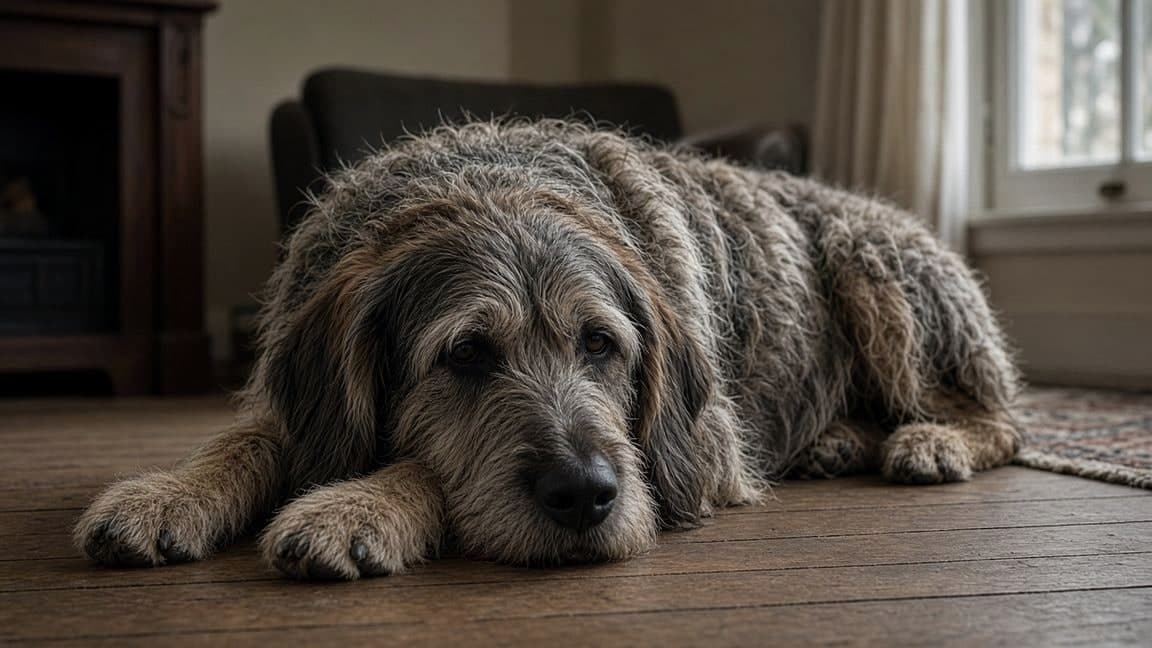
The Otterhound is a large, rough-coated scent hound with drop ears and a bearded face. Its oily, weather-resistant double coat, webbed feet and powerful nose were all developed for its original job of hunting otters in rivers. It is typically friendly and good-natured, with a strong sense of fun.
Key characteristics
General breed tendencies, not a prediction for an individual dog.
- Size
Large
A large dog.
- Exercise
Very high
Usually needs several hours of activity or work a day.
- Energy level
Very lively
Very lively and usually keen to be busy.
- Grooming
Moderate
The coat usually needs brushing several times a week.
- Shedding
High
Tends to shed a lot, so expect hair around the home.
- Trainability
Independent
Can be independent-minded; patient training helps.
- Good with children
Older children
Usually better with older, calmer children.
- Good with other dogs
Usually sociable
Usually sociable with other dogs.
- Good with cats
Varies
Varies with the individual dog.
- Suits first-time owners
Experienced owners
Best with an experienced owner.
- Barking / vocality
Can be vocal
Often quick to bark at visitors or unusual sounds.
- Time alone
Not assessed yet
Our sources do not say enough yet.
Otter hunting with hounds has a long history, with the earliest records dating back to the 12th century. The Royal Kennel Club notes that French hounds are thought to be mixed with English hounds in the breed's ancestry, which can still be seen in its noble head and expression.
Otter hunting was banned in 1978, and some packs were dispersed or destroyed. A small group of enthusiasts kept the breed going, but it remains rare and is on the Royal Kennel Club's list of vulnerable native breeds.
Otterhound temperament
Otterhounds are usually friendly, exuberant and comical dogs, but they are also large and can be boisterous. Like other scent hounds, they tend to stop listening once their nose is busy on a trail, so owners need patience and a sense of humour.
They are generally friendly with other dogs, though they may need extra training to live with other pets. They are quite vocal, with a deep bay that carries a long way.
Size and appearance
This is a large breed. Adults typically stand 61–69 cm at the shoulder and weigh around 36–54 kg.
The rough, shaggy coat is around 4–8 cm long and feels oily to the touch. Breed standard colours include black and tan, black and blue, liver and tan, grizzle and white, red grizzle, white and black, and particolour.
How much exercise does a Otterhound need?
Adult Otterhounds need more than two hours of exercise a day. Variety of scent and scenery matters more to them than speed or distance, so a mix of walking, paddling, swimming and sniffing suits them better than running alongside a bike. They love water.
Young Otterhounds should have their exercise carefully limited so they do not over-exert themselves or damage growing joints. The breed is best suited to the countryside, with a spacious home and a secure garden with fencing at least 6 ft high that cannot be jumped, squeezed through or dug under.
Training a Otterhound
Otterhounds do not tend to enjoy training for its own sake, and complete obedience is unlikely, so training is about managing life safely around their nose.
- Start early, consistent recall training, and get them used to a long line and harness.
- Teach them to stand calmly to be dried and brushed, and to lie down quietly when asked.
- Channel their scenting ability into tracking, mantrailing or other scent sports.
- Be patient: they are typically happy to follow a scent rather than an instruction.
Otterhound grooming
The coat needs brushing through several times a week. Avoid frequent baths, which strip the natural oil from the coat. The coat is waterproof but holds a lot of water and mud, which will come inside with them, and the breed does shed.
Keep the lips and corners of the mouth clean, as food and drool can collect there and cause sores and smells. Keep the ears clean inside and out, and check between the pads daily for mats, thorns and other objects.
Living with a Otterhound
Otterhounds can make fun, active pets for the right family, but they are large and boisterous, which may cause problems with smaller children or older family members. They are best with robust, older children. Whatever the breed, dogs and young children should never be left alone together, and an adult should supervise every interaction.
Children
Usually better with older, calmer children.
Other dogs
Usually sociable with other dogs.
Cats and small pets
Varies with the individual dog.
Flats and smaller homes
Usually needs a roomy home.
Garden
A secure garden is strongly advised.
First-time owners
Best with an experienced owner.
Otterhound health
Not yet reviewed by a vet. This is general information, not veterinary advice: speak to your vet about your own dog’s health.
Otterhounds are generally a healthy breed, but some conditions are recognised. Knowing about them helps you ask a breeder the right questions; it does not mean every dog will be affected. The breed also has a breed club health scheme.
Hip and elbow dysplasia
Problems with the development of the hip and elbow joints. The Royal Kennel Club strongly recommends hip and elbow screening under the BVA/KC schemes before breeding.
Glanzmann's thrombasthenia
An inherited condition that affects the blood's ability to clot. A DNA test is available, and since January 2025 the Royal Kennel Club only registers imported Otterhounds that are proven clear or carriers, or have hereditary status, to protect the UK population.
Gastric dilatation volvulus (GDV)
Often called bloat, a stomach problem that is more likely in large dogs. Purina suggests smaller, more frequent meals can help reduce the risk.
Epilepsy
A condition where abnormal brain activity leads to seizures.
What health checks should you ask about?
Responsible breeders and rescues are happy to talk about health, and any pressure to decide quickly is a reason to walk away. Before taking a Otterhound home, it is reasonable to ask about:
- Health testing of the parents. Ask which health tests the parents have had for conditions known in the breed, and to see the results.
- Veterinary and vaccination records. Puppies should have had a first vaccination and a vet check, with records you can take home.
- Microchip information. In England, Scotland and Wales puppies must be microchipped and registered by eight weeks old. Ask who the chip is registered to and how the transfer works.
- Registration paperwork. Registration papers, where they apply, record pedigree. They do not by themselves prove health or how a puppy was raised.
How much does a Otterhound cost to own?
There are two costs: bringing a Otterhound home, and looking after one well. Puppy prices depend on the breeder, health testing and demand; the adverts below show what sellers are asking today.
Ongoing costs are the ones new owners most often underestimate: food, insurance (which usually rises with age), routine vet care, vaccinations and parasite treatment, dental care, grooming, training, bedding and equipment, and boarding or a sitter for holidays. Budget for the whole of the dog’s life, typically from 10 years, not just the first year.
Buying a Otterhound
If you have decided the Otterhound suits your life, take the same care choosing where your dog comes from. Meet the puppy in person, see it with its mother, and look at how the litter is raised.
- Check who you are dealing with: every Mypetzilla advert shows the seller type and what we have checked.
- Ask about health testing, vaccinations and the microchip before you commit.
- Take your time. Do not be rushed by deposits or "last one left" stories.
- Meet in person before paying anything, and keep conversations on Mypetzilla.
Adopting a Otterhound
Otterhounds do come up for adoption, through rescue organisations, breed rescues and private rehoming, often because an owner’s circumstances have changed rather than any fault of the dog. An adult dog arrives as a known quantity: its size, coat and character are already on show.
Rescues will usually talk you through the dog’s history, any medical care, and the home it needs, including children, other animals and time alone. Be honest about your circumstances: a good rescue would rather place a dog once, well.
Otterhounds looking for homes
Live from Mypetzilla, updated as pets are listed.
There are no Otterhound adverts at the moment.
Find Otterhound adverts for sale and for adoption on Mypetzilla now.
Similar breeds you may want to consider
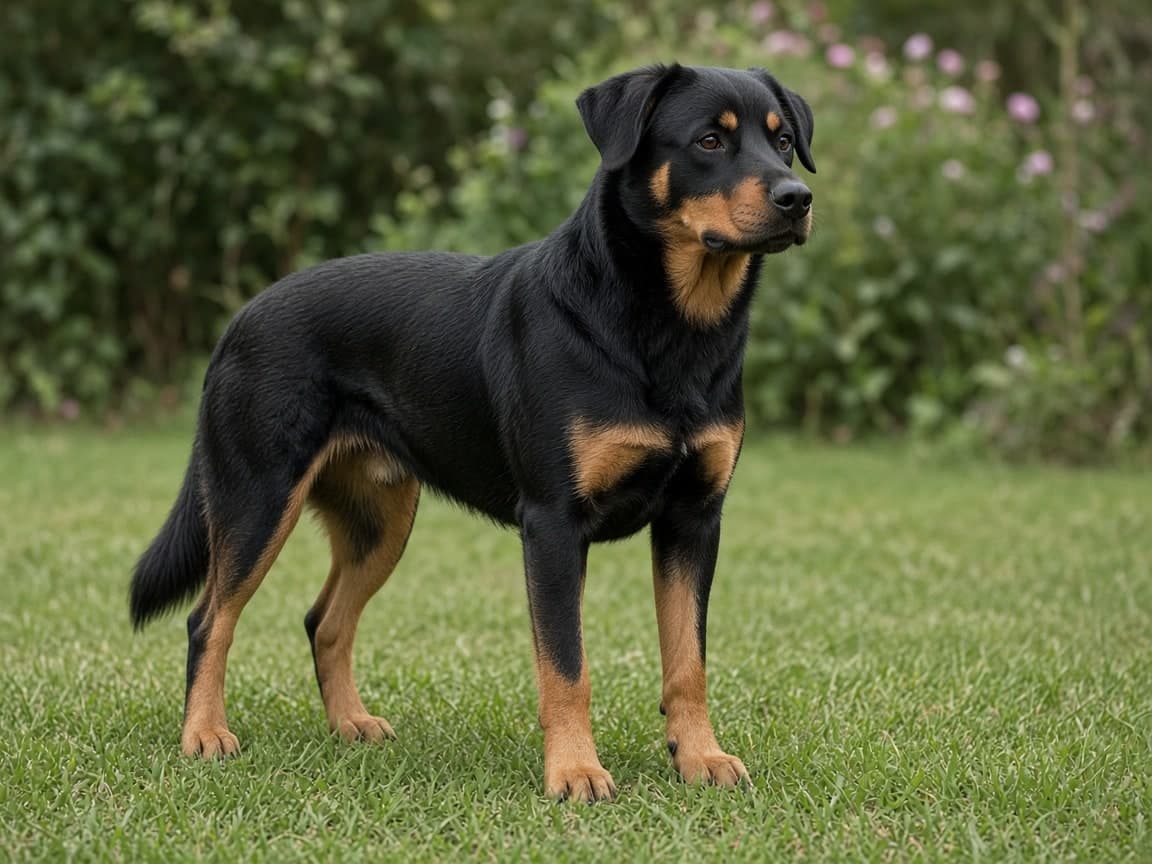
Beauceron
Quiet, confident, loyal, bold, courageous, clever, strong-willed and protective.
View breed guide
Otterhound FAQs
Is the Otterhound good with children?
Usually better with older, calmer children. Individual dogs vary with breeding, upbringing and health, so ask about the dog you are considering.
Can the Otterhound live in a flat?
Usually needs a roomy home. Exercise and company matter more than floor space.
How much exercise does the Otterhound need?
Very high: usually needs several hours of activity or work each day. Puppies and older dogs need less structured exercise.
Does the Otterhound shed?
Tends to shed a lot.
How much grooming does the Otterhound need?
Typically: several times a week.
Is the Otterhound easy to train?
Can be independent-minded; patient training helps. Kind, reward-based training works best.
Does the Otterhound bark a lot?
Can be vocal. Individual dogs vary with breeding, upbringing and health, so ask about the dog you are considering.
Is the Otterhound good with cats?
Varies with the individual dog. Individual dogs vary with breeding, upbringing and health, so ask about the dog you are considering.
How long does the Otterhound live?
Typically from 10 years. Lifespan varies with genetics, weight, care and luck.
How big does the Otterhound get?
Adults typically stand 61–69 cm at the shoulder and weigh 36–54 kg.