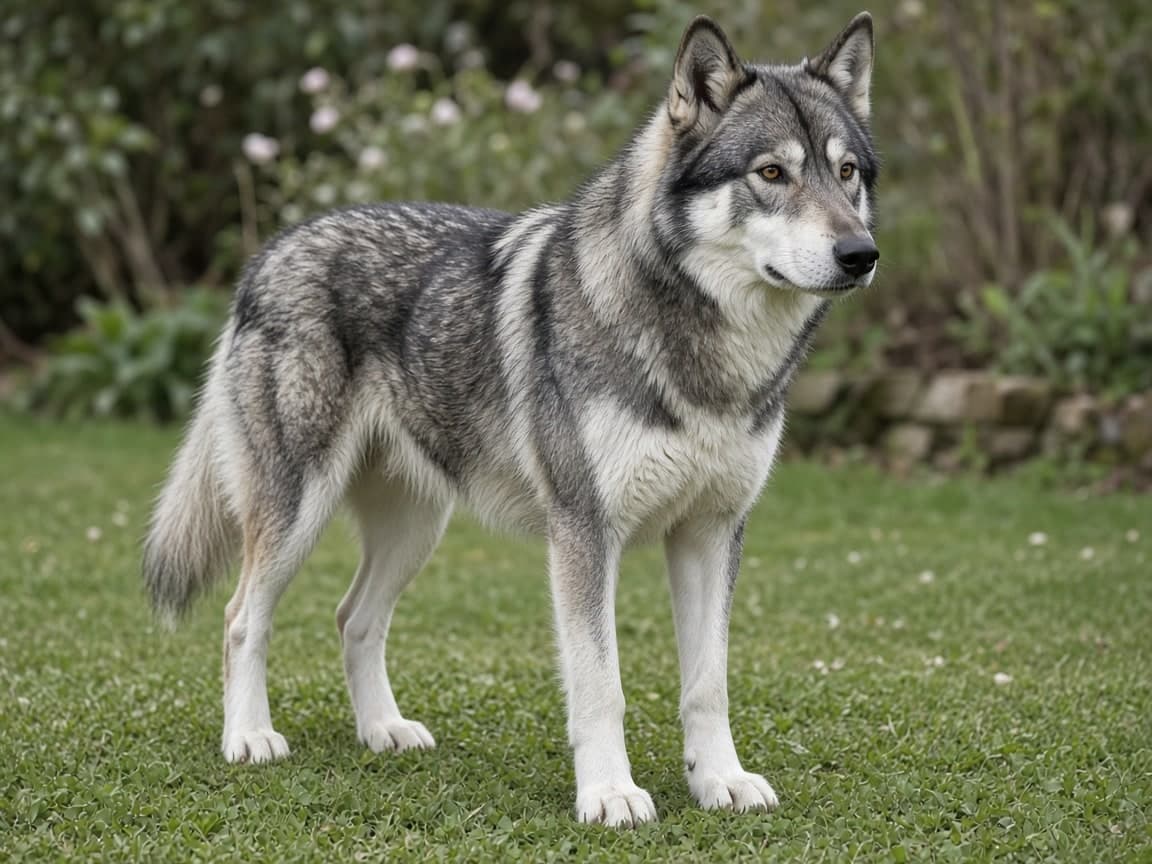
Northern Inuit at a glance
- Height
- 59–76 cm
- Life expectancy
- 12–15 years
Typical for the breed, not a promise about any one dog. Not assessed yet: Size, Typical adult weight, Grooming, Shedding, Home, Garden, Time alone.
Is the Northern Inuit right for you?
Like every breed, the Northern Inuit is not the right fit for every home. Based on the breed’s typical traits:
May suit you if…
- You have children and can supervise them with the dog.
- You can give around an hour of exercise a day.
- You have, or would like, another dog.
Consider another breed if…
- This would be your first dog.
- You would find barking hard to live with.
- You want a dog that picks up training quickly.
How would the Northern Inuit fit your lifestyle?
Choose a few details for a general, non-guaranteed view.
About the Northern Inuit
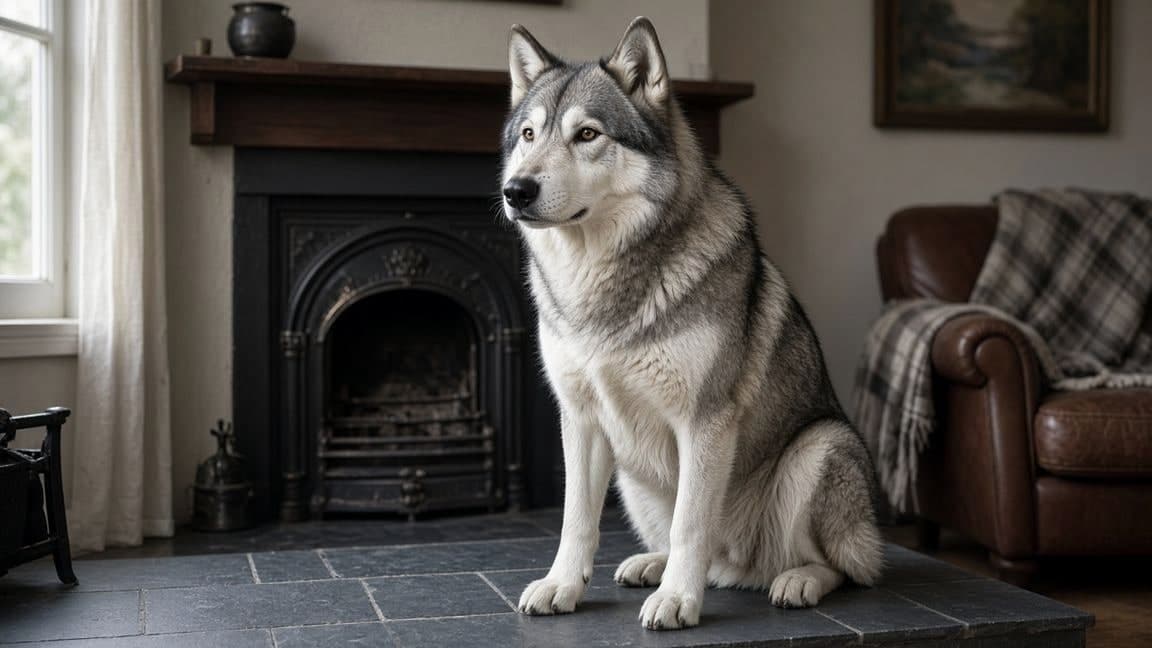
The Northern Inuit is an athletic, medium-built dog bred to look like a wolf while living as a family pet. Despite its wild appearance, it is typically friendly, placid and outgoing, and unlikely to show aggression.
Key characteristics
General breed tendencies, not a prediction for an individual dog.
- Size
Not assessed yet
Our sources do not say enough yet.
- Exercise
Moderate
Typically around an hour of exercise a day.
- Energy level
Lively
A lively dog that enjoys being busy.
- Grooming
Not assessed yet
Our sources do not say enough yet.
- Shedding
Not assessed yet
Our sources do not say enough yet.
- Trainability
Independent
Can be independent-minded; patient training helps.
- Good with children
Often good
Often good with children, with supervision.
- Good with other dogs
Usually sociable
Usually sociable with other dogs.
- Good with cats
Varies
Varies with the individual dog.
- Suits first-time owners
Experienced owners
Best with an experienced owner.
- Barking / vocality
Can be vocal
Often quick to bark at visitors or unusual sounds.
- Time alone
Not assessed yet
Our sources do not say enough yet.
The breed began in the early 1980s, inspired by the legend that Inuit people crossed dogs with wolves to get a dog that could work long hours and still live with the family. Several dogs of unknown origin were imported from North America into Britain and bred with carefully chosen northern breeds such as Siberian Huskies and Malamutes, along with German Shepherds. Today there is no meaningful wolf content in the breed.
For around two decades the Northern Inuit has been bred only to other Northern Inuits, with the occasional backcross to the founding breeds to support the gene pool. The Northern Inuit Society, founded in the early 1990s, describes itself as the breed's governing body and keeps its pedigree database. The breed is not recognised by the Royal Kennel Club, and the Society warns that mixed breeds are sometimes sold as Northern Inuits, so buy from a registered breeder.
Northern Inuit temperament
Northern Inuits are usually friendly, inquisitive and loyal, and some work as therapy and assistance dogs. Because they tend to be trusting of strangers, they make poor guard dogs: a bark may be all you get.
Many prefer to howl rather than bark, and howling comes naturally to the breed, so think carefully if you have close neighbours. They are intelligent and can become bored and impatient without enough stimulation. They are also quite sensitive dogs.
Size and appearance
The breed standard gives a height of 59–71 cm for females and 64–76 cm for males, though overall balance matters more than size.
The coat is a dense, waterproof double coat, slightly coarse, with a bushy tail and longer hair on the ruff and hindquarters. Colours range from pure white through grey or apricot sable to pure black, and white faces are permitted.
How much exercise does a Northern Inuit need?
Unlike some northern breeds, Northern Inuits do not need excessive exercise and are usually described as a medium exercise dog. Two walks a day, or one longer walk, is often enough, though many are happy to be out all day hiking. They also do well in agility, scootering and canicross.
Puppies grow fast and should not be over-exercised. Avoid letting them jump on and off furniture or use stairs while their joints develop.
Training a Northern Inuit
Northern Inuits are intelligent and respond well to training, but they can become stubborn without consistency, and owners used to German Shepherds often find them more of a challenge. They are not a breed for novice owners.
- Start training and recall work as soon as possible.
- Keep sessions short, fun and varied to hold their attention.
- Use positive reinforcement: they do not respond well to harsh correction.
- Set clear rules and boundaries from the start, as puppies quickly grow into large dogs.
- Be prepared to manage a high prey drive, especially around small animals and livestock.
Living with a Northern Inuit
Northern Inuits have a reputation for being good with children, but they are large and strong, so interactions should always be supervised. They usually get on well with other dogs when well socialised, and can learn to live with cats and other animals, but may chase small animals they have not met before.
Whatever the breed, dogs and young children should never be left alone together, and an adult should supervise every interaction.
Children
Often good with children, with supervision.
Other dogs
Usually sociable with other dogs.
Cats and small pets
Varies with the individual dog.
First-time owners
Best with an experienced owner.
Northern Inuit health
Not yet reviewed by a vet. This is general information, not veterinary advice: speak to your vet about your own dog’s health.
The Northern Inuit Society says most Northern Inuits live happy, healthy lives. Its Code of Ethics requires all breeding dogs to be hip, elbow and eye tested under the British Veterinary Association schemes, so ask any breeder to show these results.
Hip and elbow dysplasia
Like other large breeds, Northern Inuits can be prone to hip and elbow dysplasia. These are thought to be partly genetic, which is why the Society requires testing, but environment plays a part too, so puppies should not be over-exercised or allowed to become overweight.
Eye conditions
A handful of cases of glaucoma and other eye problems have been reported. All potential breeding dogs must be eye tested for hereditary eye disease.
Oculoskeletal dysplasia (OSD3)
A disease causing skeletal deformity and eye abnormalities. Affected puppies have noticeably short, bowed limbs and go on to develop eye problems such as cataracts and blindness.
Degenerative myelopathy (DM)
A progressive, non-painful disease of the spinal cord in older dogs that starts with wobbliness in the hind legs and gradually leads to loss of the ability to walk. The Society requires stud dogs to be DNA tested for DM.
Cryptorchidism
Male Northern Inuits can have one or both testicles that do not descend. There is no test for it.
Other conditions
The Society has seen a small number of cases of epilepsy, Addison's disease and cancer.
What health checks should you ask about?
Responsible breeders and rescues are happy to talk about health, and any pressure to decide quickly is a reason to walk away. Before taking a Northern Inuit home, it is reasonable to ask about:
- Health testing of the parents. Ask which health tests the parents have had for conditions known in the breed, and to see the results.
- Veterinary and vaccination records. Puppies should have had a first vaccination and a vet check, with records you can take home.
- Microchip information. In England, Scotland and Wales puppies must be microchipped and registered by eight weeks old. Ask who the chip is registered to and how the transfer works.
- Registration paperwork. Registration papers, where they apply, record pedigree. They do not by themselves prove health or how a puppy was raised.
How much does a Northern Inuit cost to own?
There are two costs: bringing a Northern Inuit home, and looking after one well. Puppy prices depend on the breeder, health testing and demand; the adverts below show what sellers are asking today.
Ongoing costs are the ones new owners most often underestimate: food, insurance (which usually rises with age), routine vet care, vaccinations and parasite treatment, dental care, grooming, training, bedding and equipment, and boarding or a sitter for holidays. Budget for the whole of the dog’s life, typically 12–15 years, not just the first year.
Buying a Northern Inuit
If you have decided the Northern Inuit suits your life, take the same care choosing where your dog comes from. Meet the puppy in person, see it with its mother, and look at how the litter is raised.
- Check who you are dealing with: every Mypetzilla advert shows the seller type and what we have checked.
- Ask about health testing, vaccinations and the microchip before you commit.
- Take your time. Do not be rushed by deposits or "last one left" stories.
- Meet in person before paying anything, and keep conversations on Mypetzilla.
Adopting a Northern Inuit
Northern Inuits do come up for adoption, through rescue organisations, breed rescues and private rehoming, often because an owner’s circumstances have changed rather than any fault of the dog. An adult dog arrives as a known quantity: its size, coat and character are already on show.
Rescues will usually talk you through the dog’s history, any medical care, and the home it needs, including children, other animals and time alone. Be honest about your circumstances: a good rescue would rather place a dog once, well.
Northern Inuits looking for homes
Live from Mypetzilla, updated as pets are listed.
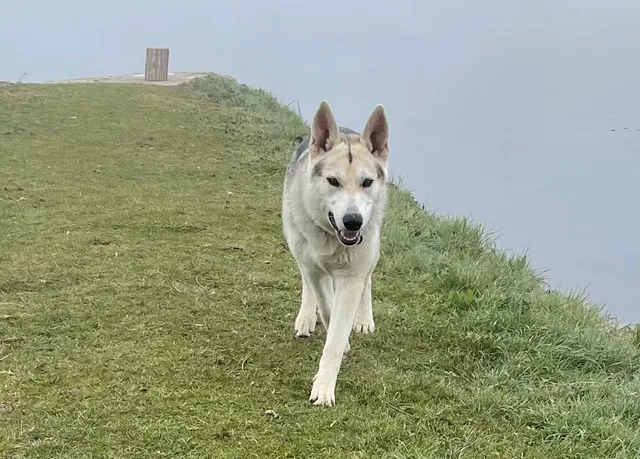
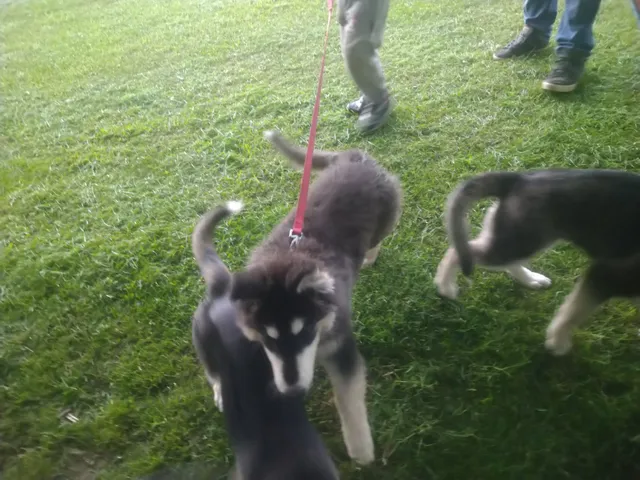
Find Northern Inuit adverts for sale and for adoption on Mypetzilla now.
Similar breeds you may want to consider
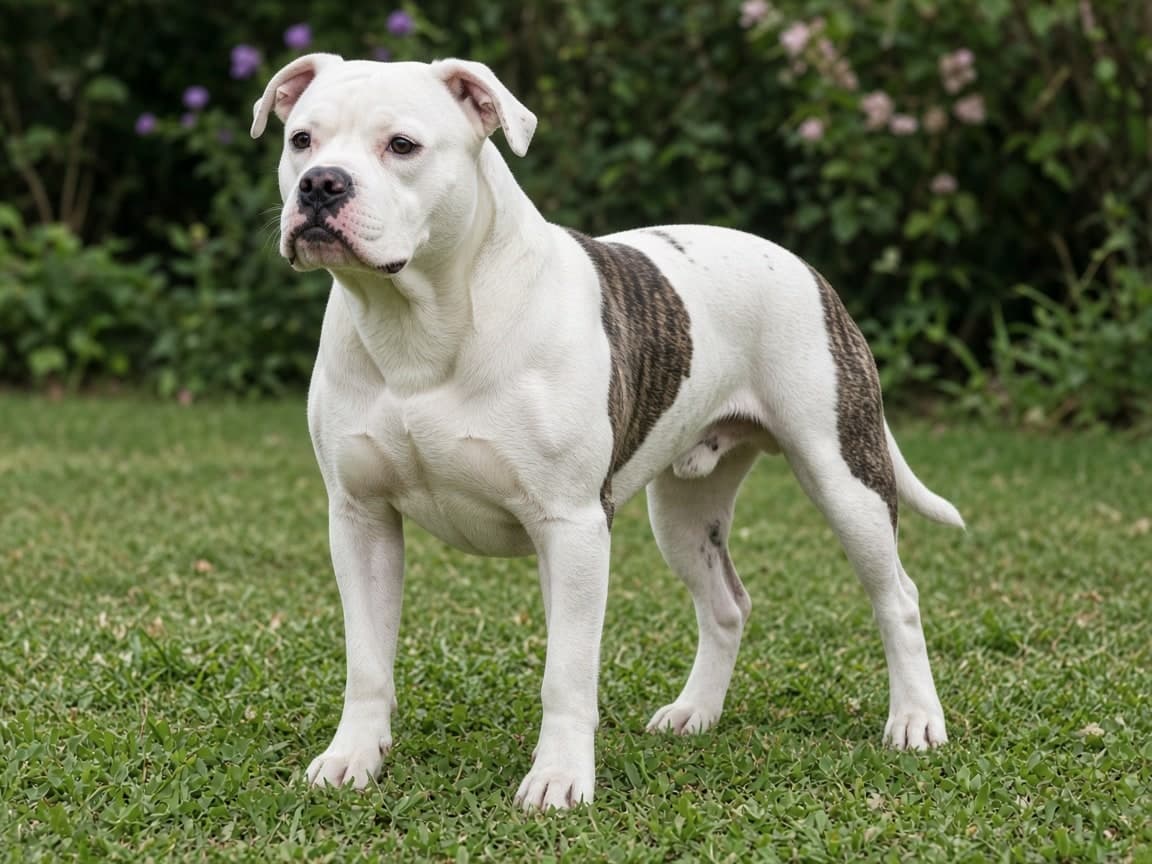
American Bulldog
Friendly, enthusiastic, playful, sensitive, affectionate and devoted.
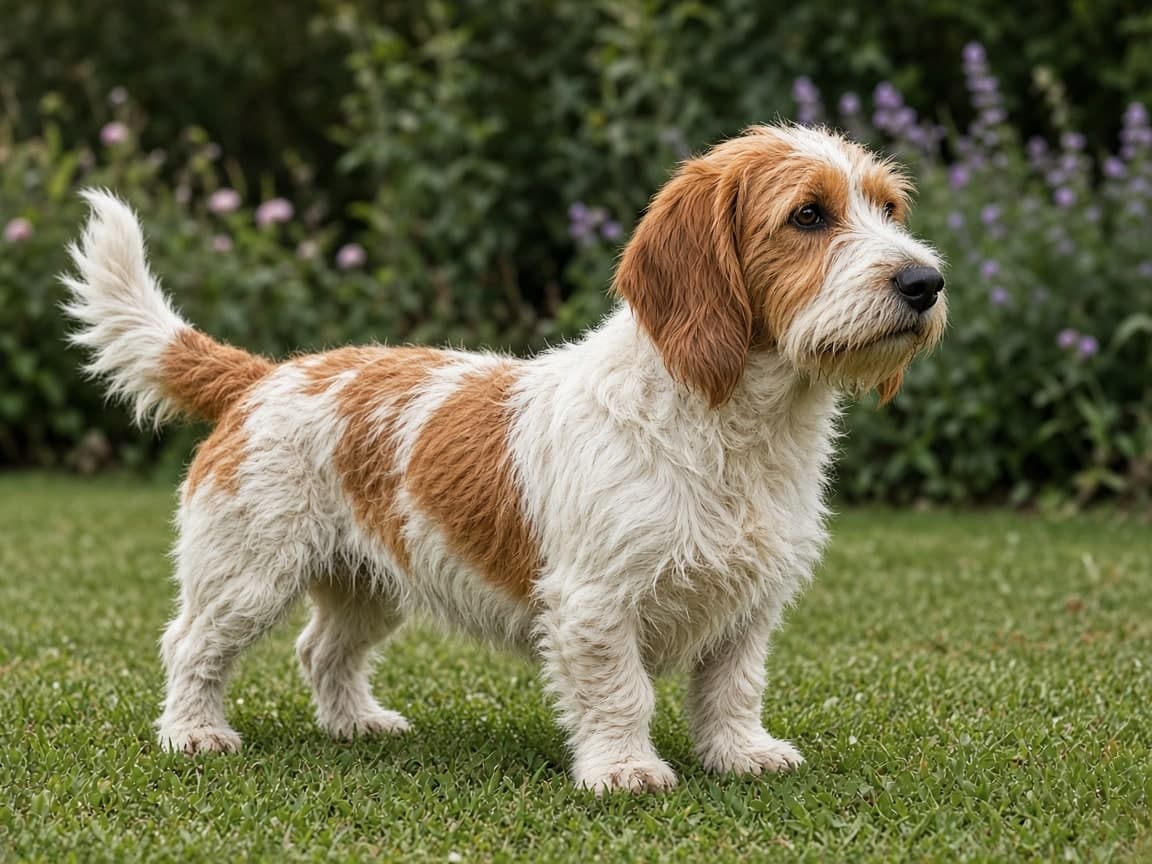
View breed guideBasset Griffon Vendeen
Happy, extrovert, independent, bold, curious, alert, intelligent and affectionate.
View breed guide
Northern Inuit FAQs
Is the Northern Inuit good with children?
Often good with children, with supervision. Individual dogs vary with breeding, upbringing and health, so ask about the dog you are considering.
How much exercise does the Northern Inuit need?
Moderate: typically around an hour a day. Puppies and older dogs need less structured exercise.
Is the Northern Inuit easy to train?
Can be independent-minded; patient training helps. Kind, reward-based training works best.
Does the Northern Inuit bark a lot?
Can be vocal. Individual dogs vary with breeding, upbringing and health, so ask about the dog you are considering.
Is the Northern Inuit good with cats?
Varies with the individual dog. Individual dogs vary with breeding, upbringing and health, so ask about the dog you are considering.
How long does the Northern Inuit live?
Typically 12–15 years. Lifespan varies with genetics, weight, care and luck.
How big does the Northern Inuit get?
Adults typically stand 59–76 cm at the shoulder.