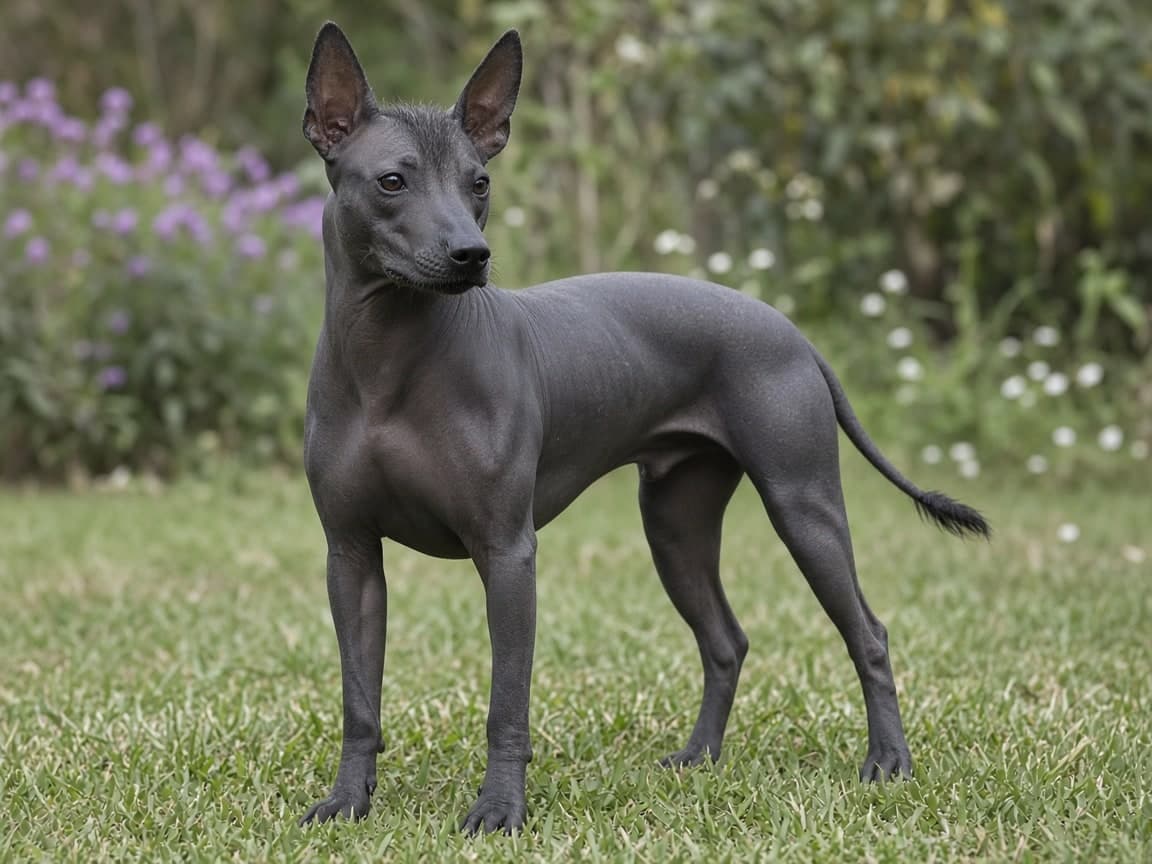
Mexican Hairless at a glance
- Height
- 25–60 cm
- Life expectancy
- from 10 years
Typical for the breed, not a promise about any one dog. Not assessed yet: Size, Typical adult weight, Energy, Training, Barking, Home, Garden, Time alone, Owner experience, Children, Other dogs, Cats and small pets.
Is the Mexican Hairless right for you?
Like every breed, the Mexican Hairless is not the right fit for every home. Based on the breed’s typical traits:
May suit you if…
- You can give around an hour of exercise a day.
- You would prefer a dog that tends to shed little.
- You would like a coat that is fairly easy to look after.
Consider another breed if…
- Nothing stands out from the facts we have assessed so far.
How would the Mexican Hairless fit your lifestyle?
Choose a few details for a general, non-guaranteed view.
About the Mexican Hairless
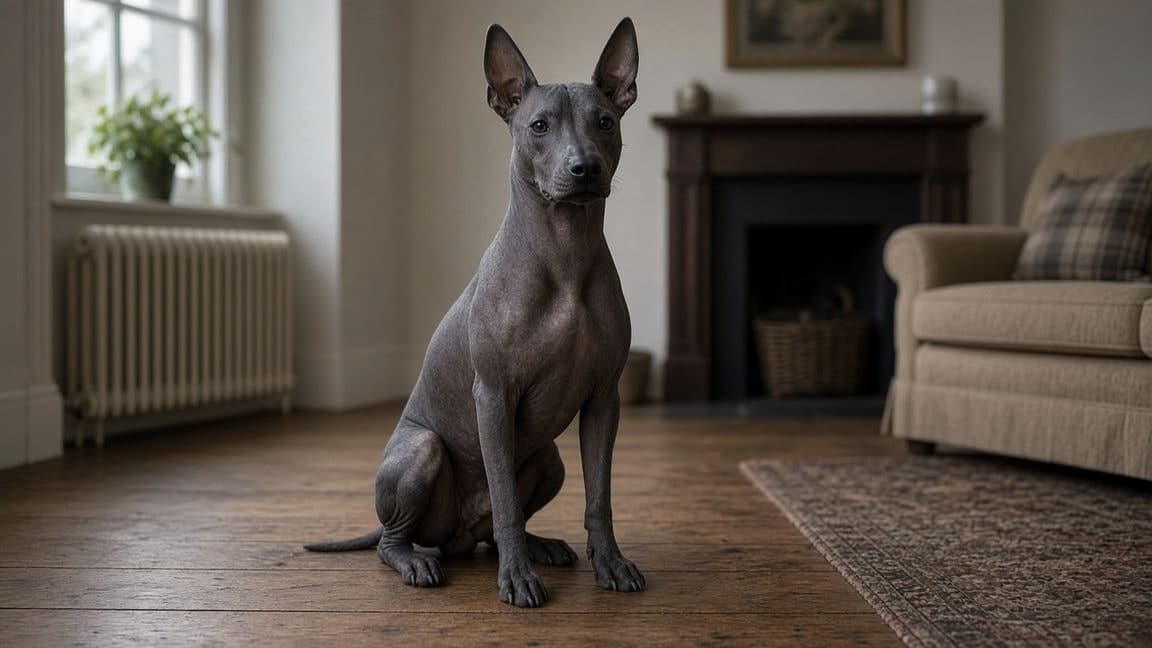
The Mexican Hairless, known to the Royal Kennel Club as the Xoloitzcuintle, is a slim, elegant dog of a natural, primitive type. Most are hairless, with smooth, soft skin that feels warm to the touch, but there is also a rarer coated variety. It is usually a cheerful, alert and intelligent companion.
Key characteristics
General breed tendencies, not a prediction for an individual dog.
- Size
Not assessed yet
Our sources do not say enough yet.
- Exercise
Moderate
Typically around an hour of exercise a day.
- Energy level
Not assessed yet
Our sources do not say enough yet.
- Grooming
Weekly
The coat usually needs brushing about once a week.
- Shedding
Low
Tends to shed little, though every dog sheds some hair.
- Trainability
Not assessed yet
Our sources do not say enough yet.
- Good with children
Not assessed yet
Our sources do not say enough yet.
- Good with other dogs
Not assessed yet
Our sources do not say enough yet.
- Good with cats
Not assessed yet
Our sources do not say enough yet.
- Suits first-time owners
Not assessed yet
Our sources do not say enough yet.
- Barking / vocality
Not assessed yet
Our sources do not say enough yet.
- Time alone
Not assessed yet
Our sources do not say enough yet.
The breed comes in three sizes: Miniature, Intermediate and Standard. All are thought to descend from the Standard, which is believed to have developed from the Colima dog of Western Mexico. The name, pronounced roughly "sholo-its-quintli", means the dog of the god Xolotl, the Aztec god of deformed things.
The breed was once kept as a source of food. It also had a long-standing reputation as a healing dog, with its warm skin thought to bring comfort against the cold and relief from ailments such as rheumatism. It first appeared at American dog shows as a curiosity in 1883 but remained rare until the 1980s, and has since gained a following in the show ring across Europe and America.
Mexican Hairless temperament
The breed standard describes the Mexican Hairless as cheerful, alert and intelligent, and as an excellent companion. It can be aloof and wary with strangers, which makes it a good watchdog, but it should never be aggressive.
Size and appearance
The three sizes share the same proportions: sturdy and athletic, with the body slightly longer than it is tall. The breed standard gives these heights at the shoulder:
- Miniature: 25–35 cm
- Intermediate: 36–45 cm
- Standard: 46–60 cm
The Royal Kennel Club describes the Miniature as small, the Intermediate as small to medium and the Standard as medium to large. Ears are long, large and held erect when the dog is alert.
The hairless variety has total or nearly total lack of hair, though short tufts may appear on the head, neck, feet and tail tip. The coated variety has a short, flat, close-fitting single coat with no undercoat. Solid, dark colours such as black, grey, red, liver, bronze and blonde are preferred, and spots or white markings are allowed. The breed standard does not accept merle.
How much exercise does a Mexican Hairless need?
All three sizes typically need up to an hour of exercise a day. The Royal Kennel Club suggests the breed suits town or country life and a small to medium garden. The Miniature can live in a flat, while the Intermediate and Standard are better suited to at least a small house.
Mexican Hairless grooming
The Royal Kennel Club suggests grooming about once a week. The coat is short in the coated variety, and the Royal Kennel Club lists the breed as not shedding. In hairless dogs the skin is the defining feature: the breed standard describes it as smooth and sensitive.
Mexican Hairless health
Not yet reviewed by a vet. This is general information, not veterinary advice: speak to your vet about your own dog’s health.
The Royal Kennel Club places the Mexican Hairless in Breed Watch Category 1, meaning no breed-specific points of concern have been identified for judges. It still recommends health screening before breeding, so ask a breeder which tests the parents have had.
Genetic diversity
The Royal Kennel Club lists prioritising genetic diversity as a minimum for breeders in all three sizes.
Hip and elbow dysplasia
Inherited conditions of the hip and elbow joints. The Royal Kennel Club recommends hip testing under the BVA/KC Hip Dysplasia Scheme for all three sizes, and elbow testing under the BVA/KC Elbow Dysplasia Scheme for the Standard and Intermediate.
Eye conditions
The Royal Kennel Club recommends eye testing under the BVA/KC/ISDS Eye Scheme for all three sizes before breeding.
What health checks should you ask about?
Responsible breeders and rescues are happy to talk about health, and any pressure to decide quickly is a reason to walk away. Before taking a Mexican Hairless home, it is reasonable to ask about:
- Health testing of the parents. Ask which health tests the parents have had for conditions known in the breed, and to see the results.
- Veterinary and vaccination records. Puppies should have had a first vaccination and a vet check, with records you can take home.
- Microchip information. In England, Scotland and Wales puppies must be microchipped and registered by eight weeks old. Ask who the chip is registered to and how the transfer works.
- Registration paperwork. Registration papers, where they apply, record pedigree. They do not by themselves prove health or how a puppy was raised.
How much does a Mexican Hairless cost to own?
There are two costs: bringing a Mexican Hairless home, and looking after one well. Puppy prices depend on the breeder, health testing and demand; the adverts below show what sellers are asking today.
Ongoing costs are the ones new owners most often underestimate: food, insurance (which usually rises with age), routine vet care, vaccinations and parasite treatment, dental care, grooming, training, bedding and equipment, and boarding or a sitter for holidays. Budget for the whole of the dog’s life, typically from 10 years, not just the first year.
Buying a Mexican Hairless
If you have decided the Mexican Hairless suits your life, take the same care choosing where your dog comes from. Meet the puppy in person, see it with its mother, and look at how the litter is raised.
- Check who you are dealing with: every Mypetzilla advert shows the seller type and what we have checked.
- Ask about health testing, vaccinations and the microchip before you commit.
- Take your time. Do not be rushed by deposits or "last one left" stories.
- Meet in person before paying anything, and keep conversations on Mypetzilla.
Adopting a Mexican Hairless
Mexican Hairlesss do come up for adoption, through rescue organisations, breed rescues and private rehoming, often because an owner’s circumstances have changed rather than any fault of the dog. An adult dog arrives as a known quantity: its size, coat and character are already on show.
Rescues will usually talk you through the dog’s history, any medical care, and the home it needs, including children, other animals and time alone. Be honest about your circumstances: a good rescue would rather place a dog once, well.
Mexican Hairlesss looking for homes
Live from Mypetzilla, updated as pets are listed.
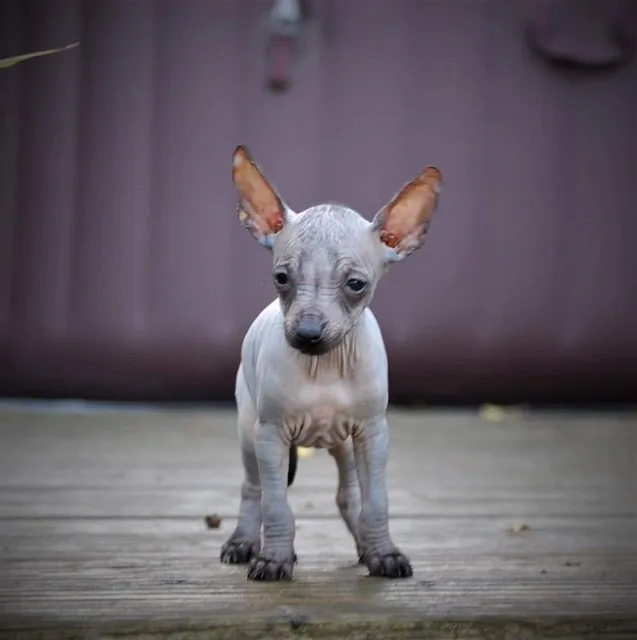
Find Mexican Hairless adverts for sale and for adoption on Mypetzilla now.
Similar breeds you may want to consider
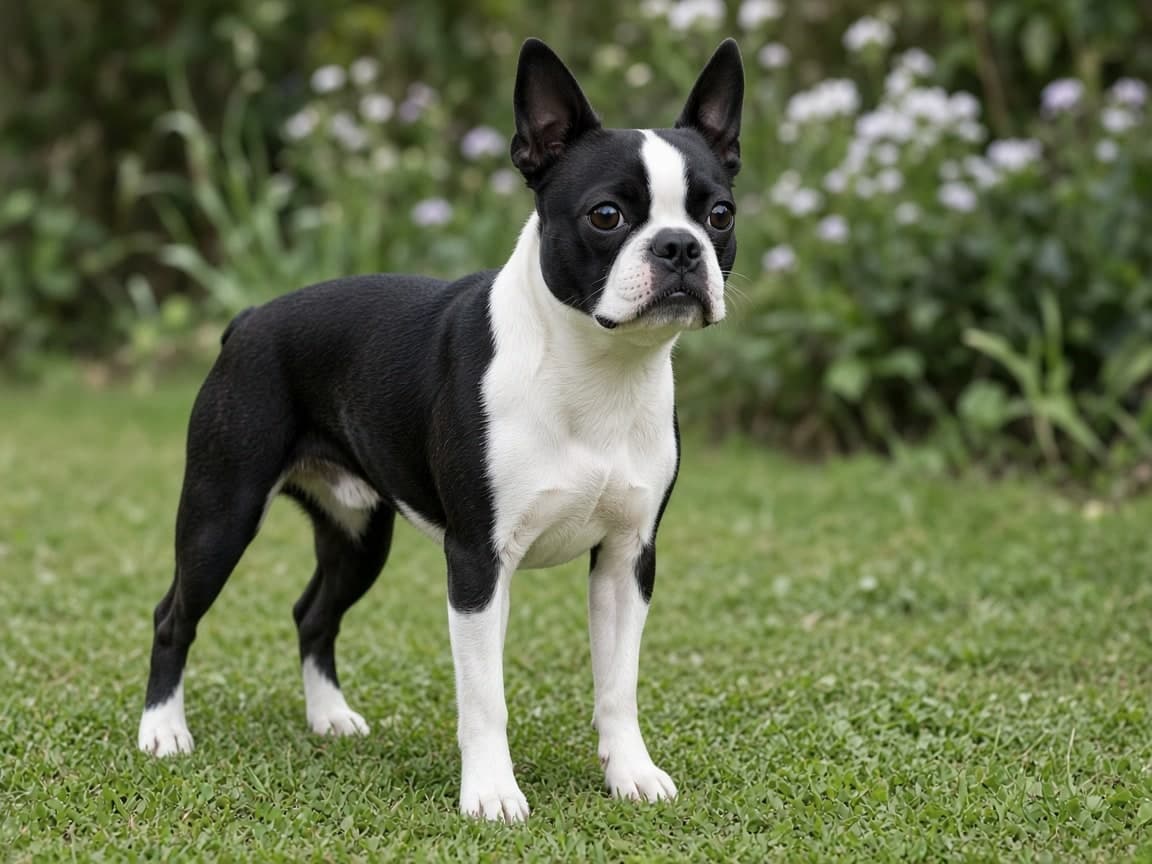
Boston Terrier
Affectionate, fun-loving, lively, intelligent, happy, determined, outgoing and social.
View breed guide
Mexican Hairless FAQs
How much exercise does the Mexican Hairless need?
Moderate: typically around an hour a day. Puppies and older dogs need less structured exercise.
Does the Mexican Hairless shed?
Tends to shed little.
How much grooming does the Mexican Hairless need?
Typically: about once a week.
How long does the Mexican Hairless live?
Typically from 10 years. Lifespan varies with genetics, weight, care and luck.
How big does the Mexican Hairless get?
Adults typically stand 25–60 cm at the shoulder.