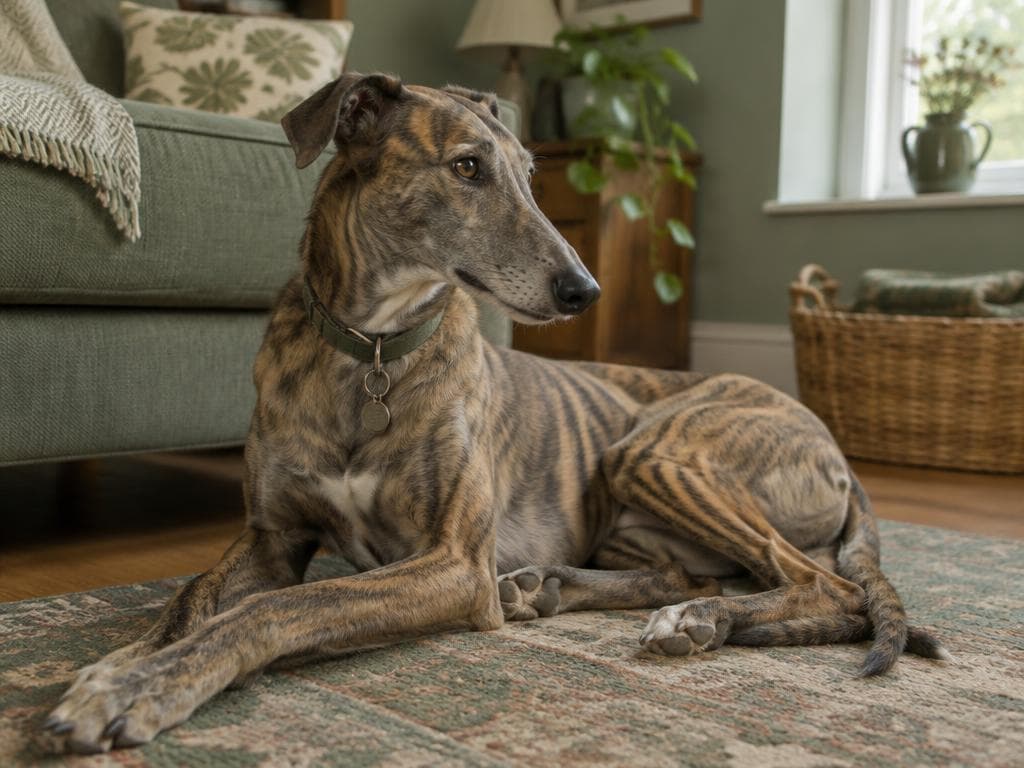
Lurcher at a glance
- Size
- Medium
- Weight
- 12–30 kg
- Life expectancy
- 12–15 years
Typical for the breed, not a promise about any one dog. Not assessed yet: Typical adult height, Energy, Training, Children.
Is the Lurcher right for you?
Like every breed, the Lurcher is not the right fit for every home. Based on the breed’s typical traits:
May suit you if…
- You live in a flat or smaller home: the breed often adapts well.
- You can give around an hour of exercise a day.
- You would like a dog that tends to be quiet.
- You would like a coat that is fairly easy to look after.
Consider another breed if…
- The dog would regularly be left alone for long working days.
- You have cats or other small pets.
How would the Lurcher fit your lifestyle?
Choose a few details for a general, non-guaranteed view.
About the Lurcher
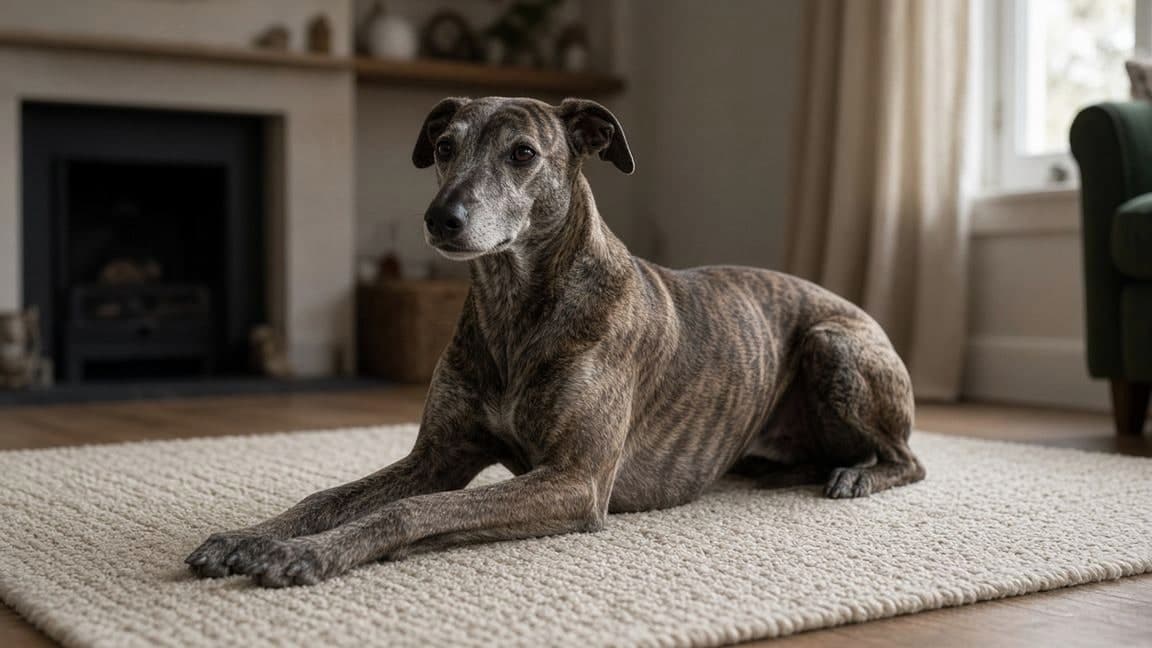
A Lurcher is a type of dog rather than a breed: a sighthound such as a Greyhound, Whippet or Saluki crossed with another breed, often a Collie or a Terrier. Many are multi-breed crosses. Lurchers are known for long, graceful frames and deep chests, but because so many breeds can be involved, their size, coat and character vary a great deal.
Key characteristics
General breed tendencies, not a prediction for an individual dog.
- Size
Medium
A mid-sized dog.
- Exercise
Moderate
Typically around an hour of exercise a day.
- Energy level
Not assessed yet
Our sources do not say enough yet.
- Grooming
Weekly
The coat usually needs brushing about once a week.
- Shedding
Moderate
Sheds a moderate amount, varying by dog and season.
- Trainability
Not assessed yet
Our sources do not say enough yet.
- Good with children
Not assessed yet
Our sources do not say enough yet.
- Good with other dogs
Varies
Varies with the individual dog.
- Good with cats
Strong chase instinct
Often has a strong instinct to chase small animals.
- Suits first-time owners
Some experience helps
Some dog experience helps.
- Barking / vocality
Tends to be quiet
Usually a fairly quiet dog around the home.
- Time alone
Prefers company
Usually copes only with short periods alone.
The Lurcher's history is tied to the sighthound. In medieval times only nobility, royalty and landowners were allowed to own sighthounds, and anyone else caught with one could face harsh punishment for suspected poaching. Ordinary people therefore crossed sighthounds with scruffy farm dogs, producing fast, clever, trainable hunting dogs disguised under the coat of a sheepdog or droving dog.
Lurchers were bred to suit the job, the quarry and the countryside their owners worked in. Today they no longer need to be disguised, so many look more obviously sighthound. They remain most common in Britain.
Lurcher temperament
Every Lurcher is an individual. Some are super calm, gentle and sensitive, while others are confident, cheeky and adventurous. They often form close bonds with their owners and enjoy being part of family life.
Many Lurchers have a strong instinct to chase moving animals, and this prey drive can be one of the biggest factors in day-to-day life with them. Some show little interest; others will turn almost anything into a chase. Some can live with cats if raised with them, but some never can. Some may have issues with unfamiliar dogs.
Lurchers are often determined, agile food thieves, so do not leave food lying around.
Size and appearance
Lurchers are usually medium to large, and weights of around 12–30 kg are typical, though this depends on the breeds in the mix. Coats can be any colour and any type, including smooth, broken, wire-haired and long-haired.
How much exercise does a Lurcher need?
Despite their athletic looks, many Lurchers do not need huge amounts of exercise. Most are happy with daily walks, chances for short bursts of energetic running and play, and plenty of time to relax at home. Others, particularly those with collie, Saluki or terrier in the mix, can need one to two hours a day.
Because of their prey drive, some can only run off the lead in secure areas. Any garden must be dog-proofed and very securely fenced, as Lurchers are agile, impressive jumpers. Mental stimulation, such as training and food-based games, is just as important as exercise.
Training a Lurcher
Lurchers are often sensitive dogs that respond well to positive, reward-based training. Some are very easy to train and keen to please, while others take more motivation.
- Use positive reinforcement and avoid being heavy-handed.
- Train a reliable recall from an early age, but do not rely on it near wildlife or livestock.
- Teach them which animals must be ignored, such as cats, sheep and deer.
- If food does not motivate them, try chasing furry toys or finding hidden toys instead.
- Support shyer dogs gently as they build confidence in new situations.
Lurcher grooming
Most Lurchers are relatively low maintenance. Smooth coats generally need only a weekly brush, while wire, rough and longer coats need more frequent grooming and some may mat. They are prone to cuts and injuries, so check them over after walks.
Living with a Lurcher
Lurchers can make wonderful family companions when their working background is understood and their needs are met. Families should be prepared for a dog whose exercise and behaviour needs depend on its breeding and personality, and some combinations need caution around very small children. Whatever the breed, dogs and young children should never be left alone together, and an adult should supervise every interaction.
Other dogs
Varies with the individual dog.
Cats and small pets
Often has a strong instinct to chase small animals.
Flats and smaller homes
Often adapts to flats and smaller homes.
Garden
A secure garden is strongly advised.
Being left alone
Usually copes only with short periods alone.
First-time owners
Some dog experience helps.
Lurcher health
Not yet reviewed by a vet. This is general information, not veterinary advice: speak to your vet about your own dog’s health.
Lurchers are generally considered healthier than many pedigree breeds, but they can still develop health problems. If buying a puppy, ask about the health, temperament and breeding of both parents.
Joint problems
Like many medium and large dogs, some Lurchers develop joint problems such as arthritis as they get older.
Injuries
Built for speed, Lurchers are more likely to pick up strains and sprains. Their slim build, thin skin and love of running also make cuts and scrapes more common.
Dental disease
Their long, narrow jaws often leave little room for their teeth, so they can be prone to dental problems. Regular dental care is important.
What health checks should you ask about?
Responsible breeders and rescues are happy to talk about health, and any pressure to decide quickly is a reason to walk away. Before taking a Lurcher home, it is reasonable to ask about:
- Health testing of the parents. Ask which health tests the parents have had for conditions known in the breed, and to see the results.
- Veterinary and vaccination records. Puppies should have had a first vaccination and a vet check, with records you can take home.
- Microchip information. In England, Scotland and Wales puppies must be microchipped and registered by eight weeks old. Ask who the chip is registered to and how the transfer works.
- Registration paperwork. Registration papers, where they apply, record pedigree. They do not by themselves prove health or how a puppy was raised.
How much does a Lurcher cost to own?
There are two costs: bringing a Lurcher home, and looking after one well. Puppy prices depend on the breeder, health testing and demand; the adverts below show what sellers are asking today.
Ongoing costs are the ones new owners most often underestimate: food, insurance (which usually rises with age), routine vet care, vaccinations and parasite treatment, dental care, grooming, training, bedding and equipment, and boarding or a sitter for holidays. Budget for the whole of the dog’s life, typically 12–15 years, not just the first year.
Buying a Lurcher
If you have decided the Lurcher suits your life, take the same care choosing where your dog comes from. Meet the puppy in person, see it with its mother, and look at how the litter is raised.
- Check who you are dealing with: every Mypetzilla advert shows the seller type and what we have checked.
- Ask about health testing, vaccinations and the microchip before you commit.
- Take your time. Do not be rushed by deposits or "last one left" stories.
- Meet in person before paying anything, and keep conversations on Mypetzilla.
Adopting a Lurcher
Lurchers do come up for adoption, through rescue organisations, breed rescues and private rehoming, often because an owner’s circumstances have changed rather than any fault of the dog. An adult dog arrives as a known quantity: its size, coat and character are already on show.
Rescues will usually talk you through the dog’s history, any medical care, and the home it needs, including children, other animals and time alone. Be honest about your circumstances: a good rescue would rather place a dog once, well.
Lurchers looking for homes
Live from Mypetzilla, updated as pets are listed.



Find Lurcher adverts for sale and for adoption on Mypetzilla now.
Similar breeds you may want to consider
Shar Pei
Loyal, calm, protective, intelligent, independent, aloof, devoted and confident.
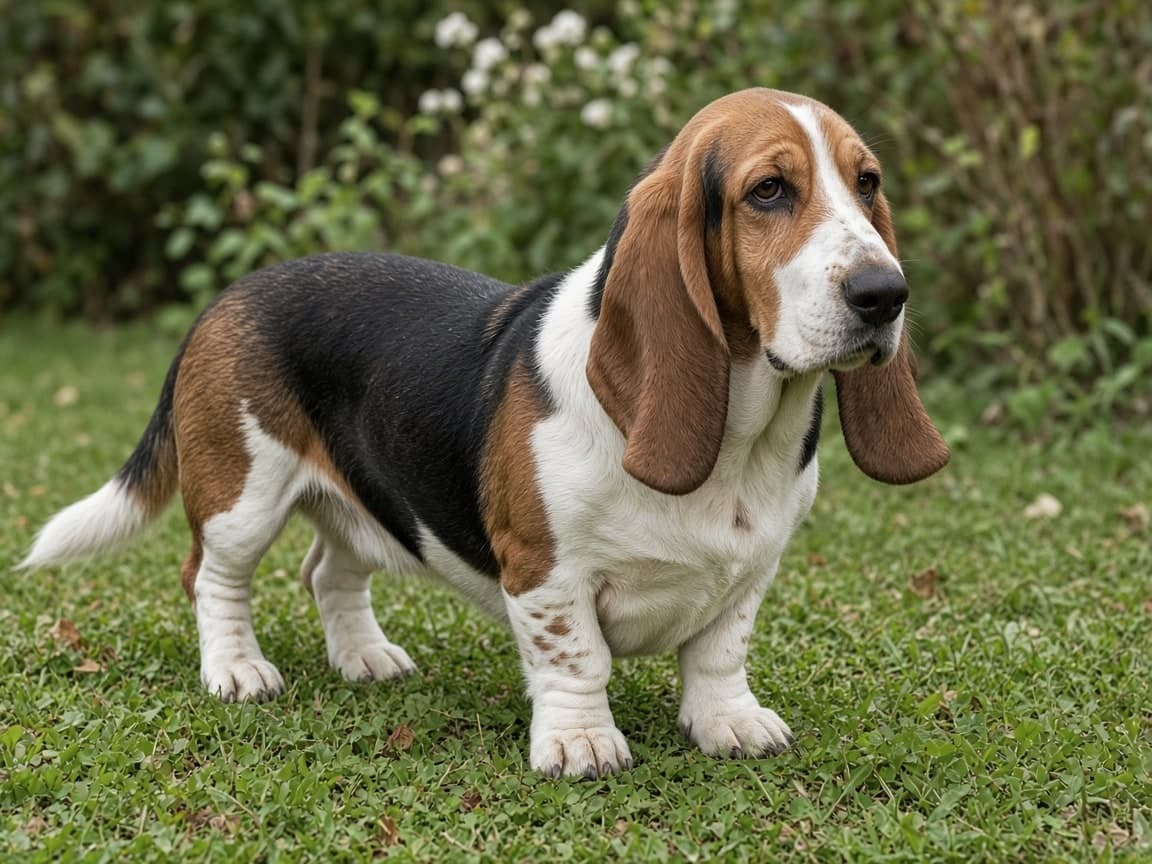
View breed guideBasset Hound
Gentle, placid, sociable, calm, affectionate, patient, friendly and playful.
View breed guide
Lurcher FAQs
Can the Lurcher live in a flat?
Often adapts to flats and smaller homes. Exercise and company matter more than floor space.
How much exercise does the Lurcher need?
Moderate: typically around an hour a day. Puppies and older dogs need less structured exercise.
Does the Lurcher shed?
Moderate shedding.
How much grooming does the Lurcher need?
Typically: about once a week.
Can the Lurcher be left alone?
Usually copes only with short periods alone. Build up time alone gradually.
Does the Lurcher bark a lot?
Tends to be quiet. Individual dogs vary with breeding, upbringing and health, so ask about the dog you are considering.
Is the Lurcher good with cats?
Often has a strong instinct to chase small animals. Individual dogs vary with breeding, upbringing and health, so ask about the dog you are considering.
How long does the Lurcher live?
Typically 12–15 years. Lifespan varies with genetics, weight, care and luck.
How big does the Lurcher get?
Adults typically weigh 12–30 kg.