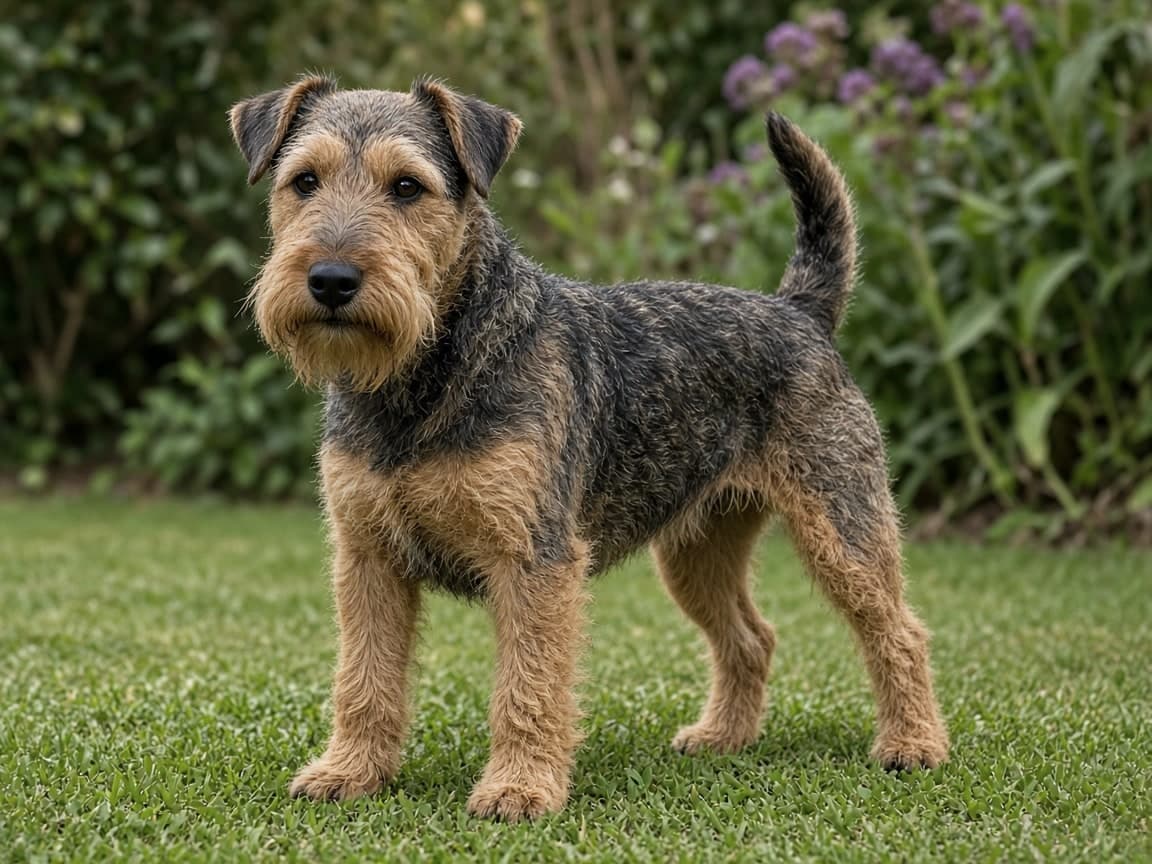
Lakeland Terrier at a glance
- Size
- Small
- Weight
- 7–8 kg
- Life expectancy
- from 12 years
Typical for the breed, not a promise about any one dog. Not assessed yet: Typical adult height.
Is the Lakeland Terrier right for you?
Like every breed, the Lakeland Terrier is not the right fit for every home. Based on the breed’s typical traits:
May suit you if…
- You can give around an hour of exercise a day.
- You would prefer a dog that tends to shed little.
Consider another breed if…
- The dog would regularly be left alone for long working days.
- You live in a flat or a small home.
- You have young children at home.
- This would be your first dog.
How would the Lakeland Terrier fit your lifestyle?
Choose a few details for a general, non-guaranteed view.
About the Lakeland Terrier
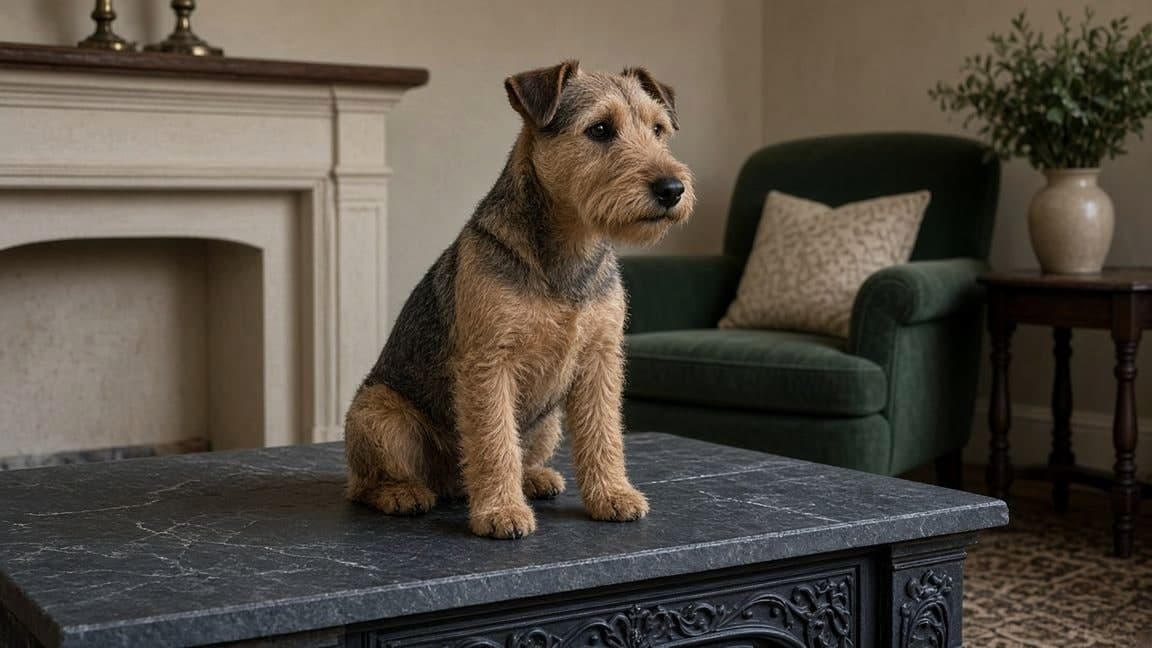
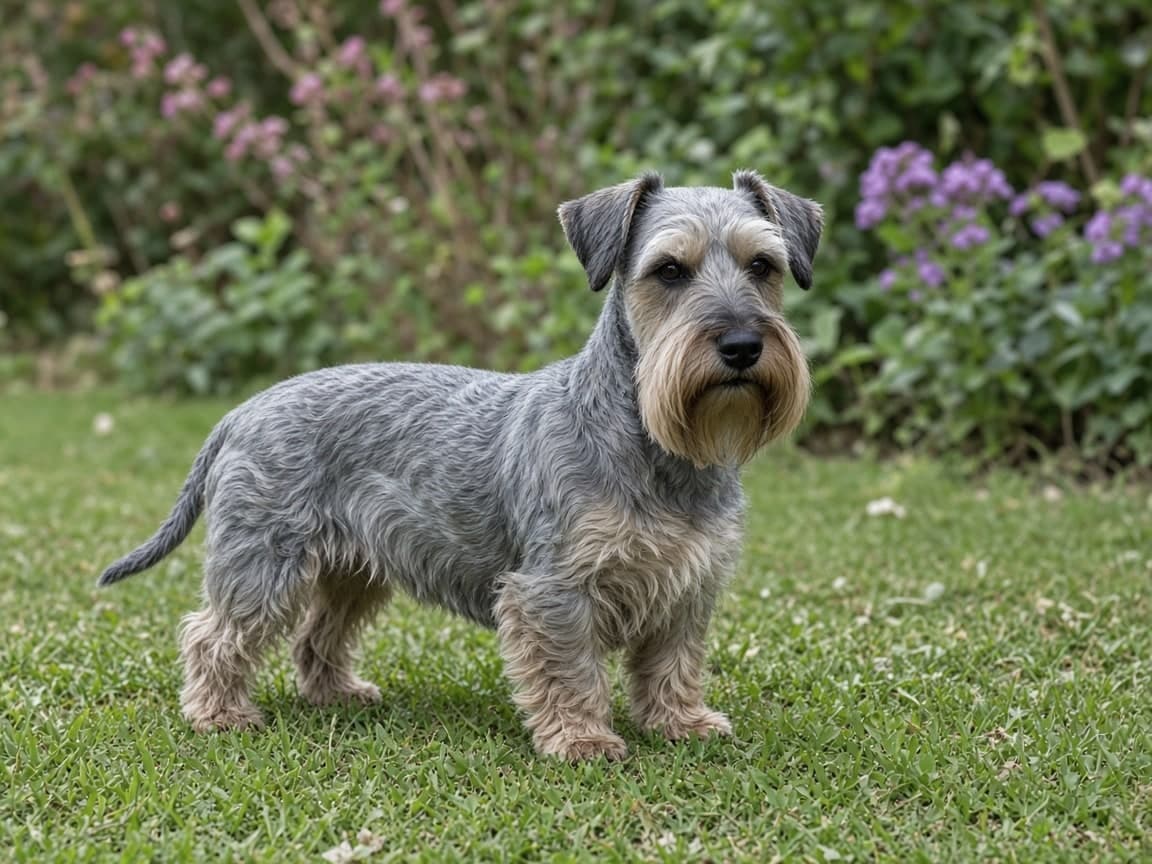
The Lakeland Terrier is a smart, workmanlike little dog with a thick, harsh coat, bred to cope with the steep, rocky fells of the Lake District. Fearless and fast when working, it is usually friendly, affectionate and full of fun at home.
Key characteristics
General breed tendencies, not a prediction for an individual dog.
- Size
Small
A small dog.
- Exercise
Moderate
Typically around an hour of exercise a day.
- Energy level
Very lively
Very lively and usually keen to be busy.
- Grooming
Moderate
The coat usually needs brushing several times a week.
- Shedding
Low
Tends to shed little, though every dog sheds some hair.
- Trainability
Moderate
Generally trainable with patience and consistency.
- Good with children
Older children
Usually better with older, calmer children.
- Good with other dogs
Can be selective
Can be selective about other dogs.
- Good with cats
Strong chase instinct
Often has a strong instinct to chase small animals.
- Suits first-time owners
Experienced owners
Best with an experienced owner.
- Barking / vocality
Can be vocal
Often quick to bark at visitors or unusual sounds.
- Time alone
Prefers company
Usually copes only with short periods alone.
In the old counties of Cumberland and Westmorland, several valleys developed their own type of working terrier, and the Lakeland was developed from these. The old Black and Tan Terrier sits behind the breed, probably with some input from the Welsh, Border and Fox Terriers, and some suggest the Bedlington too.
Lakelands were bred to run with packs of hounds and their followers on foot, and to go to ground after foxes that threatened farmers' lambs. That needed stamina, agility and courage. The first breed club formed in 1912, and the Kennel Club recognised the breed in 1921. The Royal Kennel Club now lists it as a vulnerable native breed.
Lakeland Terrier temperament
Lakeland Terriers are typically very curious dogs that love nothing more than exploring and investigating. At home they are usually loving and mischievous, and like to be involved with everything and everyone.
They have a strong hunting instinct, and once they are on a scent it can be hard to get their attention back. Some can be feisty with other dogs, so early and ongoing socialisation is essential. They should also be socialised with smaller household pets from a young age.
Lakelands are often vocal and will alert you to visitors, real or imagined, so they may be better without close neighbours. Many also enjoy digging.
Size and appearance
The Royal Kennel Club classes the Lakeland as a small breed, though other sources describe it as medium. Adults typically weigh around 7–8 kg.
The coat has a thick undercoat and a dense, harsh topcoat that protected the dog from the bitter Lake District weather and from work underground. Breed standard colours include black, black and tan, blue, blue and tan, liver, red, red grizzle and wheaten.
How much exercise does a Lakeland Terrier need?
Lakelands need about an hour of exercise a day, but will happily accept much longer walks if you can offer them. Because of their hunting instinct, exercise them in secure areas.
They enjoy games in the garden, but they were bred to squeeze into small holes and gaps, so garden boundaries must be fully escape-proof. Games that mimic hunting and chasing help satisfy their working instincts.
Training a Lakeland Terrier
Lakeland Terriers are smart and clever but surprisingly sensitive. They respond well to reward-based training and can do surprisingly well, though they are not the easiest breed to train.
- Use reward-based methods and keep training positive.
- Start recall training young, and expect it to take work, because a scent can easily distract them.
- Teach them to walk nicely on a harness and lead.
- Socialise them early with other dogs and smaller pets.
Lakeland Terrier grooming
The coat does not shed much, but it needs combing through a couple of times a week to keep it in good condition. Pet Lakelands are usually clipped or professionally scissored and shaped a few times a year, while show dogs are trimmed.
Living with a Lakeland Terrier
The Lakeland has more patience with children than many terriers and is affectionate with its family. Given the right socialisation it can make a great family pet. It suits homes without children, or with children old enough to follow instructions and give a dog space and respect. Whatever the breed, dogs and young children should never be left alone together, and an adult should supervise every interaction.
Children
Usually better with older, calmer children.
Other dogs
Can be selective about other dogs.
Cats and small pets
Often has a strong instinct to chase small animals.
Flats and smaller homes
Usually happier in a house.
Garden
A secure garden is strongly advised.
Being left alone
Usually copes only with short periods alone.
First-time owners
Best with an experienced owner.
Lakeland Terrier health
Not yet reviewed by a vet. This is general information, not veterinary advice: speak to your vet about your own dog’s health.
Some inherited conditions are recognised in the breed. The Royal Kennel Club recommends prioritising genetic diversity and eye testing under the BVA/KC/ISDS Eye Scheme before breeding, so ask a breeder about both.
Lens luxation
Dislocation of the lens of the eye.
Cataracts
Clouding of the lens of the eye, giving it a cloudy appearance.
Microphthalmia
A birth defect in which one or both eyes are abnormally small.
Legg-Calvé-Perthes disease
The blood supply to the head of the thigh bone is reduced, causing the bone at the hip joint to break down.
Patellar luxation
The kneecaps can slip temporarily out of place.
What health checks should you ask about?
Responsible breeders and rescues are happy to talk about health, and any pressure to decide quickly is a reason to walk away. Before taking a Lakeland Terrier home, it is reasonable to ask about:
- Health testing of the parents. Ask which health tests the parents have had for conditions known in the breed, and to see the results.
- Veterinary and vaccination records. Puppies should have had a first vaccination and a vet check, with records you can take home.
- Microchip information. In England, Scotland and Wales puppies must be microchipped and registered by eight weeks old. Ask who the chip is registered to and how the transfer works.
- Registration paperwork. Registration papers, where they apply, record pedigree. They do not by themselves prove health or how a puppy was raised.
How much does a Lakeland Terrier cost to own?
There are two costs: bringing a Lakeland Terrier home, and looking after one well. Puppy prices depend on the breeder, health testing and demand; the adverts below show what sellers are asking today.
Ongoing costs are the ones new owners most often underestimate: food, insurance (which usually rises with age), routine vet care, vaccinations and parasite treatment, dental care, grooming, training, bedding and equipment, and boarding or a sitter for holidays. Budget for the whole of the dog’s life, typically from 12 years, not just the first year.
Buying a Lakeland Terrier
If you have decided the Lakeland Terrier suits your life, take the same care choosing where your dog comes from. Meet the puppy in person, see it with its mother, and look at how the litter is raised.
- Check who you are dealing with: every Mypetzilla advert shows the seller type and what we have checked.
- Ask about health testing, vaccinations and the microchip before you commit.
- Take your time. Do not be rushed by deposits or "last one left" stories.
- Meet in person before paying anything, and keep conversations on Mypetzilla.
Adopting a Lakeland Terrier
Lakeland Terriers do come up for adoption, through rescue organisations, breed rescues and private rehoming, often because an owner’s circumstances have changed rather than any fault of the dog. An adult dog arrives as a known quantity: its size, coat and character are already on show.
Rescues will usually talk you through the dog’s history, any medical care, and the home it needs, including children, other animals and time alone. Be honest about your circumstances: a good rescue would rather place a dog once, well.
Lakeland Terriers looking for homes
Live from Mypetzilla, updated as pets are listed.

Find Lakeland Terrier adverts for sale and for adoption on Mypetzilla now.
Similar breeds you may want to consider
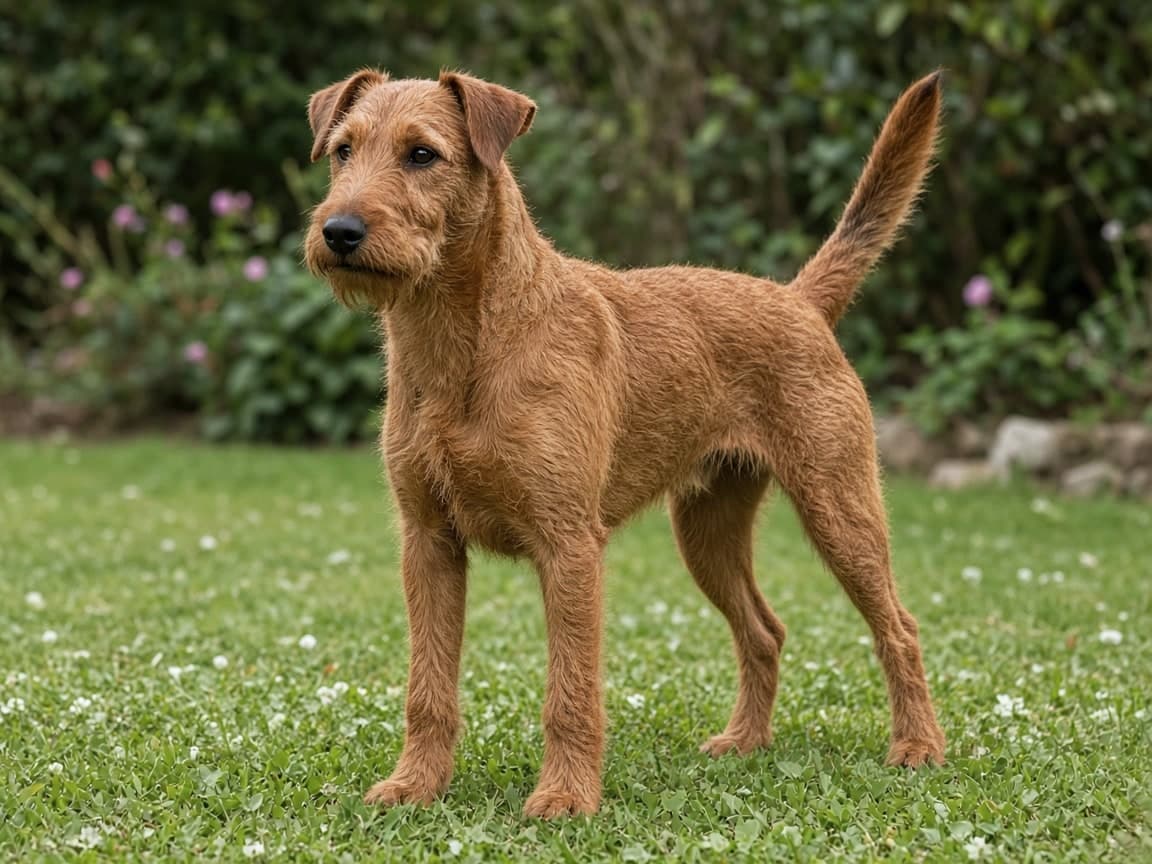
Irish Terrier
Comical, gentle, loving, affectionate, devoted, fearless, mischievous and brave.
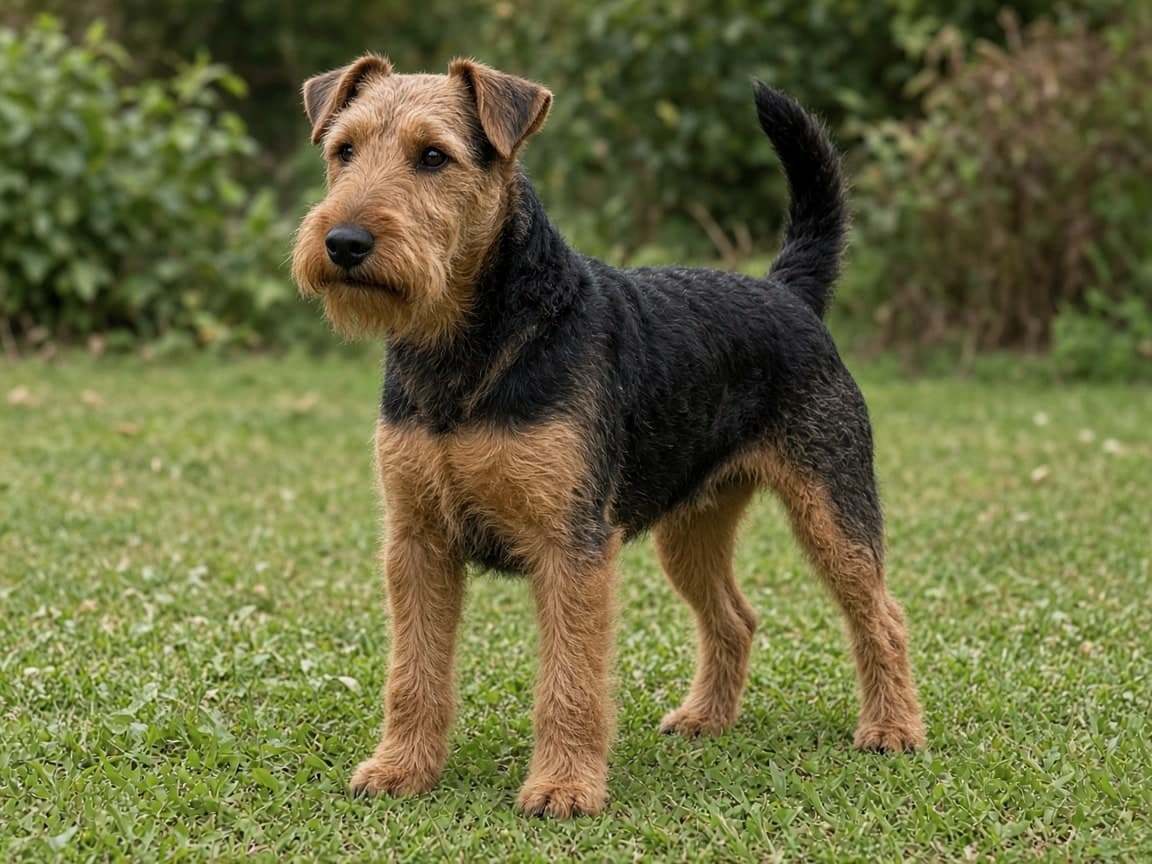
View breed guideWelsh Terrier
Affectionate, obedient, intelligent, active, cheerful, independent and alert.
View breed guide
Lakeland Terrier FAQs
Is the Lakeland Terrier good with children?
Usually better with older, calmer children. Individual dogs vary with breeding, upbringing and health, so ask about the dog you are considering.
Can the Lakeland Terrier live in a flat?
Usually happier in a house. Exercise and company matter more than floor space.
How much exercise does the Lakeland Terrier need?
Moderate: typically around an hour a day. Puppies and older dogs need less structured exercise.
Does the Lakeland Terrier shed?
Tends to shed little.
How much grooming does the Lakeland Terrier need?
Typically: several times a week.
Is the Lakeland Terrier easy to train?
Generally trainable with consistency. Kind, reward-based training works best.
Can the Lakeland Terrier be left alone?
Usually copes only with short periods alone. Build up time alone gradually.
Does the Lakeland Terrier bark a lot?
Can be vocal. Individual dogs vary with breeding, upbringing and health, so ask about the dog you are considering.
Is the Lakeland Terrier good with cats?
Often has a strong instinct to chase small animals. Individual dogs vary with breeding, upbringing and health, so ask about the dog you are considering.
How long does the Lakeland Terrier live?
Typically from 12 years. Lifespan varies with genetics, weight, care and luck.
How big does the Lakeland Terrier get?
Adults typically weigh 7–8 kg.