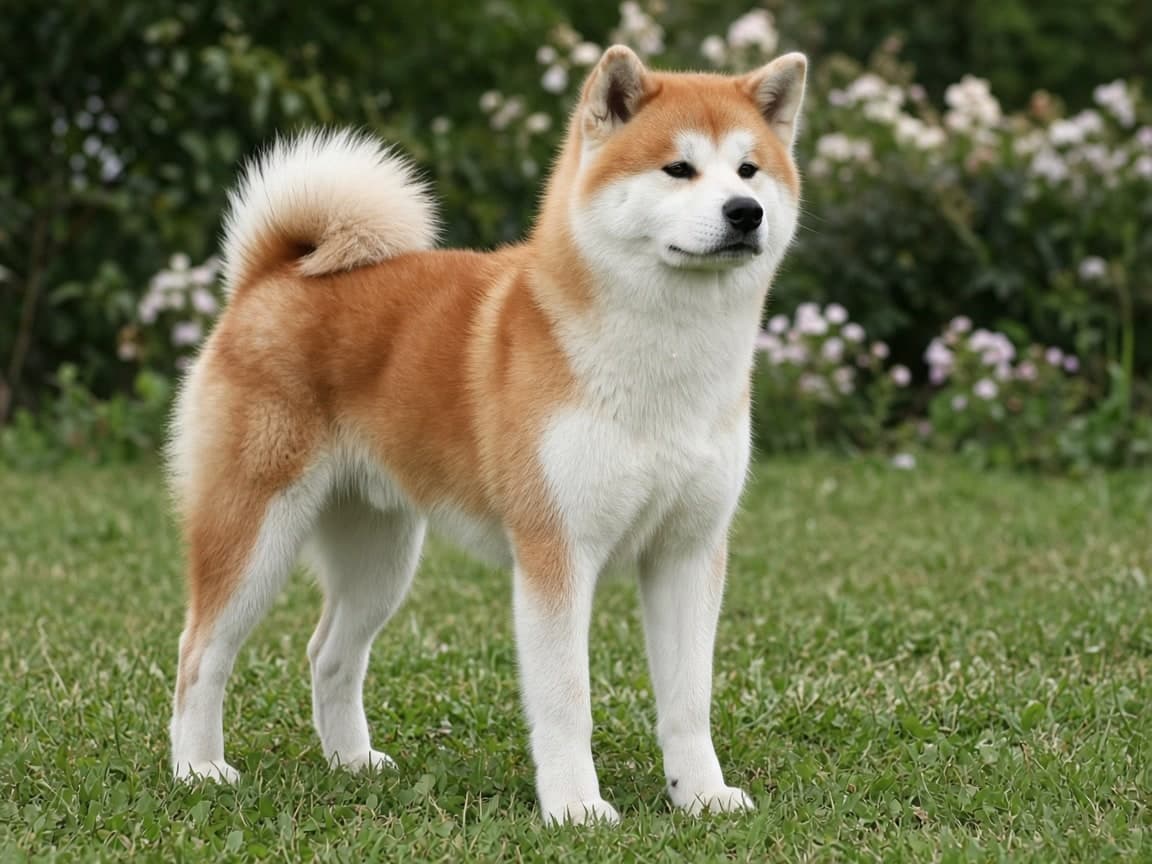
Japanese Akita Inu at a glance
- Size
- Large
- Height
- 58–70 cm
- Weight
- 25–34 kg
- Life expectancy
- from 10 years
Typical for the breed, not a promise about any one dog.
Is the Japanese Akita Inu right for you?
Like every breed, the Japanese Akita Inu is not the right fit for every home. Based on the breed’s typical traits:
May suit you if…
- You enjoy long walks and an active, outdoor life.
- You would like a dog that tends to be quiet.
Consider another breed if…
- The dog would regularly be left alone for long working days.
- You cannot offer well over an hour of exercise every day.
- You live in a flat or a small home.
- You have young children at home.
How would the Japanese Akita Inu fit your lifestyle?
Choose a few details for a general, non-guaranteed view.
About the Japanese Akita Inu
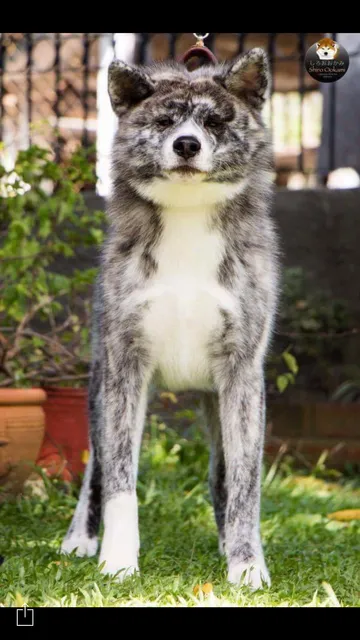
The Japanese Akita Inu is a large, powerful dog with a wedge-shaped head, small erect ears, a thick plush coat and a curled tail. It is calm and composed, deeply devoted to its family and often described as the cat of the dog world, because it prefers affection on its own terms.
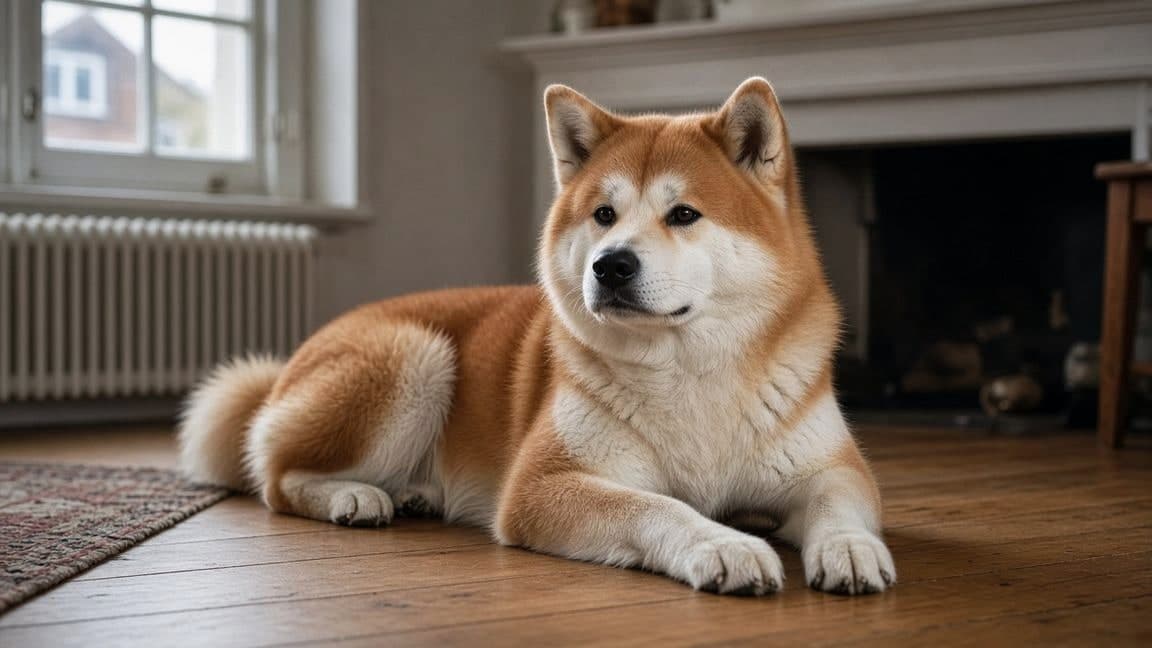
Key characteristics
General breed tendencies, not a prediction for an individual dog.
- Size
Large
A large dog.
- Exercise
High
Typically more than an hour a day, with time off the lead.
- Energy level
Moderate
Moderately energetic, with bursts of play.
- Grooming
Moderate
The coat usually needs brushing several times a week.
- Shedding
High
Tends to shed a lot, so expect hair around the home.
- Trainability
Independent
Can be independent-minded; patient training helps.
- Good with children
Older children
Usually better with older, calmer children.
- Good with other dogs
Can be selective
Can be selective about other dogs.
- Good with cats
Strong chase instinct
Often has a strong instinct to chase small animals.
- Suits first-time owners
Experienced owners
Best with an experienced owner.
- Barking / vocality
Tends to be quiet
Usually a fairly quiet dog around the home.
- Time alone
Prefers company
Usually copes only with short periods alone.
The Akita Inu is the original Akita as found in Japan, and it has changed remarkably little for centuries. It is thought to have been founded on spitz-type dogs that reached the northern mountainous regions of Japan around three centuries ago. The breed was used to guard homes and land and to hunt with its people, including large game such as bears.
The Akita Inu should not be confused with the Akita, sometimes called the American Akita. The Royal Kennel Club separated the two breeds in 2006.
Japanese Akita Inu temperament
Akita Inus are typically loyal, calm and independent. They bond deeply with their families but show it quietly, usually by following you around rather than seeking cuddles. They like to make their own decisions.
They are naturally wary of strangers and are protective of their people and their things. Some guard food, toys or favourite resting spots. They tend not to enjoy a busy home with lots of visitors coming and going, and they have a strong hunting instinct.
Akita Inus are usually quiet dogs that bark only when they think there is a real reason, which makes them good but often silent watchdogs.
Size and appearance
The Akita Inu is a large breed. Adults typically weigh around 25–34 kg, and males usually stand 64–70 cm and females 58–64 cm at the shoulder.
The coat is a thick double coat. Breed standard colours are brindle, red fawn, sesame and white.
How much exercise does a Japanese Akita Inu need?
Akita Inus usually need one to two hours of exercise a day, and some sources suggest more. They enjoy purposeful activities such as hiking, scent work and sniffy walks rather than endless games of fetch.
Mental exercise matters as much as walks: puzzle toys, scent games and training help prevent boredom, which can lead to chewing or digging. Because of their prey drive, recall should never be relied on completely, so keep them on a lead unless the area is secure.
Training a Japanese Akita Inu
Akita Inus are intelligent but fairly hard to train. Their working background gives them a strong-willed streak, and many are not very interested in traditional obedience.
- Use consistent, reward-based training; shouting simply makes them tune out.
- Start socialisation early and keep it going throughout their life, especially around strangers and other dogs.
- Begin recall and loose-lead walking young, because of their size and strength.
- Keep sessions varied, as they get bored of repeating the same thing.
Japanese Akita Inu grooming
The thick double coat sheds a lot, and heavily twice a year during seasonal moults. Brushing several times a week helps keep it in good condition, with daily brushing during heavy shedding in spring and autumn.
Do not shave the coat: it can put the dog at risk of overheating and may never grow back properly. Bathing is only needed occasionally.
Living with a Japanese Akita Inu
Akita Inus can be excellent companions in households with older, sensible children. They may struggle with rough or unpredictable play from younger children, can be mouthy in those situations, and are large enough to knock small children over.
They are best suited to experienced dog owners, and a quieter home without lots of visitors suits them better. Whatever the breed, dogs and young children should never be left alone together, and an adult should supervise every interaction.
Children
Usually better with older, calmer children.
Other dogs
Can be selective about other dogs.
Cats and small pets
Often has a strong instinct to chase small animals.
Flats and smaller homes
Usually needs a roomy home.
Garden
A secure garden is strongly advised.
Being left alone
Usually copes only with short periods alone.
First-time owners
Best with an experienced owner.
Japanese Akita Inu health
Not yet reviewed by a vet. This is general information, not veterinary advice: speak to your vet about your own dog’s health.
Several health conditions are recognised in the Japanese Akita Inu. Knowing about them helps you ask a breeder the right questions; it does not mean every dog will be affected.
Hip dysplasia
A condition affecting the hip joint that can lead to pain and mobility problems. The Royal Kennel Club recommends hip scoring under the BVA/KC Hip Dysplasia Scheme.
Elbow dysplasia
The Royal Kennel Club recommends elbow testing under the BVA/KC Elbow Dysplasia Scheme as part of best-practice health testing.
Amelogenesis imperfecta / familial enamel hypoplasia (AI/FEH)
An inherited disorder in which tooth enamel does not develop properly. A DNA test is available and is part of the Royal Kennel Club's best-practice testing.
Gastric dilatation volvulus (bloat)
A life-threatening condition that needs immediate veterinary attention.
Progressive retinal atrophy (PRA)
A degenerative eye condition that can cause blindness.
Entropion
A painful eye condition in which the eyelids roll inwards.
Autoimmune and skin conditions
The breed can be affected by autoimmune diseases, including hypothyroidism and skin problems such as sebaceous adenitis, which affects the skin glands and causes dry skin and hair loss.
Cruciate ligament injury
Knee injuries are common in large breeds like the Akita.
Genetic diversity
The Royal Kennel Club lists prioritising genetic diversity as a key part of responsible breeding in this breed.
What health checks should you ask about?
Responsible breeders and rescues are happy to talk about health, and any pressure to decide quickly is a reason to walk away. Before taking a Japanese Akita Inu home, it is reasonable to ask about:
- Health testing of the parents. Ask which health tests the parents have had for conditions known in the breed, and to see the results.
- Veterinary and vaccination records. Puppies should have had a first vaccination and a vet check, with records you can take home.
- Microchip information. In England, Scotland and Wales puppies must be microchipped and registered by eight weeks old. Ask who the chip is registered to and how the transfer works.
- Registration paperwork. Registration papers, where they apply, record pedigree. They do not by themselves prove health or how a puppy was raised.
How much does a Japanese Akita Inu cost to own?
There are two costs: bringing a Japanese Akita Inu home, and looking after one well. Puppy prices depend on the breeder, health testing and demand; the adverts below show what sellers are asking today.
Ongoing costs are the ones new owners most often underestimate: food, insurance (which usually rises with age), routine vet care, vaccinations and parasite treatment, dental care, grooming, training, bedding and equipment, and boarding or a sitter for holidays. Budget for the whole of the dog’s life, typically from 10 years, not just the first year.
Buying a Japanese Akita Inu
If you have decided the Japanese Akita Inu suits your life, take the same care choosing where your dog comes from. Meet the puppy in person, see it with its mother, and look at how the litter is raised.
- Check who you are dealing with: every Mypetzilla advert shows the seller type and what we have checked.
- Ask about health testing, vaccinations and the microchip before you commit.
- Take your time. Do not be rushed by deposits or "last one left" stories.
- Meet in person before paying anything, and keep conversations on Mypetzilla.
Adopting a Japanese Akita Inu
Japanese Akita Inus do come up for adoption, through rescue organisations, breed rescues and private rehoming, often because an owner’s circumstances have changed rather than any fault of the dog. An adult dog arrives as a known quantity: its size, coat and character are already on show.
Rescues will usually talk you through the dog’s history, any medical care, and the home it needs, including children, other animals and time alone. Be honest about your circumstances: a good rescue would rather place a dog once, well.
Japanese Akita Inus looking for homes
Live from Mypetzilla, updated as pets are listed.
Find Japanese Akita Inu adverts for sale and for adoption on Mypetzilla now.
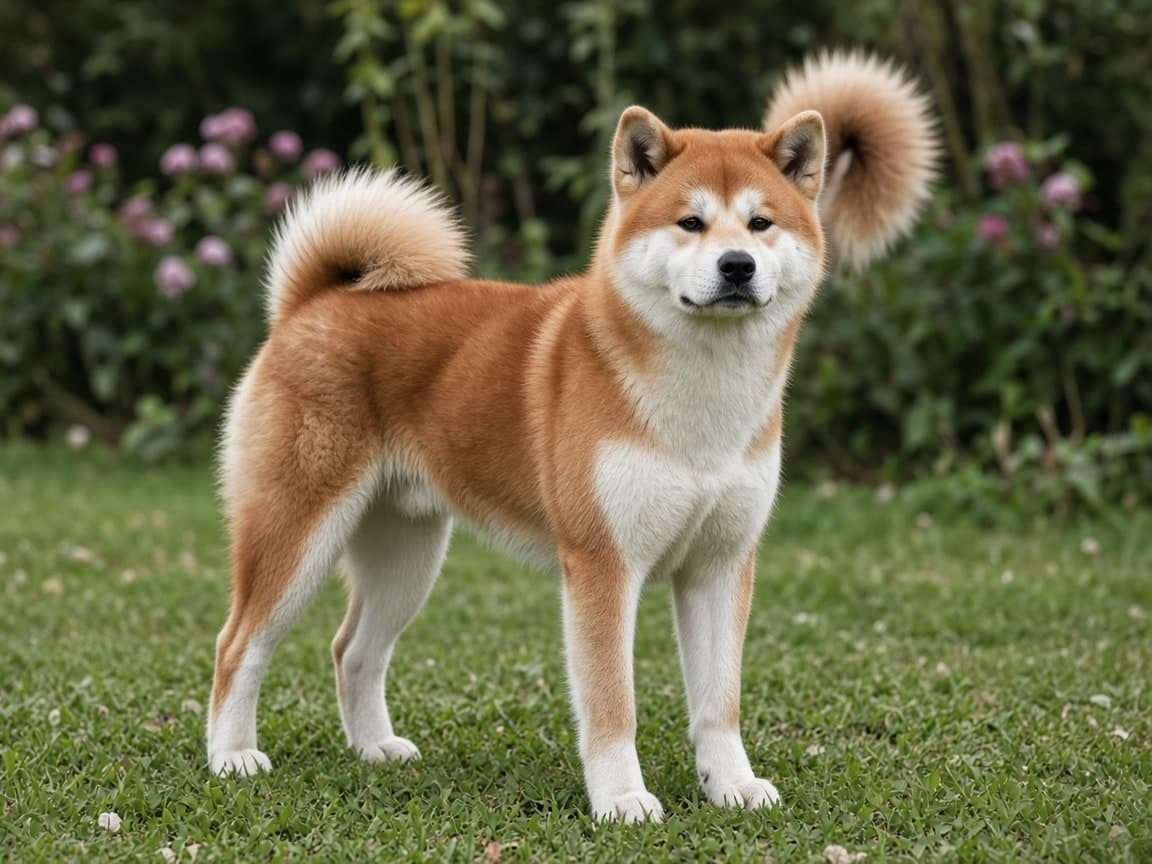
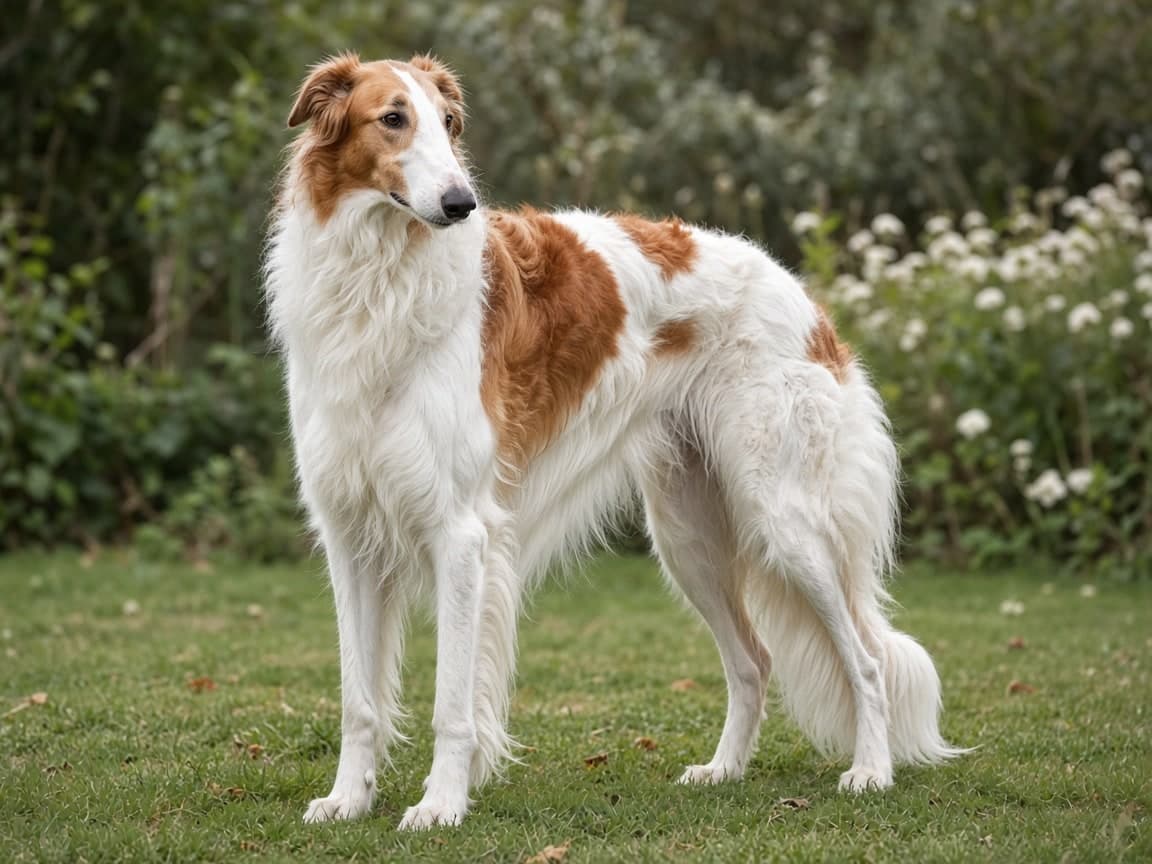
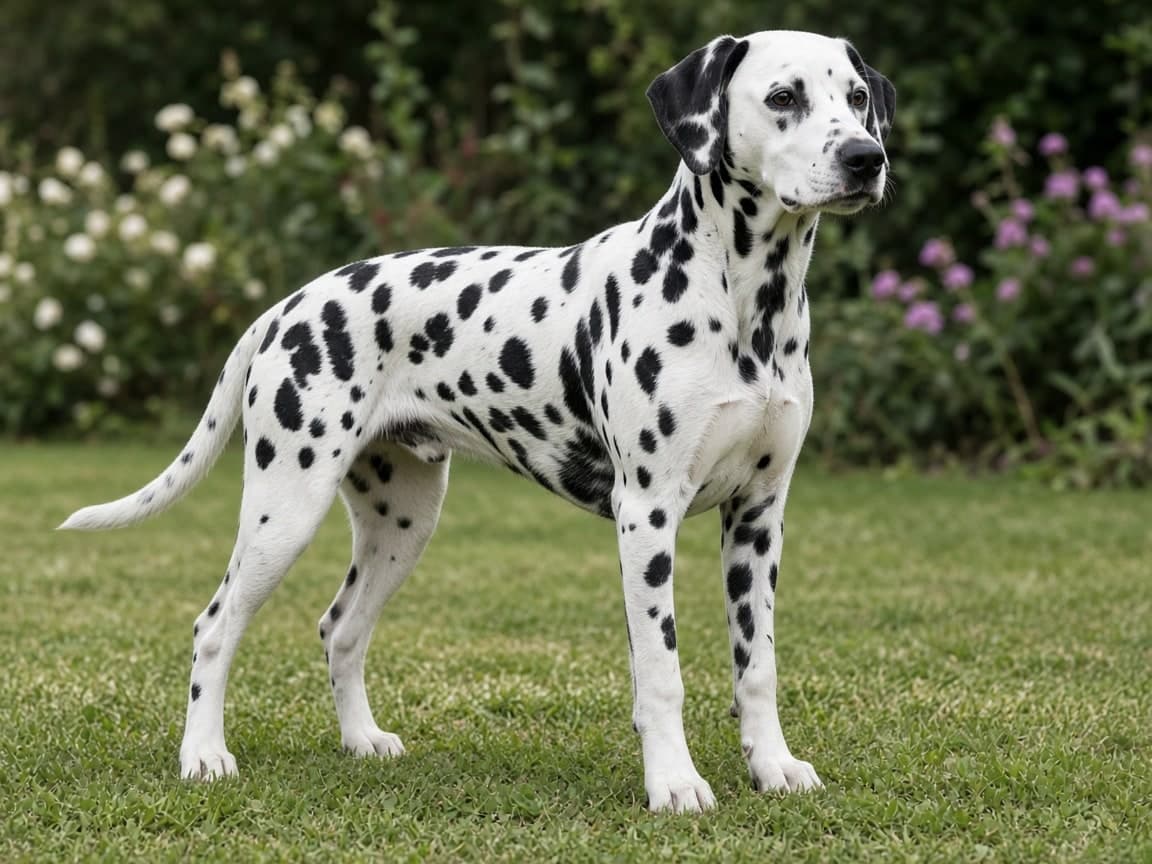
Similar breeds you may want to consider
Japanese Akita Inu FAQs
Is the Japanese Akita Inu good with children?
Usually better with older, calmer children. Individual dogs vary with breeding, upbringing and health, so ask about the dog you are considering.
Can the Japanese Akita Inu live in a flat?
Usually needs a roomy home. Exercise and company matter more than floor space.
How much exercise does the Japanese Akita Inu need?
High: typically more than an hour a day, with time off the lead. Puppies and older dogs need less structured exercise.
Does the Japanese Akita Inu shed?
Tends to shed a lot.
How much grooming does the Japanese Akita Inu need?
Typically: several times a week.
Is the Japanese Akita Inu easy to train?
Can be independent-minded; patient training helps. Kind, reward-based training works best.
Can the Japanese Akita Inu be left alone?
Usually copes only with short periods alone. Build up time alone gradually.
Does the Japanese Akita Inu bark a lot?
Tends to be quiet. Individual dogs vary with breeding, upbringing and health, so ask about the dog you are considering.
Is the Japanese Akita Inu good with cats?
Often has a strong instinct to chase small animals. Individual dogs vary with breeding, upbringing and health, so ask about the dog you are considering.
How long does the Japanese Akita Inu live?
Typically from 10 years. Lifespan varies with genetics, weight, care and luck.
How big does the Japanese Akita Inu get?
Adults typically stand 58–70 cm at the shoulder and weigh 25–34 kg.