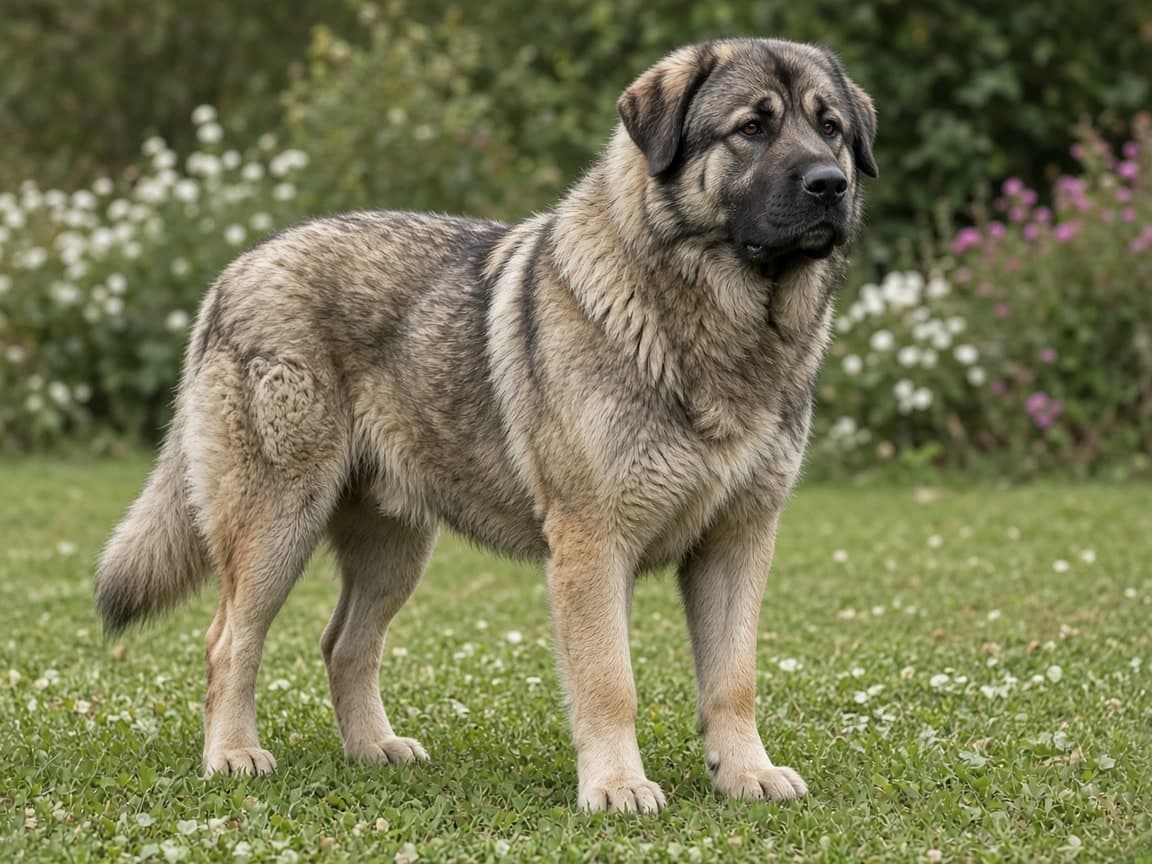
Caucasian Shepherd Dog at a glance
- Height
- from 64 cm
- Weight
- from 45 kg
Typical for the breed, not a promise about any one dog. Not assessed yet: Size, Exercise, Energy, Grooming, Shedding, Training, Barking, Home, Garden, Time alone, Owner experience, Children, Other dogs, Cats and small pets, Typical lifespan.
How would the Caucasian Shepherd Dog fit your lifestyle?
Choose a few details for a general, non-guaranteed view.
About the Caucasian Shepherd Dog
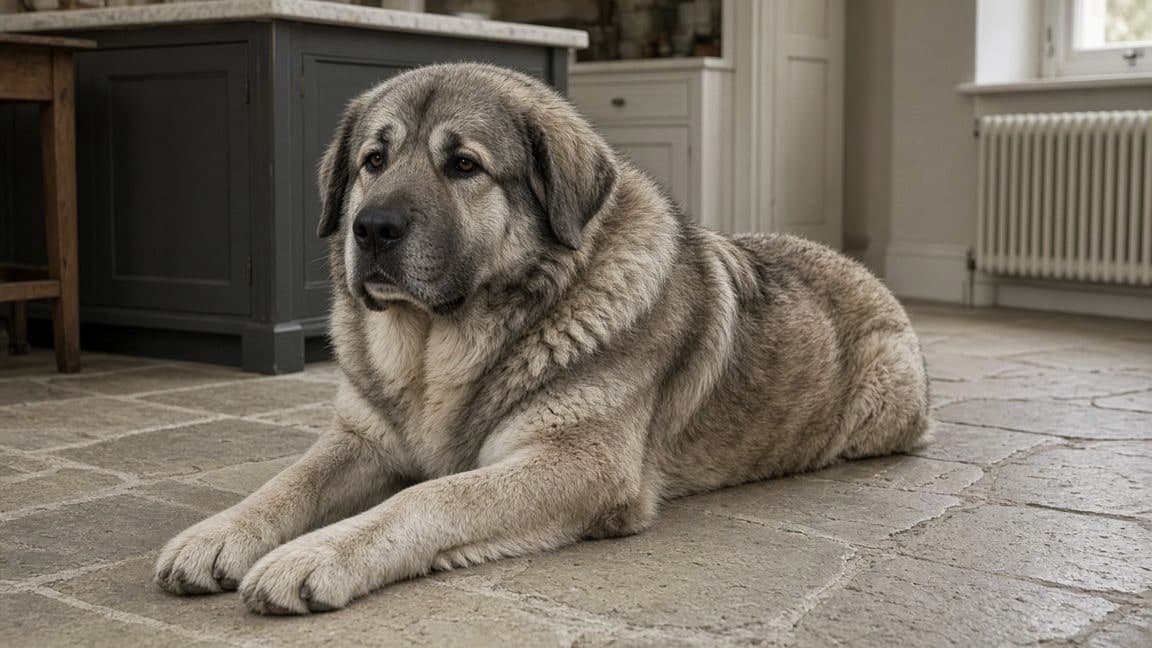
The Caucasian Shepherd Dog is a large, strong dog with heavy bone and powerful muscles, slightly longer than it is tall, with a broad, wedge-shaped head and a thick, stand-off coat. It is typically steady, self-confident and independent, and it was bred to guard.
The breed is thought to descend from ancient dogs of the Caucasus, and it spread from the Caucasian mountain range across the steppes of southern Russia. Peoples of the region shaped the breed alongside natural selection. Historically these dogs guarded herds, flocks and homes against predators.
Organised breeding began in the USSR in the 1920s, selecting for physical power, self-confidence, fearlessness, sharp hearing, good sight and a dense, waterproof coat. Together with its endurance, these qualities let the breed work in all kinds of climate, including very harsh ones. Russia holds the breed's patronage with the international federation of kennel clubs.
Caucasian Shepherd Dog temperament
Caucasian Shepherd Dogs are typically steady, active, self-confident, fearless and independent. They usually show a devoted attachment to their owner and are excellent guard dogs. The breed standard treats aggressive or overly shy dogs as a disqualifying fault.
Size and appearance
This is a very large breed, and males are noticeably bigger and more massive than females. Desirable heights at the shoulder are 72–75 cm for males and 67–70 cm for females, with minimums of 68 cm and 64 cm; larger dogs are accepted if well proportioned. Minimum weights are 50 kg for males and 45 kg for females.
The coat is straight and coarse with a well-developed undercoat, at least 5 cm long, and forms a mane around the neck, "brushes" on the ears and "trousers" on the back of the thighs. Colours can be any solid colour, piebald or spotted, except black in any form, genetic blue or liver brown.
Caucasian Shepherd Dog health
Not yet reviewed by a vet. This is general information, not veterinary advice: speak to your vet about your own dog’s health.
A large Dogs Trust study of over half a million UK dogs found that the Caucasian Shepherd Dog had the shortest median life expectancy of the 155 breeds it reported, at 5.4 years. The study grouped it with related breeds that also tend to live shorter lives, such as Mastiffs, the Presa Canario, the Neapolitan Mastiff and the Cane Corso.
Dogs Trust notes that the results apply to dogs in the UK and that the study cannot identify the direct causes of early death.
The breed standard says only functionally and clinically healthy dogs with typical conformation should be used for breeding.
What health checks should you ask about?
Responsible breeders and rescues are happy to talk about health, and any pressure to decide quickly is a reason to walk away. Before taking a Caucasian Shepherd Dog home, it is reasonable to ask about:
- Health testing of the parents. Ask which health tests the parents have had for conditions known in the breed, and to see the results.
- Veterinary and vaccination records. Puppies should have had a first vaccination and a vet check, with records you can take home.
- Microchip information. In England, Scotland and Wales puppies must be microchipped and registered by eight weeks old. Ask who the chip is registered to and how the transfer works.
- Registration paperwork. Registration papers, where they apply, record pedigree. They do not by themselves prove health or how a puppy was raised.
How much does a Caucasian Shepherd Dog cost to own?
There are two costs: bringing a Caucasian Shepherd Dog home, and looking after one well. Puppy prices depend on the breeder, health testing and demand; the adverts below show what sellers are asking today.
Ongoing costs are the ones new owners most often underestimate: food, insurance (which usually rises with age), routine vet care, vaccinations and parasite treatment, dental care, grooming, training, bedding and equipment, and boarding or a sitter for holidays. Budget for the whole of the dog’s life, not just the first year.
Buying a Caucasian Shepherd Dog
If you have decided the Caucasian Shepherd Dog suits your life, take the same care choosing where your dog comes from. Meet the puppy in person, see it with its mother, and look at how the litter is raised.
- Check who you are dealing with: every Mypetzilla advert shows the seller type and what we have checked.
- Ask about health testing, vaccinations and the microchip before you commit.
- Take your time. Do not be rushed by deposits or "last one left" stories.
- Meet in person before paying anything, and keep conversations on Mypetzilla.
Adopting a Caucasian Shepherd Dog
Caucasian Shepherd Dogs do come up for adoption, through rescue organisations, breed rescues and private rehoming, often because an owner’s circumstances have changed rather than any fault of the dog. An adult dog arrives as a known quantity: its size, coat and character are already on show.
Rescues will usually talk you through the dog’s history, any medical care, and the home it needs, including children, other animals and time alone. Be honest about your circumstances: a good rescue would rather place a dog once, well.
Caucasian Shepherd Dogs looking for homes
Live from Mypetzilla, updated as pets are listed.

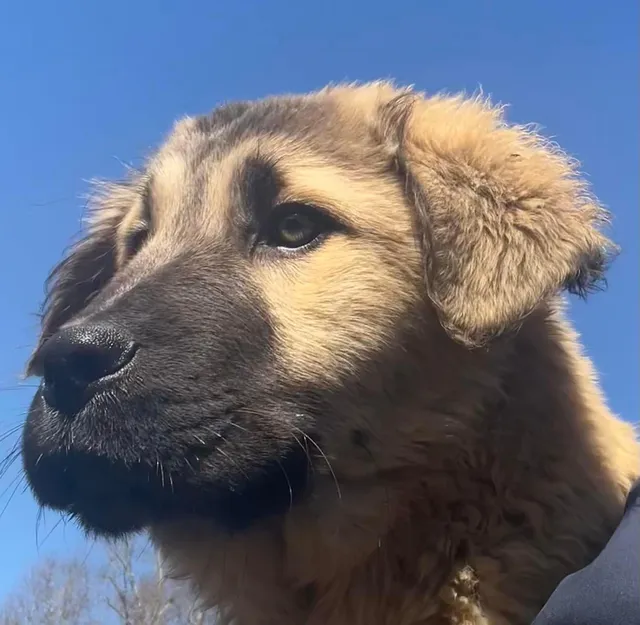
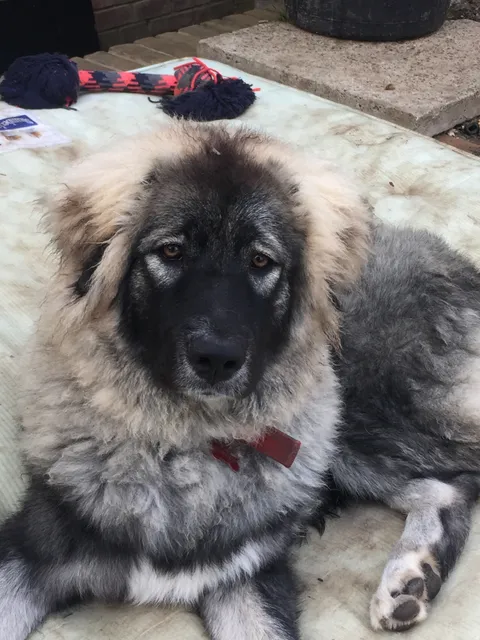
Find Caucasian Shepherd Dog adverts for sale and for adoption on Mypetzilla now.
Caucasian Shepherd Dog FAQs
How big does the Caucasian Shepherd Dog get?
Adults typically stand from 64 cm at the shoulder and weigh from 45 kg.