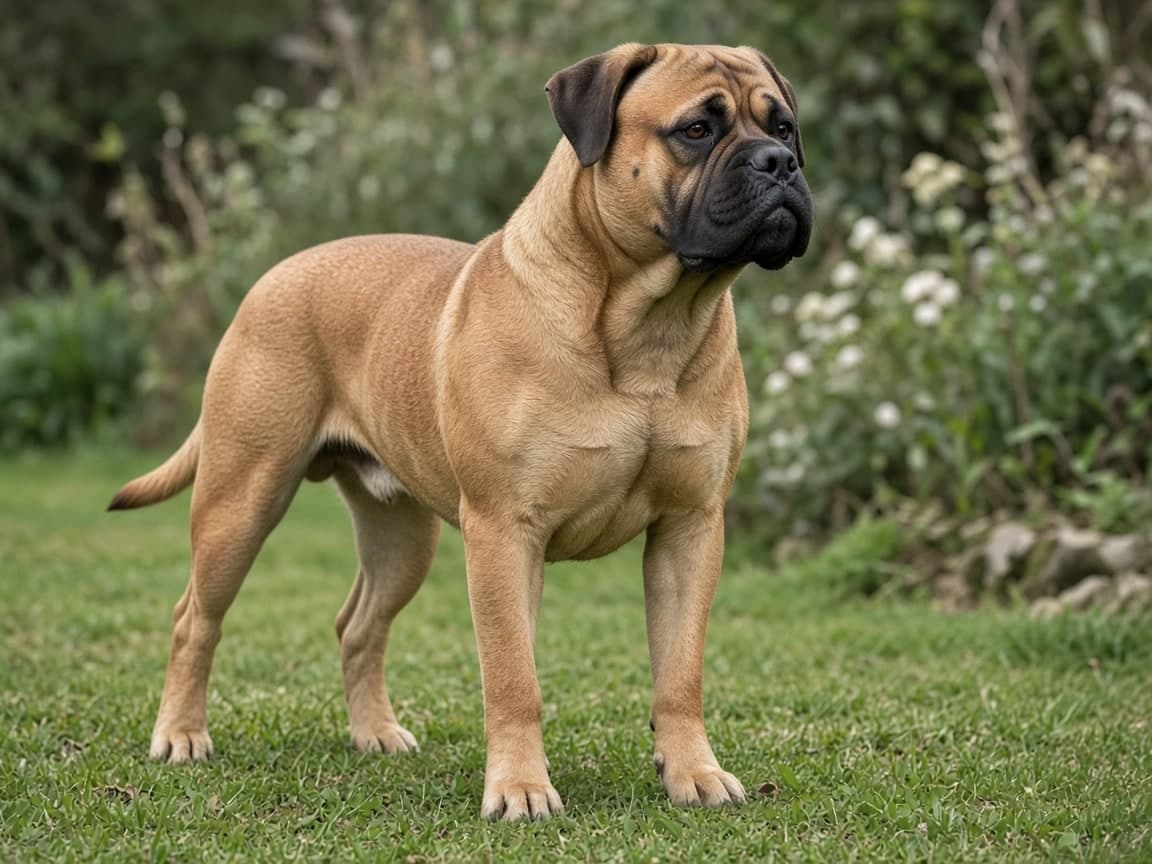
Bullmastif at a glance
- Size
- Large
- Height
- 61–69 cm
- Weight
- 41–59 kg
- Life expectancy
- up to 10 years
Typical for the breed, not a promise about any one dog.
Is the Bullmastif right for you?
Like every breed, the Bullmastif is not the right fit for every home. Based on the breed’s typical traits:
May suit you if…
- You enjoy long walks and an active, outdoor life.
- You would prefer a dog that tends to shed little.
- You would like a coat that is fairly easy to look after.
Consider another breed if…
- The dog would regularly be left alone for long working days.
- You cannot offer well over an hour of exercise every day.
- You live in a flat or a small home.
- You have young children at home.
How would the Bullmastif fit your lifestyle?
Choose a few details for a general, non-guaranteed view.
About the Bullmastif
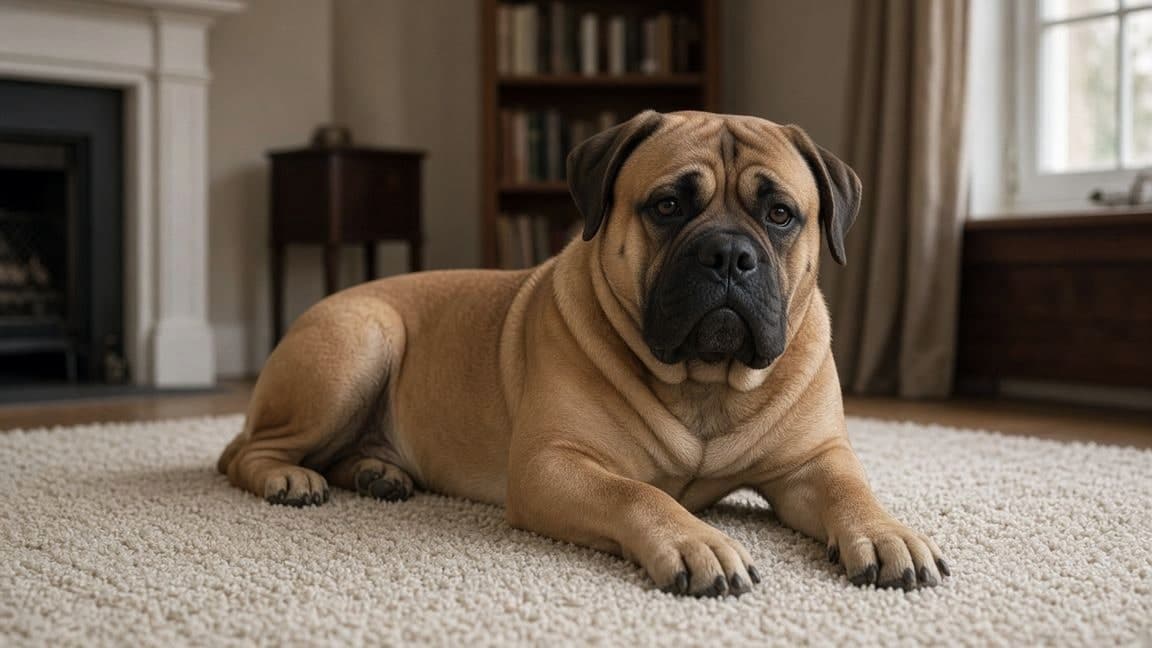
The Bullmastiff is a large, compact and muscular dog with a broad, square head and a short coat. It is courageous and protective, yet usually gentle and affectionate with the people it knows, and is often described as a real softie at home despite its imposing size.
Key characteristics
General breed tendencies, not a prediction for an individual dog.
- Size
Large
A large dog.
- Exercise
Very high
Usually needs several hours of activity or work a day.
- Energy level
Moderate
Moderately energetic, with bursts of play.
- Grooming
Weekly
The coat usually needs brushing about once a week.
- Shedding
Low
Tends to shed little, though every dog sheds some hair.
- Trainability
Independent
Can be independent-minded; patient training helps.
- Good with children
Older children
Usually better with older, calmer children.
- Good with other dogs
Can be selective
Can be selective about other dogs.
- Good with cats
Strong chase instinct
Often has a strong instinct to chase small animals.
- Suits first-time owners
Experienced owners
Best with an experienced owner.
- Barking / vocality
Barks sometimes
May bark at visitors or unfamiliar sounds.
- Time alone
Prefers company
Usually copes only with short periods alone.
This old English breed was developed in the 19th century to help gamekeepers deal with poachers on country estates, and was once known as the Gamekeeper's Night Dog. Its ancestors are the Bulldog and the Old English Mastiff, a mix chosen to give a dog of forbidding size and courage that was still athletic enough to chase down an intruder. Rather than biting, it was trained to catch and hold a poacher until the gamekeeper arrived.
Gamekeepers favoured brindle dogs, which were harder to see at night, but fawn dogs, often with a black mask, are now more common. As the great estates declined, the breed's steady, friendly nature with familiar people helped it find a new role as a family companion.
Bullmastif temperament
Bullmastiffs are typically loyal, loving and devoted to their owners, and love being with the people they know. Their guarding instinct remains strong, though. They are often suspicious of strangers and may only accept new people when someone they trust introduces them, so early socialisation and lifelong management of this protective streak matter.
They tend to bond very closely with their families and can suffer badly from separation anxiety. They are best suited to homes where someone is around for most of the day. Bullmastiffs are not usually known for excessive barking, but they will often alert you to visitors, especially people they do not know.
Size and appearance
This is a large breed. Adults typically stand 61–69 cm at the shoulder and weigh around 41–59 kg, with males generally bigger than females.
The coat is short, hard and weather-resistant. Breed standard colours are brindle, fawn and red, each also seen with a black muzzle.
How much exercise does a Bullmastif need?
The Royal Kennel Club and PDSA both suggest more than two hours of exercise a day, ideally split into several walks with some off-lead time in a secure area. Purina notes that many Bullmastiffs are less keen and that an hour a day plus time pottering in the garden can keep an adult content, so needs vary between individuals.
Exercise should be carefully controlled until at least 12 months old, as too much too young, or jumping and stairs, can harm developing bones and joints. As a heavy breed, they are not built for hard exercise or running, and they need a large, securely fenced garden.
Training a Bullmastif
Bullmastiffs are intelligent and can learn quickly, but they are often headstrong and are unlikely ever to be traditionally obedient. Previous experience with the breed is a real advantage.
- Start positive, reward-based training early and set clear boundaries from a young age.
- Socialise your puppy with lots of different people, dogs and experiences, as the breed can be wary of anything unfamiliar.
- Teach polite lead walking: a dog this strong needs to walk calmly for everyone's safety.
- Consider training classes if you are a first-time owner or new to the breed.
- Remember that the guarding instinct never fully goes, however well socialised the dog is.
Bullmastif grooming
The short coat is low-maintenance. A weekly brush, or a going-over with a grooming mitt, is usually enough to remove dead and loose hair. Bullmastiffs do shed, but not excessively.
Keep the face clean and dry, which may need daily attention, to help prevent skin infections. Be prepared for drool: Bullmastiffs can be big droolers.
Living with a Bullmastif
Bullmastiffs are loyal to their families, but their size, strength and boisterous puppy energy mean they can easily knock young children over. Their protective nature can also lead to misunderstandings during rough games.
They usually suit adult-only homes or families with older children who understand how to behave around dogs. Whatever the breed, dogs and young children should never be left alone together, and an adult should supervise every interaction.
Children
Usually better with older, calmer children.
Other dogs
Can be selective about other dogs.
Cats and small pets
Often has a strong instinct to chase small animals.
Flats and smaller homes
Usually needs a roomy home.
Garden
A secure garden is strongly advised.
Being left alone
Usually copes only with short periods alone.
First-time owners
Best with an experienced owner.
Bullmastif health
Not yet reviewed by a vet. This is general information, not veterinary advice: speak to your vet about your own dog’s health.
Like many purebred dogs, the Bullmastiff is at risk of certain conditions linked to the breed. The Royal Kennel Club recommends hip, elbow and eye testing for breeding dogs. Knowing about these conditions helps you ask the right questions; it does not mean every Bullmastiff will be affected.
Gastric dilatation volvulus (bloat)
The stomach swells and can twist on itself, which can be fatal. Large breeds like the Bullmastiff are at risk, and leaving a gap between eating and exercise is advised.
Hip and elbow dysplasia
The hip or elbow joints do not fit together properly, which leads to arthritis over time. Breeding dogs should be screened under the BVA/KC Hip Dysplasia and Elbow Dysplasia Schemes.
Breathing problems (BOAS)
The Bullmastiff's shorter face puts it at risk of brachycephalic obstructive airway syndrome, which can cause noisy breathing, reduced ability to exercise and, in severe cases, respiratory distress.
Skin fold problems
Folds of skin around the face can trap warmth and moisture, which can lead to soreness and infection.
Eyelid and eye problems
Entropion and ectropion, where the eyelid rolls inwards or outwards, can irritate the eye. Eye ulcers and persistent pupillary membrane, where membranes left over from development remain across the eye, are also seen. Eye testing under the BVA/KC/ISDS Eye Scheme is recommended before breeding.
Cancers
Certain cancers, including lymphoma, a cancer of cells in the immune system, can affect the breed.
Cruciate disease
Damage to the ligaments in the knee, which can cause pain and limping.
What health checks should you ask about?
Responsible breeders and rescues are happy to talk about health, and any pressure to decide quickly is a reason to walk away. Before taking a Bullmastif home, it is reasonable to ask about:
- Health testing of the parents. Ask which health tests the parents have had for conditions known in the breed, and to see the results.
- Veterinary and vaccination records. Puppies should have had a first vaccination and a vet check, with records you can take home.
- Microchip information. In England, Scotland and Wales puppies must be microchipped and registered by eight weeks old. Ask who the chip is registered to and how the transfer works.
- Registration paperwork. Registration papers, where they apply, record pedigree. They do not by themselves prove health or how a puppy was raised.
How much does a Bullmastif cost to own?
There are two costs: bringing a Bullmastif home, and looking after one well. Puppy prices depend on the breeder, health testing and demand; the adverts below show what sellers are asking today.
Ongoing costs are the ones new owners most often underestimate: food, insurance (which usually rises with age), routine vet care, vaccinations and parasite treatment, dental care, grooming, training, bedding and equipment, and boarding or a sitter for holidays. Budget for the whole of the dog’s life, typically up to 10 years, not just the first year.
Buying a Bullmastif
If you have decided the Bullmastif suits your life, take the same care choosing where your dog comes from. Meet the puppy in person, see it with its mother, and look at how the litter is raised.
- Check who you are dealing with: every Mypetzilla advert shows the seller type and what we have checked.
- Ask about health testing, vaccinations and the microchip before you commit.
- Take your time. Do not be rushed by deposits or "last one left" stories.
- Meet in person before paying anything, and keep conversations on Mypetzilla.
Adopting a Bullmastif
Bullmastifs do come up for adoption, through rescue organisations, breed rescues and private rehoming, often because an owner’s circumstances have changed rather than any fault of the dog. An adult dog arrives as a known quantity: its size, coat and character are already on show.
Rescues will usually talk you through the dog’s history, any medical care, and the home it needs, including children, other animals and time alone. Be honest about your circumstances: a good rescue would rather place a dog once, well.
Bullmastifs looking for homes
Live from Mypetzilla, updated as pets are listed.
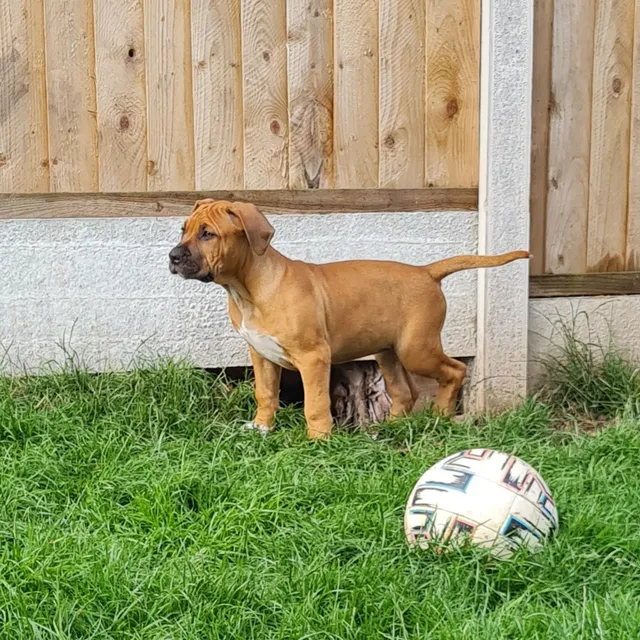
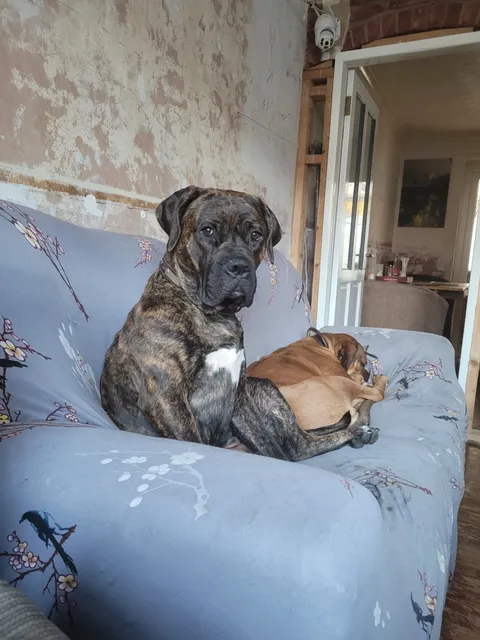
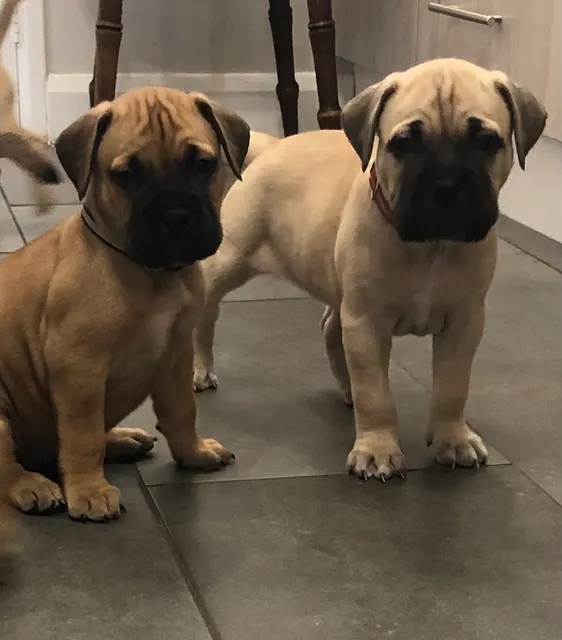
Find Bullmastif adverts for sale and for adoption on Mypetzilla now.
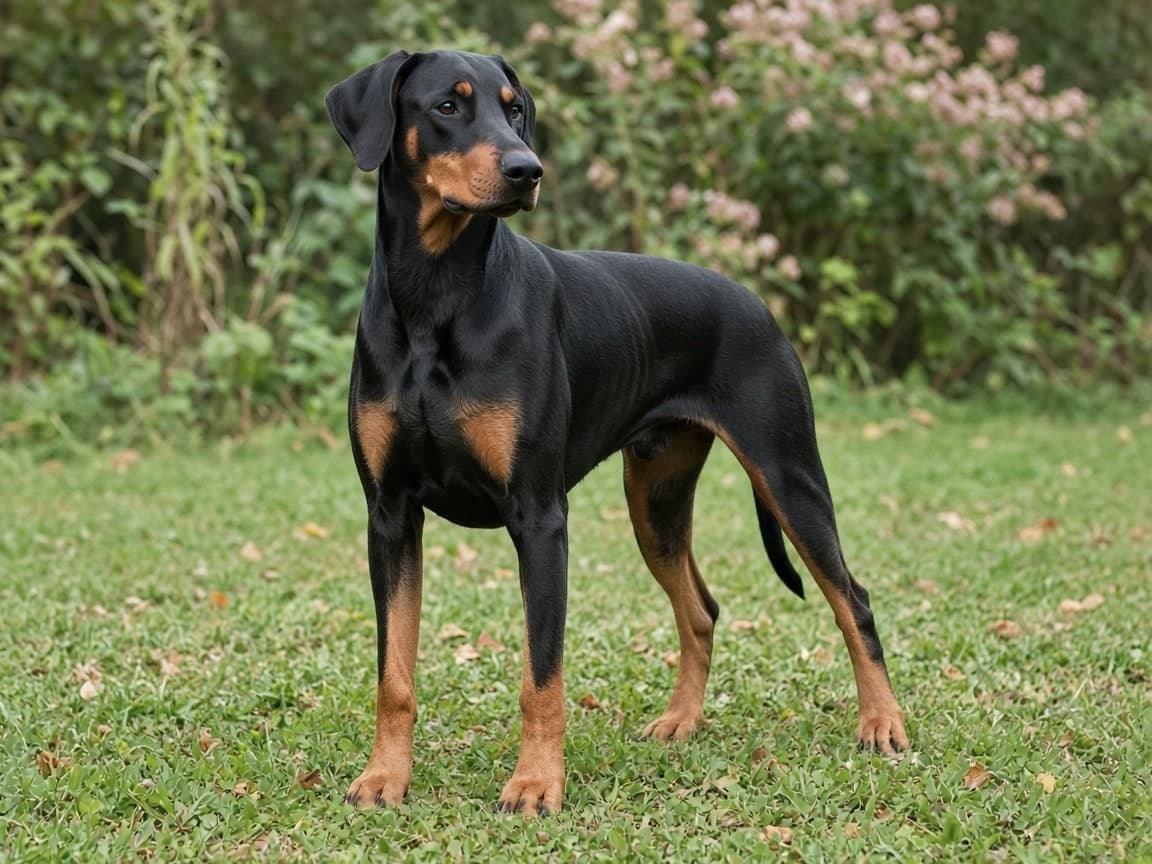
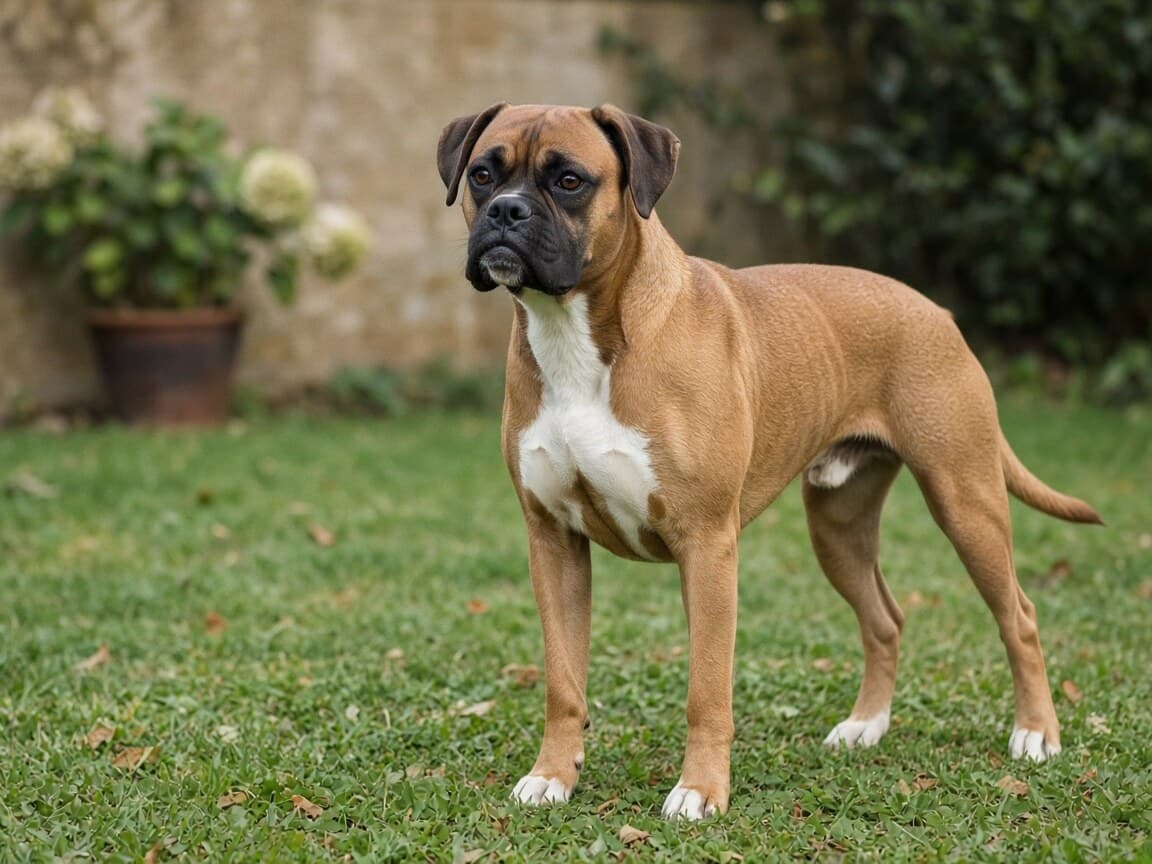
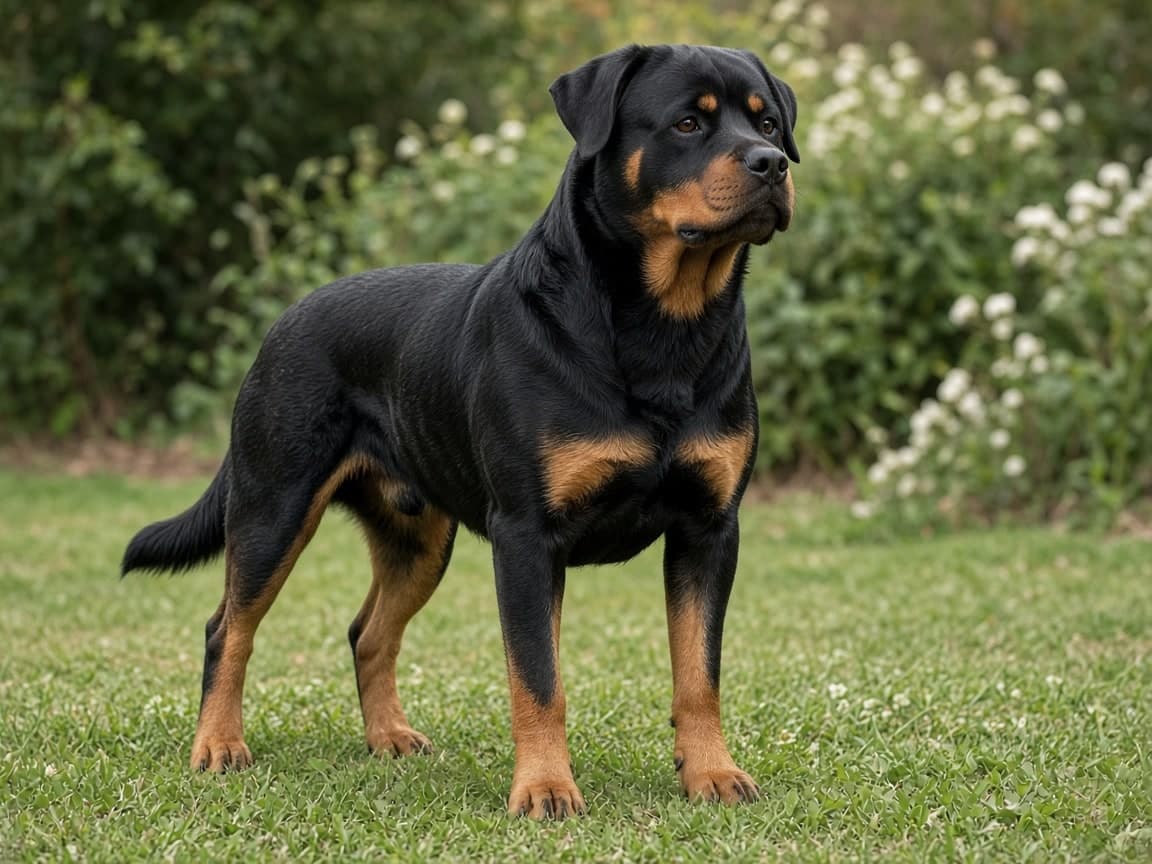
Similar breeds you may want to consider
Bullmastif FAQs
Is the Bullmastif good with children?
Usually better with older, calmer children. Individual dogs vary with breeding, upbringing and health, so ask about the dog you are considering.
Can the Bullmastif live in a flat?
Usually needs a roomy home. Exercise and company matter more than floor space.
How much exercise does the Bullmastif need?
Very high: usually needs several hours of activity or work each day. Puppies and older dogs need less structured exercise.
Does the Bullmastif shed?
Tends to shed little.
How much grooming does the Bullmastif need?
Typically: about once a week.
Is the Bullmastif easy to train?
Can be independent-minded; patient training helps. Kind, reward-based training works best.
Can the Bullmastif be left alone?
Usually copes only with short periods alone. Build up time alone gradually.
Does the Bullmastif bark a lot?
Barks sometimes. Individual dogs vary with breeding, upbringing and health, so ask about the dog you are considering.
Is the Bullmastif good with cats?
Often has a strong instinct to chase small animals. Individual dogs vary with breeding, upbringing and health, so ask about the dog you are considering.
How long does the Bullmastif live?
Typically up to 10 years. Lifespan varies with genetics, weight, care and luck.
How big does the Bullmastif get?
Adults typically stand 61–69 cm at the shoulder and weigh 41–59 kg.