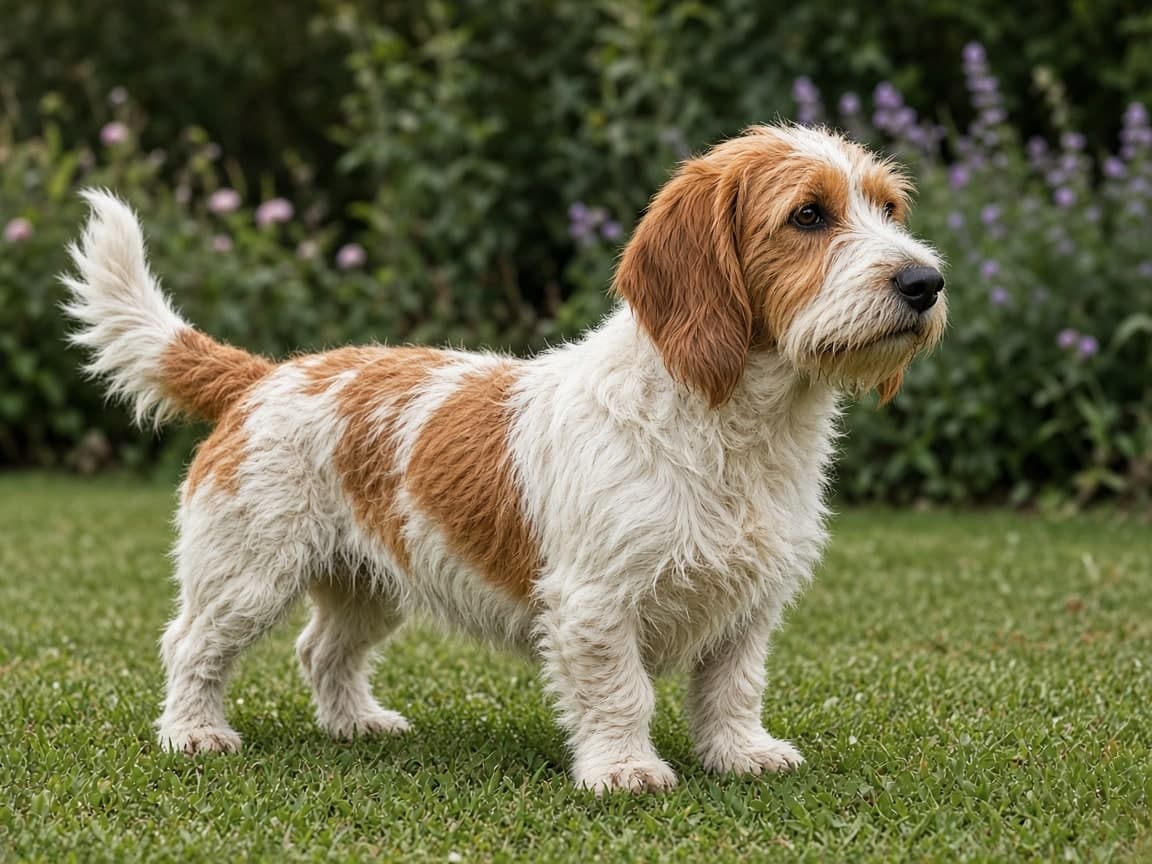
Basset Griffon Vendeen at a glance
- Size
- Medium
- Height
- 34–38 cm
- Weight
- 15–20 kg
- Life expectancy
- from 10 years
Typical for the breed, not a promise about any one dog.
Is the Basset Griffon Vendeen right for you?
Like every breed, the Basset Griffon Vendeen is not the right fit for every home. Based on the breed’s typical traits:
May suit you if…
- You have children and can supervise them with the dog.
- You can give around an hour of exercise a day.
- You have, or would like, another dog.
Consider another breed if…
- The dog would regularly be left alone for long working days.
- You live in a flat or a small home.
- You cannot commit to brushing several times a week.
- You would find a lot of dog hair hard to live with.
How would the Basset Griffon Vendeen fit your lifestyle?
Choose a few details for a general, non-guaranteed view.
About the Basset Griffon Vendeen
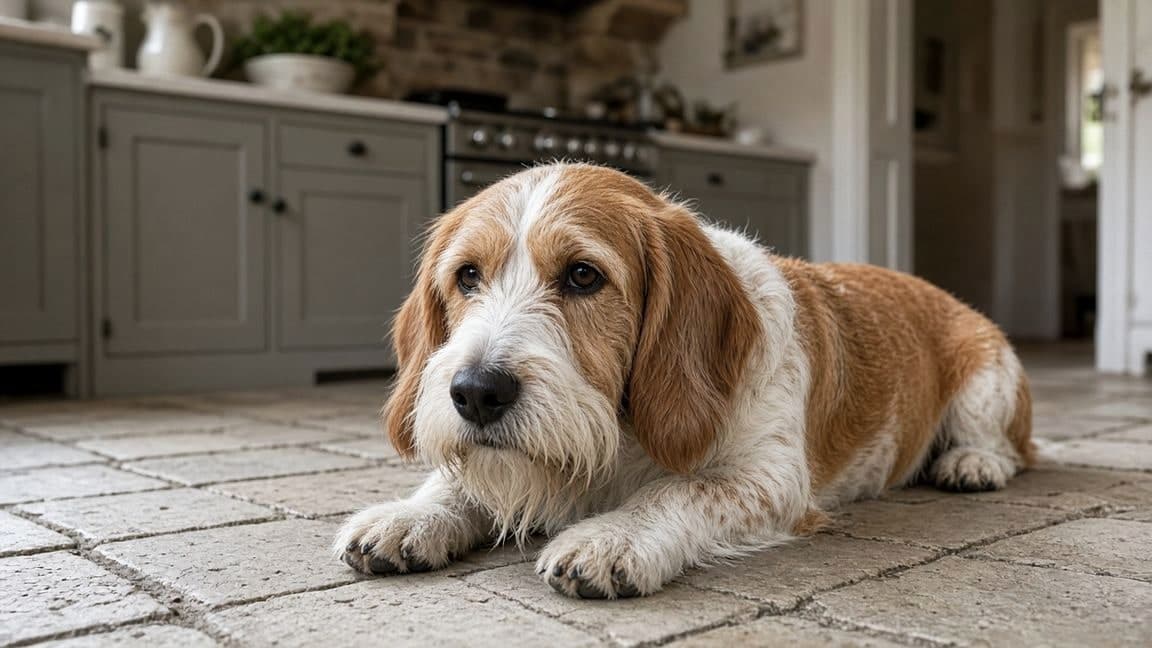
The Petit Basset Griffon Vendeen, often shortened to PBGV, is a strong, deep-chested scent hound with the typical basset shape: longer than it is tall and low to the ground. It has a crisp, rough coat and a smart but rustic look, and is usually a fun, extrovert dog that enjoys company. This guide covers the Petit; the Royal Kennel Club recognises the larger Grand Basset Griffon Vendeen as a separate breed.
Key characteristics
General breed tendencies, not a prediction for an individual dog.
- Size
Medium
A mid-sized dog.
- Exercise
Moderate
Typically around an hour of exercise a day.
- Energy level
Lively
A lively dog that enjoys being busy.
- Grooming
Moderate
The coat usually needs brushing several times a week.
- Shedding
High
Tends to shed a lot, so expect hair around the home.
- Trainability
Independent
Can be independent-minded; patient training helps.
- Good with children
Often good
Often good with children, with supervision.
- Good with other dogs
Usually sociable
Usually sociable with other dogs.
- Good with cats
Varies
Varies with the individual dog.
- Suits first-time owners
Some experience helps
Some dog experience helps.
- Barking / vocality
Can be vocal
Often quick to bark at visitors or unusual sounds.
- Time alone
Prefers company
Usually copes only with short periods alone.
The breed can be traced back to the 16th century in the Vendée region of western France; "griffon" means wire-haired. The Petit and the Grand originally appeared in the same litters and were sorted by size, until they became separate breeds in the 1970s. These hounds hunted wild boar, rabbit and hare, alone or in packs, in rough country where hunting was done on foot. Since arriving in the UK the PBGV has gained much popularity.
Basset Griffon Vendeen temperament
PBGVs are typically happy, curious, alert and intelligent dogs that are willing to please and affectionate with their family. Like most hounds they can also be independent, headstrong and bold, so they need an owner with patience, tolerance and a sense of humour. Under all this they are often sensitive dogs.
They usually get on well with people, including strangers, and as pack hounds tend to be happy with other dogs. Purina describes them as chatty and talkative, while the breed club says most only bark when they have a reason to. Bored or lonely PBGVs may find their own entertainment, so they are best left only for short periods once trained.
Size and appearance
PBGVs are small to medium hounds. Adults typically stand 34–38 cm at the shoulder and weigh around 15–20 kg.
The weather-resistant coat has a thick undercoat and a rough, harsh, medium-length topcoat. Breed standard colours include white with lemon, orange, sable or grizzle markings, as well as tricolour.
How much exercise does a Basset Griffon Vendeen need?
Around an hour of exercise a day is usually needed, and many will happily do more, along with play and scent games. Their hunting instinct is still strong: once they find a scent they tend to follow it and stop listening. Exercise them in a safe, secure area or on a harness and long line.
They need a good-sized, well-fenced garden; the breed club suggests a fence about 2 metres high, as some dig. Because of their short legs, puppies should be exercised sparingly in their first few months while bones and joints are forming.
Training a Basset Griffon Vendeen
PBGVs can reach a surprisingly good level of obedience with a patient, consistent trainer, although they rate low for ease of training and can be headstrong. With time and understanding they are not hard to train, and their wish to please helps.
- Use reward-based training, with short lessons and tasty treats.
- Put a focus on recall, but do not rely on it in open countryside.
- Start with house training and basic manners.
- Offer safe toys and things to chew to prevent boredom, and a crate as a secure resting place.
Basset Griffon Vendeen grooming
The coat needs brushing at least weekly to remove loose and dead hair, plus daily checks for debris. It should stay natural and rustic rather than heavily trimmed. Ears need regular cleaning, nails need clipping and teeth need regular care. The breed sheds quite a lot.
Living with a Basset Griffon Vendeen
For an active family that can give them enough exercise, and can be relied on to keep doors and gates shut, PBGVs can make a fantastic family dog. They are usually good with children. Do not let children poke a sleeping dog or tease it. Whatever the breed, dogs and young children should never be left alone together, and an adult should supervise every interaction.
PBGVs should not be trusted with small pets. They can live with their own cats with care but may not be reliable with unfamiliar cats.
Children
Often good with children, with supervision.
Other dogs
Usually sociable with other dogs.
Cats and small pets
Varies with the individual dog.
Flats and smaller homes
Usually happier in a house.
Garden
A secure garden is strongly advised.
Being left alone
Usually copes only with short periods alone.
First-time owners
Some dog experience helps.
Basset Griffon Vendeen health
Not yet reviewed by a vet. This is general information, not veterinary advice: speak to your vet about your own dog’s health.
Overall, PBGVs are considered robust and generally healthy hounds, but some conditions are recognised in the breed. Knowing about them helps you ask the right questions; it does not mean every PBGV will be affected.
Primary open angle glaucoma (POAG)
A painful condition in which pressure builds up inside the eye. A DNA test (POAG-5) is available, and the Royal Kennel Club strongly recommends it and eye testing under the BVA/KC/ISDS Eye Scheme before breeding.
Epilepsy
A condition in which abnormal brain activity causes seizures. The breed club monitors epilepsy in the breed.
Intervertebral disc disease
The discs that cushion the spine can slip or burst, pressing on the spinal cord and causing back pain, weakness or paralysis. Long-backed, short-legged breeds are more prone to it.
Angular limb deformities
Bones that grow unevenly can look bowed or twisted and may cause pain and lameness.
Ear infections
The breed can be prone to ear infections.
Other conditions
The breed club has also had reports of juvenile pain syndrome, heart murmurs and some eye conditions in BGVs. Ask breeders for DNA and eye test results for both parents.
What health checks should you ask about?
Responsible breeders and rescues are happy to talk about health, and any pressure to decide quickly is a reason to walk away. Before taking a Basset Griffon Vendeen home, it is reasonable to ask about:
- Health testing of the parents. Ask which health tests the parents have had for conditions known in the breed, and to see the results.
- Veterinary and vaccination records. Puppies should have had a first vaccination and a vet check, with records you can take home.
- Microchip information. In England, Scotland and Wales puppies must be microchipped and registered by eight weeks old. Ask who the chip is registered to and how the transfer works.
- Registration paperwork. Registration papers, where they apply, record pedigree. They do not by themselves prove health or how a puppy was raised.
How much does a Basset Griffon Vendeen cost to own?
There are two costs: bringing a Basset Griffon Vendeen home, and looking after one well. Puppy prices depend on the breeder, health testing and demand; the adverts below show what sellers are asking today.
Ongoing costs are the ones new owners most often underestimate: food, insurance (which usually rises with age), routine vet care, vaccinations and parasite treatment, dental care, grooming, training, bedding and equipment, and boarding or a sitter for holidays. Budget for the whole of the dog’s life, typically from 10 years, not just the first year.
Buying a Basset Griffon Vendeen
If you have decided the Basset Griffon Vendeen suits your life, take the same care choosing where your dog comes from. Meet the puppy in person, see it with its mother, and look at how the litter is raised.
- Check who you are dealing with: every Mypetzilla advert shows the seller type and what we have checked.
- Ask about health testing, vaccinations and the microchip before you commit.
- Take your time. Do not be rushed by deposits or "last one left" stories.
- Meet in person before paying anything, and keep conversations on Mypetzilla.
Adopting a Basset Griffon Vendeen
Basset Griffon Vendeens do come up for adoption, through rescue organisations, breed rescues and private rehoming, often because an owner’s circumstances have changed rather than any fault of the dog. An adult dog arrives as a known quantity: its size, coat and character are already on show.
Rescues will usually talk you through the dog’s history, any medical care, and the home it needs, including children, other animals and time alone. Be honest about your circumstances: a good rescue would rather place a dog once, well.
Basset Griffon Vendeens looking for homes
Live from Mypetzilla, updated as pets are listed.
There are no Basset Griffon Vendeen adverts at the moment.
Find Basset Griffon Vendeen adverts for sale and for adoption on Mypetzilla now.
Similar breeds you may want to consider
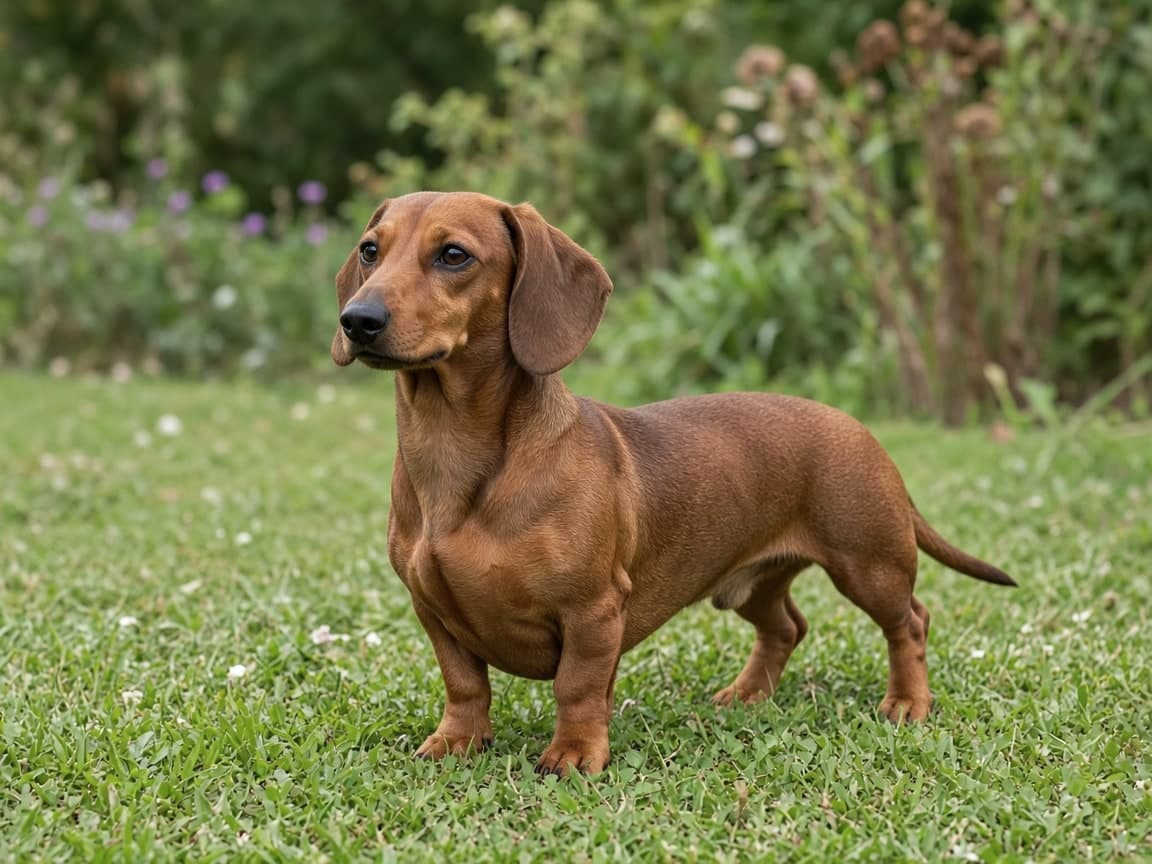
Dachshund
Affectionate, playful, loyal, clever, bold, courageous, lively and independent.
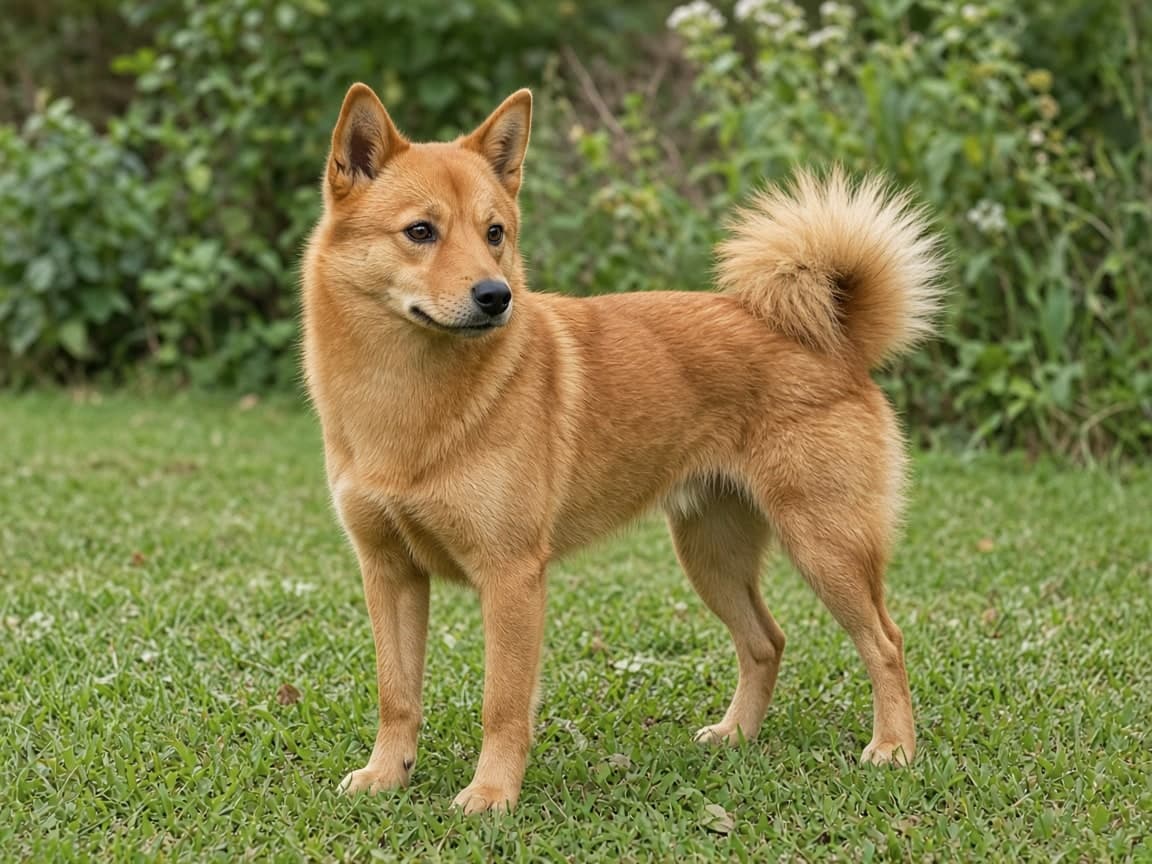
View breed guideNorwegian Elkhound
Athletic, sociable, confident, proud, energetic, independent, clever and tenacious.
View breed guide
Basset Griffon Vendeen FAQs
Is the Basset Griffon Vendeen good with children?
Often good with children, with supervision. Individual dogs vary with breeding, upbringing and health, so ask about the dog you are considering.
Can the Basset Griffon Vendeen live in a flat?
Usually happier in a house. Exercise and company matter more than floor space.
How much exercise does the Basset Griffon Vendeen need?
Moderate: typically around an hour a day. Puppies and older dogs need less structured exercise.
Does the Basset Griffon Vendeen shed?
Tends to shed a lot.
How much grooming does the Basset Griffon Vendeen need?
Typically: several times a week.
Is the Basset Griffon Vendeen easy to train?
Can be independent-minded; patient training helps. Kind, reward-based training works best.
Can the Basset Griffon Vendeen be left alone?
Usually copes only with short periods alone. Build up time alone gradually.
Does the Basset Griffon Vendeen bark a lot?
Can be vocal. Individual dogs vary with breeding, upbringing and health, so ask about the dog you are considering.
Is the Basset Griffon Vendeen good with cats?
Varies with the individual dog. Individual dogs vary with breeding, upbringing and health, so ask about the dog you are considering.
How long does the Basset Griffon Vendeen live?
Typically from 10 years. Lifespan varies with genetics, weight, care and luck.
How big does the Basset Griffon Vendeen get?
Adults typically stand 34–38 cm at the shoulder and weigh 15–20 kg.