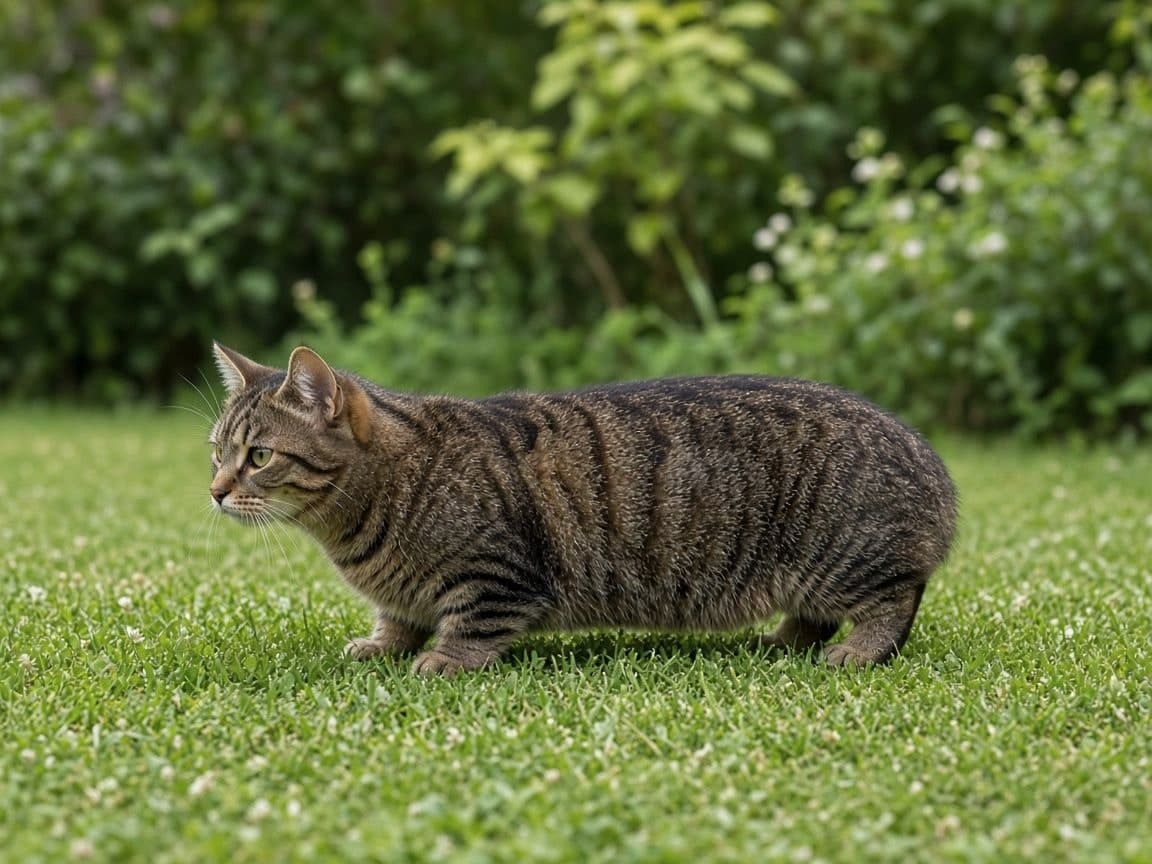
Munchkin at a glance
- Size
- Medium
- Weight
- 2.3–4 kg
- Life expectancy
- 12–15 years
Typical for the breed, not a promise about any one cat. Not assessed yet: Coat, Other cats.
Is the Munchkin right for you?
Like every breed, the Munchkin is not the right fit for every home. Based on the breed’s typical traits:
May suit you if…
- You would like an indoor cat: the breed is often content indoors.
- You have a calm, cat-friendly dog and can introduce them slowly.
- You would enjoy an active, playful cat and have time to play every day.
- You would like a coat that is fairly easy to look after.
Consider another breed if…
- You have young children at home.
How would the Munchkin fit your lifestyle?
Choose a few details for a general, non-guaranteed view.
About the Munchkin
The Munchkin is a medium-sized cat of moderate build with a thick, plush coat, best known for its very short legs, which give it a long, low outline. Apart from its legs, it is in many ways like any domestic cat: typically curious, intelligent, friendly and playful. There are shorthaired and longhaired varieties in all colours and patterns.
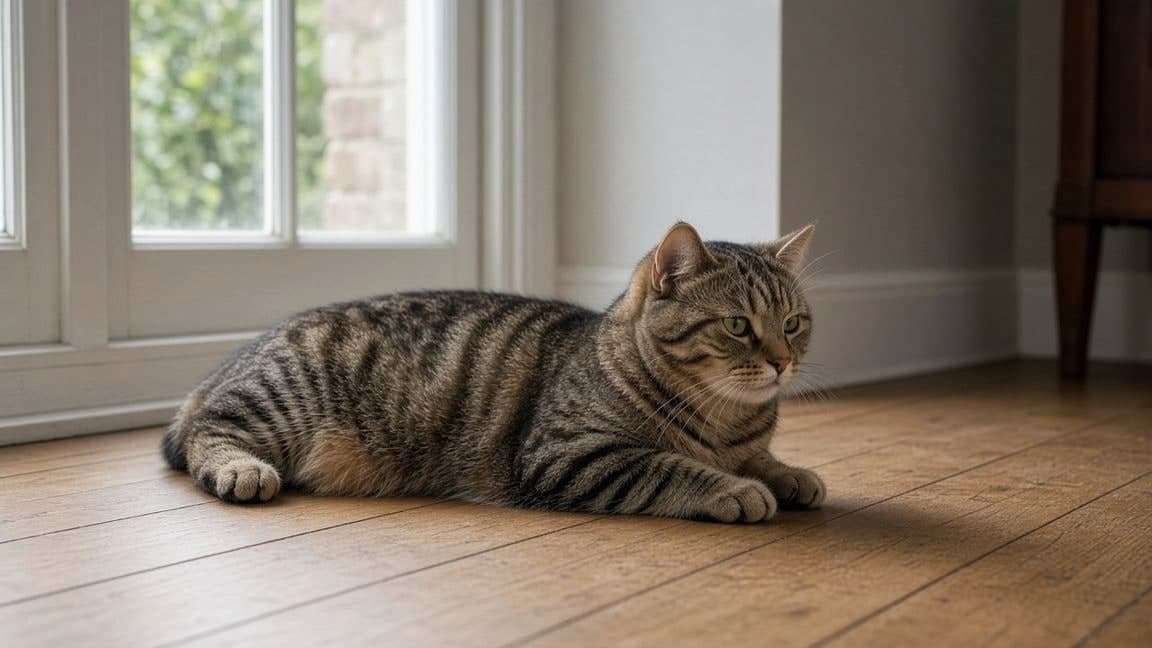
Key characteristics
General breed tendencies, not a prediction for an individual cat.
- Size
Medium
A mid-sized cat.
- Coat length
Not assessed yet
Our sources do not say enough yet.
- Activity level
Lively
Lively and playful; needs daily play.
- Grooming
Weekly
The coat usually needs brushing about once a week.
- Shedding
Moderate
Sheds a moderate amount, varying by cat and season.
- Vocal
Talks sometimes
Will talk to you, but is not usually loud.
- Good with children
Older children
Usually better with older, calmer children.
- Good with other cats
Not assessed yet
Our sources do not say enough yet.
- Good with dogs
Often fine
Often gets on with a cat-friendly dog.
- Suits first-time owners
Some experience helps
Some cat experience helps.
- Time alone
A few hours
Usually copes with a few hours alone.
- Indoors and outdoors
Happy indoors
Often content as an indoor cat, with enrichment.
The short legs are caused by a genetic mutation that stops the long bones of the legs growing normally. Short-legged cats had been reported a number of times since the 1940s, but the breed began in the United States in 1983, when a short-legged female was found and her kittens were kept and bred from. The American registry TICA accepted the breed in 1994 and gave it championship status in 2003.
The breed is controversial, and few cat registries recognise it. The GCCF, the main UK registry, does not recognise the Munchkin and says it has no intention of recognising it or any other dwarf breed. It strongly discourages anyone from owning or breeding cats whose body structure has been altered by mutations in ways that could impair their welfare. International Cat Care says breeding for chondrodystrophy, the kind of short-limbed body shape seen in the Munchkin, should be actively discouraged, because extreme body shapes can impair function, raise the risk of disease and harm quality of life. Purina describes the short legs as a deformity that makes Munchkins prone to arthritis, and the welfare charity UFAW recommends that cats with the condition are not used for breeding.
TICA takes a different view. It says the spine is unaffected, that the short legs do not hamper mobility, and that Munchkins are not prone to arthritis. The welfare bodies above do not share that view.
Munchkin temperament
Munchkins are usually curious, intelligent, friendly and playful, and may enjoy being handled and sitting on a lap more than some cats. They still like to use their hunting instincts by chasing toys.
TICA describes them as very sociable and outgoing, and notes that many like to take and hide small objects. Purina describes the Munchkin as a slightly talkative cat that does best in a calm home.
Size and appearance
The Munchkin is a medium-sized cat, and Purina gives an adult weight range of about 2.3 to 4 kg. Despite a common belief, Munchkins do not stay kitten-sized: the body is of average size and only the legs are short.
The shorthair has a medium-length, plush coat, and the longhair a semi-long, silky coat. Munchkins come in many colours and patterns.
How active is the Munchkin?
Munchkins are typically lively and enjoy running, chasing and hunting games with toys on strings or food-dispensing toys. Their legs affect how they move, with a wriggling, rolling motion, and Munchkins can find jumping hard, although many can jump. Purina warns that the length of their back compared with their legs makes back injuries more of a risk than in other cats. It recommends discouraging risky jumps and providing steps and ramps up to high places rather than climbing trees.
Munchkin grooming
Munchkins may struggle to reach some parts of their body when grooming themselves, so they need help. Purina suggests grooming a shorthaired Munchkin once or twice a week, and a long-coated Munchkin every day. Shedding is moderate.
Indoors and outdoors
Purina describes the Munchkin as strictly an indoor cat that is not equipped for life outdoors, and recommends keeping it indoors or giving it a secure cat run attached to the house. International Cat Care cautions that keeping physically vulnerable cats indoors to protect them can bring its own welfare problems, such as stress, and should not be used to justify breeding for these traits.
The home needs to be designed around a cat that may not be able to jump and whose back is easily damaged. Purina says the Munchkin can be left for a few hours, but suits owners who are at home much of the time.
Living with a Munchkin
Purina says the Munchkin is not ideal for family homes and needs a calm home without very young or boisterous children, partly because its back is easily damaged. TICA, which promotes the breed, describes it as a good choice for families with children.
Whatever the breed, young children should be supervised around cats and shown how to stroke them gently and let them walk away.
Children
Usually better with older, calmer children.
Dogs
Often gets on with a cat-friendly dog.
Indoors and outdoors
Often content as an indoor cat.
Being left alone
Usually copes with a few hours alone.
First-time owners
Some cat experience helps.
Other cats and pets
TICA says Munchkins usually enjoy company, including dogs and other pets.
Munchkin health
Not yet reviewed by a vet. This is general information, not veterinary advice: speak to your vet about your own cat’s health.
The Munchkin's defining short legs are themselves the main health and welfare concern. UFAW says every Munchkin is affected by the limb abnormality, and that its full effect on welfare has not yet been studied scientifically.
Short legs and mobility
UFAW says the short legs limit the cat's ability to jump and to move and behave like other cats, and that the disability is present from birth, although cats can adapt to it to some extent.
Arthritis and joint disease
Purina says Munchkins are prone to arthritis. UFAW explains that the abnormal limbs may put unusual stresses and loads on the joints, which can lead to painful osteoarthritis. TICA disputes this.
Back injuries
Purina warns that the long back relative to the short legs makes back injuries more likely than in a cat of normal build.
Kittens lost before birth
UFAW says the gene is thought to be lethal when a kitten inherits two copies, so some kittens born to two Munchkin parents die before birth.
What health checks should you ask about?
Responsible breeders and rescues are happy to talk about health, and any pressure to decide quickly is a reason to walk away. Before taking a Munchkin home, it is reasonable to ask about:
- Health testing of the parents. Ask which health tests the parents have had for conditions known in the breed, and to see the results.
- Veterinary and vaccination records. Kittens should have had a first vaccination and a vet check, with records you can take home.
- Microchip information. In England, cats must be microchipped and registered by 20 weeks old. Ask who the chip is registered to and how the transfer works.
- Registration paperwork. Registration papers, where they apply, record pedigree. They do not by themselves prove health or how a kitten was raised.
How much does a Munchkin cost to own?
There are two costs: bringing a Munchkin home, and looking after one well. Kitten prices depend on the breeder, health testing and demand; the adverts below show what sellers are asking today.
Ongoing costs are the ones new owners most often underestimate: food, insurance (which usually rises with age), routine vet care, vaccinations and parasite treatment, dental care, grooming, litter, scratching posts and toys, and a cattery or a sitter for holidays. Budget for the whole of the cat’s life, typically 12–15 years, not just the first year.
Buying a Munchkin
If you have decided the Munchkin suits your life, take the same care choosing where your cat comes from. Meet the kitten in person, see it with its mother, and look at how the litter is raised.
- Check who you are dealing with: every Mypetzilla advert shows the seller type and what we have checked.
- Ask about health testing, vaccinations and the microchip before you commit.
- Take your time. Do not be rushed by deposits or "last one left" stories.
- Meet in person before paying anything, and keep conversations on Mypetzilla.
Adopting a Munchkin
Munchkins do come up for adoption, through rescue organisations, breed rescues and private rehoming, often because an owner’s circumstances have changed rather than any fault of the cat. An adult cat arrives as a known quantity: its size, coat and character are already on show.
Rescues will usually talk you through the cat’s history, any medical care, and the home it needs, including children, other animals and time alone. Be honest about your circumstances: a good rescue would rather place a cat once, well.
Munchkins looking for homes
Live from Mypetzilla, updated as pets are listed.
Find Munchkin adverts for sale and for adoption on Mypetzilla now.
Similar breeds you may want to consider
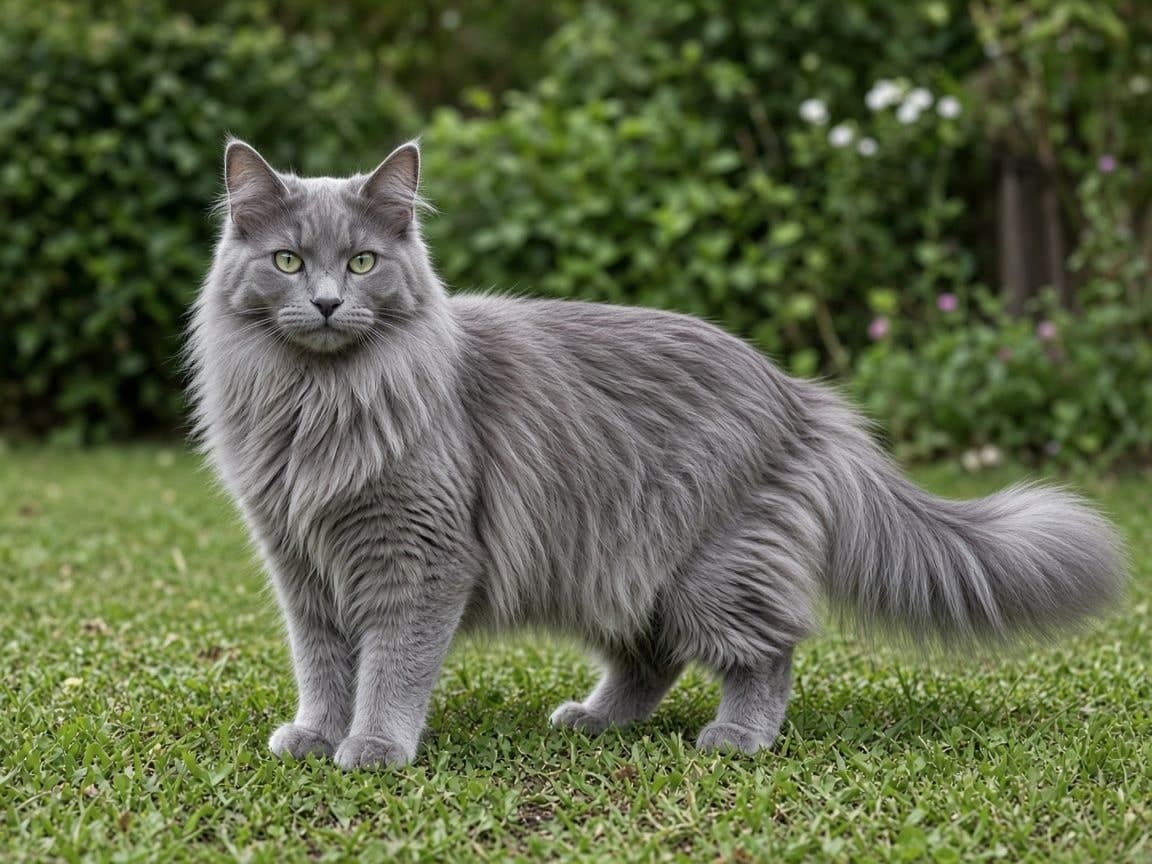
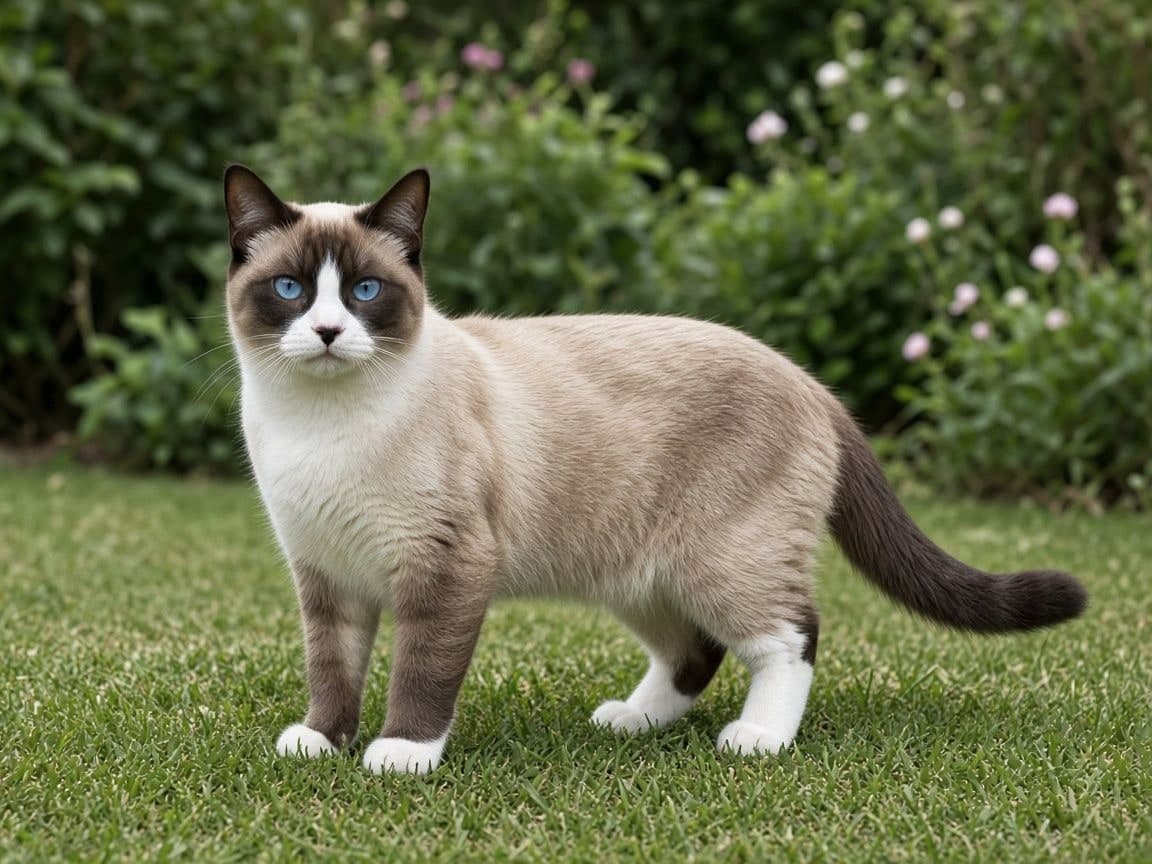
Munchkin FAQs
Is the Munchkin good with children?
Usually better with older, calmer children. Individual cats vary with breeding, upbringing and health, so ask about the cat you are considering.
Can the Munchkin be an indoor cat?
Often content as an indoor cat. Indoor cats need daily play, places to climb and scratch, and a window to watch from.
How active is the Munchkin?
Lively and playful. Short play sessions every day help any cat stay fit and settled.
Does the Munchkin shed?
Moderate shedding.
How much grooming does the Munchkin need?
Typically: about once a week.
Can the Munchkin be left alone?
Usually copes with a few hours alone. Every cat needs company, play and someone to check on it each day.
Is the Munchkin a talkative cat?
Talks sometimes. Individual cats vary with breeding, upbringing and health, so ask about the cat you are considering.
Is the Munchkin good with dogs?
Often gets on with a cat-friendly dog. Individual cats vary with breeding, upbringing and health, so ask about the cat you are considering.
How long does the Munchkin live?
Typically 12–15 years. Lifespan varies with genetics, weight, care and luck.
How big does the Munchkin get?
Adults typically weigh 2.3–4 kg.