LaPerm at a glance
- Size
- Medium
- Weight
- 2.3–3.6 kg
- Life expectancy
- 12–15 years
Typical for the breed, not a promise about any one cat. Not assessed yet: Coat, Indoors and outdoors, Owner experience.
Is the LaPerm right for you?
Like every breed, the LaPerm is not the right fit for every home. Based on the breed’s typical traits:
May suit you if…
- You have children and can supervise them with the cat.
- You have, or would like, another cat.
- You have a calm, cat-friendly dog and can introduce them slowly.
- You would enjoy an active, playful cat and have time to play every day.
Consider another breed if…
- The cat would regularly be alone for long working days.
How would the LaPerm fit your lifestyle?
Choose a few details for a general, non-guaranteed view.
About the LaPerm
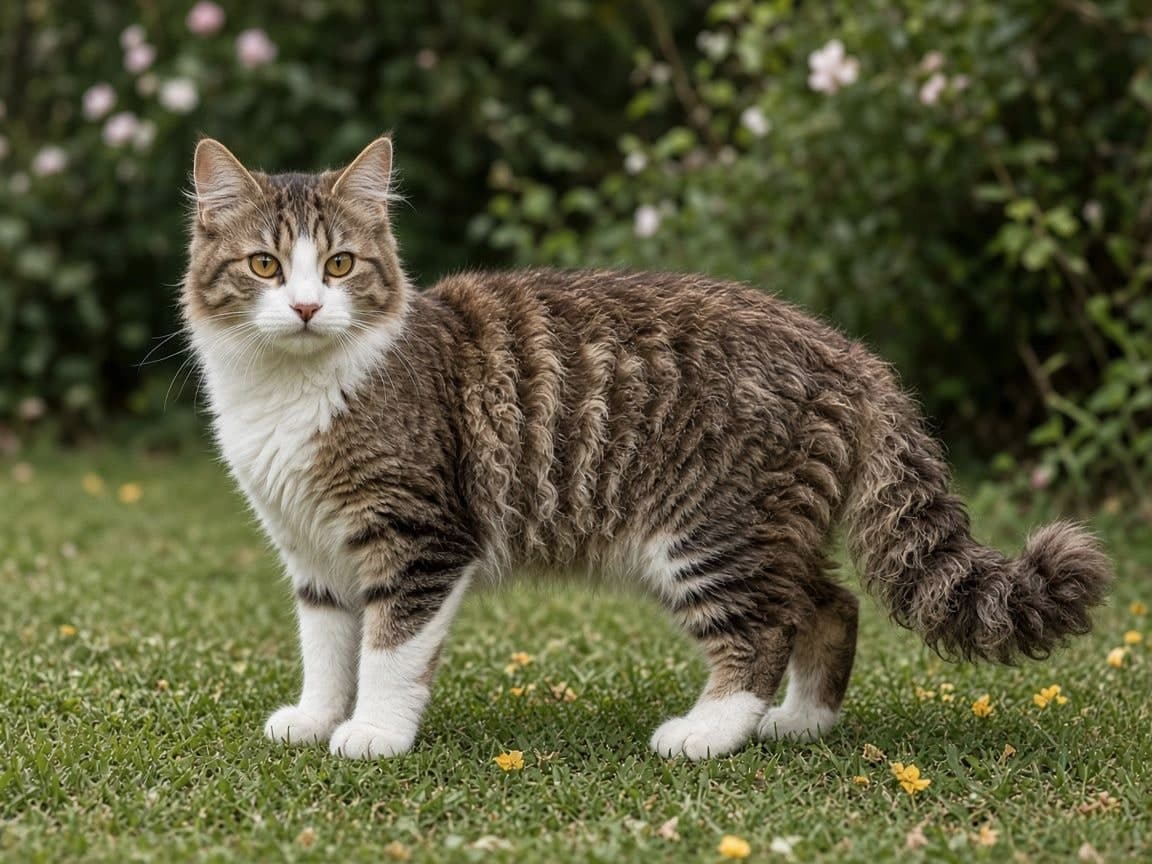
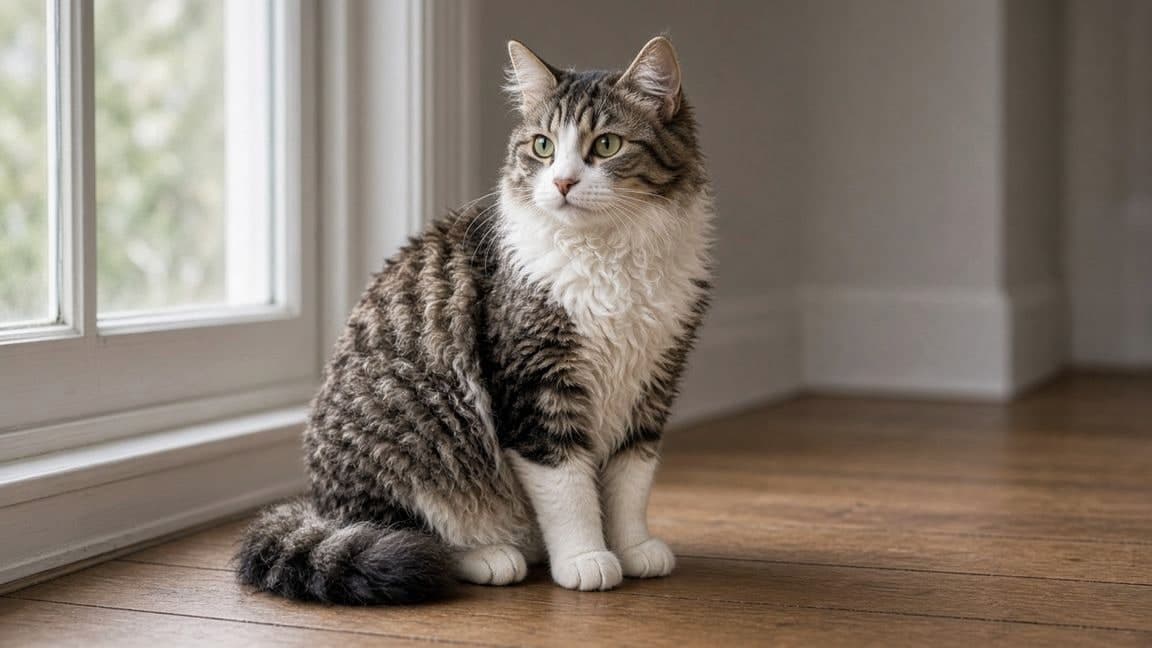
The LaPerm is a curly-coated cat with an elegant, athletic build and a soft coat of shaggy waves, curls and ringlets that feels springy to the touch. It is typically clever, inquisitive and outgoing, and it is still one of the newer and rarer breeds in the UK, where the GCCF lists it as a minority breed.
Key characteristics
General breed tendencies, not a prediction for an individual cat.
- Size
Medium
A mid-sized cat.
- Coat length
Not assessed yet
Our sources do not say enough yet.
- Activity level
Lively
Lively and playful; needs daily play.
- Grooming
Minimal
An occasional brush is usually enough.
- Shedding
Low
Tends to shed little, though every cat sheds some hair.
- Vocal
Tends to be quiet
Usually a fairly quiet cat.
- Good with children
Often good
Often good with children, with supervision.
- Good with other cats
Usually sociable
Usually enjoys the company of other cats.
- Good with dogs
Often fine
Often gets on with a cat-friendly dog.
- Suits first-time owners
Not assessed yet
Our sources do not say enough yet.
- Time alone
Prefers company
Prefers company and is best not left alone for long.
- Indoors and outdoors
Not assessed yet
Our sources do not say enough yet.
The breed began on a cherry farm in The Dalles, Oregon, in 1982, when a barn cat called Speedy had a litter that included a bald kitten with large, widely spaced ears. By three months old the kitten had grown a full coat of curls and was named Curly. Over the following decade more curly-coated kittens appeared on the farm, and the owner, Linda Koehl, began a breeding programme. The curly coat is caused by a dominant gene, and genetic tests showed it was distinct from the genes behind other rex breeds.
Koehl named the breed LaPerm because the coat looked like a loose perm. LaPerms were first imported into the UK in 2002, gained preliminary recognition from the GCCF in 2004, the year the LaPerm Cat Club was founded, and reached championship status in 2012.
LaPerm temperament
LaPerms are usually described as clever, inquisitive, extrovert and easy-going, with a humorous, mischievous streak. They are typically gentle and affectionate, and many like to sit on a lap, ride on a shoulder or reach out a paw to pat a face for attention.
They tend to want to be involved in whatever their people are doing and will often follow them around the house. They are not generally a vocal breed. They love companionship and should not often be left alone without company, such as another cat with a similar activity level or a cat-friendly dog.
Size and appearance
The LaPerm is a medium-sized cat with a moderate foreign body type, medium boning and long legs, and it usually feels surprisingly heavy for its size. The GCCF gives a weight range of about 2.3 to 3.6 kg. Males are larger than females, which tend to be smaller and finer boned.
The head is a modified wedge with gently rounded contours, the ears are medium to large and cupped, and the eyes are large, expressive and almond shaped. The whiskers are very long and curly, and the eyebrows and ear furnishings may curl too.
There are two coat lengths. The longhair has a medium-long coat, often with a ruff at maturity and a plumed, curling tail. The shorthair has a short to medium coat with waves over most of the body and a tail like a bottle-brush. In both, the coat stands away from the body with little undercoat, and it may vary with the season. The coat is usually at its best at around three years of age. All colours and patterns are accepted, and eye colour is not linked to coat colour.
How active is the LaPerm?
LaPerms are typically alert, intelligent and active cats with plenty of curiosity, and they usually stay playful throughout their lives. Many can learn tricks and how to retrieve, and they enjoy working out how to reach a toy placed just out of reach.
A climbing frame or tall cat tree lets them climb and watch from up high, and an assortment of toys, such as toy mice and ping pong balls, helps to prevent boredom.
LaPerm grooming
The LaPerm is an easy breed to care for. The coat sheds only lightly and rarely mats because there is little undercoat, but it benefits from regular grooming with a brush or wide-toothed comb. The longhair variety needs more frequent grooming than the shorthair.
If small mats do form, they can be gently teased out with a slicker brush. The coat is meant to look a little untidy, so it may have an almost unkempt appearance as long as it is free of mats.
Living with a LaPerm
LaPerms are usually easy-going, gentle and affectionate, and both the GCCF and TICA describe them as good family companions that get on well with children. Their strong bond with their people can also make them good company for those who live alone.
Whatever the breed, young children should be supervised around cats and shown how to stroke them gently and let them walk away.
Children
Often good with children, with supervision.
Other cats
Usually enjoys the company of other cats.
Dogs
Often gets on with a cat-friendly dog.
Being left alone
Prefers company and is best not left alone for long.
Other cats and pets
LaPerms usually get on well with other family pets. The GCCF describes them as a good choice for homes with friendly dogs, and TICA suggests a companion such as a cat with a similar activity level or a cat-friendly dog if they would otherwise often be left alone.
LaPerm health
Not yet reviewed by a vet. This is general information, not veterinary advice: speak to your vet about your own cat’s health.
The GCCF registration policy for the LaPerm allows outcrossing to a number of other breeds, including the Somali, Abyssinian, Ocicat, Asian Shorthair, Burmese, Tonkinese and domestic shorthairs and longhairs. The GCCF says this genetic diversity helps to ensure there are no known breed-specific health problems, and TICA also reports no breed-specific diseases.
Both organisations recommend that any cat used for outcrossing is healthy and is DNA tested for any relevant genetic diseases before it is bred into the LaPerm.
What health checks should you ask about?
Responsible breeders and rescues are happy to talk about health, and any pressure to decide quickly is a reason to walk away. Before taking a LaPerm home, it is reasonable to ask about:
- Health testing of the parents. Ask which health tests the parents have had for conditions known in the breed, and to see the results.
- Veterinary and vaccination records. Kittens should have had a first vaccination and a vet check, with records you can take home.
- Microchip information. In England, cats must be microchipped and registered by 20 weeks old. Ask who the chip is registered to and how the transfer works.
- Registration paperwork. Registration papers, where they apply, record pedigree. They do not by themselves prove health or how a kitten was raised.
How much does a LaPerm cost to own?
There are two costs: bringing a LaPerm home, and looking after one well. Kitten prices depend on the breeder, health testing and demand; the adverts below show what sellers are asking today.
Ongoing costs are the ones new owners most often underestimate: food, insurance (which usually rises with age), routine vet care, vaccinations and parasite treatment, dental care, grooming, litter, scratching posts and toys, and a cattery or a sitter for holidays. Budget for the whole of the cat’s life, typically 12–15 years, not just the first year.
Buying a LaPerm
If you have decided the LaPerm suits your life, take the same care choosing where your cat comes from. Meet the kitten in person, see it with its mother, and look at how the litter is raised.
- Check who you are dealing with: every Mypetzilla advert shows the seller type and what we have checked.
- Ask about health testing, vaccinations and the microchip before you commit.
- Take your time. Do not be rushed by deposits or "last one left" stories.
- Meet in person before paying anything, and keep conversations on Mypetzilla.
Adopting a LaPerm
LaPerms do come up for adoption, through rescue organisations, breed rescues and private rehoming, often because an owner’s circumstances have changed rather than any fault of the cat. An adult cat arrives as a known quantity: its size, coat and character are already on show.
Rescues will usually talk you through the cat’s history, any medical care, and the home it needs, including children, other animals and time alone. Be honest about your circumstances: a good rescue would rather place a cat once, well.
LaPerms looking for homes
Live from Mypetzilla, updated as pets are listed.
There are no LaPerm adverts at the moment.
Find LaPerm adverts for sale and for adoption on Mypetzilla now.
Similar breeds you may want to consider
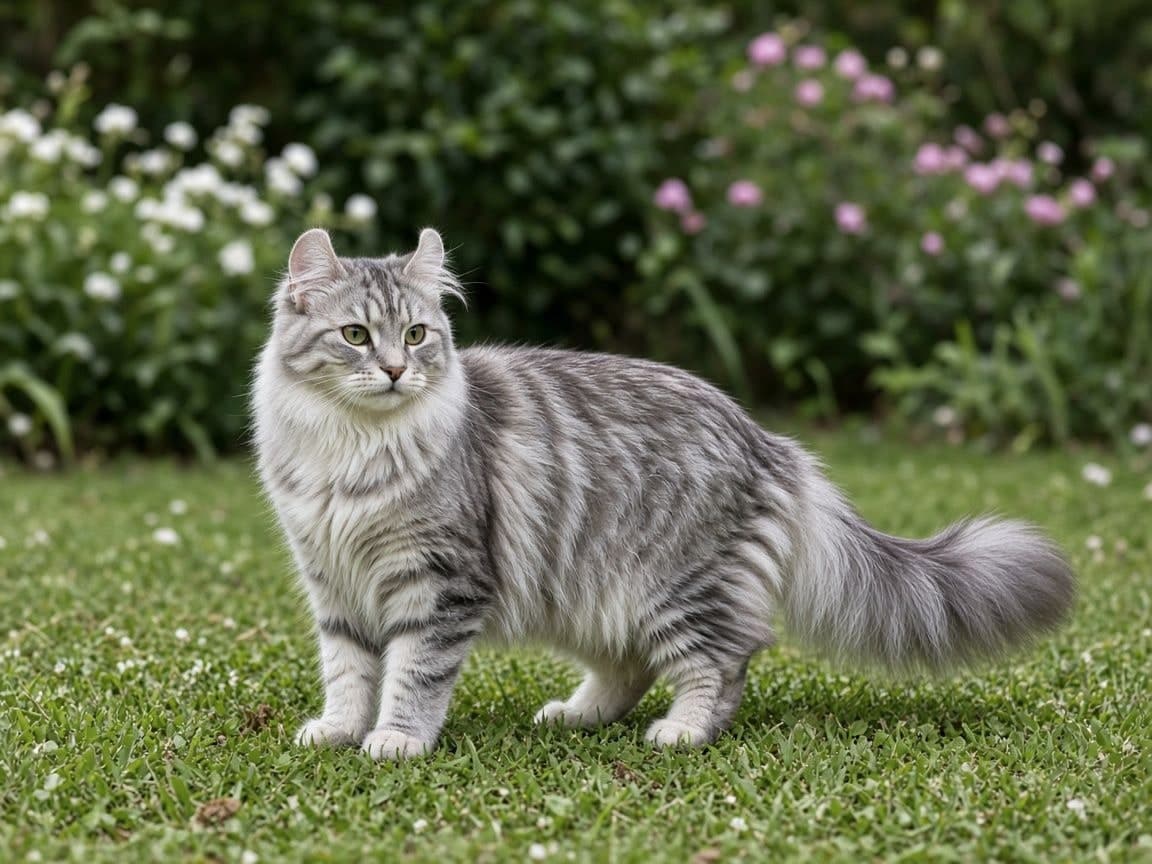
American Curl
Playful, affectionate, curious, intelligent, gentle, adaptable, inquisitive and easygoing.
View breed guideAustralian Mist
Lively, affectionate, inquisitive, gentle, playful, curious, sociable and companionable.
View breed guideKorat
Intelligent, lively, affectionate, playful, athletic, quiet, engaging and stubborn.
View breed guide
LaPerm FAQs
Is the LaPerm good with children?
Often good with children, with supervision. Individual cats vary with breeding, upbringing and health, so ask about the cat you are considering.
How active is the LaPerm?
Lively and playful. Short play sessions every day help any cat stay fit and settled.
Does the LaPerm shed?
Tends to shed little.
How much grooming does the LaPerm need?
Typically: minimal: an occasional brush.
Can the LaPerm be left alone?
Prefers company and is best not left alone for long. Every cat needs company, play and someone to check on it each day.
Is the LaPerm a talkative cat?
Tends to be quiet. Individual cats vary with breeding, upbringing and health, so ask about the cat you are considering.
Does the LaPerm get on with other cats?
Usually enjoys the company of other cats. Introduce cats slowly, with separate food, water, litter trays and resting places.
Is the LaPerm good with dogs?
Often gets on with a cat-friendly dog. Individual cats vary with breeding, upbringing and health, so ask about the cat you are considering.
How long does the LaPerm live?
Typically 12–15 years. Lifespan varies with genetics, weight, care and luck.
How big does the LaPerm get?
Adults typically weigh 2.3–3.6 kg.