Japanese Bobtail at a glance
- Size
- Medium
- Weight
- 2.7–4.5 kg
- Life expectancy
- 9–15 years
Typical for the breed, not a promise about any one cat. Not assessed yet: Vocal.
Is the Japanese Bobtail right for you?
Like every breed, the Japanese Bobtail is not the right fit for every home. Based on the breed’s typical traits:
May suit you if…
- You have children and can supervise them with the cat.
- This would be your first cat and you are ready to learn.
- You have, or would like, another cat.
- You have a calm, cat-friendly dog and can introduce them slowly.
Consider another breed if…
- You cannot offer any safe outdoor space.
- You cannot commit to brushing several times a week.
- You would find a lot of cat hair hard to live with.
How would the Japanese Bobtail fit your lifestyle?
Choose a few details for a general, non-guaranteed view.
About the Japanese Bobtail
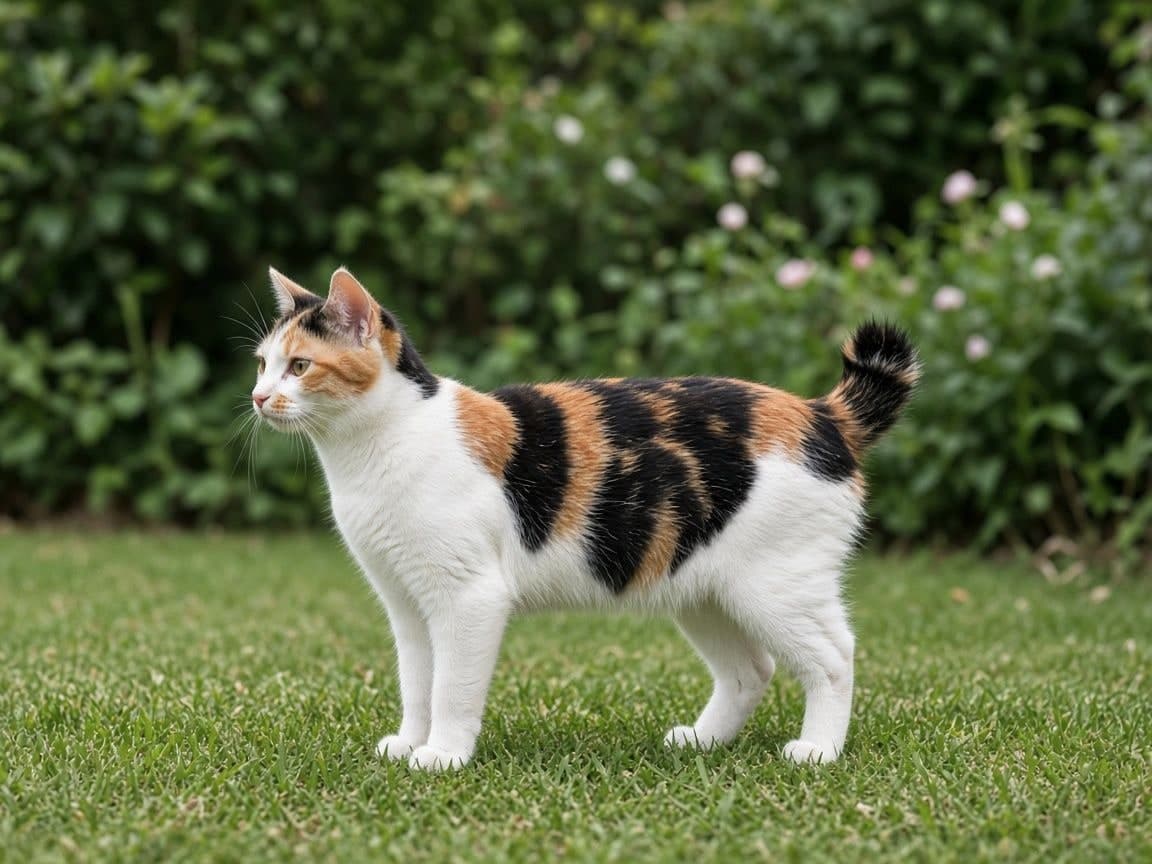
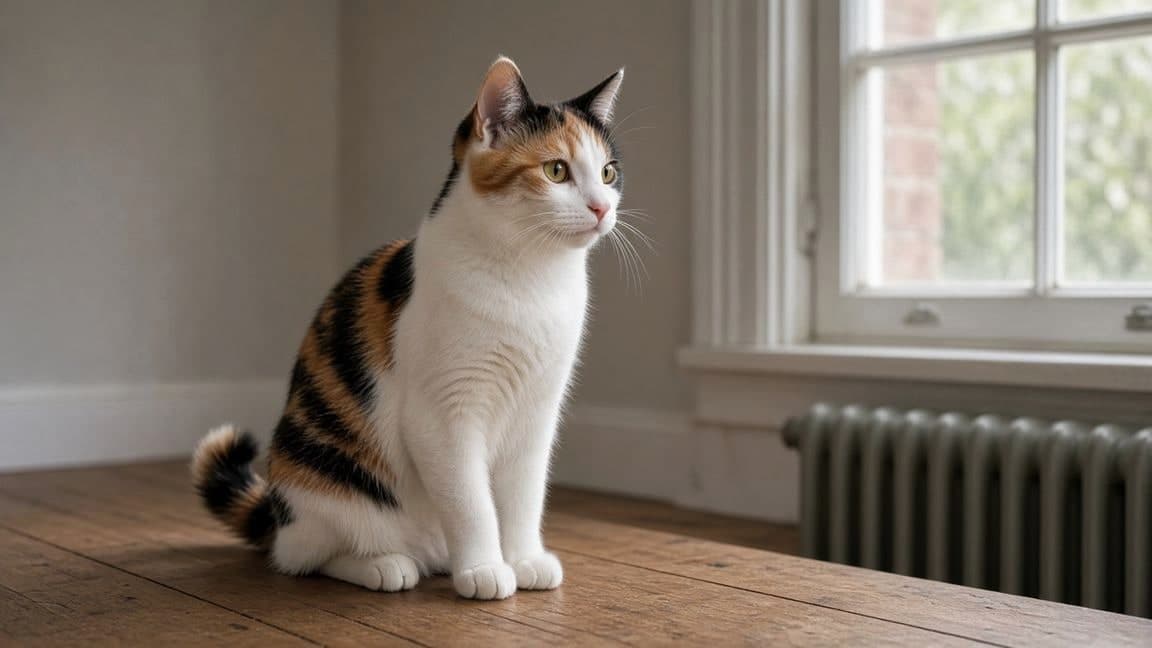
The Japanese Bobtail is a medium-sized, athletic cat with a finely chiselled head, large upright ears and large eyes. Its name comes from its short tail, made up of curves, angles and kinks and covered in longer hair so that it looks like a pom-pom. No two tails are the same, and the bones may be fused or jointed in places. Bobtails come in shorthaired and longhaired varieties and are usually playful, curious and affectionate.
Key characteristics
General breed tendencies, not a prediction for an individual cat.
- Size
Medium
A mid-sized cat.
- Coat length
Short
A short coat.
- Activity level
Lively
Lively and playful; needs daily play.
- Grooming
Moderate
The coat usually needs brushing several times a week.
- Shedding
Seasonal
Sheds heavily at certain times of year.
- Vocal
Not assessed yet
Our sources do not say enough yet.
- Good with children
Often good
Often good with children, with supervision.
- Good with other cats
Usually sociable
Usually enjoys the company of other cats.
- Good with dogs
Often fine
Often gets on with a cat-friendly dog.
- Suits first-time owners
Often
Often suits first-time cat owners.
- Time alone
A few hours
Usually copes with a few hours alone.
- Indoors and outdoors
Some outdoor space
Benefits from some safe outdoor space, such as a cat-proofed garden.
Short-tailed cats have lived in Japan for centuries and appear often in traditional Japanese art, and the breed can be traced back to the 8th century. The Bobtail is associated with good luck and is the cat most often shown in the paw-waving "lucky cat" figure. One story links this to cats protecting silk production from rodents. The breed was not seen outside Japan until the 1960s, when the first cats went to the USA in 1968. TICA recognised the shorthair in 1979 and the longhair in 1991. It is recognised in the USA but still very rare in the UK.
The GCCF does not recognise the Japanese Bobtail. It lists it among breeds based on a physical anomaly that may cause problems for some cats or harm welfare, and says genetic and veterinary information and favourable reports would be needed before acceptance. For owners, the aim is a low risk of spinal, bladder and bowel problems. Purina notes that the Bobtail's tail is not caused by the same gene as the Manx's, but that it is still associated with spinal deformities, and more research is needed to know whether this causes health problems.
Japanese Bobtail temperament
Japanese Bobtails are typically playful, fun, curious and bold. They love fuss and cuddles, but they are too busy to stay on a lap for long and are soon off exploring. They are loyal to their family, want to be around people and are usually friendly and outgoing.
Bobtails often like to splash their paws in water and play fetch, and some like to ride on a person's shoulder. Sources disagree on how talkative they are: Purina rates the breed low for vocalising, while TICA describes a wide range of soft chirps and almost song-like meows.
Size and appearance
The Japanese Bobtail is an average-build, medium-sized cat, with Purina giving a weight of around 2.7–4.5 kg. TICA gives 5–7 lb for females and 8–10 lb for males. The body is long, slender and muscular, and the hind legs are noticeably longer than the front legs, giving a powerful jump.
The coat is soft and silky with little or no undercoat. Longhairs have a longer coat with a ruff, britches and a fuller pom-pom tail. Bobtails come in a wide range of colours and patterns. The traditional favourite is the tri-coloured "mi-ke" of red, black and white. Eyes can be any colour; odd eyes and blue eyes are found most often in cats with a lot of white.
How active is the Japanese Bobtail?
Bobtails are active, curious cats with excellent climbing skills and a head for heights. They usually do well with plenty of cat trees and platforms, and owners should keep precious ornaments off open shelves, as Bobtails enjoy pushing things over the edge.
Plenty of games, food-dispensing toys that mimic hunting and puzzles that test their skill help to keep them busy. TICA notes they are great jumpers who can do well at feline agility, and suggests teaching tricks.
Japanese Bobtail grooming
The shorthair is easy to care for and can do most of its own grooming. Purina suggests a quick brush through, and TICA says twice-weekly brushing or combing is usually enough. Longhairs need more thorough grooming, as they cannot manage all of it themselves, although the silky coat is less likely to mat. With no real undercoat, Bobtails shed little except at the spring and autumn coat changes, when more brushing helps. A greasy coat can be a sign that a cat is not grooming itself and may be unwell.
Indoors and outdoors
Bobtails enjoy time outdoors, but with no undercoat they are not suited to living outdoors full time and dislike cold wind and wet weather. A fully secure garden, a heated cat run or free access between a secure run and the house works well. They can usually be left for a few hours, but may not suit people who are out for long periods each day.
Living with a Japanese Bobtail
Purina describes the Japanese Bobtail as a great family cat for homes with children old enough to understand a cat's needs and give it space. Its busy, curious nature may be less suited to a home with very young children. TICA says the breed adapts well to children.
Whatever the breed, young children should be supervised around cats and shown how to stroke them gently and let them walk away.
Children
Often good with children, with supervision.
Other cats
Usually enjoys the company of other cats.
Dogs
Often gets on with a cat-friendly dog.
Indoors and outdoors
Benefits from some safe outdoor space.
Being left alone
Usually copes with a few hours alone.
First-time owners
Often suits first-time cat owners.
Other cats and pets
Bobtails are usually gregarious and friendly with other cats, and can be introduced to other pets if this is done carefully. TICA says they get along well with other pets, including dogs.
Japanese Bobtail health
Not yet reviewed by a vet. This is general information, not veterinary advice: speak to your vet about your own cat’s health.
TICA describes the Japanese Bobtail as an overall healthy breed, but the bobbed tail raises a welfare question that is not yet settled.
Tail and spine anomalies
The short, kinked tail is linked to spinal deformities. Purina says more research is needed to know whether this causes health problems in the breed, and the GCCF would need genetic and veterinary evidence of a low risk of spinal, bladder and bowel problems before recognising it. The tail may be fused or jointed and should only ever be handled very gently.
What health checks should you ask about?
Responsible breeders and rescues are happy to talk about health, and any pressure to decide quickly is a reason to walk away. Before taking a Japanese Bobtail home, it is reasonable to ask about:
- Health testing of the parents. Ask which health tests the parents have had for conditions known in the breed, and to see the results.
- Veterinary and vaccination records. Kittens should have had a first vaccination and a vet check, with records you can take home.
- Microchip information. In England, cats must be microchipped and registered by 20 weeks old. Ask who the chip is registered to and how the transfer works.
- Registration paperwork. Registration papers, where they apply, record pedigree. They do not by themselves prove health or how a kitten was raised.
How much does a Japanese Bobtail cost to own?
There are two costs: bringing a Japanese Bobtail home, and looking after one well. Kitten prices depend on the breeder, health testing and demand; the adverts below show what sellers are asking today.
Ongoing costs are the ones new owners most often underestimate: food, insurance (which usually rises with age), routine vet care, vaccinations and parasite treatment, dental care, grooming, litter, scratching posts and toys, and a cattery or a sitter for holidays. Budget for the whole of the cat’s life, typically 9–15 years, not just the first year.
Buying a Japanese Bobtail
If you have decided the Japanese Bobtail suits your life, take the same care choosing where your cat comes from. Meet the kitten in person, see it with its mother, and look at how the litter is raised.
- Check who you are dealing with: every Mypetzilla advert shows the seller type and what we have checked.
- Ask about health testing, vaccinations and the microchip before you commit.
- Take your time. Do not be rushed by deposits or "last one left" stories.
- Meet in person before paying anything, and keep conversations on Mypetzilla.
Adopting a Japanese Bobtail
Japanese Bobtails do come up for adoption, through rescue organisations, breed rescues and private rehoming, often because an owner’s circumstances have changed rather than any fault of the cat. An adult cat arrives as a known quantity: its size, coat and character are already on show.
Rescues will usually talk you through the cat’s history, any medical care, and the home it needs, including children, other animals and time alone. Be honest about your circumstances: a good rescue would rather place a cat once, well.
Japanese Bobtails looking for homes
Live from Mypetzilla, updated as pets are listed.
There are no Japanese Bobtail adverts at the moment.
Find Japanese Bobtail adverts for sale and for adoption on Mypetzilla now.
Similar breeds you may want to consider
Asian
Sociable, interactive, lively, energetic, affectionate, intelligent, inquisitive and playful.
View breed guideBurmilla
Sociable, playful, affectionate, independent, intelligent, inquisitive, lively and relaxed.
View breed guideSnowshoe
Inquisitive, active, intelligent, playful, curious, sociable and affectionate.
View breed guide
Japanese Bobtail FAQs
Is the Japanese Bobtail good with children?
Often good with children, with supervision. Individual cats vary with breeding, upbringing and health, so ask about the cat you are considering.
Can the Japanese Bobtail be an indoor cat?
Benefits from some safe outdoor space. Indoor cats need daily play, places to climb and scratch, and a window to watch from.
How active is the Japanese Bobtail?
Lively and playful. Short play sessions every day help any cat stay fit and settled.
Does the Japanese Bobtail shed?
Heavy seasonal shedding.
How much grooming does the Japanese Bobtail need?
Typically: several times a week.
Can the Japanese Bobtail be left alone?
Usually copes with a few hours alone. Every cat needs company, play and someone to check on it each day.
Does the Japanese Bobtail get on with other cats?
Usually enjoys the company of other cats. Introduce cats slowly, with separate food, water, litter trays and resting places.
Is the Japanese Bobtail good with dogs?
Often gets on with a cat-friendly dog. Individual cats vary with breeding, upbringing and health, so ask about the cat you are considering.
How long does the Japanese Bobtail live?
Typically 9–15 years. Lifespan varies with genetics, weight, care and luck.
How big does the Japanese Bobtail get?
Adults typically weigh 2.7–4.5 kg.