Exotic at a glance
- Size
- Medium
- Weight
- 3–6 kg
- Life expectancy
- 12–15 years
Typical for the breed, not a promise about any one cat. Not assessed yet: Other cats, Living with dogs.
Is the Exotic right for you?
Like every breed, the Exotic is not the right fit for every home. Based on the breed’s typical traits:
May suit you if…
- You would like an indoor cat: the breed is often content indoors.
- You would like a cat that is usually calm and laid-back.
- You would like a coat that is fairly easy to look after.
Consider another breed if…
- You have young children at home.
How would the Exotic fit your lifestyle?
Choose a few details for a general, non-guaranteed view.
About the Exotic
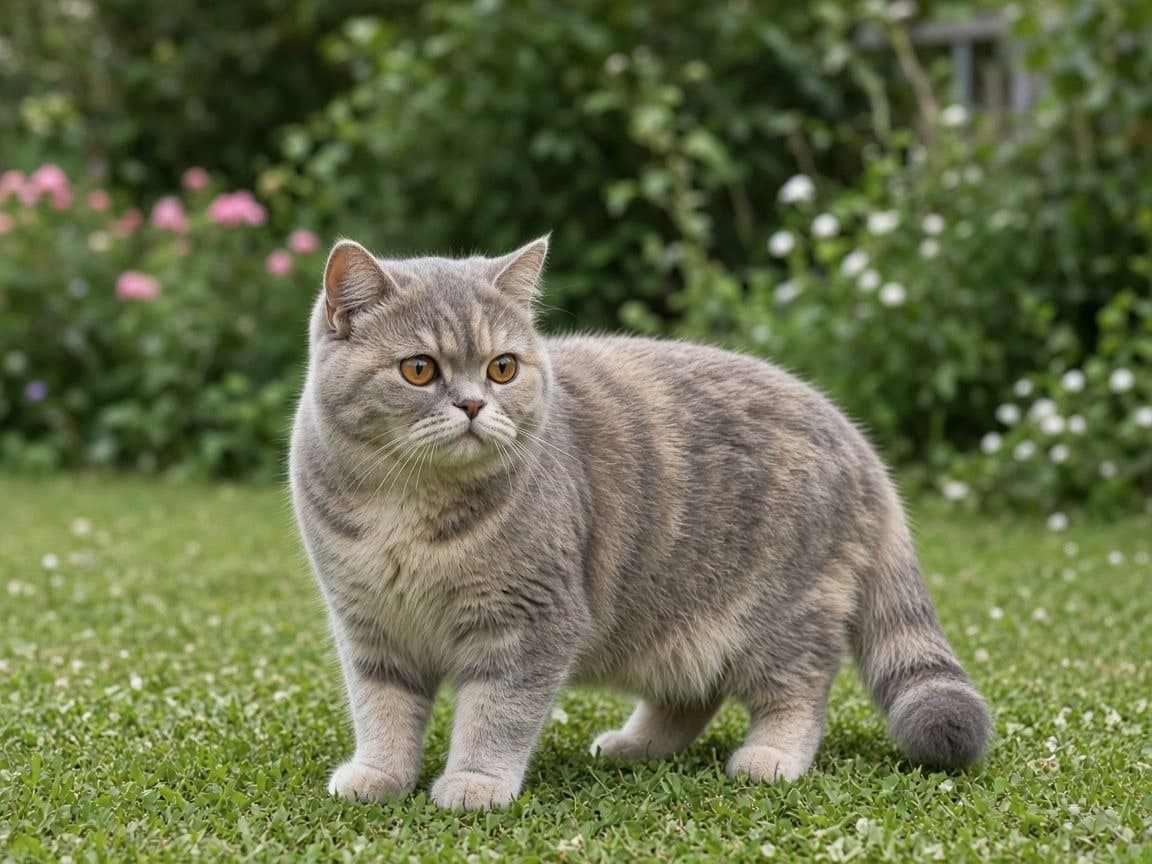
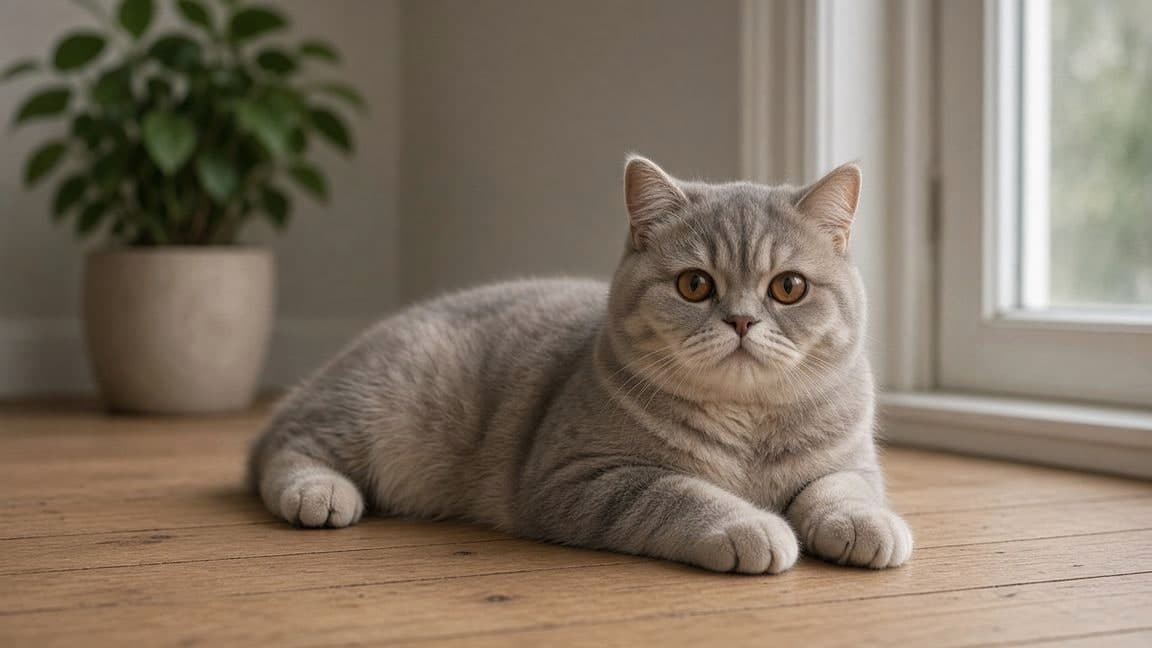
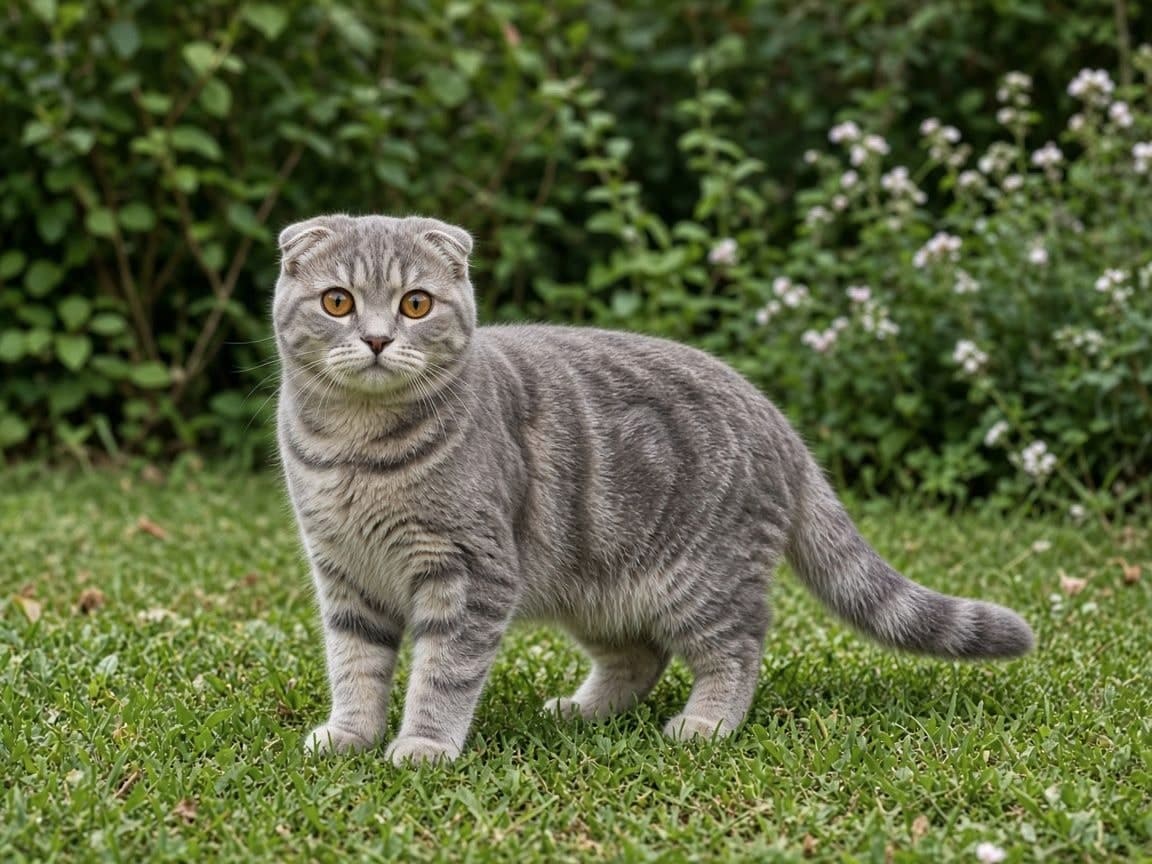
The Exotic, also known as the Exotic Shorthair, is a shorthaired cat with the head and body type of the Persian. It is heavily boned and stocky, with a broad round head, small ears, large round eyes and a short nose. The dense, plush coat softens its outline and gives it a cuddly, teddy-bear look. Exotics are usually gentle, affectionate lap cats with a playful, mischievous streak.
Key characteristics
General breed tendencies, not a prediction for an individual cat.
- Size
Medium
A mid-sized cat.
- Coat length
Short
A short coat.
- Activity level
Laid-back
Usually calm and laid-back around the home.
- Grooming
Weekly
The coat usually needs brushing about once a week.
- Shedding
Moderate
Sheds a moderate amount, varying by cat and season.
- Vocal
Talks sometimes
Will talk to you, but is not usually loud.
- Good with children
Older children
Usually better with older, calmer children.
- Good with other cats
Not assessed yet
Our sources do not say enough yet.
- Good with dogs
Not assessed yet
Our sources do not say enough yet.
- Suits first-time owners
Some experience helps
Some cat experience helps.
- Time alone
A few hours
Usually copes with a few hours alone.
- Indoors and outdoors
Happy indoors
Often content as an indoor cat, with enrichment.
The breed first gained recognition in the USA, where it developed from crossing American Shorthairs with Silver Persians, and the CFA gave it a standard based on the Persian in 1966. In the UK, some British Shorthair breeders used British Shorthair and Persian matings to develop it. Today only Persians and Exotics may be used for breeding. The GCCF recognised the Exotic in 1986 and gave it Championship status in 1995.
The Exotic is brachycephalic, meaning it has a relatively broad, short skull and a flat face. Purina says this gives the breed a higher risk of health issues, including breathing problems, skin fold infections and eye ulcers. The GCCF says care should be taken that this feature is not bred to extremes, for the cat's health and comfort. Because Exotics are bred from Persians, they can also inherit polycystic kidney disease (PKD).
Exotic temperament
Exotics are typically gentle, affectionate and loving. They like to be with people, often following their owners from room to room and settling on a lap when they sit down. They tend to ask for attention quietly, with a steady gaze.
They are a little more active and playful than Persians, and simple things such as paper balls or dripping taps can amuse them. Even so, they are much more relaxed and sedentary than the average cat. They can be a little standoffish with strangers and usually prefer a peaceful home.
Size and appearance
Exotics are medium-sized, stocky cats, with Purina giving a weight of around 3–6 kg. The GCCF says females usually weigh 7–12 lb and males 12–14 lb. The body is short and boxy, or "cobby", with short, strong legs, round paws and a short, thick tail.
The coat is dense, soft and plush. It stands away from the body and is longer than other shorthairs, but not long enough to flow. Exotics come in the same wide range of colours as the Persian: self colours, tabbies, bi-colours and tri-colours, smokes, silvers and goldens, and colourpoints. Most varieties have orange or copper eyes; silvers and goldens have green eyes and colourpoints have blue eyes.
How active is the Exotic?
Exotics are not built for feats of athleticism, and most would rather laze around. It helps to gently encourage movement without stressing them. Easy food-dispensing toys work well, and many still enjoy jumping for a toy or working out how to reach one placed out of reach.
Exotic grooming
The coat is easier to care for than a Persian's, but it still needs regular grooming. In spring and summer Exotics can shed a large amount of old undercoat, which must be combed out or the coat will mat and knot. The GCCF suggests weekly grooming, while Purina recommends a thorough daily groom, because the short face means they cannot groom themselves well.
Clean the eyes and face regularly, and check under the tail after the litter tray. Trimming the fur under the tail may help if it often gets dirty. Exotics also benefit from an occasional bath.
Indoors and outdoors
The Exotic is very much an indoor cat. Supervised time in a secure garden, or an enclosed catio with sunny spots, lets it enjoy fresh air safely. It is unlikely to ask to go out, and may need to be encouraged or even carried outside.
Exotics can usually be left for a few hours while owners are at work, but they need some care every day.
Living with a Exotic
The GCCF says Exotics get on well with children, thanks to their easygoing nature. Purina adds that they are best suited to a quiet, peaceful home, which may rule out homes with very young children or a lot of noisy activity.
Whatever the breed, young children should be supervised around cats and shown how to stroke them gently and let them walk away.
Children
Usually better with older, calmer children.
Indoors and outdoors
Often content as an indoor cat.
Being left alone
Usually copes with a few hours alone.
First-time owners
Some cat experience helps.
Other cats and pets
The GCCF says Exotics usually get on well with other pets. The sources do not give detail about cats, dogs or small pets.
Exotic health
Not yet reviewed by a vet. This is general information, not veterinary advice: speak to your vet about your own cat’s health.
Purina says the Exotic has a higher risk of health issues, mainly because of its flat face. Asking a breeder about the points below helps you choose a healthier kitten.
Brachycephalic airway obstruction syndrome
A short nose and flat face can obstruct breathing. In some cats this can lead to severe breathing difficulty.
Skin fold inflammation and infection
Flat-faced cats keep a normal amount of facial tissue on a shorter face, which often creates skin folds. Soreness and infection can develop in these folds.
Eye ulcers
These are painful erosions on the surface of the eye. They are more common in flat-faced breeds, whose eyes tend to be more prominent.
Polycystic kidney disease (PKD)
An inherited condition in which cysts form in the kidneys and can eventually lead to kidney failure. It was found in more than a third of Persian and Exotic cats in the 1990s. A quick cheek-swab DNA test is available, all breeding Exotics should be tested, and buyers should ask to see clear certificates for both parents.
Progressive retinal atrophy (PRA)
An inherited eye disease. The GCCF says breeding cats should be tested for the PRA(pd) form, which can be done at the same time as the PKD test.
What health checks should you ask about?
Responsible breeders and rescues are happy to talk about health, and any pressure to decide quickly is a reason to walk away. Before taking a Exotic home, it is reasonable to ask about:
- Health testing of the parents. Ask which health tests the parents have had for conditions known in the breed, and to see the results.
- Veterinary and vaccination records. Kittens should have had a first vaccination and a vet check, with records you can take home.
- Microchip information. In England, cats must be microchipped and registered by 20 weeks old. Ask who the chip is registered to and how the transfer works.
- Registration paperwork. Registration papers, where they apply, record pedigree. They do not by themselves prove health or how a kitten was raised.
How much does a Exotic cost to own?
There are two costs: bringing a Exotic home, and looking after one well. Kitten prices depend on the breeder, health testing and demand; the adverts below show what sellers are asking today.
Ongoing costs are the ones new owners most often underestimate: food, insurance (which usually rises with age), routine vet care, vaccinations and parasite treatment, dental care, grooming, litter, scratching posts and toys, and a cattery or a sitter for holidays. Budget for the whole of the cat’s life, typically 12–15 years, not just the first year.
Buying a Exotic
If you have decided the Exotic suits your life, take the same care choosing where your cat comes from. Meet the kitten in person, see it with its mother, and look at how the litter is raised.
- Check who you are dealing with: every Mypetzilla advert shows the seller type and what we have checked.
- Ask about health testing, vaccinations and the microchip before you commit.
- Take your time. Do not be rushed by deposits or "last one left" stories.
- Meet in person before paying anything, and keep conversations on Mypetzilla.
Adopting a Exotic
Exotics do come up for adoption, through rescue organisations, breed rescues and private rehoming, often because an owner’s circumstances have changed rather than any fault of the cat. An adult cat arrives as a known quantity: its size, coat and character are already on show.
Rescues will usually talk you through the cat’s history, any medical care, and the home it needs, including children, other animals and time alone. Be honest about your circumstances: a good rescue would rather place a cat once, well.
Exotics looking for homes
Live from Mypetzilla, updated as pets are listed.
There are no Exotic adverts at the moment.
Find Exotic adverts for sale and for adoption on Mypetzilla now.
Similar breeds you may want to consider
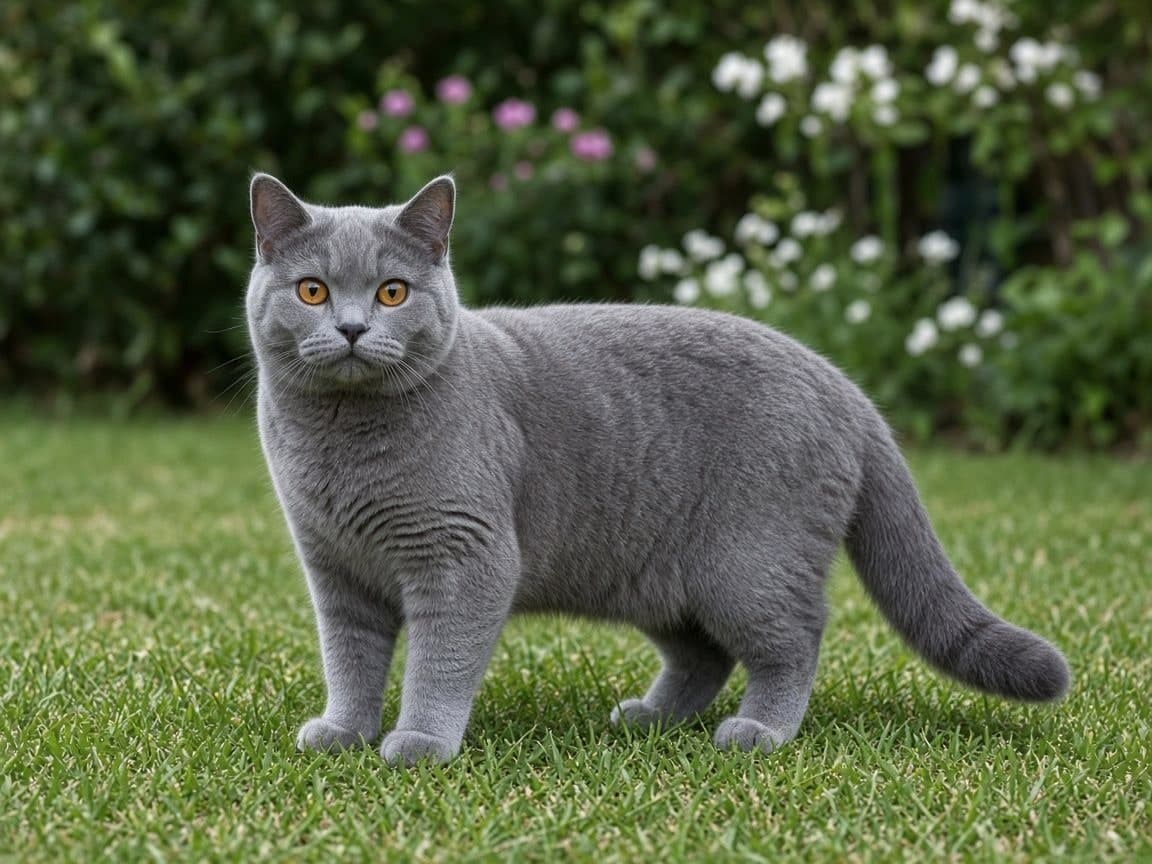
British Shorthair
Patient, tolerant, relaxed, affectionate, loyal, playful, calm and easygoing.
View breed guide
Exotic FAQs
Is the Exotic good with children?
Usually better with older, calmer children. Individual cats vary with breeding, upbringing and health, so ask about the cat you are considering.
Can the Exotic be an indoor cat?
Often content as an indoor cat. Indoor cats need daily play, places to climb and scratch, and a window to watch from.
How active is the Exotic?
Usually calm and laid-back. Short play sessions every day help any cat stay fit and settled.
Does the Exotic shed?
Moderate shedding.
How much grooming does the Exotic need?
Typically: about once a week.
Can the Exotic be left alone?
Usually copes with a few hours alone. Every cat needs company, play and someone to check on it each day.
Is the Exotic a talkative cat?
Talks sometimes. Individual cats vary with breeding, upbringing and health, so ask about the cat you are considering.
How long does the Exotic live?
Typically 12–15 years. Lifespan varies with genetics, weight, care and luck.
How big does the Exotic get?
Adults typically weigh 3–6 kg.