British Longhair at a glance
- Size
- Medium
- Weight
- 3.2–7.7 kg
- Life expectancy
- 14–20 years
Typical for the breed, not a promise about any one cat. Not assessed yet: Other cats.
Is the British Longhair right for you?
Like every breed, the British Longhair is not the right fit for every home. Based on the breed’s typical traits:
May suit you if…
- This would be your first cat and you are ready to learn.
- You have a calm, cat-friendly dog and can introduce them slowly.
- You would like a cat that is usually calm and laid-back.
- You would like a cat that tends to be quiet.
Consider another breed if…
- You cannot offer any safe outdoor space.
- You have young children at home.
- You cannot commit to daily grooming.
- You would find a lot of cat hair hard to live with.
How would the British Longhair fit your lifestyle?
Choose a few details for a general, non-guaranteed view.
About the British Longhair
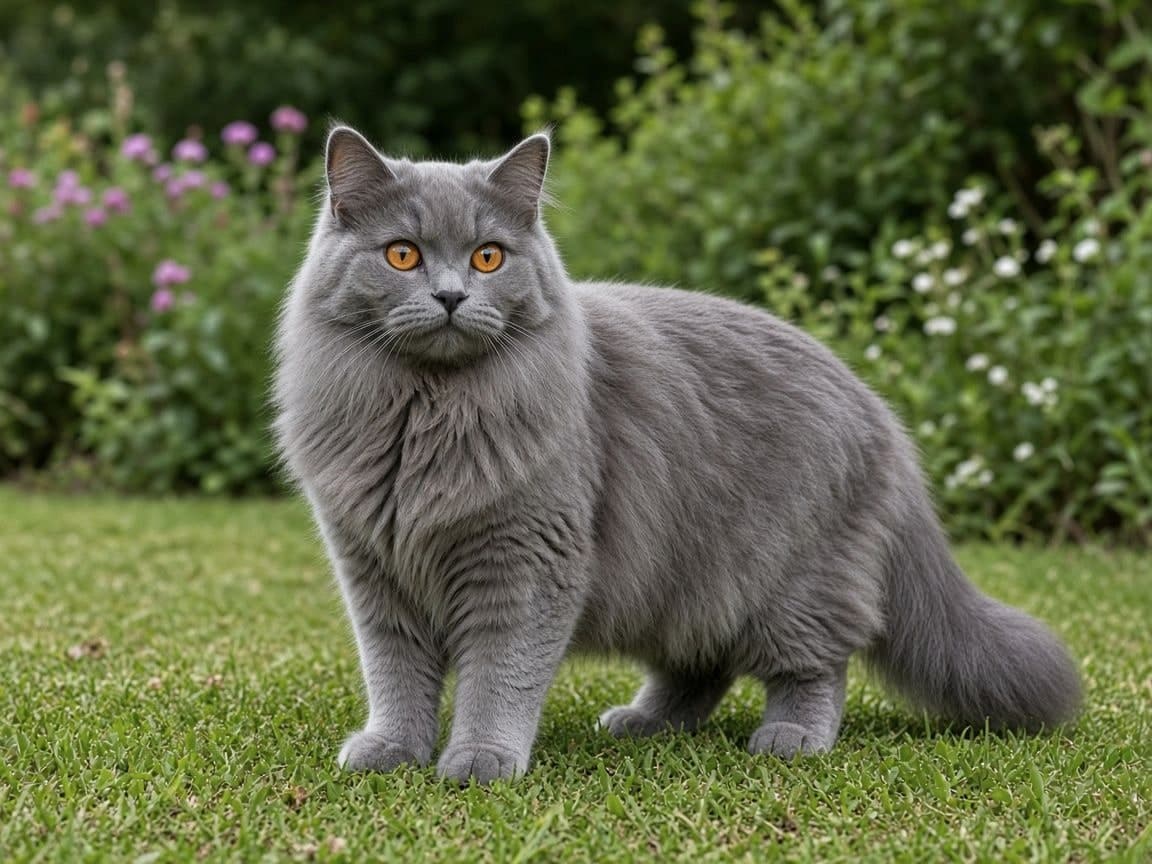
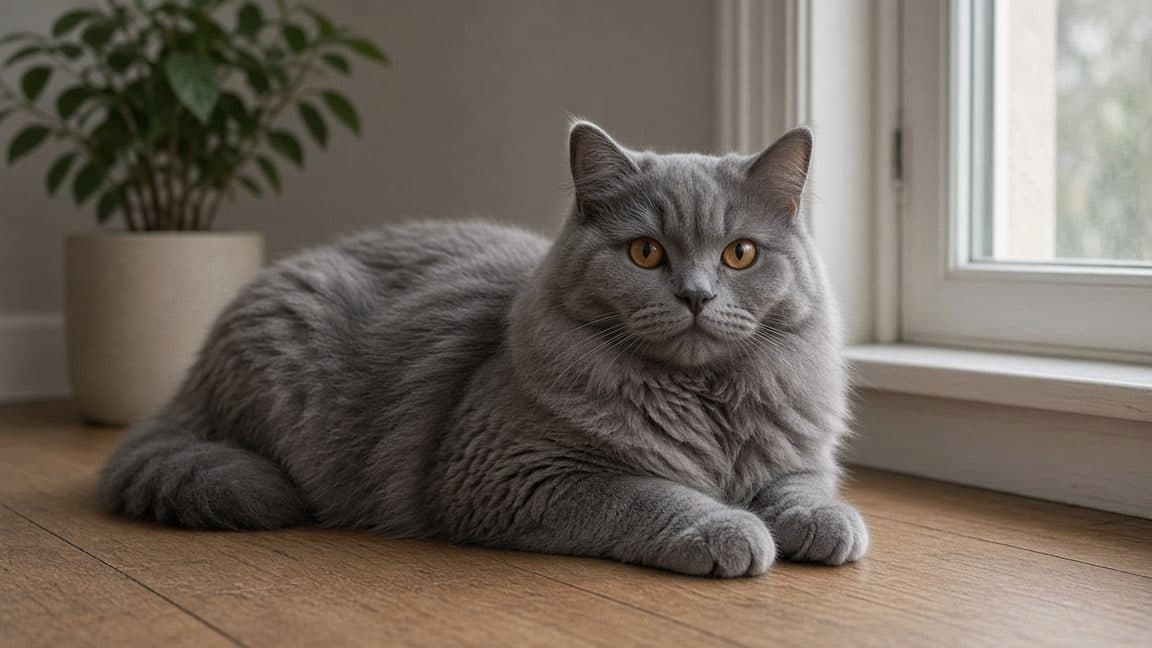
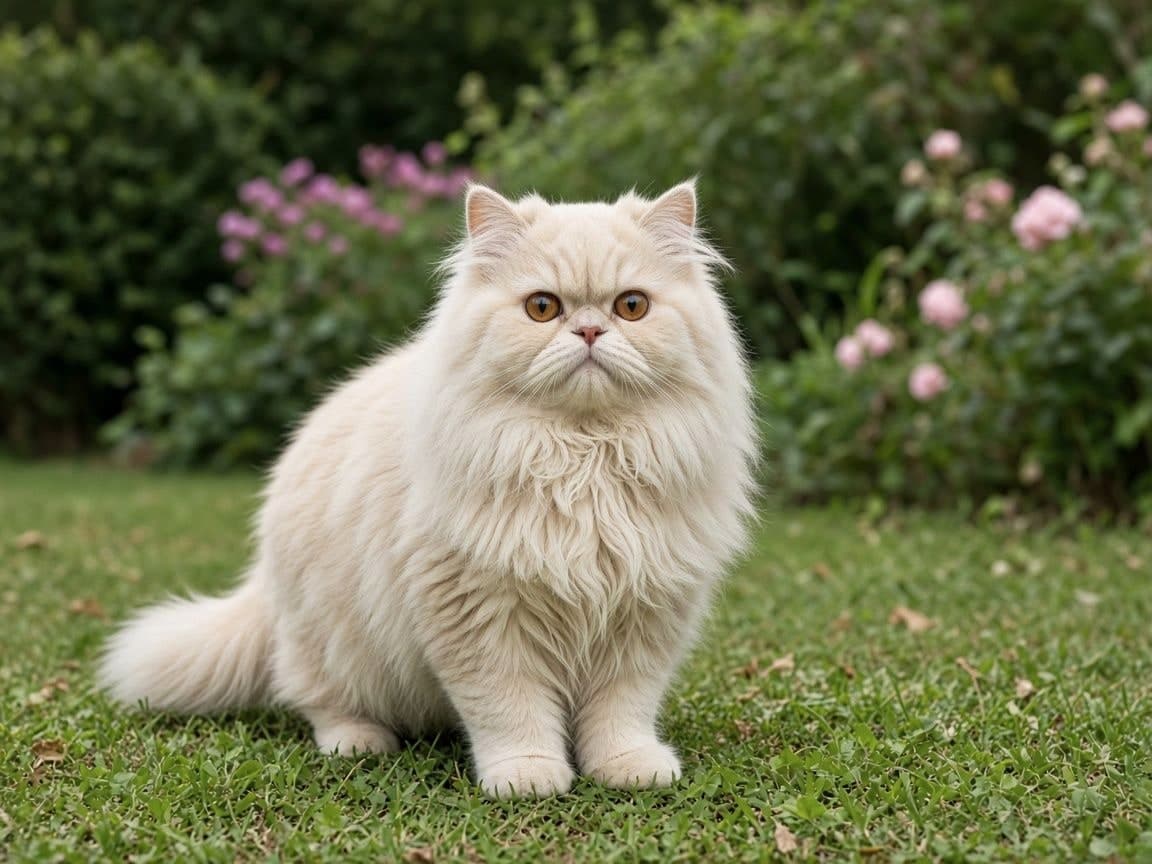
The British Longhair is a compact, powerful cat with a broad chest, short strong legs, round paws and large round eyes, wrapped in a dense, straight semi-long coat with tufted feet and well-furnished ears. In character it is much like the British Shorthair: usually patient, relaxed and quiet, and happiest with a calm routine.
Key characteristics
General breed tendencies, not a prediction for an individual cat.
- Size
Medium
A mid-sized cat.
- Coat length
Semi-long
A semi-long coat.
- Activity level
Laid-back
Usually calm and laid-back around the home.
- Grooming
Daily
The coat usually needs combing every day to prevent mats.
- Shedding
High
Tends to shed a lot, so expect hair around the home.
- Vocal
Tends to be quiet
Usually a fairly quiet cat.
- Good with children
Older children
Usually better with older, calmer children.
- Good with other cats
Not assessed yet
Our sources do not say enough yet.
- Good with dogs
Often fine
Often gets on with a cat-friendly dog.
- Suits first-time owners
Often
Often suits first-time cat owners.
- Time alone
A few hours
Usually copes with a few hours alone.
- Indoors and outdoors
Some outdoor space
Benefits from some safe outdoor space, such as a cat-proofed garden.
The breed comes from the British Shorthair. After the Second World War, breeders outcrossed British cats to other breeds to rebuild numbers and restore type. GCCF names Persians as the source of the longhair gene, and Purina also mentions Turkish Angoras among the cats used. As a result, semi-longhaired kittens appeared in some British litters. For many years these kittens were sold as pets or known as British Shorthair Variants and could not be shown.
Some enthusiasts felt the longhairs deserved development in their own right. GCCF officially recognised the name British Longhair on 15 February 2017, and the breed was granted Championship status in November 2021. At GCCF shows it appears in Section 3 alongside the British Shorthair.
British Longhair temperament
As kittens, British Longhairs are playful and fluffy; as adults they usually become more thoughtful and lazy, preferring to watch rather than join in with chaos. The British is not a talkative breed, but it forms strong bonds with its people and takes a close interest in family routines.
Because they are quiet and undemanding, they can be easy to overlook, so owners need to make sure they get plenty of social contact and family time. Purina describes them as quite sensitive: a chaotic household or unmet needs can lead to problems such as toileting in the wrong place, over-grooming or scratching. They are slow to mature, and many do not like being picked up and carried, as they are heavy and can feel insecure.
Size and appearance
The British Longhair is a medium-sized, muscular, compact cat. Purina gives a weight range of about 3.2 to 7.7 kg. Males are noticeably larger than females, and the British breed can take up to five years to reach full physical maturity.
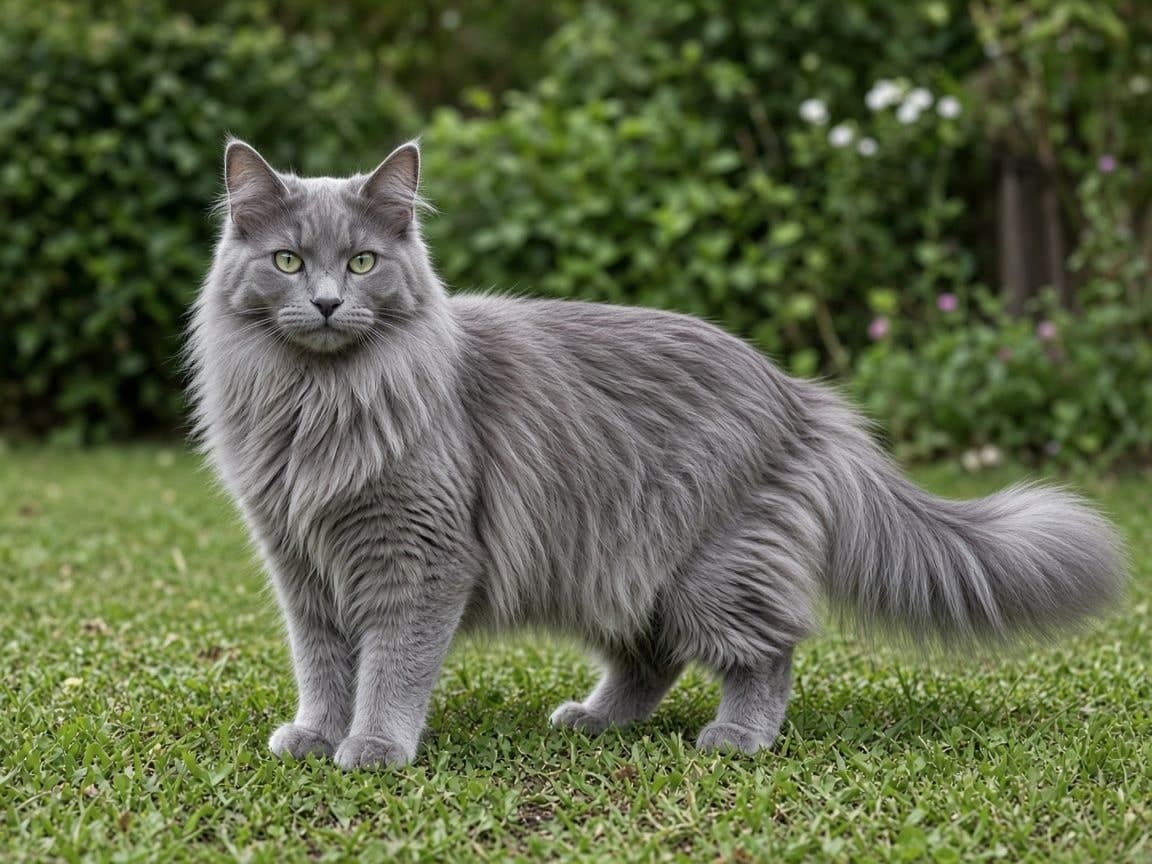
The coat is semi-long, straight, dense and resilient, with plenty of fur on the ears and tufts on the feet. Purina lists solid, tabby, parti-colour and dilute colours, and GCCF describes the British as coming in six pattern groups and many colours.
How active is the British Longhair?
This is a sedentary breed that is fond of lying around, sleeping and eating, which can lead to weight problems. Daily play and mental stimulation help keep a British Longhair moving and interested.
British Longhair grooming
Both GCCF and Purina say the British Longhair needs daily grooming. Purina suggests starting while kittens are tiny so they are used to it before the thick coat grows in, as they are unlikely to groom themselves effectively. Check around the face for food and eye discharge, and check the bottom for dirt after toileting. A greasy coat can be a sign of poor health or excess weight. The coat sheds heavily.
Indoors and outdoors
Purina says regular supervised time outdoors, or free access to a secure, cat-proof garden or cat run, helps keep these sedentary cats moving. They are not suited to free roaming because they are slow to react and too trusting, and could get into trouble or be stolen. GCCF notes the British can live as an indoor-only cat if it has enough stimulation and its weight is managed.
They are usually happy with some time alone each day and can be left for a few hours. A calm home without frequent young visitors or rough play suits them best.
Living with a British Longhair
Purina says the British Longhair makes an excellent family pet in a home with older children who understand how to respect a cat's space. GCCF describes the British as a superb family companion that forms strong bonds with people of all ages. Whatever the breed, young children should be supervised around cats and shown how to stroke them gently and let them walk away.
Children
Usually better with older, calmer children.
Dogs
Often gets on with a cat-friendly dog.
Indoors and outdoors
Benefits from some safe outdoor space.
Being left alone
Usually copes with a few hours alone.
First-time owners
Often suits first-time cat owners.
Other cats and pets
GCCF describes the British as tolerant of other pets such as dogs and rabbits.
British Longhair health
Not yet reviewed by a vet. This is general information, not veterinary advice: speak to your vet about your own cat’s health.
Purina says that, aside from a tendency to obesity, British Longhairs usually do not suffer from severe diseases. Because the British Longhair is effectively a British Shorthair with a longer coat, the same inherited conditions may apply.
Obesity
Their sedentary nature makes them prone to weight gain. Purina notes that uncontrolled obesity can lead to hepatic lipidosis, arthritis and diabetes.
Polycystic kidney disease (PKD)
An inherited condition in which cysts form in the kidneys. It is largely under control thanks to DNA testing, and breeders should share DNA results with buyers.
Hypertrophic cardiomyopathy (HCM)
A heart muscle disease that GCCF says can be a problem in the British breed. There is no DNA test for HCM in the British breed yet; breeders should not breed from affected cats.
What health checks should you ask about?
Responsible breeders and rescues are happy to talk about health, and any pressure to decide quickly is a reason to walk away. Before taking a British Longhair home, it is reasonable to ask about:
- Health testing of the parents. Ask which health tests the parents have had for conditions known in the breed, and to see the results.
- Veterinary and vaccination records. Kittens should have had a first vaccination and a vet check, with records you can take home.
- Microchip information. In England, cats must be microchipped and registered by 20 weeks old. Ask who the chip is registered to and how the transfer works.
- Registration paperwork. Registration papers, where they apply, record pedigree. They do not by themselves prove health or how a kitten was raised.
How much does a British Longhair cost to own?
There are two costs: bringing a British Longhair home, and looking after one well. Kitten prices depend on the breeder, health testing and demand; the adverts below show what sellers are asking today.
Ongoing costs are the ones new owners most often underestimate: food, insurance (which usually rises with age), routine vet care, vaccinations and parasite treatment, dental care, grooming, litter, scratching posts and toys, and a cattery or a sitter for holidays. Budget for the whole of the cat’s life, typically 14–20 years, not just the first year.
Buying a British Longhair
If you have decided the British Longhair suits your life, take the same care choosing where your cat comes from. Meet the kitten in person, see it with its mother, and look at how the litter is raised.
- Check who you are dealing with: every Mypetzilla advert shows the seller type and what we have checked.
- Ask about health testing, vaccinations and the microchip before you commit.
- Take your time. Do not be rushed by deposits or "last one left" stories.
- Meet in person before paying anything, and keep conversations on Mypetzilla.
Adopting a British Longhair
British Longhairs do come up for adoption, through rescue organisations, breed rescues and private rehoming, often because an owner’s circumstances have changed rather than any fault of the cat. An adult cat arrives as a known quantity: its size, coat and character are already on show.
Rescues will usually talk you through the cat’s history, any medical care, and the home it needs, including children, other animals and time alone. Be honest about your circumstances: a good rescue would rather place a cat once, well.
British Longhairs looking for homes
Live from Mypetzilla, updated as pets are listed.
Find British Longhair adverts for sale and for adoption on Mypetzilla now.
Similar breeds you may want to consider
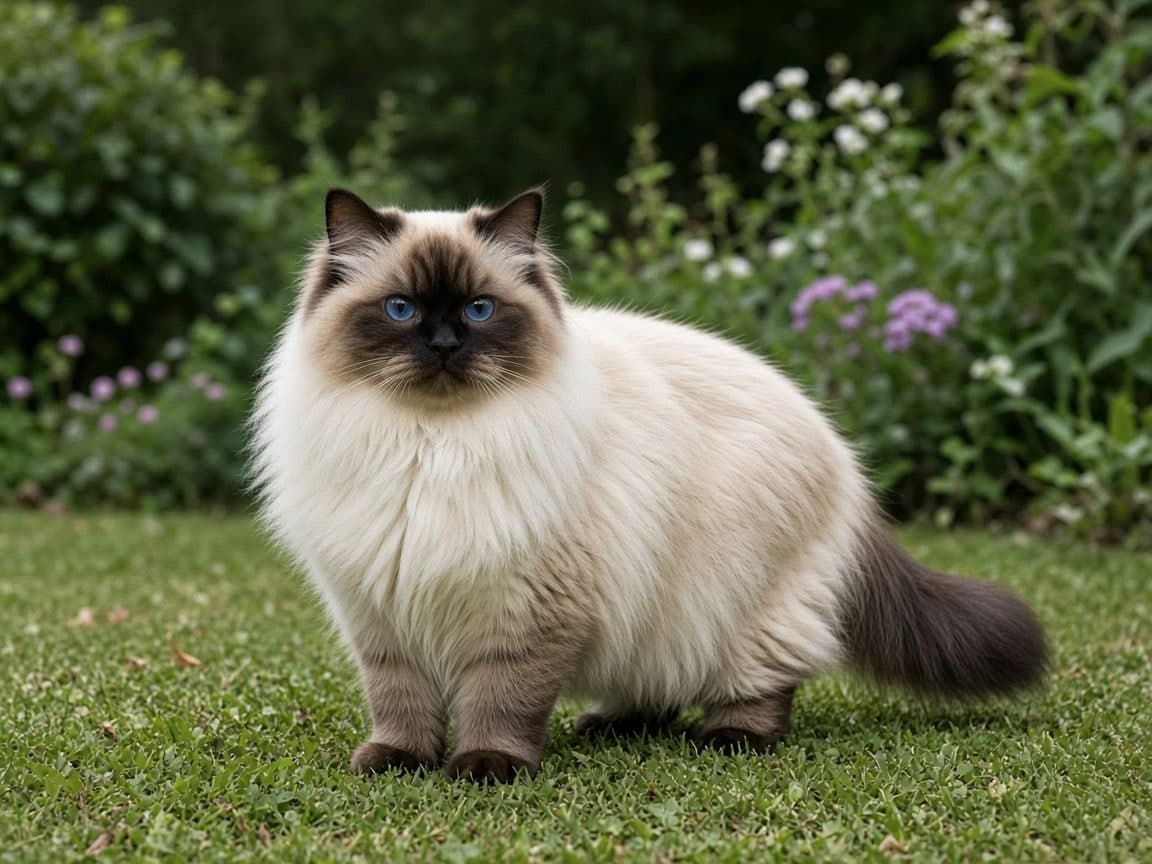
Himalayan
Sweet, gentle, calm, quiet, intelligent, affectionate, placid and easygoing.
View breed guide
British Longhair FAQs
Is the British Longhair good with children?
Usually better with older, calmer children. Individual cats vary with breeding, upbringing and health, so ask about the cat you are considering.
Can the British Longhair be an indoor cat?
Benefits from some safe outdoor space. Indoor cats need daily play, places to climb and scratch, and a window to watch from.
How active is the British Longhair?
Usually calm and laid-back. Short play sessions every day help any cat stay fit and settled.
Does the British Longhair shed?
Tends to shed a lot.
How much grooming does the British Longhair need?
Typically: daily.
Can the British Longhair be left alone?
Usually copes with a few hours alone. Every cat needs company, play and someone to check on it each day.
Is the British Longhair a talkative cat?
Tends to be quiet. Individual cats vary with breeding, upbringing and health, so ask about the cat you are considering.
Is the British Longhair good with dogs?
Often gets on with a cat-friendly dog. Individual cats vary with breeding, upbringing and health, so ask about the cat you are considering.
How long does the British Longhair live?
Typically 14–20 years. Lifespan varies with genetics, weight, care and luck.
How big does the British Longhair get?
Adults typically weigh 3.2–7.7 kg.