American Shorthair at a glance
- Size
- Medium
Typical for the breed, not a promise about any one cat. Not assessed yet: Typical adult weight, Owner experience, Other cats, Living with dogs, Typical lifespan.
Is the American Shorthair right for you?
Like every breed, the American Shorthair is not the right fit for every home. Based on the breed’s typical traits:
May suit you if…
- You would like an indoor cat: the breed is often content indoors.
- You have children and can supervise them with the cat.
- You are out at work for part of the day.
- You would like a cat that tends to be quiet.
Consider another breed if…
- You would find a lot of cat hair hard to live with.
How would the American Shorthair fit your lifestyle?
Choose a few details for a general, non-guaranteed view.
About the American Shorthair
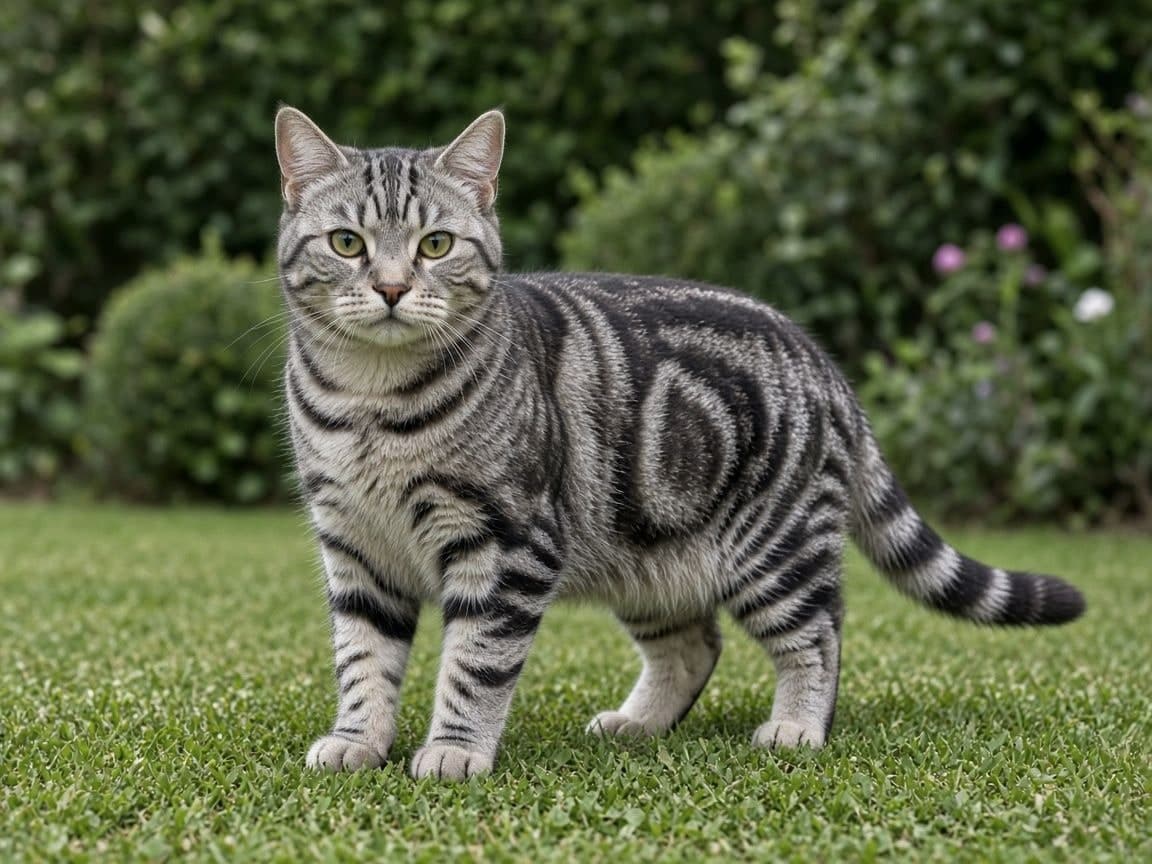
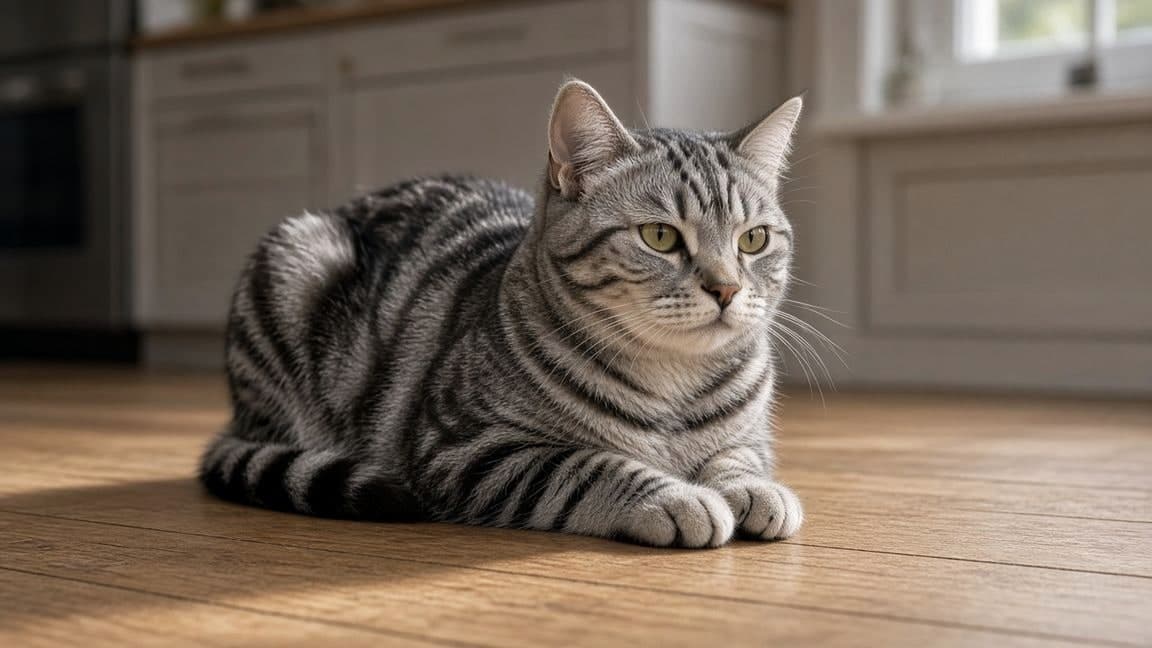
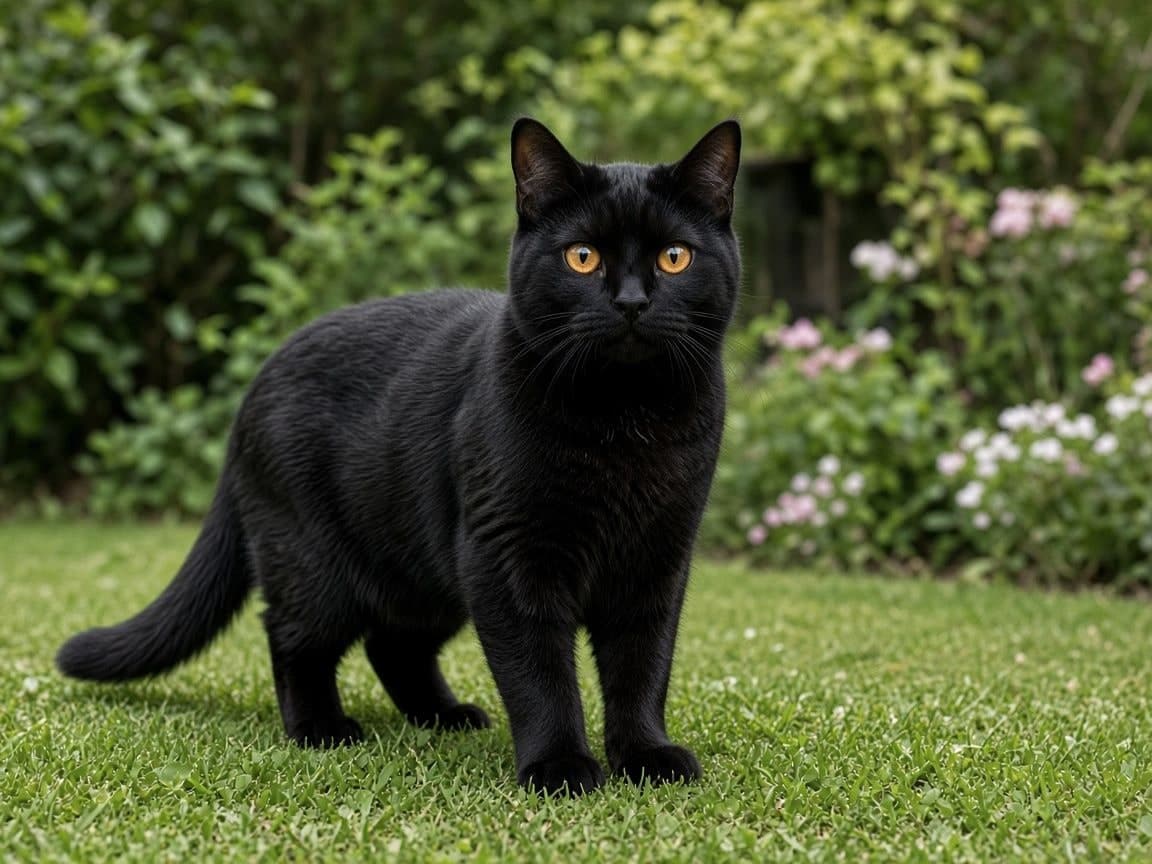
The American Shorthair is a strongly built, well-balanced cat with a muscular body, a large, full-cheeked head and a short, thick, hard-textured coat. It is often described as a working cat, with no exaggerated features. It is usually good-natured, easygoing and affectionate, and is known as one of the most adaptable breeds for different kinds of household.
Key characteristics
General breed tendencies, not a prediction for an individual cat.
- Size
Medium
A mid-sized cat.
- Coat length
Short
A short coat.
- Activity level
Moderate
Moderately active, with bursts of play.
- Grooming
Weekly
The coat usually needs brushing about once a week.
- Shedding
Seasonal
Sheds heavily at certain times of year.
- Vocal
Tends to be quiet
Usually a fairly quiet cat.
- Good with children
Often good
Often good with children, with supervision.
- Good with other cats
Not assessed yet
Our sources do not say enough yet.
- Good with dogs
Not assessed yet
Our sources do not say enough yet.
- Suits first-time owners
Not assessed yet
Our sources do not say enough yet.
- Time alone
Copes alone
Often copes well alone during the day.
- Indoors and outdoors
Happy indoors
Often content as an indoor cat, with enrichment.
Shorthaired cats came to North America with early settlers, on ships that kept cats to control rodents, and later protected farms and homes as people moved west. American Shorthairs were shown at the first cat show in the United States in 1895, and were among the first five breeds recognised by the CFA when it was founded in 1906. Originally called Domestic Shorthairs, they were renamed American Shorthairs in the 1960s. Although the breed developed naturally, selective breeding has shaped the cat known today.
In the UK the American Shorthair is not recognised by the GCCF. It is listed with Acceptance Grade A, meaning no application has been made but recognition is probable. The GCCF suggests the British Shorthair as a similar breed. Its close relative, the American Wirehair, differs only in coat type.
American Shorthair temperament
American Shorthairs are typically calm, loyal and people-oriented. They enjoy their family's company but keep their independence: many are lap cats, while some prefer simply to be nearby. Females tend to be busier and males more easygoing.
They are intelligent and curious, and the CFA notes they can learn to stay off counters, use scratching posts and retrieve toys, but may also work out how to open cupboards and doors. Many keep a strong hunting instinct, chasing insects indoors and watching birds from a windowsill.
They are not loud cats. The CFA describes the breed's "silent meow", a greeting made with an open mouth but no sound.
Size and appearance
The American Shorthair is a medium-sized, medium-boned cat, although the CFA standard describes it as medium to large. It has a powerful, muscular body with well-developed shoulders, chest and hindquarters, and males are larger than females. The breed does not fully mature until about three or four years old.
The head is slightly longer than wide, with a squarish muzzle and a sweet, open expression. The eyes have a distinctive shape, like half an almond above with a fully rounded curve below.
The coat is short, thick, lustrous and hard in texture, dense enough to protect against moisture and cold. The CFA says the breed comes in over 100 colour combinations; tabbies, particularly classic and silver or brown tabbies, are the most common and popular.
How active is the American Shorthair?
American Shorthairs are easygoing but love to play, especially hunting games with feathers or toys on wands or strings. The CFA suggests their hunting instinct should be regularly indulged with interactive toys, and says that if you play at about the same time each day your cat may wait eagerly for playtime. They like to be active and play fetch, and stay playful into old age. A tall scratching post helps meet their natural urge to scratch.
American Shorthair grooming
The short coat needs little care, although the sources differ on how often to groom. TICA says a weekly comb to remove dead hair is enough, while the CFA recommends daily brushing with a slicker brush or grooming mitt to keep shedding under control. The breed sheds its undercoat in spring, followed by a lighter shed in autumn. Bathing is rarely needed unless the cat is shown.
Indoors and outdoors
TICA says apartment living suits the American Shorthair as well as a house. It is a non-demanding breed that can usually keep itself entertained, and the CFA says it is independent enough to amuse itself while owners are out at work. It suits single people and older owners as well as busy families.
Living with a American Shorthair
American Shorthairs are known for being very tolerant of children, including young children, and their playful but calm nature tends to make them good family cats.
Whatever the breed, young children should be supervised around cats and shown how to stroke them gently and let them walk away.
Children
Often good with children, with supervision.
Indoors and outdoors
Often content as an indoor cat.
Being left alone
Often copes well alone during the day.
Other cats and pets
Both registries describe the breed as tolerant of, or good with, other animals, but they do not give detail about cats or dogs specifically.
American Shorthair health
Not yet reviewed by a vet. This is general information, not veterinary advice: speak to your vet about your own cat’s health.
The American Shorthair is not known to be prone to any breed-specific genetic or hereditary illnesses, according to both TICA and the CFA. TICA advises regular veterinary visits.
Hypertrophic cardiomyopathy (HCM)
A heart condition. The CFA says HCM was noted in some American Shorthairs in the 1980s and 1990s, but that preventive testing and selective breeding have largely removed it from the breed.
What health checks should you ask about?
Responsible breeders and rescues are happy to talk about health, and any pressure to decide quickly is a reason to walk away. Before taking a American Shorthair home, it is reasonable to ask about:
- Health testing of the parents. Ask which health tests the parents have had for conditions known in the breed, and to see the results.
- Veterinary and vaccination records. Kittens should have had a first vaccination and a vet check, with records you can take home.
- Microchip information. In England, cats must be microchipped and registered by 20 weeks old. Ask who the chip is registered to and how the transfer works.
- Registration paperwork. Registration papers, where they apply, record pedigree. They do not by themselves prove health or how a kitten was raised.
How much does a American Shorthair cost to own?
There are two costs: bringing a American Shorthair home, and looking after one well. Kitten prices depend on the breeder, health testing and demand; the adverts below show what sellers are asking today.
Ongoing costs are the ones new owners most often underestimate: food, insurance (which usually rises with age), routine vet care, vaccinations and parasite treatment, dental care, grooming, litter, scratching posts and toys, and a cattery or a sitter for holidays. Budget for the whole of the cat’s life, not just the first year.
Buying a American Shorthair
If you have decided the American Shorthair suits your life, take the same care choosing where your cat comes from. Meet the kitten in person, see it with its mother, and look at how the litter is raised.
- Check who you are dealing with: every Mypetzilla advert shows the seller type and what we have checked.
- Ask about health testing, vaccinations and the microchip before you commit.
- Take your time. Do not be rushed by deposits or "last one left" stories.
- Meet in person before paying anything, and keep conversations on Mypetzilla.
Adopting a American Shorthair
American Shorthairs do come up for adoption, through rescue organisations, breed rescues and private rehoming, often because an owner’s circumstances have changed rather than any fault of the cat. An adult cat arrives as a known quantity: its size, coat and character are already on show.
Rescues will usually talk you through the cat’s history, any medical care, and the home it needs, including children, other animals and time alone. Be honest about your circumstances: a good rescue would rather place a cat once, well.
American Shorthairs looking for homes
Live from Mypetzilla, updated as pets are listed.
There are no American Shorthair adverts at the moment.
Find American Shorthair adverts for sale and for adoption on Mypetzilla now.
Similar breeds you may want to consider
Australian Mist
Lively, affectionate, inquisitive, gentle, playful, curious, sociable and companionable.
View breed guideBombay
Curious, active, affectionate, outgoing, intelligent, friendly, mischievous and playful.
View breed guide
American Shorthair FAQs
Is the American Shorthair good with children?
Often good with children, with supervision. Individual cats vary with breeding, upbringing and health, so ask about the cat you are considering.
Can the American Shorthair be an indoor cat?
Often content as an indoor cat. Indoor cats need daily play, places to climb and scratch, and a window to watch from.
How active is the American Shorthair?
Moderately active, with bursts of play. Short play sessions every day help any cat stay fit and settled.
Does the American Shorthair shed?
Heavy seasonal shedding.
How much grooming does the American Shorthair need?
Typically: about once a week.
Can the American Shorthair be left alone?
Often copes well alone during the day. Every cat needs company, play and someone to check on it each day.
Is the American Shorthair a talkative cat?
Tends to be quiet. Individual cats vary with breeding, upbringing and health, so ask about the cat you are considering.