American Curl at a glance
- Size
- Medium
- Weight
- 2.3–4.5 kg
- Life expectancy
- 10–20 years
Typical for the breed, not a promise about any one cat. Not assessed yet: Coat, Indoors and outdoors, Owner experience.
Is the American Curl right for you?
Like every breed, the American Curl is not the right fit for every home. Based on the breed’s typical traits:
May suit you if…
- You have children and can supervise them with the cat.
- You have, or would like, another cat.
- You have a calm, cat-friendly dog and can introduce them slowly.
- You would enjoy an active, playful cat and have time to play every day.
Consider another breed if…
- The cat would regularly be alone for long working days.
How would the American Curl fit your lifestyle?
Choose a few details for a general, non-guaranteed view.
About the American Curl
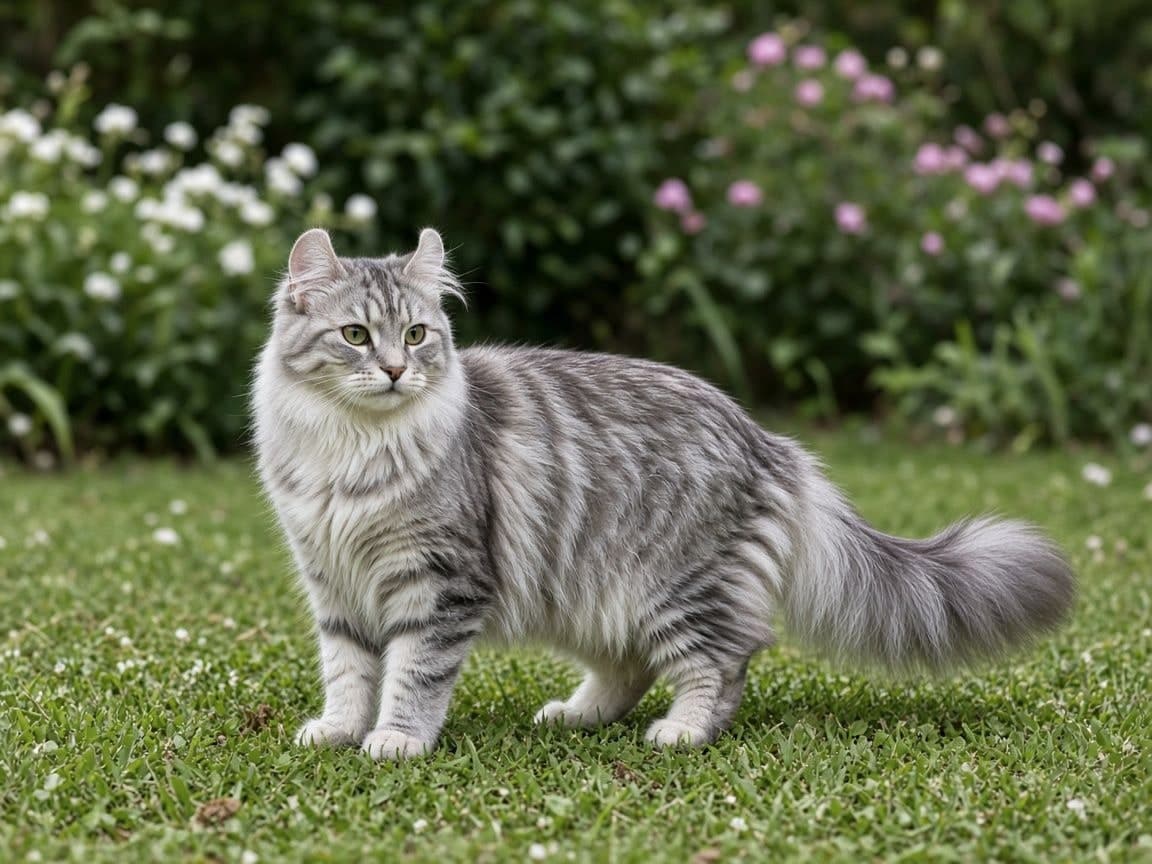
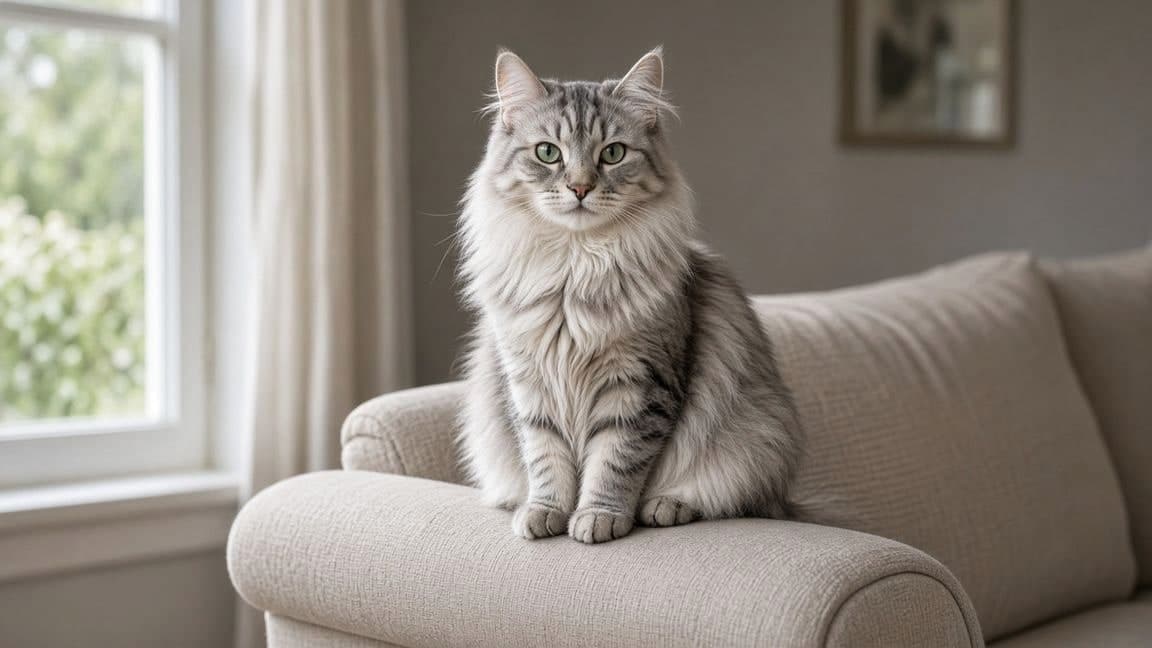
The American Curl is a medium-sized, moderately muscled cat best known for its ears, which curl out and back in a graceful arc and give it an alert, happy expression. It has large walnut-shaped eyes and a silky coat, and comes in both longhair and shorthair. Curls are usually affectionate, curious and playful, and keep a kitten-like nature well into adulthood, which has earned them the nickname "the Peter Pan of cats".
Key characteristics
General breed tendencies, not a prediction for an individual cat.
- Size
Medium
A mid-sized cat.
- Coat length
Not assessed yet
Our sources do not say enough yet.
- Activity level
Lively
Lively and playful; needs daily play.
- Grooming
Minimal
An occasional brush is usually enough.
- Shedding
Low
Tends to shed little, though every cat sheds some hair.
- Vocal
Tends to be quiet
Usually a fairly quiet cat.
- Good with children
Often good
Often good with children, with supervision.
- Good with other cats
Usually sociable
Usually enjoys the company of other cats.
- Good with dogs
Often fine
Often gets on with a cat-friendly dog.
- Suits first-time owners
Not assessed yet
Our sources do not say enough yet.
- Time alone
Prefers company
Prefers company and is best not left alone for long.
- Indoors and outdoors
Not assessed yet
Our sources do not say enough yet.
The breed began in June 1981 in Lakewood, California, when Joe and Grace Ruga found a stray black longhaired kitten with unusual ears on their doorstep. They named her Shulamith, and all American Curls trace back to her. Two of the four kittens in her first litter had curled ears, and selective breeding began in 1983. The English geneticist Roy Robinson later confirmed that the curl is caused by a dominant gene and reported finding no defects in the crosses he analysed.
The curl is a mutation that affects the cartilage of the ear. The registries say no breed-linked health problems are known, helped by a broad gene pool from outcrossing to domestic cats, but they warn that the ear cartilage must be handled with care. In the UK the American Curl is not a fully recognised GCCF breed: it has name recognition only, which allows cats to be registered and present at GCCF shows. It is also relatively rare in the United States.
American Curl temperament
American Curls are typically very people-oriented and want to be involved in whatever their owners are doing, from unpacking shopping to watching television. They often greet their family with a gentle head bump and show affection by patting and nuzzling.
They are clever and inquisitive, and spend a lot of time exploring or playing. TICA notes that some learn to open doors, including turning doorknobs, and cupboards.
Curls have quiet voices and are not overly talkative. They tend to make their wishes known with soft trilling, chirping and cooing sounds.
Size and appearance
The American Curl is a medium-sized cat with a semi-foreign, rectangular body, medium boning and a long tail roughly equal to the body length. Females usually weigh 5 to 8 lb (about 2.3 to 3.6 kg) and males 7 to 10 lb (about 3.2 to 4.5 kg).
Kittens are born with straight ears, which curl into a tight "rosebud" within a few days and then gradually unfurl, setting in their final shape at about 16 weeks. The degree of curl varies from almost straight to an arc of 90 to 180 degrees. Breeders outcross to cats without curled ears, so some kittens have straight ears; they share the same personality.
Both coat lengths are silky and lie flat, with little undercoat. The longhair is semi-long with a plumed tail. All colours and patterns are accepted.
How active is the American Curl?
Curls are alert, active cats that enjoy daily exercise and will play with almost anything left on the floor. TICA recommends cat trees and indoor perches for climbing and jumping. Many learn to fetch, and they look forward to regular play sessions with their owners, but will happily settle on a lap when they are ready for a rest.
American Curl grooming
With little undercoat, both coat lengths are easy to care for and shed little. The CFA suggests combing or brushing two or three times a month; TICA recommends regular brushing with a grooming glove or soft brush for shorthairs and occasional brushing for longhairs.
The ears need gentle care. Curls often have dark ear wax, which TICA says is normal for the breed, so the inside of the ears should be cleaned now and then. Never pull on the cartilage or force the ears into unnatural positions.
Indoors and outdoors
American Curls adapt easily to new homes and situations. They are very attached to their people and, according to TICA, want to be with them all the time, so they may not suit homes where they would be alone for long periods. The sources do not say whether the breed is better suited to indoor or outdoor life.
Living with a American Curl
Because they stay playful into adulthood, Curls typically do well with children of all ages and enjoy regular play.
Whatever the breed, young children should be supervised around cats and shown how to stroke them gently and let them walk away.
Children
Often good with children, with supervision.
Other cats
Usually enjoys the company of other cats.
Dogs
Often gets on with a cat-friendly dog.
Being left alone
Prefers company and is best not left alone for long.
Other cats and pets
American Curls usually get on well with other cats and cat-friendly dogs. The CFA says they tend to respect other pets in the household, and TICA notes that they respect earlier occupants when introduced to a new home.
American Curl health
Not yet reviewed by a vet. This is general information, not veterinary advice: speak to your vet about your own cat’s health.
TICA and the CFA both say the American Curl has no known breed-linked genetic health problems, which they put down to its wide, diverse gene pool. The CFA adds that many breeders still test regularly to make sure recessive problems from the wider cat population do not appear in the breed.
Ear cartilage
The gene that curls the ear affects the ear cartilage, which should feel firm rather than stiff or floppy. Owners should take care not to damage the cartilage when handling or cleaning the ears.
What health checks should you ask about?
Responsible breeders and rescues are happy to talk about health, and any pressure to decide quickly is a reason to walk away. Before taking a American Curl home, it is reasonable to ask about:
- Health testing of the parents. Ask which health tests the parents have had for conditions known in the breed, and to see the results.
- Veterinary and vaccination records. Kittens should have had a first vaccination and a vet check, with records you can take home.
- Microchip information. In England, cats must be microchipped and registered by 20 weeks old. Ask who the chip is registered to and how the transfer works.
- Registration paperwork. Registration papers, where they apply, record pedigree. They do not by themselves prove health or how a kitten was raised.
How much does a American Curl cost to own?
There are two costs: bringing a American Curl home, and looking after one well. Kitten prices depend on the breeder, health testing and demand; the adverts below show what sellers are asking today.
Ongoing costs are the ones new owners most often underestimate: food, insurance (which usually rises with age), routine vet care, vaccinations and parasite treatment, dental care, grooming, litter, scratching posts and toys, and a cattery or a sitter for holidays. Budget for the whole of the cat’s life, typically 10–20 years, not just the first year.
Buying a American Curl
If you have decided the American Curl suits your life, take the same care choosing where your cat comes from. Meet the kitten in person, see it with its mother, and look at how the litter is raised.
- Check who you are dealing with: every Mypetzilla advert shows the seller type and what we have checked.
- Ask about health testing, vaccinations and the microchip before you commit.
- Take your time. Do not be rushed by deposits or "last one left" stories.
- Meet in person before paying anything, and keep conversations on Mypetzilla.
Adopting a American Curl
American Curls do come up for adoption, through rescue organisations, breed rescues and private rehoming, often because an owner’s circumstances have changed rather than any fault of the cat. An adult cat arrives as a known quantity: its size, coat and character are already on show.
Rescues will usually talk you through the cat’s history, any medical care, and the home it needs, including children, other animals and time alone. Be honest about your circumstances: a good rescue would rather place a cat once, well.
American Curls looking for homes
Live from Mypetzilla, updated as pets are listed.
There are no American Curl adverts at the moment.
Find American Curl adverts for sale and for adoption on Mypetzilla now.
Similar breeds you may want to consider
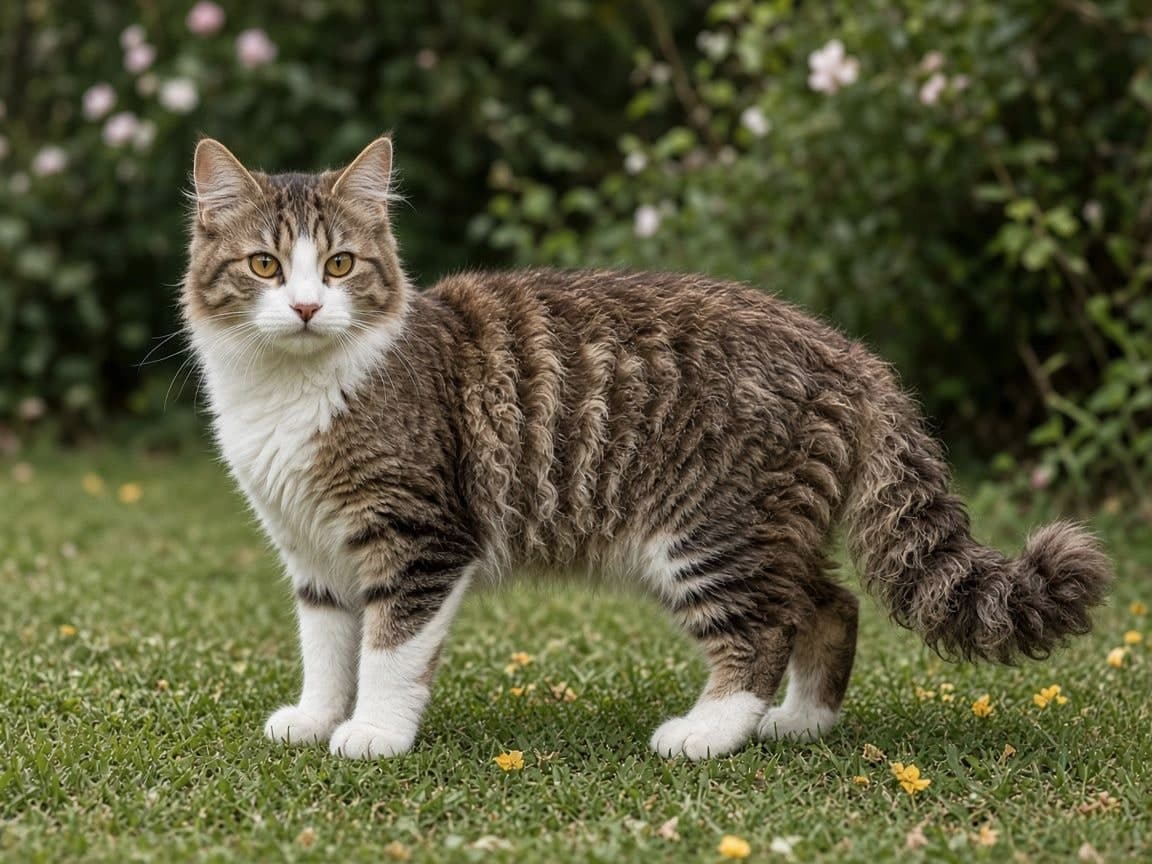
LaPerm
Clever, inquisitive, extrovert, affectionate, gentle, playful and intelligent.
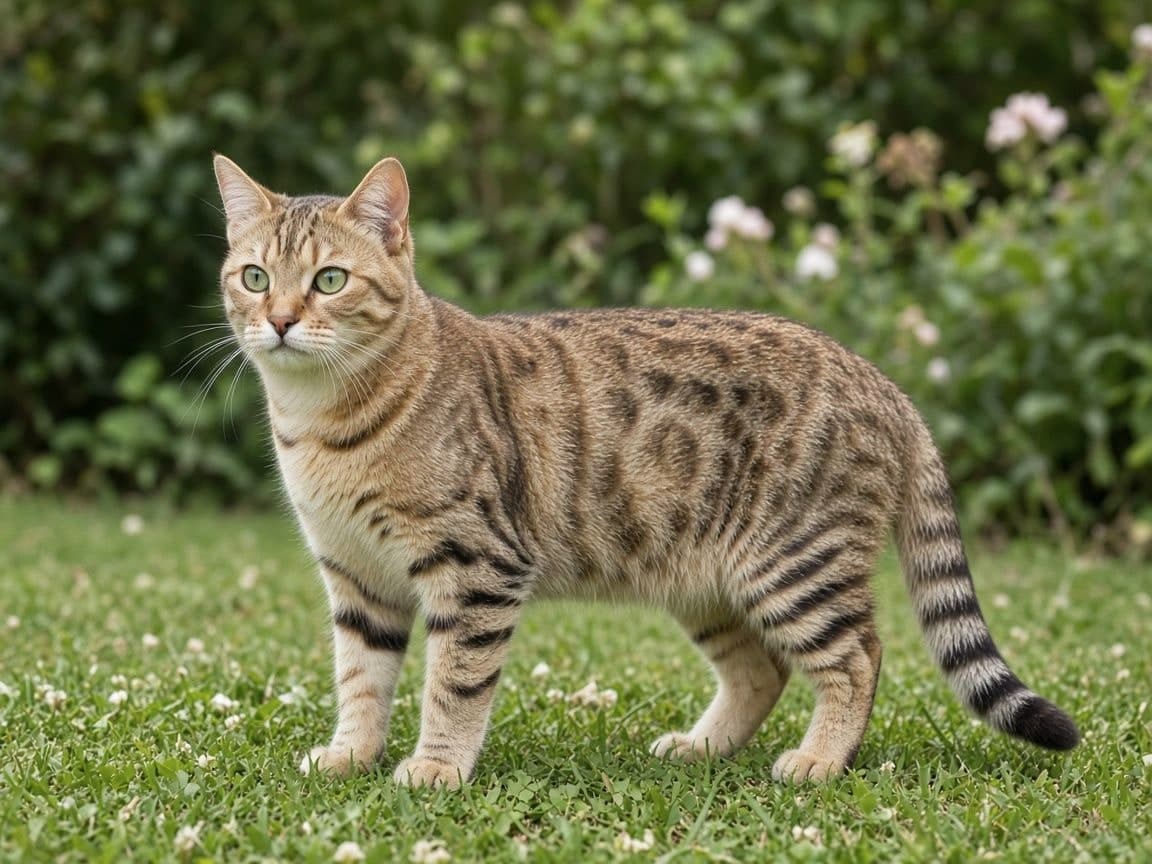
View breed guideAustralian Mist
Lively, affectionate, inquisitive, gentle, playful, curious, sociable and companionable.
View breed guideKorat
Intelligent, lively, affectionate, playful, athletic, quiet, engaging and stubborn.
View breed guide
American Curl FAQs
Is the American Curl good with children?
Often good with children, with supervision. Individual cats vary with breeding, upbringing and health, so ask about the cat you are considering.
How active is the American Curl?
Lively and playful. Short play sessions every day help any cat stay fit and settled.
Does the American Curl shed?
Tends to shed little.
How much grooming does the American Curl need?
Typically: minimal: an occasional brush.
Can the American Curl be left alone?
Prefers company and is best not left alone for long. Every cat needs company, play and someone to check on it each day.
Is the American Curl a talkative cat?
Tends to be quiet. Individual cats vary with breeding, upbringing and health, so ask about the cat you are considering.
Does the American Curl get on with other cats?
Usually enjoys the company of other cats. Introduce cats slowly, with separate food, water, litter trays and resting places.
Is the American Curl good with dogs?
Often gets on with a cat-friendly dog. Individual cats vary with breeding, upbringing and health, so ask about the cat you are considering.
How long does the American Curl live?
Typically 10–20 years. Lifespan varies with genetics, weight, care and luck.
How big does the American Curl get?
Adults typically weigh 2.3–4.5 kg.